7132 State Rt 3, Westerville Ohio 43082


A dog that suddenly stops urinating may have anything from a temporary urinary issue to a serious obstruction. Pay attention if your dog repeatedly asks to go outside, squats or lifts a leg without producing urine, passes only a few drops, or appears uncomfortable while trying to urinate.
At WestVets Maxtown Veterinary Clinic, veterinary care can help identify whether changes in urination are related to infection, bladder stones, inflammation, dehydration, or another urinary condition. Most importantly, a dog that cannot pass urine may have a blockage that requires prompt treatment.
Why Is My Dog Not Peeing?
Several conditions can affect a dog’s ability to urinate normally. Some cause increased frequency or straining, while others can partially or completely obstruct urine flow.
Urinary Tract Infection
A urinary tract infection can cause frequent attempts to urinate, discomfort, accidents in the house, or blood in the urine. Your dog may produce small amounts of urine rather than having a complete inability to urinate.
Bladder Stones
Bladder stones can irritate the bladder and cause straining, frequent urination, or blood in the urine. In some cases, a stone can move into the urethra and obstruct urine flow. Complete obstruction prevents the bladder from emptying and requires immediate veterinary treatment.
Urethral Obstruction
A urethral blockage is one of the most important causes to recognize. Stones, inflammatory material, scar tissue, or other problems can interfere with urine leaving the bladder.
A dog with an obstruction may repeatedly attempt to urinate but produce little or no urine. Complete obstruction can cause toxic waste products and electrolyte abnormalities to build up rapidly and can become life-threatening.
Dehydration
A dehydrated dog may produce less urine because the body is conserving fluid. However, dehydration alone should not be assumed when a dog is repeatedly trying to urinate without producing urine.
Prostate Problems
In male dogs, prostate enlargement or other prostate disorders can affect the urinary tract and contribute to difficulty urinating. A veterinarian may need to examine the prostate and urinary system to determine whether it is contributing to the problem.
Other Urinary or Neurologic Conditions
Bladder inflammation, masses, trauma, and certain neurologic disorders can also interfere with normal urination. The underlying cause cannot always be determined from symptoms alone.
Signs Your Dog May Have a Urinary Problem
Not every urinary problem looks the same. Watch for:
- Repeated attempts to urinate
- Producing only drops or small amounts
- Straining while urinating
- Crying, whining, or showing discomfort
- Blood in the urine
- Frequent licking around the urinary opening
- Urinating indoors unexpectedly
- Strong or unusual urine odor
- Restlessness
- Reduced appetite
- Vomiting or lethargy
Straining that produces little or no urine is particularly concerning because it can occur with urinary obstruction.
When Is a Dog Not Peeing an Emergency?
If your dog is repeatedly trying to urinate but cannot produce urine, treat the situation as urgent. Do not wait to see whether it improves on its own.
Seek immediate veterinary attention if your dog:
- Produces no urine despite repeated attempts
- Produces only a few drops while repeatedly straining
- Cries or appears significantly painful when trying to urinate
- Has a swollen or painful abdomen
- Becomes weak, very lethargic, or collapses
- Starts vomiting
- Has blood in the urine along with difficulty urinating
A complete urinary obstruction can prevent waste products from leaving the body and can cause dangerous electrolyte disturbances. Prompt treatment is essential.
What Will a Veterinarian Check?
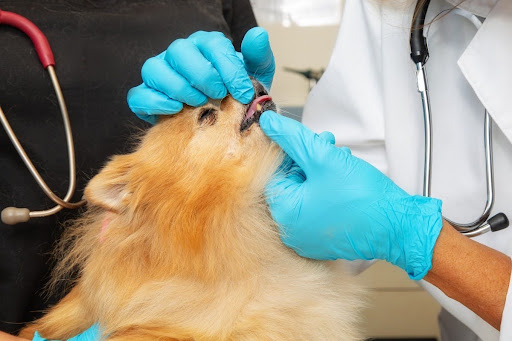
The veterinarian will typically begin with your dog’s medical history and physical examination. You may be asked when your dog last urinated, how frequently your dog has been attempting to urinate, whether any urine was produced, and whether you noticed blood or behavioral changes.
Depending on the findings, diagnostic testing may include:
- Urinalysis
- Blood tests
- Abdominal X-rays
- Ultrasound
- Other imaging or urinary tract testing
These tests can help distinguish conditions such as infection, bladder stones, obstruction, kidney-related problems, or other urinary disorders.
What Should You Do at Home?
If your dog is simply urinating less than usual but is otherwise comfortable, monitor closely and contact your veterinarian for guidance.
However, do not attempt to unblock your dog’s urinary tract at home. Do not press firmly on the abdomen or give medications unless specifically instructed by a veterinarian.
If your dog is repeatedly straining and producing little or no urine, seek veterinary attention promptly rather than waiting for additional symptoms.
How Can Urinary Problems Be Prevented?
Not every urinary condition can be prevented, but routine examinations can help identify risk factors and underlying health problems. Make sure your dog has regular access to fresh water and maintain a consistent bathroom routine.
Dogs with a previous history of urinary stones, infections, kidney disease, or other urinary conditions may need individualized monitoring and dietary or medical recommendations.
Paying attention to your dog’s normal urination habits also makes it easier to recognize meaningful changes early.
A change in urination can have several causes, but a dog that repeatedly tries to urinate without producing urine needs prompt attention. Urinary obstruction is particularly serious because it can rapidly lead to dangerous complications. Recognizing straining, repeated attempts, blood in the urine, pain, vomiting, or lethargy can help pet owners respond appropriately.
If you are in Westerville, OH, and need guidance from a vet near you, schedule your appointment with WestVets Maxtown Veterinary Clinic for an evaluation of your dog’s urinary concerns and appropriate veterinary care.
Frequently Asked Questions
Q1. How long can a dog safely go without peeing?
Ans: There is no single safe timeframe that applies to every dog. A dog repeatedly trying to urinate without producing urine is more concerning than simply going longer between normal bathroom breaks and should be evaluated promptly.
Q2. Why is my dog trying to pee but nothing is coming out?
Ans: Straining without producing urine can occur with urinary obstruction, stones, inflammation, or other urinary problems. A complete obstruction can become life-threatening and requires immediate veterinary attention.
Q3. Can bladder stones stop a dog from peeing?
Ans: Yes. A stone can move into the urethra and obstruct urine flow. Complete obstruction prevents normal bladder emptying and is an emergency.
Q4. Why is my dog peeing only a few drops?
Ans: Small amounts of urine accompanied by frequent attempts or straining can occur with urinary tract inflammation, infection, bladder stones, or an obstruction. Your veterinarian should evaluate persistent changes.
Q5. Is a dog not peeing always an emergency?
Ans: Not every change in urination means there is a complete blockage. However, repeated attempts to urinate with little or no urine, especially with pain, vomiting, lethargy, or abdominal discomfort, should be treated as an urgent situation.
Q6. What tests can determine why my dog is not urinating?
Ans: Depending on the symptoms, a veterinarian may recommend a physical examination, urinalysis, blood work, X-rays, ultrasound, or other diagnostic testing to identify the underlying problem.