7132 State Rt 3, Westerville Ohio 43082


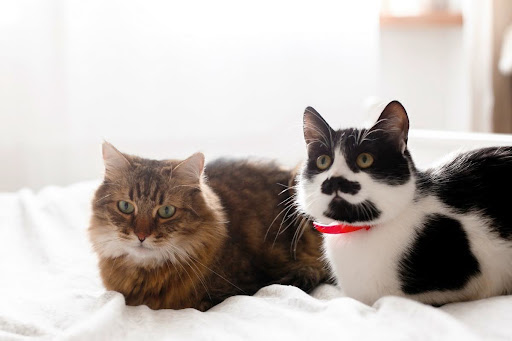
Choosing how many cats to bring into your home is an important decision. While one cat can make a wonderful companion, some households may benefit from adopting two cats. Having a feline companion can provide opportunities for play, social interaction, and companionship, especially when the cats have compatible personalities.
However, adopting a second cat should not be an automatic decision. Cats have individual temperaments, and some prefer living alone. Before choosing between one cat and two, prospective owners should consider their home environment, budget, available time, and the personalities of the cats involved.
For many people, two cats can create a lively and rewarding household. When compatible cats live together, they may play, groom, rest, and communicate with one another. In contrast, a single cat may depend more heavily on its human family for interaction and enrichment.
A consultation with an animal hospital can also help prospective cat owners understand important considerations such as preventive care, nutrition, vaccinations, parasite prevention, and the health needs associated with caring for multiple cats. With thoughtful planning, bringing home two cats can be a positive experience for both the animals and their owners.
Is It Better to Have Two Cats Than One?
There is no universal answer to whether two cats are better than one. The right choice depends on the individual cats and the household.
Some cats enjoy feline companionship and become more active and engaged when they have another compatible cat around. Others may become stressed when sharing their territory with another animal.
Age can also influence compatibility. Kittens and young cats often have high energy levels and may enjoy having a playmate. Adult cats can also form strong bonds, but introductions usually require more patience and planning.
Therefore, instead of focusing only on the number of cats, consider whether the cats’ personalities, energy levels, and social preferences are compatible.
Benefits of Having Two Cats
1. Built-In Companionship
One of the most noticeable advantages of having two cats is companionship. Cats that get along may spend time together throughout the day.
They might nap side by side, groom each other, or simply remain in the same room. This interaction can add variety to their daily lives.
Although cats still need attention from their owners, a compatible feline companion can provide another source of social interaction.
2. More Opportunities for Play
Cats naturally need opportunities to stalk, chase, pounce, and explore. A second cat can encourage these behaviors through interactive play.
Two cats may chase each other around the house, wrestle gently, or engage in short bursts of activity. Consequently, having another cat may help provide additional physical and mental stimulation.
Still, owners should provide appropriate toys, scratching posts, climbing areas, and interactive activities. Another cat should supplement enrichment rather than replace human interaction.
3. Reduced Boredom for Some Cats
Indoor cats can become bored when their environment lacks stimulation. A feline companion may provide additional activity and social engagement.
This benefit can be particularly noticeable in young cats with high energy levels. Instead of relying entirely on their owners for entertainment, compatible cats may occupy themselves together.
However, boredom prevention still requires an enriching environment. Rotate toys, provide climbing opportunities, create safe viewing areas, and offer regular interactive play.
4. Social Learning
Cats can learn from one another. Younger cats may observe and imitate behaviors from an older, well-socialized cat.
For example, a confident cat may demonstrate appropriate use of a scratching post, litter box, or feeding area. A calm companion may also help a nervous cat adjust to certain household routines.
That said, cats can also learn undesirable behaviors from one another. Therefore, compatibility and temperament remain important considerations.
5. Companionship During the Day
If household members spend several hours away from home, two compatible cats may provide one another with company.
A single cat can certainly remain happy while alone for periods of time, especially when the owner provides appropriate enrichment. However, some cats enjoy having another animal around.
The key is to avoid assuming that every cat needs a companion. Individual personality matters more than a simple one-cat-versus-two-cat rule.
Potential Challenges of Having Two Cats
Although multiple cats can offer several benefits, they also create additional responsibilities.
Higher Veterinary Expenses
Two cats require separate preventive care, including vaccinations, wellness examinations, parasite prevention, and dental care. Unexpected illnesses or injuries can also result in additional veterinary expenses.
Before adopting a second cat, make sure your household budget can comfortably accommodate the healthcare needs of both animals.
Increased Food and Supply Costs
Two cats generally require more food, litter, medications, toys, and other supplies.
You may also need additional equipment to support a comfortable multi-cat environment.
Territorial Conflicts
Cats are territorial animals. Introducing another cat too quickly can lead to stress, hiding, hissing, chasing, or fighting.
A gradual introduction gives cats an opportunity to become familiar with each other’s scent and presence without immediate face-to-face pressure.
More Cleaning
A second cat means more litter box maintenance, shedding, feeding areas, and general household cleanup.
However, establishing a consistent routine can make these responsibilities manageable.
How to Know If Your Cat Might Enjoy a Companion
Your cat’s personality can provide clues about whether another cat may be a good match.
A cat that frequently seeks interaction, plays enthusiastically, or has previously lived successfully with other cats may adjust well to a feline companion.
On the other hand, a highly territorial or easily stressed cat may prefer remaining the only pet.
Age and energy level also matter. A senior cat may not appreciate living with an energetic kitten that constantly wants to play.
Before choosing another cat, consider your existing pet’s temperament rather than selecting a companion based solely on appearance.
Choosing the Right Second Cat
Compatibility matters more than simply bringing home another cat.
Consider these factors when looking for a companion:
- Age
- Energy level
- Personality
- Socialization history
- Previous experience with other cats
- Health status
- Activity preferences
For example, a playful young cat may pair well with another active cat. Conversely, a quiet adult cat may prefer a calm companion.
If possible, work with a shelter or rescue organization that understands feline behavior. Some organizations can help identify cats whose personalities may complement your existing pet.
How to Introduce Two Cats Safely
A slow introduction can significantly improve the chances of a successful relationship.
Start With Separate Spaces
Keep the new cat in a separate room initially. Provide food, water, a litter box, bedding, hiding areas, and enrichment.
This allows the newcomer to settle in without immediately entering the resident cat’s territory.
Exchange Scents
Before direct interaction, allow the cats to become familiar with each other’s scent.
You can exchange bedding or gently rub a clean cloth on one cat and place it near the other. This process helps each cat become accustomed to the other’s smell.
Allow Visual Contact
Once both cats appear comfortable, gradually introduce visual contact through a barrier such as a secure gate or partially opened door.
Watch their body language closely.
Use Short, Supervised Meetings
When the cats show relaxed behavior around one another, allow brief supervised interactions.
Keep the sessions positive and end them before either cat becomes overwhelmed.
Increase Interaction Gradually
As the cats become more comfortable, gradually increase the amount of time they spend together.
Do not rush the process. Some cats may become comfortable within days, while others may require several weeks or longer.
Creating a Comfortable Home for Multiple Cats
A multi-cat household works best when cats have access to sufficient resources.
Provide Multiple Litter Boxes
A commonly recommended approach is to provide one litter box per cat plus one additional box. Place them in different quiet and accessible areas whenever possible.
Create Separate Feeding Areas
Some cats prefer eating without another cat nearby. Separate feeding stations can help reduce competition and stress.
Add Vertical Space
Cat trees, shelves, window perches, and other elevated areas give cats opportunities to climb and observe their surroundings.
Vertical territory can be particularly useful in multi-cat homes because it allows cats to create physical distance when they want it.
Offer Multiple Resting Areas
Provide several beds, blankets, hiding spaces, and quiet resting areas. This allows each cat to choose where it feels comfortable.
Provide Plenty of Scratching Options
Multiple scratching posts and surfaces can help cats express normal scratching behavior while reducing competition for a single resource.
Health Considerations for Multiple Cats
Adding another cat means taking responsibility for another individual animal’s health.
Both cats should receive routine wellness examinations and appropriate preventive care. Keeping vaccinations and parasite prevention current can help protect each cat and reduce potential health risks within the household.
New cats should also receive appropriate health screening before being introduced to resident pets. Your veterinarian can recommend examinations and testing based on the cat’s history and circumstances.
Regular dental care also matters. Cats can develop plaque, tartar, and periodontal disease, even when they appear healthy.
Owners should monitor both cats for changes in appetite, weight, behavior, litter box habits, grooming, activity, and social interaction.
When One Cat May Be the Better Choice
Despite the benefits of multiple cats, some households are better suited to one.
A single-cat household may be appropriate when:
- The resident cat strongly prefers solitude.
- The household has limited space.
- The owner cannot comfortably afford additional veterinary expenses.
- The resident cat becomes highly stressed around other animals.
- The owner cannot provide adequate resources for multiple cats.
Choosing one cat is not a failure to provide companionship. A single cat can thrive when its physical, social, and mental needs receive consistent attention.
Is Adopting Two Cats From the Same Litter a Good Idea?
Adopting two kittens from the same litter can sometimes make the transition easier because they already know each other. Littermates may have established familiarity and may enjoy playing and resting together.
However, littermates still need individual resources and veterinary care. They should also receive appropriate socialization and enrichment.
Adult cats can form strong relationships as well, so adopting two cats does not necessarily require choosing littermates.
How Much Attention Do Two Cats Need?
Two cats do not automatically require less attention from their owner.
Even when cats play together, they still need individual interaction. Spend time with each cat through petting, grooming, training, interactive play, and other activities they enjoy.
Additionally, monitor their relationship. Cats that appear to get along may still compete for resources or experience subtle stress.
Giving each cat individual attention helps maintain trust and allows owners to notice changes in behavior or health.
When to Seek Veterinary Guidance
Changes in behavior after introducing a second cat can sometimes indicate stress or an underlying health concern.
Watch for persistent hiding, appetite changes, inappropriate urination, excessive grooming, aggression, weight loss, or other unusual behaviors.
If you are preparing to adopt another cat, a veterinary professional can also help you plan preventive care and discuss how to support the health of both pets. WestVets Maxtown Veterinary Clinic can provide guidance tailored to your cats’ individual health and wellness needs.
Final Thoughts
The choice between one cat and two ultimately depends on the individual animals and the household. Two compatible cats can provide companionship, play opportunities, and additional stimulation. However, multiple cats also require additional financial resources, supplies, space, and thoughtful planning.
If you decide to adopt a second cat, focus on compatibility rather than simply choosing another animal. Introduce the cats gradually, provide enough resources for everyone, and give each pet individual attention.
Most importantly, remember that every cat has a unique personality. Some cats flourish with feline companionship, while others are happiest as the only cat in the home.
For guidance on preparing your cats for a healthy life together, schedule your appointment with WestVets Maxtown Veterinary Clinic and discuss your pets’ individual needs with a veterinary professional.
Frequently Asked Questions
Q1. Are two cats happier than one?
Ans: Two cats can be happier together when they have compatible personalities and enjoy feline companionship. However, some cats prefer living alone, so individual temperament should guide the decision.
Q2. Is it easier to have two cats instead of one?
Ans: Two compatible cats may entertain and interact with each other, but owners still have additional responsibilities, including feeding, litter box maintenance, veterinary care, and financial costs.
Q3. Should I get a second cat for my lonely cat?
Ans: Not necessarily. A cat that appears lonely may need more enrichment or human interaction rather than another cat. Consider your cat’s personality and consult a veterinary professional before adopting another pet.
Q4. How long does it take for two cats to get along?
Ans: The adjustment period varies. Some cats become comfortable within days, while others may require several weeks or longer. Slow introductions generally give cats the best opportunity to adjust successfully.
Q5. Do two cats need separate litter boxes?
Ans: Yes. Providing multiple litter boxes can reduce competition and help cats feel more comfortable. A common recommendation is one litter box per cat plus one additional box.
Q6. Can two cats share food and water bowls?
Ans: Some cats may share resources peacefully, but separate feeding areas can reduce competition and stress. Providing multiple food and water stations gives each cat more choice and personal space.