7132 State Rt 3, Westerville Ohio 43082

Golden Years Pet Care
Helping Pets Live a Healthier Life in Their Golden Years
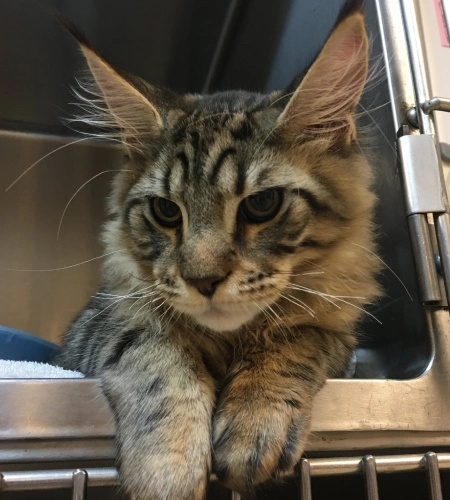
Pets age faster than we do, and their health needs shift as they get older. At WestVets Maxtown Veterinary Clinic we provide thoughtful, proactive care for senior pets — helping them stay comfortable, active, and close to you for as long as possible.
Dogs are generally considered seniors by age 7 (earlier for larger breeds). Cats typically reach senior status around age 8. At these stages, we recommend moving to semi-annual wellness visits to catch age-related changes before they become serious problems.
Book Online
Senior Dogs Deserve Nothing But the Best

Senior care at Maxtown goes well beyond a routine check-up. We track changes in weight, organ function, mobility, vision, dental health, and behavior — building a detailed picture of your pet's aging trajectory over time.
- Arthritis and joint pain
- Dental disease and gum problems
- Changes in vision or hearing
- Weight management and nutritional needs
- Heart and kidney health
- Behavioral changes like confusion or anxiety
Our goal is to catch problems early, prevent further complications, and ensure your senior pet remains as comfortable as possible.
Understanding the Needs of Your Senior Dog
For dogs, aging can happen quickly, especially in larger breeds. At age 7, most dogs are considered seniors, but larger breeds may reach senior status as early as age 5. Some common health issues we monitor in senior dogs include:
- Dental disease: Gum disease and tooth loss can cause pain and lead to other health complications like heart disease and kidney problems.
- Weight management: Senior dogs often need fewer calories but still require enough protein. Overweight dogs are at higher risk for arthritis, diabetes, and other chronic conditions.
- Arthritis: This is a common issue for aging dogs, leading to pain and difficulty moving.
- Heart health: Older dogs may experience heart disease, which is why regular check-ups and heart screenings are crucial.
- Behavioral changes: Confusion, forgetfulness, and changes in behavior are common in aging dogs. We offer support to manage these changes and keep your dog comfortable.
Routine tests, such as blood work and X-rays, help us detect health issues early, allowing for timely treatment and a longer, happier life for your dog.
Caring for Your Senior Cat
Cats are generally considered seniors by age 8, and like dogs, they experience age-related changes quickly. At WestVets Maxtown Veterinary Clinic, we understand that older cats often need more specialized care. Here are some key aspects of senior cat care:
- Dental disease: Senior cats often experience gum disease, tooth loss, and bad breath, which can contribute to more serious health problems like heart disease and kidney issues.
- Nutritional needs: As cats age, their metabolism slows down, and they may require fewer calories. Poor nutrition, especially protein malnutrition, is linked to kidney and liver diseases, which are common in senior cats.
- Arthritis: More than 80% of cats over age 8 experience arthritis. Cats often hide their pain, so symptoms may be subtle. We provide multimodal pain management to keep your cat comfortable.
- Behavioral changes: Many senior cats experience disorientation, reduced activity, and changes in social behavior. We can guide you through managing these senile behaviors and provide therapies to ease their symptoms.
We also recommend routine blood tests, urinalysis, fecal exams, X-rays, and ultrasounds for senior cats to monitor and manage common health conditions.