7132 State Rt 3, Westerville Ohio 43082


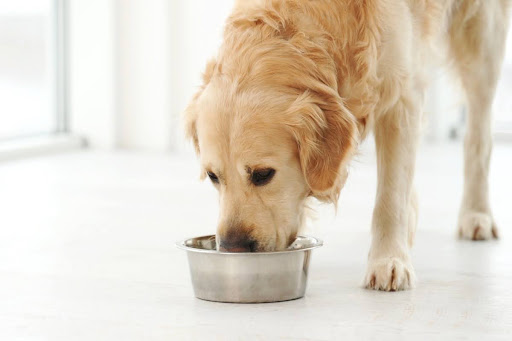
A pet’s nutritional needs change significantly throughout life. Puppies and kittens need nutrient-dense meals to support rapid growth, while adult pets require balanced nutrition that helps maintain a healthy weight and active lifestyle. Senior dogs and cats may need adjustments based on changes in metabolism, activity level, muscle mass, and underlying health conditions. Choosing food based on life stage can help support long-term health and quality of life.
At WestVets Maxtown Veterinary Clinic, nutritional guidance can be tailored to a pet’s age, breed, size, activity level, body condition, and individual health needs. Understanding how nutritional requirements change over time helps pet owners make informed feeding decisions rather than relying on the same diet throughout a pet’s entire life.
Why Pet Nutrition Should Change With Age
Pets do not have the same nutritional requirements at every stage of life. Growth, adulthood, and aging involve different physiological demands, so feeding an appropriate life-stage diet is an important part of preventive care.
Several factors can influence what a pet should eat, including:
- Age and life stage
- Breed and expected adult size
- Body weight and body condition
- Activity level
- Reproductive status
- Food allergies or sensitivities
- Existing medical conditions
- Dental health
- Muscle condition
- Changes in appetite or digestion
A food labeled for a particular life stage is generally formulated to provide nutrients appropriate for that period. However, individual pets can still have different requirements. A veterinarian can help determine whether a standard life-stage diet or a more specific nutritional plan is appropriate.
Feeding Puppies: Supporting Healthy Growth
Puppies grow rapidly, especially during their first year. Their bodies require sufficient calories, protein, essential fatty acids, vitamins, and minerals to support developing bones, muscles, organs, and the immune system.
Choose a Puppy-Appropriate Diet
Puppies should generally eat food specifically formulated for growth rather than a maintenance diet designed for adult dogs. Large-breed puppies may require specially formulated diets because excessive or imbalanced intake of certain nutrients can contribute to abnormal skeletal development.
When choosing puppy food, look for a complete and balanced product appropriate for the puppy’s expected adult size. Avoid making major dietary changes without a reason, as sudden transitions can contribute to digestive upset.
Establish Appropriate Meal Portions
Young puppies have smaller stomachs but high nutritional demands. Depending on their age and individual needs, they may benefit from several smaller meals throughout the day.
Portions should be based on factors such as:
- Current weight
- Expected adult size
- Activity level
- Body condition
- Growth rate
Overfeeding is not beneficial simply because a puppy is growing. Excessive calorie intake can contribute to unhealthy weight gain and may be particularly concerning for puppies expected to become large dogs.
Avoid Excessive Treats
Treats can be useful for training, but they should remain a limited part of the overall diet. High-calorie treats, table scraps, and frequent snacks can make it difficult to maintain an appropriate calorie balance.
For training, consider using small treats or portions of the puppy’s regular food when appropriate.
Feeding Kittens: Fueling Development
Kittens experience substantial physical development during their first months of life. Their nutritional needs support muscle development, bone growth, nervous system development, immune function, and overall maturation.
Select Food Formulated for Kittens
Kitten food is designed to provide the higher energy and nutrient requirements associated with growth. Look for a complete and balanced formula intended for kittens or growth.
Both wet and dry diets can be appropriate depending on the kitten’s needs and feeding routine. Wet food can also contribute to daily water intake, which can be useful for cats that do not drink much water independently.
Feed Consistently
Because kittens have small stomachs and high energy requirements, they may do better with multiple meals throughout the day. A consistent feeding schedule can also make it easier to monitor appetite and identify changes.
Fresh water should always be readily available.
Monitor Growth and Body Condition
Rapid growth does not mean a kitten should be allowed unlimited food in every situation. Portion recommendations should be adjusted according to growth, body condition, activity, and veterinary guidance.
Sudden changes in appetite, persistent diarrhea, vomiting, poor growth, or unexplained weight loss should be evaluated rather than attributed simply to dietary preferences.
Adult Pet Nutrition: Maintaining a Healthy Baseline
Once growth is complete, nutritional priorities generally shift from supporting development to maintaining a healthy body condition and preventing excess weight gain.
Adult dogs and cats need a balanced diet that provides appropriate amounts of protein, fats, carbohydrates, vitamins, minerals, and other essential nutrients.
Focus on Healthy Body Weight
Obesity can affect mobility and may increase the risk of several health problems. Measuring food portions rather than continually filling a bowl can make calorie intake easier to manage.
Your pet’s ideal amount of food may differ from the feeding guide printed on the package. Those recommendations provide a starting point, but individual calorie requirements vary.
Consider Lifestyle
A highly active working dog and a relatively inactive indoor dog may require very different calorie amounts. Cats can also have different nutritional needs depending on activity, age, body condition, and lifestyle.
Regularly evaluating body condition is more useful than relying only on the number shown on a scale.
Feeding Senior Dogs and Cats
As pets age, changes in metabolism, activity, muscle mass, digestion, and organ function can influence nutritional needs. However, there is no single diet that is automatically appropriate for every senior pet.
Some older pets may need fewer calories because they are less active, while others may require nutritional adjustments to help maintain muscle mass or accommodate health conditions.
Prioritize Protein and Muscle Health
Maintaining muscle becomes increasingly important as pets age. Adequate, high-quality protein can support muscle maintenance when appropriate for the individual animal.
A senior pet experiencing noticeable muscle loss should receive a veterinary evaluation rather than simply being given more food.
Watch Calorie Intake
Reduced activity can increase the risk of weight gain. Portion sizes may need to change as an older pet becomes less active.
At the same time, unexplained weight loss should never automatically be considered a normal part of aging. It can sometimes indicate an underlying health problem.
Consider Health-Specific Nutrition
Older pets are more likely to develop chronic conditions that can influence dietary recommendations. Depending on the situation, a veterinarian may recommend nutritional modifications related to kidney function, gastrointestinal health, urinary concerns, joint health, diabetes, or other conditions.
This is where individualized senior pet care becomes particularly important. Nutrition should be based on the pet’s overall health rather than age alone.
How to Transition Your Pet to a New Food
Changing food suddenly can cause digestive problems in some pets. When a dietary change is recommended, gradually introducing the new food over several days can help the digestive system adjust.
A general transition may involve:
- Mixing a small amount of the new food with the current diet.
- Gradually increasing the proportion of new food.
- Decreasing the amount of the previous food.
- Monitoring stool consistency, appetite, and overall behavior.
- Slowing the transition if digestive upset occurs.
Some pets may require a longer transition period, particularly if they have sensitive digestive systems.
When Should You Reassess Your Pet’s Diet?
Nutrition should not be treated as a one-time decision. Reassessing your pet’s diet periodically is useful because nutritional needs can change with age, weight, activity, and health status.
Consider discussing your pet’s nutrition with a veterinarian when you notice:
- Unexplained weight gain or weight loss
- Reduced appetite
- Increased hunger or thirst
- Repeated vomiting or diarrhea
- Changes in stool quality
- Loss of muscle
- Reduced activity
- Difficulty chewing
- Changes in eating habits
- A newly diagnosed health condition
Routine wellness examinations also provide an opportunity to review body condition, feeding habits, treats, and nutritional goals.
Common Pet Nutrition Mistakes to Avoid
Even well-intentioned feeding practices can create nutritional problems. Common mistakes include:
Overfeeding: Portion sizes that are too large can gradually lead to excess weight.
Too many treats: Treats and table food can add significant calories without providing balanced nutrition.
Ignoring life stage: A diet suitable for a growing puppy may not be appropriate for an older dog.
Making frequent food changes: Constantly switching diets without a reason can make digestive issues harder to identify.
Following package recommendations without adjustment: Feeding guides are useful starting points, but individual pets may need more or less food.
Ignoring body condition: Weight alone does not provide a complete picture of nutritional health.
Build a Nutrition Plan Around Your Pet
The best diet is not necessarily the most expensive food or the one with the longest ingredient list. It is a complete and balanced diet that appropriately meets an individual pet’s nutritional requirements while supporting healthy body condition and overall wellness.
Age provides an important starting point, but factors such as breed, size, activity, reproductive status, medical history, and body condition should also be considered. Regular veterinary assessments can help identify when nutritional adjustments are appropriate.
For personalized nutritional guidance and ongoing senior pet care, WestVets Maxtown Veterinary Clinic can help pet owners evaluate feeding habits and make age-appropriate dietary decisions.
For pet owners in Westerville, OH, schedule your appointment to discuss your pet’s nutritional needs and create a feeding approach suited to their current life stage.
FAQs
Q1. How often should puppies eat?
Ans: Young puppies generally need several meals throughout the day because they have small stomachs and high energy requirements. The appropriate feeding frequency depends on age, breed, size, and individual growth needs.
Q2. When should I switch my kitten from kitten food to adult cat food?
Ans: Most cats transition to adult food after reaching physical maturity, but the timing varies depending on breed, size, and development. Your veterinarian can recommend an appropriate transition based on your cat’s growth and body condition.
Q3. Do senior pets need special food?
Ans: Not every senior pet needs a specialized diet. However, aging can change calorie requirements, muscle maintenance, and nutritional needs. Pets with age-related health conditions may benefit from specific dietary adjustments.
Q4. How can I tell if I am overfeeding my dog or cat?
Ans: Gradual weight gain, excess body fat, reduced mobility, or difficulty feeling the ribs can indicate that calorie intake is too high. Regular body-condition assessments can help determine whether portions need adjustment.
Q5. Can I give my pet human food as treats?
Ans: Some human foods can be safe in small quantities, but many are unsuitable or potentially toxic to pets. Treats should remain a limited portion of daily calories, and foods containing ingredients such as chocolate, grapes, raisins, onions, garlic, or xylitol should be avoided.
Q6. Should I change my pet’s food if they are losing weight as they age?
Ans: Unexplained weight loss should be evaluated before changing the diet. Weight loss in an older pet can have several causes, including medical conditions, dental problems, reduced appetite, or inadequate calorie intake. A veterinary evaluation can help identify the underlying reason.