7132 State Rt 3, Westerville Ohio 43082


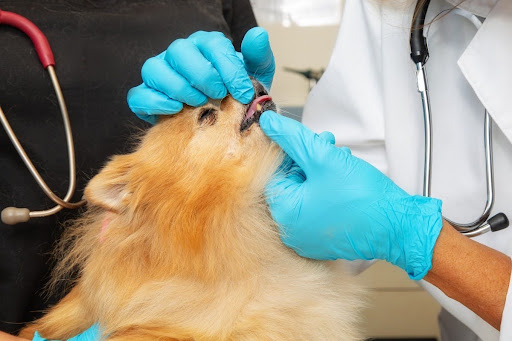
What a pet eats can influence many aspects of health, including weight, digestion, and overall nutrition. Diet also plays a role in oral health, but the relationship between food and teeth is often misunderstood. Some pet owners assume dry food automatically cleans teeth, while others believe wet food is harmful to dental health. In reality, the effect of food depends on its formulation, texture, feeding habits, and the individual pet’s oral condition.
At WestVets Maxtown Veterinary Clinic, pet owners can discuss nutrition and oral health together because diet is only one component of effective pet dental care. Understanding what wet and dry foods can and cannot do helps owners make better decisions about their dog’s or cat’s daily diet while avoiding common misconceptions about dental health.
How Food Affects Your Pet’s Teeth
When pets eat, food particles can interact with bacteria naturally present in the mouth. These bacteria contribute to plaque formation, a sticky film that develops on tooth surfaces.
If plaque is not removed, it can mineralize into tartar or calculus. Tartar is harder and cannot be effectively removed through ordinary eating or drinking. As dental disease progresses, inflammation can affect the gums and supporting structures around the teeth.
Diet can influence this process in several ways, including:
- Food texture
- Kibble size and shape
- Moisture content
- Nutrient composition
- Calorie density
- Feeding frequency
- Treats and snacks
- Whether the food has specific dental-health properties
However, simply choosing one type of food over another does not guarantee good dental health.
Does Dry Food Clean Your Pet’s Teeth?
One of the most common misconceptions is that ordinary dry kibble naturally brushes a pet’s teeth.
Although some dry food may provide mechanical contact with teeth as a pet chews, standard kibble generally does not clean the entire mouth like brushing would. Many pieces can break apart quickly, and pets may swallow food with limited chewing.
The effectiveness of a dry diet therefore depends on the specific food and how it is formulated.
Dental Diets Are Different From Regular Kibble
Some veterinary dental diets are specifically designed with characteristics intended to increase tooth contact and reduce plaque or tartar accumulation. Their larger or specially structured pieces may encourage more chewing than conventional kibble.
Certain dental diets have also undergone testing for their effect on plaque and tartar. These products should not be confused with ordinary dry pet food.
If a dental diet is being considered, the pet’s age, weight, medical history, nutritional needs, and existing dental condition should be taken into account.
Can Wet Food Cause Dental Problems?
Wet food itself does not automatically cause dental disease. Cats and dogs can maintain healthy mouths while eating wet diets when appropriate oral hygiene and veterinary care are provided.
Wet food has a softer texture and generally does not provide the same mechanical tooth contact as certain specially formulated dental diets. However, that does not mean wet food damages teeth.
Wet food can have nutritional and practical advantages for some pets. For example, its higher moisture content may help increase water intake, which can be useful for pets that do not drink enough independently.
When Wet Food May Be Appropriate
Wet food may be particularly useful for certain pets based on their individual needs. It can be easier to eat for animals with certain oral problems, although a veterinarian should evaluate the underlying condition rather than using softer food to manage dental pain.
Cats with reduced appetite may also find wet food more appealing because of its aroma and texture.
The key consideration is whether the overall diet is complete and balanced and whether the pet’s nutritional and health requirements are being met.
Wet Food vs. Dry Food: Which Is Better for Teeth?
There is no universal winner between wet and dry food for dental health.
| Factor | Wet Food | Dry Food |
| Moisture | High | Low |
| Typical texture | Soft | Crunchy |
| Mechanical tooth contact | Limited | Varies |
| Dental cleaning effect | Not a substitute for brushing | Ordinary kibble is not a substitute for brushing |
| Special dental formulas | Available | Commonly available |
| Suitability | Depends on individual needs | Depends on individual needs |
The most important distinction is between ordinary food and products specifically designed or tested for dental benefits.
A pet should not be switched to dry food solely because of the belief that crunchy food will prevent dental disease.
What About Dental Treats and Chews?
Dental treats and chews can be another part of an oral-health routine. Some products are designed to provide mechanical cleaning as the pet chews, while others may contain ingredients intended to help reduce plaque or tartar.
However, not every dental treat provides the same benefits.
When selecting a product, consider whether it has credible evidence supporting its dental-health claims. Veterinary dental organizations and veterinary professionals can provide guidance about products that have been evaluated for oral-health benefits.
Treat Calories Also Matter
Dental treats still contribute calories. Giving too many can contribute to weight gain, particularly in pets that already receive regular treats or calorie-dense food.
Treats should be incorporated into the pet’s overall daily calorie intake rather than added without adjustment.
Can Diet Prevent Dental Disease?
Diet can support oral health, but it cannot replace comprehensive dental care.
Dental disease develops through multiple factors, including plaque accumulation, genetics, age, oral anatomy, chewing habits, and individual susceptibility. Some cats and dogs may develop significant dental disease despite eating a nutritionally appropriate diet.
A healthy diet can support overall health, but it should be combined with:
- Regular veterinary examinations
- Professional dental cleanings when recommended
- Tooth brushing
- Appropriate dental products
- Monitoring for changes in the mouth
- A nutritionally complete and balanced diet
Tooth Brushing Remains Important
Daily tooth brushing is one of the most effective ways pet owners can help control plaque at home.
The goal is not to make the process perfect immediately. Pets often need time to become comfortable with having their mouths handled.
How to Introduce Tooth Brushing
Start slowly:
- Allow your pet to become comfortable with gentle handling around the mouth.
- Introduce a veterinary-approved pet toothpaste.
- Let your pet taste a small amount of the toothpaste.
- Gradually introduce a pet toothbrush or appropriate finger brush.
- Brush gently along the outer surfaces of the teeth.
- Keep sessions short and positive.
- Gradually work toward regular brushing.
Never use human toothpaste unless specifically directed by a veterinarian. Some human dental products can contain ingredients that are unsafe for pets.
What Diet Should You Choose for a Pet With Dental Disease?
If a pet already has tartar, gingivitis, loose teeth, or suspected periodontal disease, changing food alone is unlikely to resolve the problem.
A veterinary examination can determine the severity of the dental condition and whether professional treatment is needed.
For some pets, softer food may be easier to eat when the mouth is painful, but this should be viewed as a nutritional adjustment rather than treatment for the underlying dental problem.
For others, a veterinarian may recommend a specially formulated dental diet after evaluating their overall health.
Pets with additional conditions, such as kidney disease, diabetes, food allergies, or gastrointestinal disorders, may have nutritional requirements that affect which dental products or diets are appropriate.
Signs Your Pet May Have a Dental Problem
Food-related decisions are important, but recognizing signs of dental disease is equally important.
Contact a veterinarian if you notice:
- Persistent bad breath
- Red or swollen gums
- Yellow or brown buildup on teeth
- Drooling
- Pawing at the mouth
- Difficulty chewing
- Dropping food
- Chewing on one side
- Reduced appetite
- Loose or broken teeth
- Facial swelling
- Changes in behavior
A pet continuing to eat does not necessarily mean the mouth is healthy. Dogs and cats can sometimes continue eating despite significant oral discomfort.
How Often Should Your Pet’s Dental Health Be Checked?
Dental health should be assessed during routine veterinary examinations. The appropriate frequency of professional dental care depends on the individual pet.
Age, breed, oral anatomy, previous dental disease, home care, diet, and other health conditions can all influence risk.
Some pets may need professional dental cleaning more frequently than others. Regular examinations allow changes to be identified before they become more advanced.
Creating a Balanced Approach to Dental Health
Choosing between wet and dry food should begin with overall nutritional needs rather than dental myths. Both types can be appropriate when they provide complete and balanced nutrition for the pet’s life stage and individual requirements.
If dental health is a concern, consider the entire oral-care routine rather than relying on food alone. A combination of appropriate nutrition, regular tooth brushing, veterinary examinations, professionally recommended dental products, and dental treatment when needed provides a more comprehensive approach.
Pet owners should also remember that a food’s texture does not determine whether it is nutritionally appropriate. The best feeding plan considers the whole pet, including age, body condition, activity level, health history, and oral health.
For pet owners in Westerville, OH, schedule your appointment with WestVets Maxtown Veterinary Clinic to discuss your pet’s diet, oral health, and an appropriate preventive care plan.
FAQs
Q1. Is dry food better for my pet’s teeth than wet food?
Ans: Not necessarily. Ordinary dry food does not automatically clean a pet’s teeth, and wet food does not automatically cause dental disease. Some specially formulated dental diets have characteristics designed to support oral health, but diet should be considered alongside brushing and veterinary dental care.
Q2. Does wet food cause tartar in cats and dogs?
Ans: Wet food does not directly cause tartar. Its soft texture provides less mechanical tooth contact than some specially formulated dry dental diets, but dental disease is influenced by multiple factors, including plaque buildup, age, genetics, and individual susceptibility.
Q3. Can dental treats replace brushing my pet’s teeth?
Ans: No. Dental treats may provide additional oral-health benefits depending on the product, but they should not be considered a complete replacement for regular tooth brushing and veterinary dental examinations.
Q4. How can I choose a dental diet for my dog or cat?
Ans: Look for diets specifically formulated for dental health and supported by credible evidence. Your veterinarian can help determine whether a dental diet is appropriate based on your pet’s nutritional requirements, weight, age, medical history, and existing dental condition.
Q5. My pet eats normally but has bad breath. Should I be concerned?
Ans: Yes. Persistent bad breath can be a sign of plaque, tartar, gingivitis, periodontal disease, or another oral problem. Eating normally does not rule out dental discomfort, so a veterinary oral examination may be appropriate.
Q6. How can I protect my pet’s teeth at home?
Ans: Regular tooth brushing with pet-safe toothpaste is one of the most useful home-care measures. You can also discuss appropriate dental diets and dental products with your veterinarian and monitor your pet for changes in breath, chewing, appetite, or behavior.