7132 State Rt 3, Westerville Ohio 43082


A dog that eats normally but continues to lose weight may have an underlying health problem. While changes in activity, age, or diet can affect body weight, unexplained weight loss should never be ignored. Some dogs maintain a healthy appetite even when their bodies struggle to absorb nutrients or manage certain medical conditions.
Weight loss may develop gradually, making it difficult to notice until your dog’s ribs become more visible or their collar fits loosely. Understanding the possible causes can help you recognize when veterinary attention is necessary.
At our veterinary practice in Westerville, we understand how concerning unexpected weight loss can be. Our vets use physical examinations and diagnostic testing to investigate potential health problems. Identifying the cause helps us recommend appropriate care to support your dog’s health.
Why Is My Dog Losing Weight Even Though They Are Eating Normally?
Dogs may lose weight despite eating regularly when their bodies cannot absorb nutrients properly or use more energy than they consume.
Several factors can contribute to this problem:
- Digestive disorders that interfere with nutrient absorption.
- Diabetes that affects how the body uses glucose.
- Intestinal parasites that disrupt digestion.
- Kidney or liver disease that affects normal body functions.
- Chronic illnesses that increase energy demands.
- Increased physical activity without sufficient calorie intake.
Some dogs may also consume fewer calories than they need, even when their appetite appears normal.
What Health Conditions Cause Weight Loss in Dogs With a Normal Appetite?
Several medical conditions can cause weight loss without significantly affecting appetite.
Diabetes Mellitus
Diabetes affects the body’s ability to use glucose for energy. When cells cannot access enough glucose, the body may break down stored fat and muscle.
Common symptoms include:
- Increased thirst and urination.
- Weight loss despite increased hunger.
- Reduced energy.
- Changes in vision.
Blood glucose testing and urinalysis help veterinarians investigate diabetes.
Exocrine Pancreatic Insufficiency (EPI)
The pancreas produces enzymes that help digest food. Dogs with EPI cannot produce enough of these enzymes, preventing proper nutrient absorption.
Affected dogs may experience increased hunger, frequent bowel movements, bulky stools, and continued weight loss. A blood test called canine trypsin-like immunoreactivity (cTLI) helps diagnose this condition.
Intestinal Parasites
Certain intestinal parasites interfere with digestion and nutrient absorption. Dogs may develop diarrhea, abdominal discomfort, or weight loss.
However, some infected dogs show few noticeable symptoms. Fecal testing helps identify intestinal parasites and determine whether treatment is necessary.
Chronic Intestinal Disease
Chronic intestinal disorders can affect how food moves through the digestive system and how nutrients are absorbed.
Symptoms may include vomiting, diarrhea, changes in appetite, and gradual weight loss. Veterinarians may recommend bloodwork, fecal examinations, or abdominal imaging to investigate these problems.
Kidney or Liver Disease
The kidneys and liver help regulate metabolism, remove waste, and support normal body functions. Disease affecting these organs may contribute to weight loss. Although reduced appetite is common, some dogs continue eating during earlier stages. Blood chemistry testing and urinalysis can help identify abnormalities.
Cancer and Other Chronic Illnesses
Certain cancers and long-term illnesses can affect metabolism and muscle maintenance. Some dogs continue eating normally while losing weight because their bodies use nutrients differently. Weight loss does not automatically indicate cancer, but persistent changes require veterinary evaluation.
What Other Symptoms Should Pet Owners Watch For?
Unexplained weight loss may occur alongside other symptoms that provide clues about your dog’s health.
Watch for:
- Increased thirst or frequent urination.
- Vomiting or diarrhea.
- Changes in stool appearance.
- Reduced muscle mass around the hips or spine.
- Unusual tiredness.
- Increased hunger without weight gain.
- Changes in coat condition.
- Abdominal swelling or discomfort.
Record when these symptoms begin and whether they become more frequent.
Contact our veterinarian promptly if your dog continues losing weight. Severe weakness, collapse, repeated vomiting, or difficulty breathing requires urgent veterinary attention.
What Diagnostic Tests Help Identify the Cause of Weight Loss?
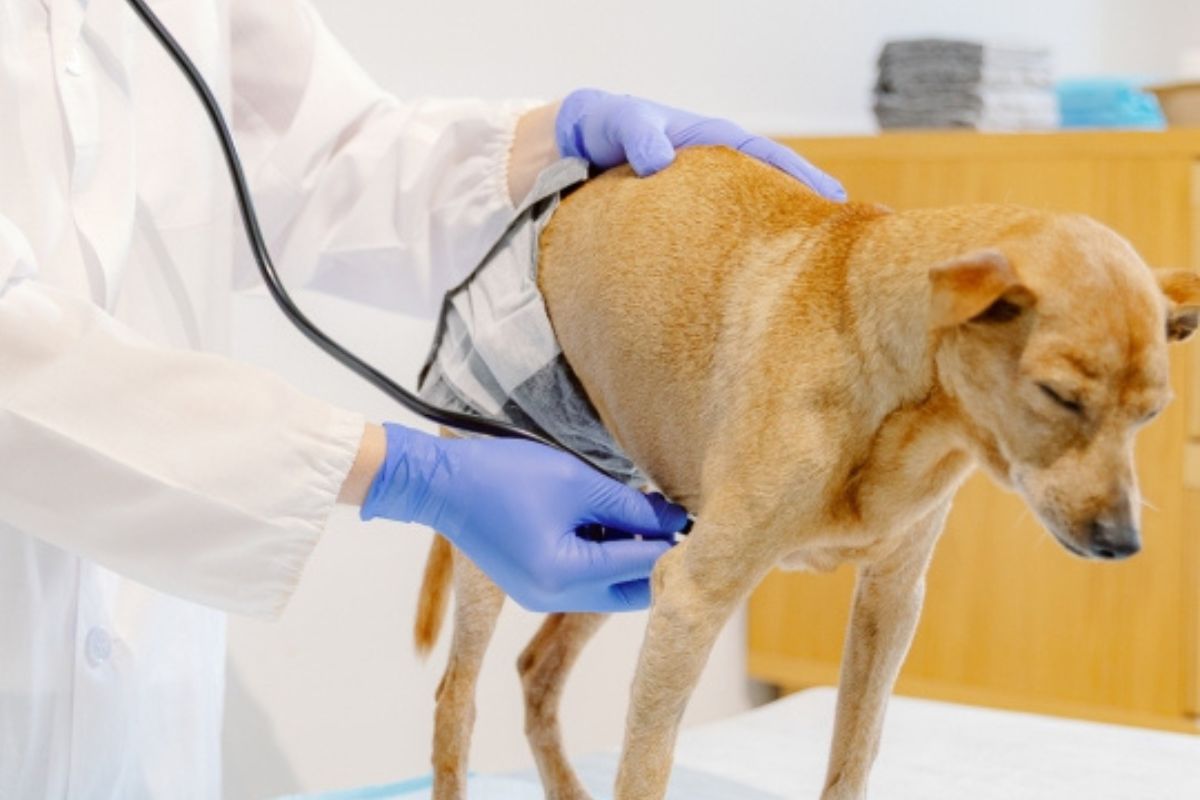
Determining why your dog is losing weight usually begins with a physical examination and a review of their medical history. Our vets may ask about feeding habits, activity levels, medications, bathroom routines, and recent behavioral changes. Depending on the findings, we may recommend several diagnostic tests.
Blood Tests
A complete blood count (CBC) evaluates red blood cells, white blood cells, and platelets. A blood chemistry panel provides information about blood glucose, proteins, and indicators of kidney and liver function. These results help narrow down possible medical conditions.
Urinalysis
Urine testing helps assess kidney function, hydration, and urinary health. Glucose detected in urine may also suggest diabetes and require further investigation.
Fecal Examination
A fecal test helps identify certain intestinal parasites that may interfere with nutrient absorption. Additional testing may be necessary because some parasites are not detected in every sample.
Abdominal X-Rays or Ultrasound
Diagnostic imaging helps veterinarians examine internal abdominal structures. X-rays can reveal certain abnormalities, while ultrasound provides detailed images of many abdominal organs. These findings may help determine whether additional evaluation is needed.
Additional Digestive Tests
When digestive problems are suspected, further testing may include:
- cTLI testing for pancreatic enzyme deficiency.
- Vitamin B12 testing for certain digestive disorders.
- Additional gastrointestinal evaluations for persistent symptoms.
Not every dog requires every test. Our vets recommend testing based on individual symptoms and examination findings.
How Can Diagnostics Help Guide Your Dog’s Treatment?
Treating unexplained weight loss requires identifying the underlying problem rather than simply increasing food portions. Through pet diagnostics, our veterinary team can investigate possible medical conditions and determine appropriate treatment options.
For example, dogs with diabetes may require insulin therapy. Dogs with EPI often need pancreatic enzyme supplementation. Intestinal parasites may require medication, while chronic digestive conditions may need dietary adjustments and additional care. Follow-up examinations help monitor weight changes and evaluate treatment response.
What Should You Do Before Your Dog’s Veterinary Appointment?
Keeping accurate records can help our veterinarian understand changes in your dog’s health.
Before your appointment:
- Monitor weight: Record changes using the same scale when possible.
- Measure food intake: Track meals, treats, and portion sizes.
- Observe drinking habits: Note increased water consumption.
- Check bowel movements: Watch for diarrhea or unusual stools.
- Track activity: Record changes in energy or exercise.
- Bring medical records: Include medications and previous test results.
Avoid giving medications or making major dietary changes without veterinary guidance.
When Should You Schedule a Veterinary Visit for Weight Loss?
Schedule an examination if your dog continues losing weight despite eating normally, especially when dietary changes or increased exercise cannot explain it.
Gradual weight loss also deserves attention, particularly in senior dogs or pets with existing medical conditions.
At our veterinary practice, we use physical examinations and appropriate pet diagnostics to investigate unexplained weight changes. Identifying medical concerns early may help prevent additional complications.
Help Your Dog Return to a Healthier Weight and Routine
Unexplained weight loss can affect your dog’s strength, energy, and overall well-being, even when their appetite seems normal. Identifying the underlying cause allows your dog to receive appropriate treatment and nutritional support. Timely veterinary examinations can also help detect health concerns before additional symptoms develop.
If your dog is losing weight despite eating regularly, our veterinary team is ready to help. Contact WestVets Maxtown Veterinary Clinic to schedule an appointment online today. Let our vets investigate the cause of your dog’s weight loss and help you take the next steps toward protecting their long-term health.
Frequently Asked Questions
Q1. Why is my dog getting skinny even though they eat a lot?
Ans. Diabetes, pancreatic enzyme deficiencies, intestinal parasites, and digestive disorders can cause weight loss despite increased hunger. Veterinary testing helps identify the underlying cause.
Q2. Is unexplained weight loss normal in older dogs?
Ans. Although older dogs may gradually lose muscle, unexplained weight loss should not automatically be attributed to aging. A veterinary examination can help identify possible medical problems.
Q3. Can changing my dog’s food stop unexplained weight loss?
Ans. Dietary adjustments may help when weight loss results from insufficient calories or certain digestive disorders. However, medical conditions often require additional treatment.
Q4. Where can I get my dog tested for unexplained weight loss in Westerville?
Ans. At WestVets Maxtown Veterinary Clinic, our vets evaluate unexplained weight loss through physical examinations and appropriate diagnostic testing. Bloodwork, urinalysis, fecal testing, and imaging may help investigate potential causes.
Q5. Can WestVets Maxtown Veterinary Clinic check my dog for diabetes in Westerville?
Ans. Yes. At WestVets Maxtown Veterinary Clinic, our veterinary team can evaluate symptoms associated with diabetes. Blood glucose testing and urinalysis help determine whether additional testing or treatment is necessary.
Q6. How can I schedule diagnostic testing for my dog in Westerville?
Ans. Contact WestVets Maxtown Veterinary Clinic to schedule an appointment. Our vets will review your dog’s symptoms, perform an examination, and recommend appropriate testing.