7132 State Rt 3, Westerville Ohio 43082


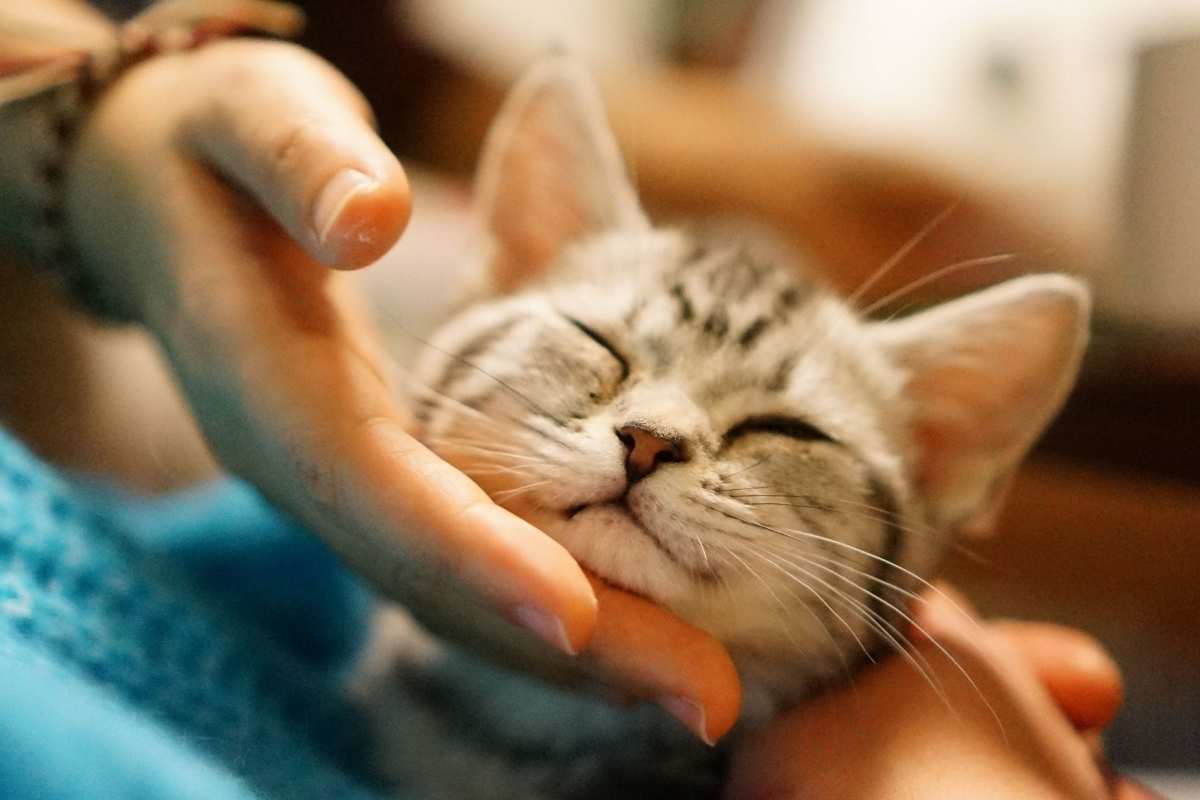
A cat that stops finishing meals, sleeps more than usual, or loses weight may seem to be going through a temporary change. Sometimes, however, these signs point to a medical condition that needs attention. Feline leukemia virus (FeLV) can weaken a cat’s immune system and cause serious health problems, even when the cat initially appears healthy.
For cat owners in Westerville, understanding FeLV can make decisions about testing and prevention easier. Below, our vets explain how the virus spreads, what symptoms to watch for, and how ongoing medical support can help cats living with an infection.
What Is Feline Leukemia Virus?
FeLV is a contagious virus that affects cats. It can interfere with immune function and blood cell production, increasing the risk of infections, anemia, and certain cancers, including lymphoma. Despite its name, not every FeLV-positive cat develops leukemia.
The infection does not progress the same way in every cat. Some cats control the virus and remain healthy for years. Others develop a progressive infection that causes complications. FeLV cannot spread to people or dogs, but it can spread between cats.
How Does Feline Leukemia Spread?
FeLV spreads mainly through close contact with an infected cat. Saliva is an important route of transmission, particularly during mutual grooming or repeated sharing of food and water bowls. Bite wounds can also spread the virus. Infected mothers may pass it to kittens before birth or through nursing.
Kittens are more susceptible than mature cats. Cats that roam outdoors or live with infected cats face greater exposure risks. The virus survives poorly outside the body, so ordinary household surfaces are less concerning than ongoing cat-to-cat contact.
What Are the Symptoms of FeLV in Cats?
Some infected cats have no noticeable symptoms for months or longer. When illness develops, signs may come and go, making it difficult to identify the underlying cause at home.
Loss of Appetite and Weight
An infected cat may eat smaller meals, leave favorite foods untouched, or gradually lose weight. Mouth inflammation or another associated illness may make eating painful.
Tiredness and Reduced Activity
A cat that previously enjoyed climbing or playing may begin hiding or resting for unusually long periods. Persistent weakness deserves attention, especially when accompanied by other changes.
Repeated Infections or Fever
FeLV can weaken immune defenses. Affected cats may experience recurrent respiratory infections, skin problems, or fevers that return after treatment.
Pale Gums and Oral Problems
Anemia may cause pale gums, weakness, or rapid breathing. Some cats also develop inflamed gums, mouth sores, drooling, or difficulty chewing.
Digestive Changes and Swollen Lymph Nodes
Recurring diarrhea, poor body condition, or enlarged lymph nodes may occur. These findings also appear with other illnesses, so symptoms alone cannot confirm FeLV.
Seek urgent veterinary attention if your cat collapses, struggles to breathe, or becomes severely weak. Even milder, persistent changes warrant an examination.
How Do Veterinarians Test for Feline Leukemia?
Diagnosis usually starts with a physical examination and a blood test that looks for FeLV antigen. Our vets consider your cat’s age, medical history, symptoms, and possible exposure when recommending testing.
A positive screening result may need confirmation or repeat testing. Additional laboratory methods, including PCR in some situations, can help clarify infection status. A cat tested very soon after exposure may initially test negative, so repeat testing may also be appropriate.
Testing is particularly important for newly adopted cats, kittens, cats with unexplained illness, and those exposed to an infected animal. Knowing the result helps guide medical decisions and protects other cats in the household.
Can Feline Leukemia Be Treated?
There is no established cure that reliably eliminates FeLV from an infected cat. However, treatment can address complications and improve comfort. The care plan depends on the cat’s symptoms, examination findings, and test results.
A cat with a bacterial infection may need appropriate medication. Another cat may need treatment for anemia, painful mouth disease, or a cancer associated with FeLV. Severe cases sometimes require hospitalization or a blood transfusion.
Not every FeLV-positive cat needs medication immediately. Cats without symptoms still benefit from scheduled examinations, weight checks, and bloodwork when recommended. Regular veterinary care can help detect new problems before they become more difficult to manage.
How Long Can Cats Live With FeLV?
An FeLV diagnosis does not predict exactly how long a cat will live. Some cats remain stable for years, while others develop complications sooner. The type of infection, immune response, and accompanying medical conditions all affect the outlook.
Instead of relying on one survival statistic, focus on your cat’s appetite, energy, comfort, and results from follow-up examinations. Our vets can help you adjust the care plan as those needs change.
How Can You Care for an FeLV-Positive Cat?
Daily routines make a meaningful difference when a cat is living with FeLV. Consider these precautions:
- Keep your cat indoors to limit exposure to infections and avoid transmitting FeLV to other cats.
- Feed a balanced commercial diet and avoid raw meat or unpasteurized dairy, which may carry harmful organisms.
- Monitor eating, weight, and behavior so you can report changes promptly.
- Keep bowls, bedding, and litter areas clean and provide quiet resting places.
- Arrange checkups at least every six months, or more often if your veterinarian recommends it.
FeLV-positive and FeLV-negative cats should generally be kept separated. If you have several cats, ask our vets how to manage introductions, testing, and household precautions.
How Can You Prevent Feline Leukemia?
Prevention begins by reducing contact with infected cats. Indoor living, supervised outdoor time, and testing new household cats help limit exposure.
Vaccinate Cats at Risk
FeLV vaccination is recommended for kittens and young cats under one year of age. Vaccination for older cats depends on their exposure risk. The vaccine reduces risk but does not provide complete protection, and cats should be tested before vaccination.
Test Before Introducing a New Cat
Cats with unknown FeLV status should be tested before joining a household with other cats. Keep newcomers apart until their health has been assessed, and ask whether repeat testing is needed.
Maintain Preventive Visits
At wellness appointments, our vets can review lifestyle changes, possible exposures, and vaccination needs. Routine veterinary care also provides an opportunity to identify subtle health problems early.
Help Your Cat Stay Healthier With the Right Support
Feline leukemia can be difficult to recognize early, but testing, prevention, and prompt attention to unusual symptoms give cat owners more ways to protect their pets. Cats with FeLV may also enjoy meaningful time with their families when medical complications are identified and managed.
If your cat has unexplained symptoms, may have encountered an infected cat, or needs a vaccination review, contact our veterinary practice in Westerville. Schedule an appointment with our vets today to discuss testing, preventive steps, and a care plan that fits your cat’s needs.
Frequently Asked Questions
Q1. Can indoor cats get feline leukemia?
Ans. Yes. A cat may have been infected before adoption or during an earlier encounter with an infected cat. Cats that have never had contact with other cats generally face a much lower risk.
Q2. Can humans catch FeLV from cats?
Ans. No. FeLV infects cats and does not spread to humans or dogs. It can, however, spread to other cats through close contact.
Q3. Does a positive FeLV test mean my cat is dying?
Ans. No. Some infected cats remain healthy for years. Follow-up testing and examinations help determine what the result means for your individual cat.
Q4. Where can I arrange FeLV testing in Westerville?
Ans. At WestVets Maxtown Veterinary Clinic, our vets can evaluate your cat’s health, discuss exposure risks, and recommend appropriate FeLV screening or follow-up tests.
Q5. Can my kitten receive FeLV prevention advice in Westerville?
Ans. Yes. WestVets Maxtown Veterinary Clinic can discuss kitten testing, vaccination timing, and ways to reduce exposure as your kitten grows.
Q6. Who can help monitor an FeLV-positive cat in Westerville?
Ans. Our team at WestVets Maxtown Veterinary Clinic can provide examinations, assess new symptoms, and recommend ongoing monitoring or treatment based on your cat’s condition.