7132 State Rt 3, Westerville Ohio 43082


A family craft afternoon may seem harmless to your dog or cat. Yet a dropped building block, loose ribbon, or bite of homemade dough can lead to choking, poisoning, or an intestinal blockage. Accidents often happen before anyone notices.
Knowing what to keep out of reach protects pets without interrupting family fun. Learn which items pose risks, what symptoms to watch for, and when to contact a veterinarian in Westerville.
Why Children’s Toys Can Be Dangerous for Pets
Toys made for children are not tested for how dogs and cats chew, pull, or swallow objects. A piece that is safe for a child to handle may become lodged in a pet’s throat or digestive tract. Hard edges can injure the mouth, while certain ingredients or batteries can damage internal tissues. The risk depends on the material and its size.
Building Blocks and Small Plastic Pieces
Miniature figures, puzzle pieces, doll accessories, and building blocks can be swallowed during play. Some become trapped in the stomach or intestines. Repeated vomiting, belly pain, and refusal to eat may indicate a blockage. Small objects are not automatically safe.
Button Batteries and Magnets
Battery-powered toys require particular attention. Chewing a battery may expose pets to irritating chemicals, and swallowed button batteries can cause serious internal burns. Swallowing multiple magnets, or a magnet alongside metal, can pinch intestinal tissue and lead to severe injuries. Suspected battery or magnet ingestion warrants immediate veterinary assessment, even if your pet acts normally.
Strings, Ribbons, and Stuffing
Cats may chase ribbons, yarn, and elastic cords; dogs sometimes chew fabric or pull stuffing from soft toys. Swallowed string can anchor inside the digestive tract and cause the intestines to bunch up. Fabric and stuffing can also obstruct the gut. If a string protrudes from your pet’s mouth or rectum, do not pull it. Call a veterinarian immediately.
Water Beads and Sensory Toys
Some sensory activities use tiny beads that expand after absorbing water. A swallowed bead can enlarge and obstruct the digestive tract. Loose sensory-toy components pose similar risks. Keep these activities behind a closed door and check the floor afterward for stray pieces.
Homemade Activities With Unexpected Risks
Salt Dough and Homemade Play Dough
Salt dough ornaments and craft projects often contain a large amount of salt. Eating even part of one can cause dangerous sodium poisoning, particularly in smaller pets. Warning signs include vomiting, excessive thirst, weakness, tremors, or seizures. Seek veterinary guidance immediately after suspected ingestion rather than waiting for symptoms.
Slime, Glue, and Paint
Homemade slime recipes vary. Some contain borate compounds, detergents, or other substances that can upset the stomach or cause more serious problems. Glue and paint risks vary by product. A label saying “non-toxic” for children does not mean the material is safe to swallow. Save the packaging or recipe so a veterinarian can identify the ingredients.
DIY Pet Toys and Treat Puzzles
Loose tape, string, fabric strips, or fasteners on homemade feeders and rope toys may detach when chewed. If a treat puzzle uses peanut butter, check that it contains no xylitol, a sweetener that is highly toxic to dogs. Supervise homemade activities and discard anything damaged.
Signs Your Pet May Have Swallowed Something Harmful
Not every accident is witnessed. Watch for repeated vomiting, drooling, trouble swallowing, poor appetite, belly pain, bloating, lethargy, or difficulty passing stool. Pawing at the mouth may indicate irritation or an object stuck near the teeth. These signs warrant veterinary attention.
Trouble breathing, collapse, seizures, or suspected ingestion of batteries or magnets requires immediate emergency care. Some hazards cause significant internal damage before obvious symptoms appear.
What to Do After a Toy or Craft Accident
If your pet swallowed something, remove the remaining material and call a veterinarian. Explain what was swallowed, approximately when it happened, and whether symptoms have started. Bring the packaging, recipe, or a matching object if available.
Do not induce vomiting unless a veterinary professional specifically instructs you to. Bringing an object back up can be dangerous in some situations. Do not give oils, bread, or home remedies. Do not pull on swallowed string or reach blindly into your pet’s throat.
Your veterinarian may recommend an immediate examination or direct you to an emergency hospital based on the suspected item and your pet’s condition. Early action matters.
How Our Veterinary Practice Can Help
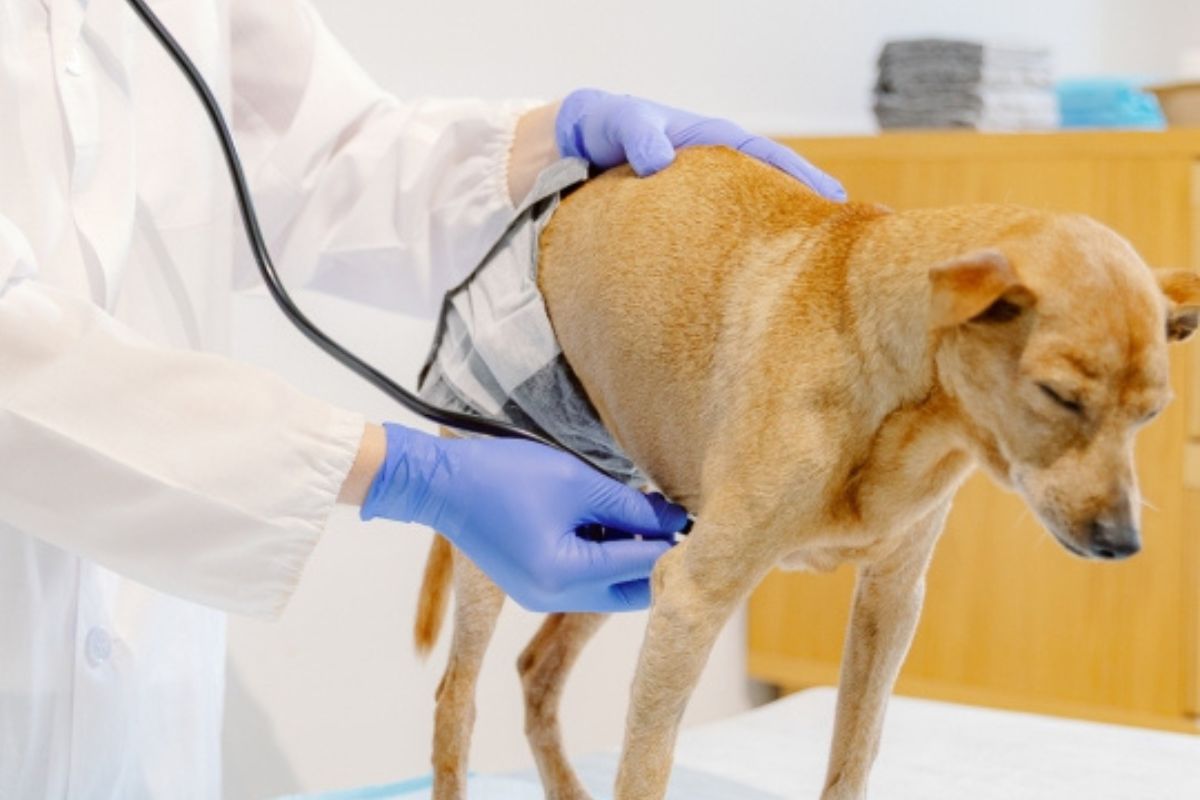
When families need pet urgent care, our vets begin by assessing symptoms and asking what happened. An examination may reveal pain, dehydration, or mouth injuries. Depending on the situation, diagnostic tests such as X-rays or bloodwork may help guide treatment. Some swallowed materials do not appear clearly on X-rays, so additional evaluation may be needed.
Our veterinary practice offers same-day urgent appointments for many time-sensitive concerns, subject to availability. Serious poisoning, breathing problems, or injuries requiring advanced treatment may need immediate referral to an emergency hospital. Calling first helps our team guide you toward the appropriate care.
Practical Ways to Keep Children and Pets Safe
Separate pets from activities involving small pieces and craft supplies. Store batteries, magnets, glue, and homemade dough in closed cabinets rather than low bins. Before allowing your pet back into the room, check beneath tables and furniture for dropped components.
Teach children to use animal-safe toys when playing with the family dog or cat. Supervise shared activities and remove anything a pet begins chewing or tearing apart. Inspect pet toys regularly, especially after vigorous play.
Keep your veterinarian’s number accessible. If an accident occurs, knowing where to seek pet urgent care can reduce delays. Prevention helps, but prompt action matters when an unexpected injury happens.
Protect Your Pet Before a Small Accident Becomes Serious
Children’s toys and homemade crafts can hide risks that are easy to overlook. Separating play supplies from pet areas, recognizing warning signs, and calling a veterinarian quickly can make a real difference.
If your dog or cat in Westerville has swallowed a toy, eaten craft materials, or developed sudden symptoms, contact our veterinary practice. Call WestVets Maxtown Veterinary Clinic at 614-890-7297 to discuss the situation and request an urgent appointment. Our team can help you determine the next step, including emergency care when necessary.
Frequently Asked Questions
Q1. Can a small toy cause an intestinal blockage in a dog?
Ans. Yes. Plastic figures, rubber pieces, and fabric can become lodged in the digestive tract. Vomiting, pain, or loss of appetite may follow, but symptoms can be delayed. Call your veterinarian if you suspect your dog swallowed an object.
Q2. Is homemade slime dangerous for cats?
Ans. It can be. The risk depends on the ingredients and how much your cat consumed. Some recipes can cause stomach irritation or more serious effects. Save the ingredient list and contact a veterinarian or animal poison control service for advice.
Q3. Should I make my pet vomit after it swallows a toy?
Ans. No, not unless a veterinarian tells you to. Vomiting may worsen injuries or create a choking hazard with certain objects. Get professional instructions before attempting any treatment at home.
Q4. Where can I take my dog after swallowing a toy in Westerville?
Ans. WestVets Maxtown Veterinary Clinic evaluates many urgent health concerns, including suspected swallowed objects. Our vets can assess symptoms and recommend appropriate testing or emergency referral. Call before visiting so our team can advise you.
Q5. Can I get help for craft-material exposure in Westerville?
Ans. Yes. WestVets Maxtown Veterinary Clinic can discuss your pet’s exposure and advise whether an urgent examination or emergency hospital visit is needed. Have the product name or homemade recipe available when you call.
Q6. Are same-day urgent appointments available for pets in Westerville?
Ans. WestVets Maxtown Veterinary Clinic offers same-day urgent appointments when available. Call to describe your pet’s condition. For breathing difficulty, seizures, or other life-threatening symptoms, seek emergency hospital care immediately.