7132 State Rt 3, Westerville Ohio 43082


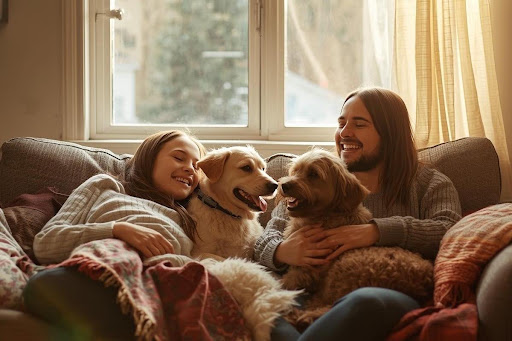
Large dogs are often associated with strength, athleticism, and plenty of energy. Yet many big breeds are also remarkably affectionate and enjoy staying close to their families. Some lean against their owners, rest their heads on laps, or simply follow their favorite people from room to room.
When choosing a large breed, however, affection is only one consideration. Prospective owners should also understand a breed’s exercise requirements, temperament, grooming needs, size, health considerations, and ability to fit into the household.
Here are eight large dog breeds known for forming strong bonds with their people and often enjoying plenty of affection.
What Makes a Large Dog Affectionate?
Affection can look different from one dog to another. Some dogs enjoy physical contact and will happily curl up beside their owners. Others show affection by following family members, bringing toys, leaning against them, or staying nearby.
Breed tendencies can influence temperament, but individual personality matters just as much. Early socialization, training, genetics, environment, and past experiences can all affect how a dog interacts with people.
A large breed that enjoys cuddling may still need substantial exercise, mental stimulation, training, and personal space.
1. Golden Retriever
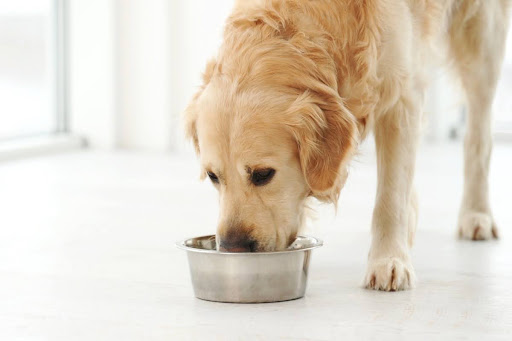
Golden Retrievers are among the most popular family dogs for good reason. They are generally social, people-oriented, and eager to participate in family activities.
Many Golden Retrievers enjoy physical affection and may happily settle beside their owners after exercise. Their friendly nature can make them appealing to households looking for a companion that enjoys being involved in everyday life.
What to Know
- Size: Large
- Temperament: Friendly, affectionate, social
- Exercise: Moderate to high
- Grooming: Regular brushing
- Best for: Active families and individuals
Golden Retrievers need daily physical activity and mental stimulation. Their friendly personality should not be mistaken for a lack of training needs. Consistent positive reinforcement can help them develop into well-mannered companions.
2. Labrador Retriever
Labrador Retrievers are energetic, outgoing, and strongly connected to their human families. Many Labs enjoy being close to their owners and may seek attention through leaning, sitting nearby, or bringing toys.
They tend to thrive when they have opportunities to participate in family activities.
What to Know
- Size: Large
- Temperament: Friendly, outgoing, playful
- Exercise: High
- Grooming: Moderate
- Best for: Active households
Labradors can remain playful well into adulthood, so owners should be prepared for plenty of exercise and training. A Labrador that receives adequate activity may be more comfortable relaxing with the family afterward.
3. Newfoundland
Newfoundlands are famously large dogs with gentle reputations. They are often described as calm, patient, and devoted to their families.
Despite their impressive size, many Newfoundlands enjoy close human companionship. Some may even attempt to sit or lean on their owners without realizing just how large they are.
What to Know
- Size: Giant
- Temperament: Gentle, patient, affectionate
- Exercise: Moderate
- Grooming: High
- Best for: Families prepared for a giant breed
Newfoundlands require considerable space and regular grooming. Their thick coats can also make them less comfortable in hot weather, so owners should provide appropriate temperature control and avoid strenuous exercise during excessive heat.
4. Great Dane
Great Danes are one of the classic examples of a gentle giant. Although they can tower over many other dogs, they often have a calm, people-oriented personality.
Many Great Danes enjoy staying close to their families and may lean against people or rest beside them.
What to Know
- Size: Giant
- Temperament: Gentle, social, affectionate
- Exercise: Moderate
- Grooming: Relatively low
- Best for: Owners prepared for a very large companion
Because of their size, Great Danes require appropriate nutrition, safe exercise, and careful attention to growth and musculoskeletal health. Owners should also provide sufficiently large beds, crates, collars, and other supplies.
5. Bernese Mountain Dog
Bernese Mountain Dogs are known for their striking appearance and affectionate personalities. Many form strong bonds with their families and prefer being involved in household activities rather than spending long periods alone.
They can be playful and energetic but often enjoy settling down with their people after exercise.
What to Know
- Size: Large
- Temperament: Affectionate, gentle, devoted
- Exercise: Moderate
- Grooming: High
- Best for: Families seeking a devoted companion
Their thick double coat requires regular brushing. Because they can be sensitive to heat, owners should also pay attention to temperature and provide a cool environment during warmer weather.
6. Mastiff
Mastiffs are enormous dogs with generally calm and devoted personalities. Many enjoy spending time with their families and may prefer relaxing nearby rather than constantly engaging in high-energy activities.
Their affectionate nature can be appealing to owners who want a calm companion with a substantial presence.
What to Know
- Size: Giant
- Temperament: Calm, loyal, affectionate
- Exercise: Moderate
- Grooming: Low to moderate
- Best for: Experienced owners prepared for a giant breed
Training and socialization are especially important for dogs of this size. A well-socialized Mastiff is easier to manage because even friendly behaviors can become challenging when a very large dog has not learned appropriate manners.
7. Irish Wolfhound
Irish Wolfhounds are among the tallest dog breeds, yet their personalities are often described as gentle and relatively calm.
Many enjoy staying near their owners and can form strong family bonds. They may appreciate affection while also being content to relax nearby.
What to Know
- Size: Giant
- Temperament: Gentle, friendly, dignified
- Exercise: Moderate
- Grooming: Moderate
- Best for: Owners with adequate space and time
Their size means owners need to consider everything from transportation to sleeping arrangements. Because giant breeds have unique growth and health considerations, appropriate nutrition and veterinary monitoring are important throughout their lives.
8. Standard Poodle
Standard Poodles may be best known for their elegant coats, but they are also intelligent, social, and highly connected to their families.
Many enjoy close interaction with their owners and can become deeply attached to the people they trust. Their intelligence also makes them responsive to training and mental stimulation.
What to Know
- Size: Large
- Temperament: Intelligent, social, affectionate
- Exercise: Moderate to high
- Grooming: High
- Best for: Active owners who enjoy training and interaction
Standard Poodles need regular grooming and benefit from activities that challenge them mentally. Without sufficient stimulation, their intelligence and energy can contribute to unwanted behaviors.
Are Large Dogs Good Cuddle Companions for Families?
Large affectionate dogs can make wonderful family companions, but owners should look beyond cuddling behavior when selecting a breed.
Consider:
- Available living space
- Daily exercise requirements
- Grooming commitments
- Training needs
- Typical breed health concerns
- Household members and their ages
- Other pets
- Time available for companionship
- Expected food and healthcare costs
A large dog may enjoy cuddling but still require hours of daily activity, training, and interaction.
Do Large Dogs Need More Exercise Than Smaller Dogs?
Not necessarily.
Exercise requirements depend on breed, age, health, energy level, and individual personality rather than size alone.
Some giant breeds are relatively calm, while certain medium-sized dogs can be extremely energetic.
Puppies also require special consideration. Growing large-breed dogs should not be pushed into excessive high-impact exercise because their developing bones and joints need appropriate support.
Your veterinarian can help establish an exercise routine that suits your dog’s age and physical condition.
How Can You Build a Strong Bond With a Large Dog?
A strong human-dog relationship develops through consistent, positive interactions.
Use Positive Training
Reward desired behaviors with appropriate treats, praise, toys, or other reinforcers. Positive training helps dogs understand what their owners expect while strengthening trust.
Provide Daily Interaction
Dogs are social animals. Regular play, walks, training sessions, and quiet time together can help build a relationship.
Respect Their Boundaries
Even affectionate dogs need opportunities to rest undisturbed. Teach children to recognize when a dog wants space.
Maintain a Consistent Routine
Predictable feeding, exercise, sleep, and training routines can help dogs feel secure.
Support Their Health
A dog that feels comfortable and healthy is more likely to participate in normal family activities. Routine wellness examinations, appropriate nutrition, dental hygiene, parasite prevention, and exercise all contribute to quality of life.
Do Affectionate Large Dogs Still Need Training?
Absolutely.
Affectionate behavior does not automatically mean a dog is easy to manage. A 20-pound dog jumping on someone can be inconvenient, but the same behavior from a 100-pound dog can be dangerous.
Large dogs should learn basic skills such as:
- Sit
- Stay
- Come
- Leave it
- Loose-leash walking
- Appropriate greetings
- Settling calmly
Early socialization and positive training can help large dogs interact safely with people and other animals.
Health Considerations for Large Dog Breeds
Large and giant breeds can have health considerations that differ from those of smaller dogs. Depending on the breed, these may include orthopedic conditions, heart problems, certain cancers, gastric dilatation-volvulus, and other concerns.
This does not mean every large dog will develop these conditions. However, prospective owners should research breed-specific risks and discuss preventive care with a veterinarian.
Maintaining an appropriate body condition is particularly important. Excess weight can place additional stress on joints and may contribute to other health problems.
Do Large Dogs Like Being Held?
Usually, large dogs are more comfortable being petted, sitting beside their owners, or leaning against them than being physically carried.
Because of their size, lifting a large dog can be unsafe for both the dog and the person. Let your dog choose comfortable ways to interact whenever possible.
If your dog suddenly avoids physical contact, do not assume they have simply become less affectionate. Pain or illness can sometimes cause a change in behavior.
What If My Dog Does Not Like Cuddling?
Not every dog enjoys close physical contact, even within breeds known for affection.
Some dogs prefer sitting beside their owners rather than being hugged. Others may show affection by following people, bringing toys, or checking in frequently.
Respecting an individual dog’s preferences can strengthen trust. Avoid forcing hugs or other physical contact, especially when a dog shows signs of discomfort.
When Should Changes in Affection Concern Owners?
A sudden change in behavior deserves attention.
If a normally affectionate dog suddenly avoids touch, withdraws from the family, becomes irritable, sleeps more than usual, stops playing, or shows reluctance to move, consider whether an underlying health issue could be involved.
Pain, dental problems, arthritis, illness, anxiety, and other conditions can affect behavior.
A veterinary evaluation can help determine whether the change is behavioral, medical, or a combination of factors.
Choosing the Right Large Dog for Your Lifestyle
The best breed is not necessarily the one that appears most affectionate. Consider whether the dog’s exercise level, grooming requirements, temperament, adult size, and health considerations fit your household.
Spend time with adult dogs of the breed when possible and speak with responsible breeders, rescue organizations, trainers, and veterinary professionals.
Remember that breed descriptions describe general tendencies, not guarantees. Every dog is an individual.
Large dogs can be wonderful companions for people who appreciate their affectionate personalities and are prepared for their unique needs. Golden Retrievers, Labrador Retrievers, Newfoundlands, Great Danes, Bernese Mountain Dogs, Mastiffs, Irish Wolfhounds, and Standard Poodles can all form strong bonds with their families, although individual personalities vary.
For families in Westerville, OH, supporting a large dog’s health requires attention to nutrition, exercise, dental hygiene, preventive care, behavior, and age-related changes. Contact WestVets Maxtown Veterinary Clinic for guidance on maintaining your dog’s health and creating a care plan suited to their individual needs.
FAQs:
Q1. What is the most affectionate large dog breed?
Ans: There is no single breed that is guaranteed to be the most affectionate. Golden Retrievers, Labrador Retrievers, Newfoundlands, Bernese Mountain Dogs, and Great Danes are commonly known for being people-oriented, but individual temperament varies considerably.
Q2. Do large dogs like to cuddle?
Ans: Many large dogs enjoy physical affection and staying close to their owners. However, some prefer sitting beside their people rather than being hugged or held. Owners should respect individual preferences and body language.
Q3. What is the best large dog breed for families?
Ans: The right breed depends on the family’s lifestyle, experience, available space, activity level, grooming preferences, and other factors. Golden Retrievers and Labrador Retrievers are popular family choices, while other breeds may suit households with different needs.
Q4. Are large dogs difficult to take care of?
Ans: Care requirements vary by breed. Large dogs generally require appropriate nutrition, exercise, training, preventive healthcare, and enough space for their size. Some breeds also require extensive grooming or have specific health considerations.
Q5. Do large dogs need special veterinary care?
Ans: Large and giant breeds can have breed-specific health considerations, including orthopedic and cardiovascular concerns. Regular wellness examinations allow veterinarians to monitor growth, weight, mobility, dental health, and other aspects of overall health.
Q6. Why has my affectionate dog suddenly stopped wanting to cuddle?
Ans: A sudden change in affection can sometimes indicate pain, illness, anxiety, or another underlying issue. If the change is persistent or occurs alongside appetite, mobility, energy, or behavior changes, contact your veterinarian for an evaluation.