7132 State Rt 3, Westerville Ohio 43082



Most pet owners focus on feeding their dogs and cats nutritious food, providing exercise, and scheduling regular wellness exams. However, one aspect of health that is often overlooked is dental hygiene. Unfortunately, failing to clean your pet’s teeth can lead to much more than bad breath; it can affect their overall health and quality of life.
Dental disease is one of the most common medical conditions seen in dogs and cats, and it often develops gradually without obvious symptoms. Learning how poor oral hygiene affects pets can help owners recognize problems early and prevent unnecessary discomfort. This guide is intended for pet owners everywhere, including families in Westerville, OH, who want to better understand the importance of maintaining their pet’s oral health.
Why Dental Health Matters
Your pet’s mouth is the gateway to the rest of the body. When plaque and bacteria accumulate on the teeth, they can harden into tartar. Over time, this buildup irritates the gums and creates an environment where harmful bacteria thrive.
If left untreated, dental disease doesn’t remain confined to the mouth. Bacteria can enter the bloodstream and potentially affect major organs, making oral health an important part of your pet’s overall wellness.
What Happens If You Never Clean Your Pet’s Teeth?
Neglecting dental hygiene can lead to several progressive health problems.
Plaque and Tartar Build Up
After eating, bacteria naturally collect on the surface of the teeth. Without regular brushing or professional cleanings, plaque hardens into tartar that cannot be removed with brushing alone.
Tartar creates rough surfaces that allow even more bacteria to accumulate, accelerating dental disease.
Gum Disease Develops
As bacteria continue to irritate the gums, inflammation develops. This early stage is known as gingivitis.
Signs may include:
- Red or swollen gums
- Bleeding while chewing
- Persistent bad breath
- Sensitivity around the mouth
At this stage, treatment can often prevent permanent damage.
Periodontal Disease Progresses
If gingivitis is ignored, infection spreads below the gumline and begins destroying the tissues and bone that support the teeth.
This advanced stage may result in:
- Loose teeth
- Tooth loss
- Pain while eating
- Difficulty chewing
- Gum recession
Periodontal disease is one of the leading causes of tooth loss in adult pets.
The Hidden Health Risks
Dental disease affects more than the mouth.
Chronic bacterial infections may contribute to complications involving:
- The heart
- The kidneys
- The liver
- The respiratory system
Although not every pet develops these complications, reducing chronic oral infections supports better long-term health.
Signs Your Pet May Have Dental Disease
Many pets continue eating despite significant dental pain, making problems easy to miss.
Watch for:
- Bad breath
- Yellow or brown tartar on the teeth
- Drooling more than usual
- Pawing at the mouth
- Difficulty eating hard food
- Bleeding gums
- Loose or broken teeth
- Facial swelling
- Reduced interest in toys or chewing
If you notice any of these symptoms, it’s important to have your pet evaluated before the condition worsens.
How Often Should Teeth Be Cleaned?
Daily brushing remains the gold standard for maintaining oral health.
Additional preventive measures include:
- Veterinary-approved dental chews
- Dental diets recommended by your veterinarian
- Water additives when appropriate
- Routine oral examinations
- Professional dental cleanings when needed
Every pet has different needs based on age, breed, and overall health, so personalized recommendations are important.
Professional Dental Cleanings
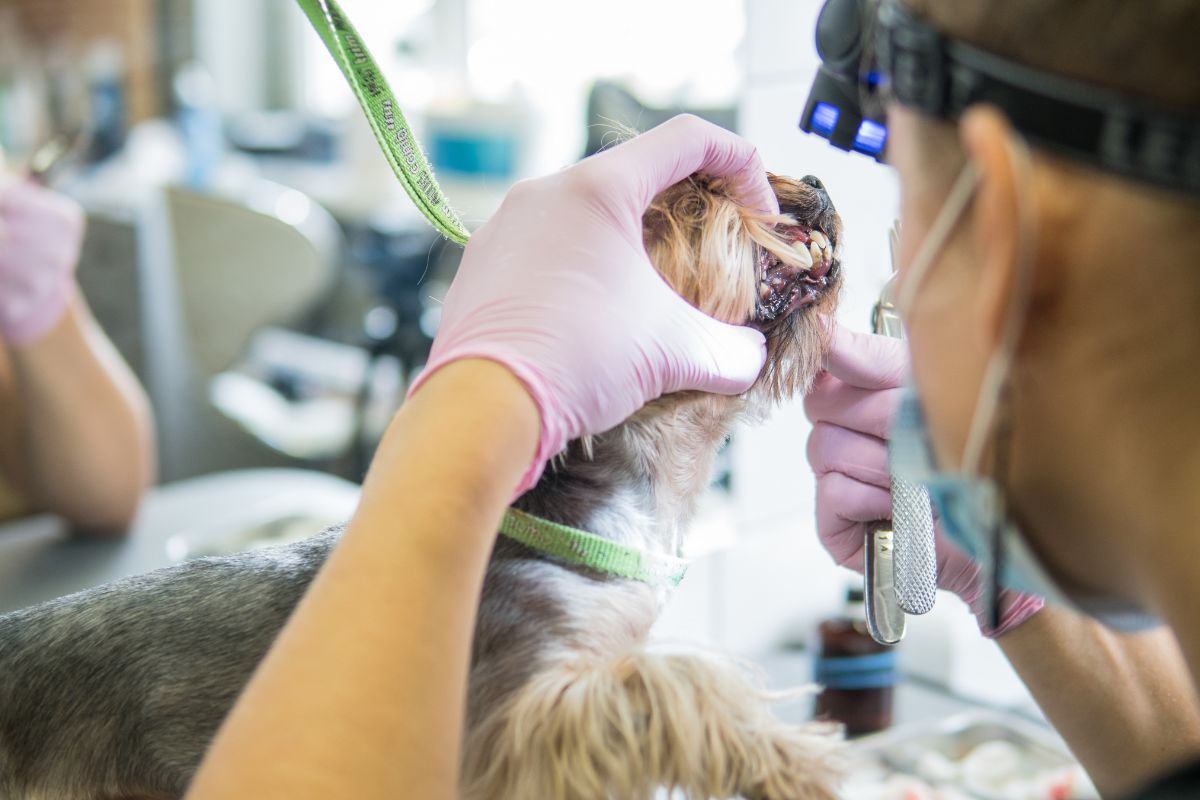
Even with consistent home brushing, some pets eventually require professional cleanings.
These procedures typically include:
- A complete oral examination
- Dental X-rays when indicated
- Removal of plaque and tartar above and below the gumline
- Polishing the teeth
- Assessment for damaged or infected teeth
Professional pet dental care helps detect hidden problems before they become severe and supports long-term oral health.
Can Dental Disease Be Prevented?
Although dental disease is extremely common, much of it is preventable with consistent care.
Helpful habits include:
- Begin brushing while pets are young.
- Use toothpaste specifically formulated for pets.
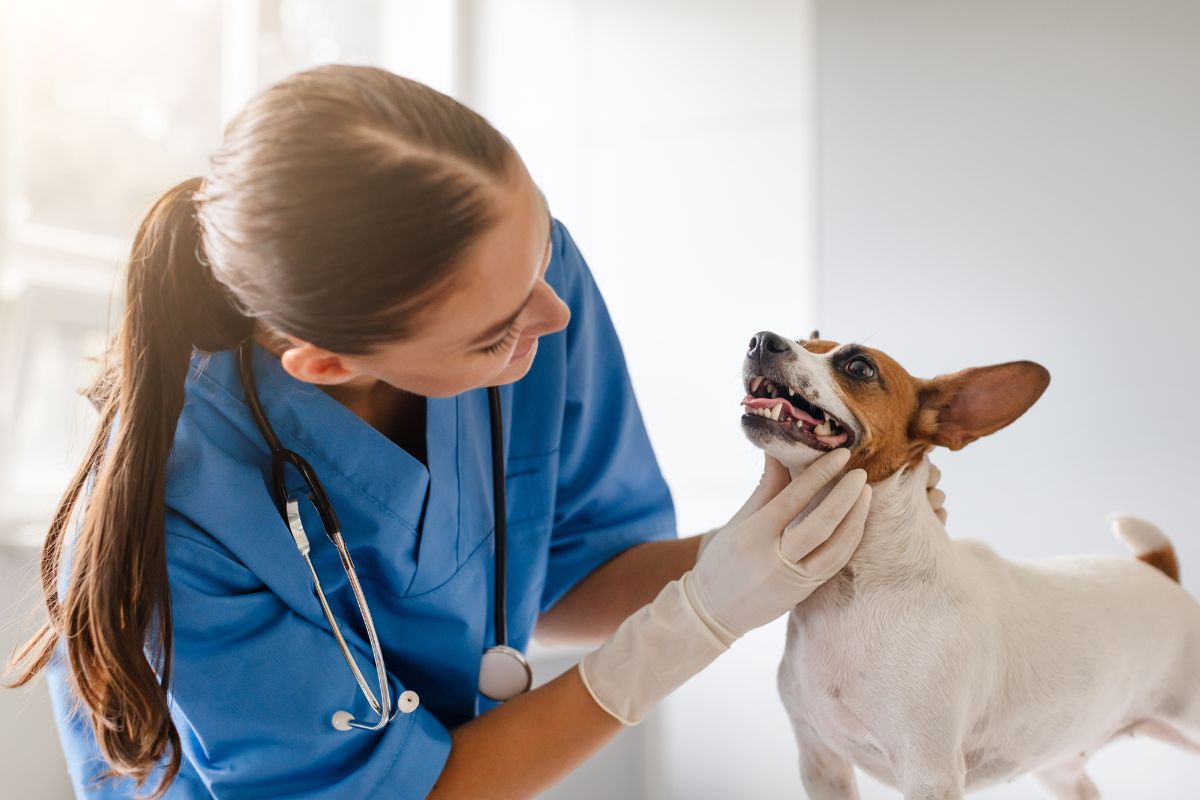
- Schedule regular veterinary wellness exams.
- Provide dental-friendly treats approved by your veterinarian.
- Monitor for changes in eating habits or breath odor.
Consistent pet dental care is one of the most effective ways to reduce the risk of painful dental disease and preserve your pet’s overall health.
Why Early Prevention Makes a Difference
Dental disease rarely improves on its own. Instead, it gradually worsens over time, often without obvious symptoms, until significant damage has occurred.
Routine oral health assessments allow veterinarians to identify concerns before they become painful, expensive, or require tooth extractions. Preventive care also helps pets remain comfortable, eat normally, and maintain a better quality of life throughout every stage of life.
Healthy teeth and gums play an important role in your pet’s comfort, nutrition, and overall well-being. Regular home care, routine veterinary examinations, and timely dental treatment can help prevent painful oral disease and reduce the risk of more serious health complications. Pet owners in Westerville, Lewis Center, Galena, Sunbury, New Albany, and the surrounding area can benefit from staying proactive about dental health, but these recommendations apply to pets everywhere.
If you’re in the area and need guidance from a vet near you about your pet’s oral health, schedule your appointment with WestVets Maxtown Veterinary Clinic. Our team can assess your pet’s dental health, recommend preventive care, and provide personalized treatment to help keep your companion healthy for years to come.
FAQs
Q1. How often should I brush my pet’s teeth?
Ans. Daily brushing is ideal, but brushing several times each week is far better than not brushing at all.
Q2. Can bad breath indicate dental disease?
Ans. Yes. Persistent bad breath is one of the earliest signs of plaque buildup or periodontal disease.
Q3. Are dental treats enough to keep teeth clean?
Ans. Dental treats can help reduce plaque, but they should not replace brushing or professional veterinary evaluations.
Q4. At what age should dental care begin?
Ans. Dental care should begin as early as possible, ideally during puppyhood or kittenhood, to establish healthy habits.
Q5. Does every pet need professional dental cleanings?
Ans. Not every pet requires cleanings at the same frequency, but many benefit from periodic professional evaluations and cleanings based on their oral health.
Q6. Can untreated dental disease affect my pet’s overall health?
Ans. Yes. Severe dental disease may contribute to infections and can negatively affect several body systems if left untreated.