7132 State Rt 3, Westerville Ohio 43082


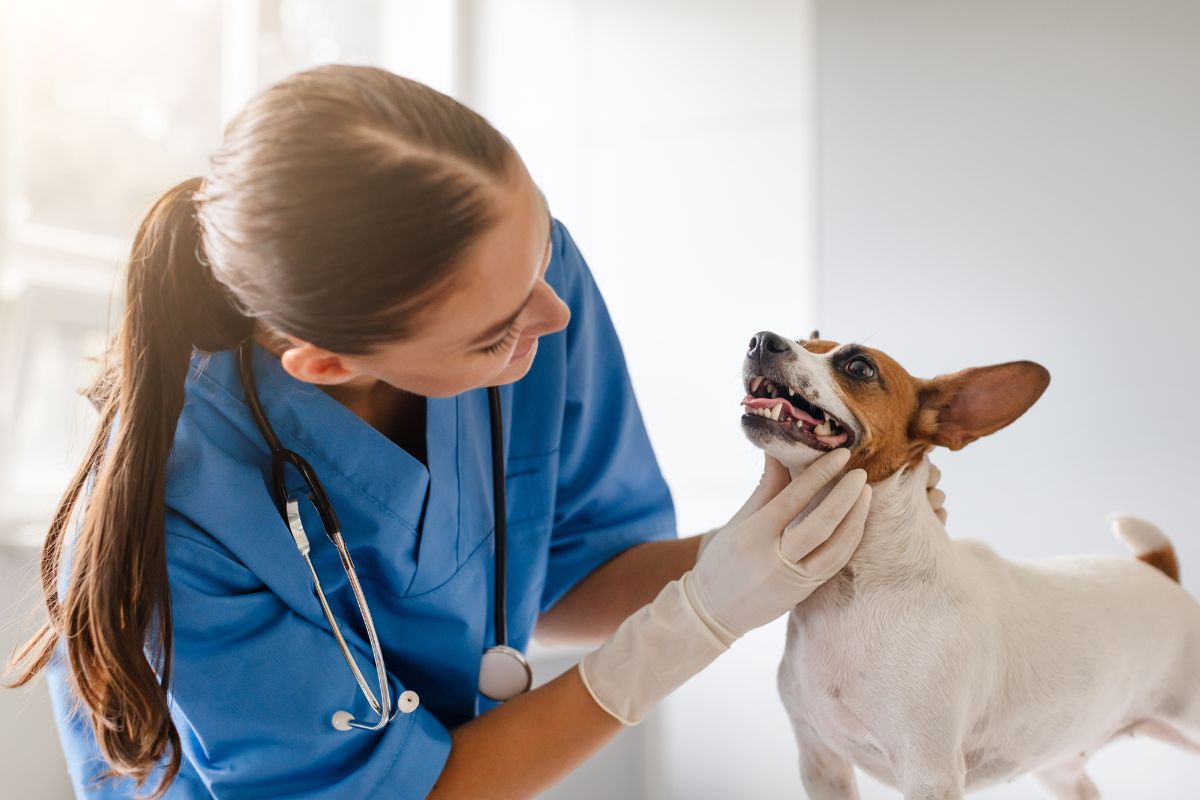
Have you noticed your dog chewing food on only one side of its mouth? Although this behavior can seem minor, it may indicate that chewing on the other side is uncomfortable or painful. Dogs can be surprisingly good at hiding oral pain, so changes in the way they eat may be one of the first clues that something is wrong.
At WestVets Maxtown Veterinary Clinic, understanding subtle changes in eating behavior is an important part of dog dental care. One-sided chewing can be associated with problems such as periodontal disease, a fractured tooth, an abscess, or inflammation around the gums. Identifying the cause early can help prevent discomfort from becoming a more serious oral health problem.
Why Do Dogs Chew on One Side of Their Mouth?
When a dog consistently favors one side, it may be trying to avoid pressure on a painful tooth or irritated area. Several dental conditions can produce this behavior.
Periodontal Disease
Periodontal disease develops when plaque and bacteria affect the tissues supporting the teeth. As the condition progresses, inflammation can become painful and may affect the structures beneath the gumline.
Some dogs continue eating despite oral discomfort, making changes such as one-sided chewing, slower eating, dropping food, or avoiding hard treats particularly important to notice.
Broken or Fractured Teeth
Dogs that chew hard objects can fracture their teeth. A damaged tooth may become sensitive, especially when pressure is applied during chewing. Depending on the location and severity of the fracture, the tooth may require veterinary treatment.
Watch for other signs such as avoiding hard food or toys, drooling, pawing at the mouth, or resisting facial touch.
Tooth Root Abscess
An infected tooth root can be extremely painful. Dogs may respond by chewing away from the affected area. Facial swelling, bad breath, difficulty eating, or rubbing the face may also occur.
A tooth root problem may not always be obvious when looking at the visible portion of the tooth. Veterinary examination and appropriate dental imaging may be needed to identify disease below the gumline.
Inflamed or Bleeding Gums
Red, swollen, or bleeding gums can make chewing uncomfortable. Gingivitis is an early stage of periodontal disease and can progress when the underlying plaque and inflammation are not addressed.
Something Stuck in the Mouth
A foreign object, food material, or other debris can become lodged around the teeth or gums and cause localized irritation. If your dog suddenly begins chewing differently, a veterinary oral examination can help determine whether something is trapped or whether another problem is present.
Other Signs of Dental Pain in Dogs
One-sided chewing may occur along with other subtle changes. Contact your veterinarian if you notice:
- Dropping food while eating
- Difficulty chewing or eating slowly
- Excessive drooling
- Bad breath
- Pawing at the mouth
- Red, swollen, or bleeding gums
- Avoiding hard treats or toys
- Loose, broken, or discolored teeth
- Facial swelling
- Reluctance to have the face touched
- Reduced appetite or a preference for softer food
Dogs do not always show obvious signs of pain, even when dental disease is present.
Should You Wait and See If It Improves?
Occasional changes in chewing may not always indicate a serious dental problem. However, persistent one-sided chewing should not be ignored, particularly when it occurs with other changes in eating behavior.
Avoid trying to diagnose or treat a painful tooth at home. Do not attempt to pull a loose tooth or scrape tartar from your dog’s teeth with household tools. Hard objects can also contribute to tooth fractures, so discuss appropriate chew options with your veterinarian.
A veterinary examination can help determine whether the problem involves the gums, a particular tooth, the tissues around the tooth, or another oral structure.
How Can Dental Problems Be Diagnosed?
A veterinarian may begin with a physical examination and an assessment of your dog’s mouth. Depending on the findings, a more detailed dental evaluation may be recommended.
Dental problems can exist below the gumline, where they cannot be fully evaluated through a simple visual inspection. Dental X-rays can help reveal changes involving tooth roots and surrounding structures that may otherwise remain hidden.
Treatment depends on the underlying condition. It may include professional cleaning, treatment of periodontal disease, management of a fractured tooth, extraction, or other appropriate dental procedures.
How Can You Support Your Dog’s Oral Health?
Regular veterinary examinations are an important part of maintaining oral health. At home, consistent tooth brushing with products designed specifically for dogs can help control plaque. Introduce brushing gradually and make the experience positive rather than forcing your dog to accept it.
Also pay attention to changes in eating, chewing, breath, drooling, and play behavior. These everyday observations can provide useful information during veterinary visits.
One-sided chewing is a behavior worth paying attention to, especially when it is new or persistent. Dental disease, fractured teeth, gum inflammation, and tooth-root problems can all affect the way a dog eats. Recognizing these changes early and arranging an oral examination can help protect your dog’s comfort and overall health.
For pet owners in Westerville, OH who need professional dog dental care, contact WestVets Maxtown Veterinary Clinic to discuss your dog’s oral health and determine whether a dental examination is appropriate.
Frequently Asked Questions
Q1. Why is my dog suddenly chewing on one side of its mouth?
Ans: Sudden one-sided chewing may indicate dental discomfort caused by a fractured tooth, periodontal disease, inflamed gums, an abscess, or another oral problem. A veterinary examination can help identify the cause.
Q2. Is chewing on one side always a sign of dental pain?
Ans: Not always, but persistent one-sided chewing should be taken seriously. Dogs may change how they chew to avoid putting pressure on an uncomfortable area.
Q3. What other signs can indicate dental pain in dogs?
Ans: Dropping food, bad breath, excessive drooling, pawing at the mouth, avoiding hard treats, swollen gums, facial swelling, or reluctance to have the face touched can accompany oral discomfort.
Q4. Can a dog have a painful tooth without obvious symptoms?
Ans: Yes. Dogs can hide signs of oral pain, and some dental problems develop beneath the gumline. Regular veterinary examinations can help identify problems that may not be obvious at home.
Q5. Does my dog need dental X-rays?
Ans: Dental X-rays may be recommended when a veterinarian needs to evaluate tooth roots or structures below the gumline. The need depends on your dog’s examination findings and individual dental health.
Q6. When should I take my dog to a veterinarian for one-sided chewing?
Ans: Schedule a veterinary examination if the behavior persists, returns frequently, or occurs with difficulty eating, drooling, swelling, bleeding, bad breath, or other signs of discomfort. Prompt evaluation can help identify the underlying problem before it progresses.