7132 State Rt 3, Westerville Ohio 43082


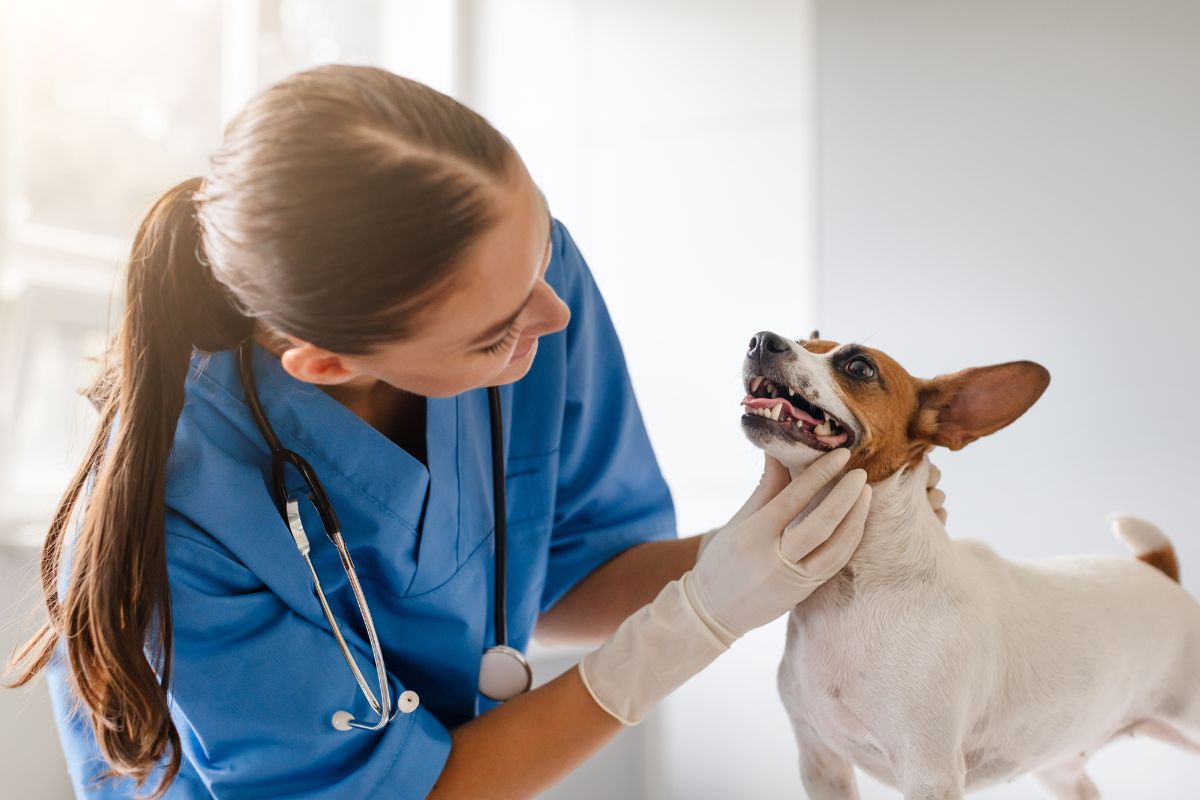
A damaged, loose, or painful tooth can make eating uncomfortable for your dog. However, it is not always obvious when a tooth needs to be removed. Some dogs continue eating normally even when they have significant oral disease, while others may show subtle changes such as chewing differently, dropping food, or avoiding hard treats.
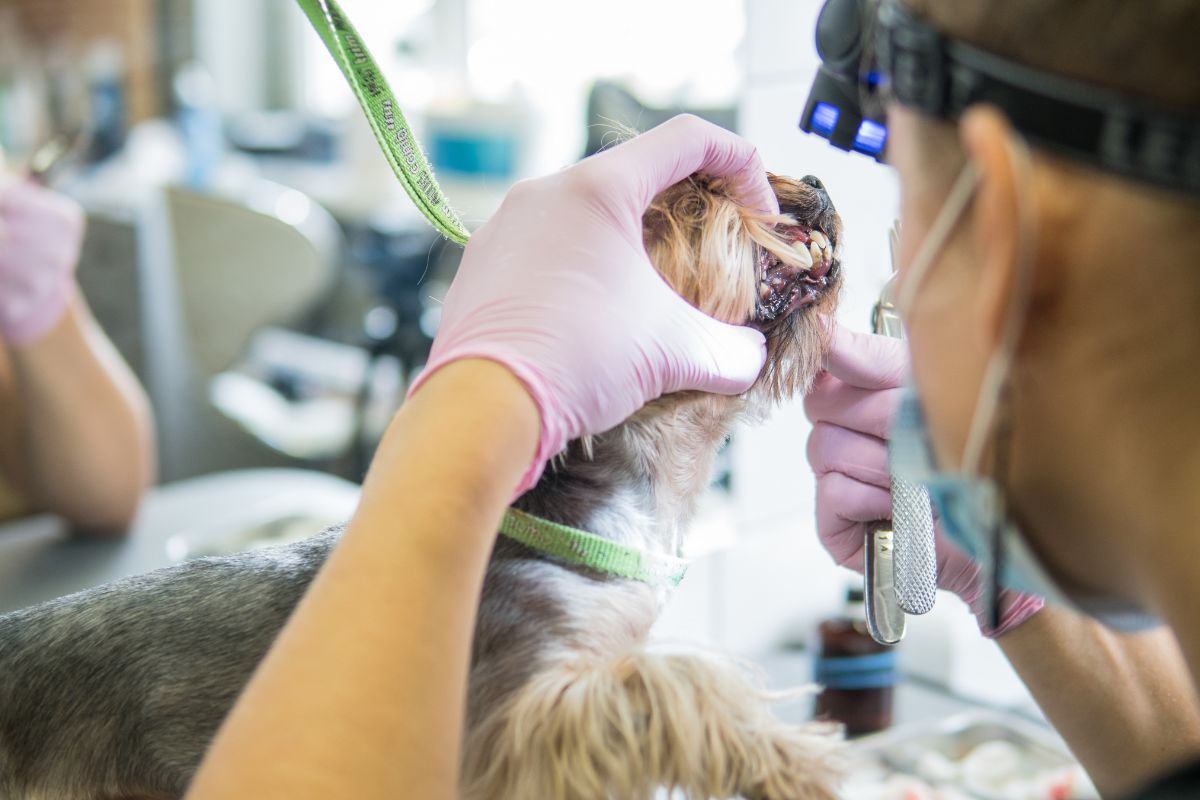
At WestVets Maxtown Veterinary Clinic, pet dentistry focuses on identifying the cause of oral problems and determining the appropriate treatment for each dog. Tooth extraction may be recommended when a tooth is severely damaged, infected, loose, or affected by advanced dental disease and cannot be predictably preserved.
Signs Your Dog May Need a Tooth Removed
A tooth extraction is not automatically necessary whenever a dog has a dental problem. A veterinarian evaluates the tooth and surrounding tissues before recommending treatment. Certain signs, however, can indicate that a tooth needs professional attention.
A Broken or Fractured Tooth
Dogs can fracture teeth while chewing on hard objects or during other activities. A fracture that exposes the inner structures of a tooth can cause significant discomfort and may allow bacteria to reach the pulp.
Depending on the location and extent of the fracture, treatment may involve extraction or another dental procedure designed to preserve the tooth. A veterinary examination is necessary to determine which approach is appropriate.
A Loose or Mobile Tooth
Adult dogs should not normally have loose permanent teeth. Mobility can occur when the structures supporting a tooth have been damaged by advanced periodontal disease or trauma.
A loose tooth may be painful and can interfere with normal chewing. If the supporting bone and tissues are severely compromised, extraction may be recommended.
Advanced Periodontal Disease
Periodontal disease affects the gums and structures that support the teeth. As the disease progresses, attachment around affected teeth can deteriorate.
A tooth with severe loss of supporting tissue may no longer be stable or comfortable. In these cases, removing the affected tooth can eliminate a source of chronic oral discomfort and infection.
Signs of a Tooth Root Infection
An infected tooth can develop when bacteria reach the inner portion of the tooth. Dogs may show bad breath, facial swelling, difficulty chewing, decreased appetite, or sensitivity around the mouth.
Some tooth-root problems are not visible from the outside. Dental X-rays can help veterinarians evaluate the roots and surrounding bone when an infection or other hidden problem is suspected.
A Tooth Is Causing Persistent Pain
Dogs do not always cry or stop eating when they have dental pain. Instead, they may chew on one side, drop food, avoid toys, lick their lips, drool more than usual, or resist having their face touched.
Persistent changes in eating or chewing behavior should be evaluated rather than assuming the problem will resolve on its own.
How Does a Veterinarian Decide If a Tooth Needs to Be Removed?
The decision to extract a tooth depends on its condition and the health of the tissues supporting it. A veterinarian may assess:
- The appearance and stability of the tooth
- Gum inflammation and periodontal disease
- Evidence of a fracture
- Signs of infection
- The amount of supporting bone remaining
- Changes around the tooth root
- Your dog’s overall health and symptoms
Dental X-rays can provide information that cannot be obtained from looking at the visible tooth alone. They can help identify problems involving tooth roots, surrounding bone, and other structures below the gumline.
The goal is not simply to remove a damaged tooth. The veterinarian determines whether the tooth can be predictably treated and maintained or whether extraction provides a more appropriate solution.
Can a Dog’s Tooth Always Be Saved?
No. Some damaged teeth may be treatable, while others may have extensive structural or periodontal damage.
For example, certain complicated tooth fractures may require specialized treatment rather than immediate extraction. In other situations, advanced periodontal disease or severe damage may make preservation impractical.
This is why a professional dental evaluation is important before deciding what should happen to an affected tooth.
What Happens During a Dog Tooth Extraction?
If extraction is recommended, the procedure is performed under appropriate veterinary anesthesia. The veterinarian carefully evaluates the affected tooth and surrounding structures and removes the tooth using techniques appropriate for its size, location, and condition.
Some teeth have multiple roots or are firmly attached to the surrounding bone, so extraction can require careful surgical techniques. Dental X-rays may also be used to evaluate the tooth before or after extraction.
Afterward, your veterinarian will provide instructions for feeding, medication, oral care, and activity based on your dog’s individual procedure.
What Should You Do If You Suspect a Dental Problem?
Do not try to pull a loose tooth or remove a damaged tooth at home. Attempting to manipulate an affected tooth can cause additional injury and may leave parts of the tooth or root behind.
Instead, arrange a veterinary examination, particularly if your dog has facial swelling, bleeding, significant difficulty eating, excessive drooling, or obvious discomfort.
Routine oral examinations can also help identify dental disease before it becomes advanced. Regular professional evaluations are an important part of pet dentistry, especially for dogs with previous dental problems or risk factors for oral disease.
A loose, broken, infected, or severely diseased tooth does not necessarily mean the same treatment is appropriate for every dog. A veterinarian considers the condition of the tooth, surrounding tissues, symptoms, and dental imaging before determining whether extraction or another treatment is appropriate.
If you are in Westerville, OH, and are concerned about your dog’s teeth, schedule your appointment with WestVets Maxtown Veterinary Clinic for an evaluation and personalized guidance about your dog’s oral health.
Frequently Asked Questions
Q1. How can I tell if my dog has a tooth that needs to be removed?
Ans: Signs can include a loose tooth, broken tooth, persistent bad breath, difficulty chewing, dropping food, facial swelling, excessive drooling, or changes in eating behavior. Only a veterinary examination can determine whether extraction is necessary.
Q2. Can a broken dog tooth heal on its own?
Ans: A fractured tooth does not simply repair itself. The appropriate treatment depends on how deeply the tooth is damaged and whether the pulp or surrounding structures are affected. A veterinarian can determine whether the tooth can be treated or needs extraction.
Q3. Is it normal for an adult dog’s tooth to be loose?
Ans: No. Loose permanent teeth can indicate periodontal disease, trauma, or damage to the structures supporting the tooth. A loose adult tooth should be examined by a veterinarian.
Q4. Will my dog still be able to eat after a tooth is removed?
Ans: Most dogs can adapt well after appropriate dental treatment. Your veterinarian will provide feeding instructions during recovery and may recommend softer food temporarily, depending on the procedure.
Q5. Are dental X-rays necessary before a dog tooth extraction?
Ans: Dental X-rays may be recommended because important problems can occur below the gumline. Imaging can help evaluate tooth roots and surrounding bone and assist the veterinarian in planning treatment.
Q6. When should I have my dog’s teeth checked?
Ans: Arrange an examination if you notice chewing changes, loose or broken teeth, bad breath, bleeding gums, facial swelling, drooling, or difficulty eating. Regular veterinary oral examinations can also help detect dental disease before noticeable symptoms develop.