7132 State Rt 3, Westerville Ohio 43082



Many pet owners want an easy way to improve their dog’s dental health, and dental treats often seem like the perfect solution. However, not all dental treats are created equal. Some products are backed by veterinary research and designed to reduce plaque and tartar buildup, while others function more as snacks than oral health tools.
In this guide, we’ll explore vet-approved dental treat brands that actually reduce plaque, explain what to look for when shopping, and discuss how dental treats fit into a complete oral care routine. While treats can help support healthy teeth and gums, they’re most effective when combined with regular dental care and veterinary checkups.
Why Dental Health Matters for Dogs
Dental disease is one of the most common health problems seen in dogs. In fact, many dogs begin showing signs of periodontal disease by the age of three.
When plaque isn’t removed regularly, it can harden into tartar and lead to:
- Bad breath
- Gum inflammation
- Painful infections
- Tooth loss
- Difficulty eating
- Potential impacts on overall health
Maintaining good oral hygiene helps protect your dog’s comfort and long-term well-being.
Do Dental Treats Really Reduce Plaque?
The short answer is yes – but only certain products.
Effective dental treats are designed to create a gentle abrasive action as dogs chew. This mechanical cleaning can help reduce plaque accumulation on tooth surfaces.
However, dental treats should be viewed as a supplement to oral care rather than a replacement for brushing or professional dental services.
The best products are typically recommended by veterinarians and supported by scientific testing.
What to Look for in a Dental Treat
Before choosing a product, consider the following factors.
Veterinary Recommendations
Look for treats commonly recommended by veterinary professionals.
Products backed by research are more likely to deliver measurable oral health benefits.
Appropriate Size
Dental treats should match your dog’s size and chewing style.
A treat that’s too small may become a choking hazard, while one that’s too large may be difficult for your dog to chew effectively.
Plaque and Tartar Reduction Claims
Choose products specifically formulated to:
- Reduce plaque buildup
- Minimize tartar accumulation
- Support gum health
- Freshen breath
Quality Ingredients
Look for high-quality ingredients and avoid products with excessive fillers or unnecessary additives.
Vet-Approved Dental Treat Brands That Actually Reduce Plaque
Greenies Dental Treats
Greenies are among the most widely recognized dental treats available.
Benefits include:
- Textured design that helps clean teeth
- Multiple size options
- Daily-use formulas
- Breath-freshening properties
Many veterinarians recommend Greenies as part of a broader dental care routine.
OraVet Dental Hygiene Chews
OraVet chews contain ingredients designed to create a protective barrier on teeth after chewing.
Potential benefits include:
- Plaque reduction
- Tartar control
- Fresh breath support
- Long-lasting oral health benefits
These chews are often recommended for dogs prone to plaque accumulation.
Purina DentaLife Dental Chews
Purina DentaLife treats feature a porous texture intended to reach difficult areas of the mouth.
Advantages include:
- Flexible design
- Plaque reduction support
- Variety of size options
- Daily use convenience
Many dogs find them highly palatable.
Hill’s Prescription Diet Dental Chews
Hill’s offers dental products developed with veterinary input.
These treats are designed to:
- Promote oral hygiene
- Reduce plaque buildup
- Support overall dental health
Your veterinarian can help determine whether they’re appropriate for your pet.
Virbac C.E.T. VeggieDent Chews
VeggieDent chews are frequently recommended in veterinary practices.
Benefits may include:
- Plaque reduction
- Breath improvement
- Easy digestibility
- Multiple size options
Many dogs enjoy their texture and flavor.
Are Dental Treats Enough on Their Own?
While dental treats can be helpful, they shouldn’t be your dog’s only source of dental care.
The most effective oral health routine typically includes:
- Tooth brushing
- Dental treats
- Professional evaluations
- Routine dental cleanings
- Veterinary wellness exams
Combining multiple preventive strategies provides the greatest protection against periodontal disease.
The Gold Standard: Brushing Your Dog’s Teeth
Even the best dental treatment cannot fully replace brushing.
Regular brushing helps:
- Remove plaque before it hardens
- Reduce bacterial buildup
- Support gum health
- Prevent dental disease progression
Daily brushing is ideal, but even a few sessions each week can provide meaningful benefits.
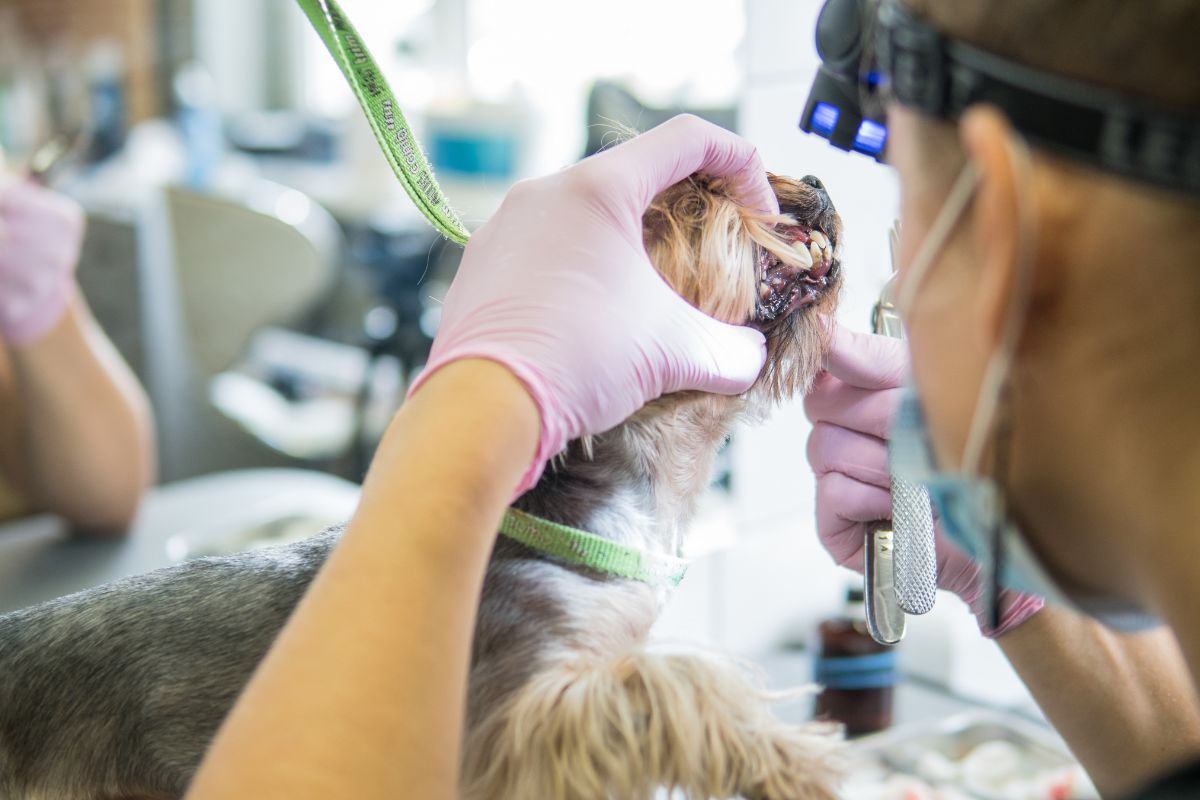
The Role of Professional Pet Dental Care
Some plaque and tartar buildup occurs below the gumline, where brushing and treatments cannot reach.
Professional pet dental care allows veterinarians to:
- Assess oral health
- Remove hardened tartar
- Evaluate gum health
- Identify hidden dental disease
- Address painful dental conditions
Routine dental evaluations play an important role in maintaining your dog’s overall health.
Why Regular Visits to a Veterinary Hospital Matter
Dental disease often progresses quietly, making routine veterinary care especially important.
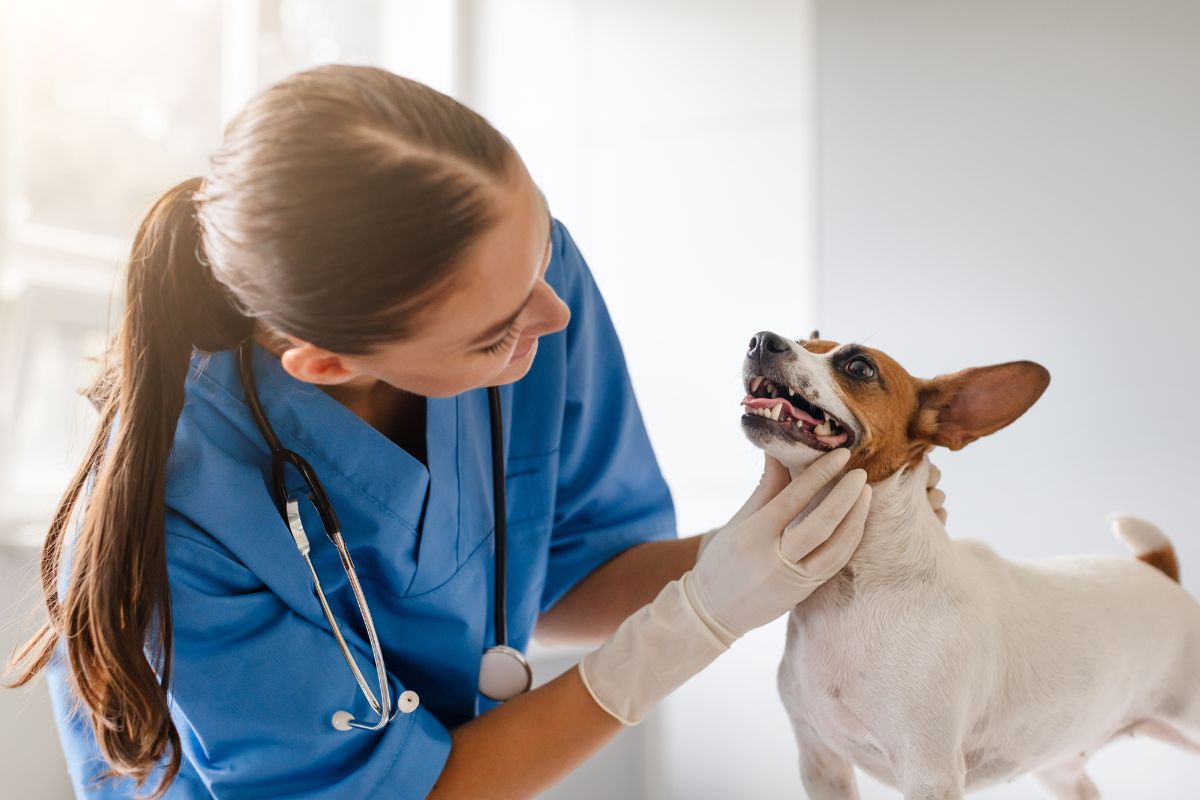
Regular visits to a veterinary hospital allow veterinarians to monitor your dog’s oral health, identify plaque and tartar buildup early, and recommend personalized preventive care strategies. These wellness visits also help detect dental issues before they become painful or require more extensive treatment.
Signs Your Dog May Need a Dental Evaluation
Even if your dog receives dental treats regularly, schedule a veterinary visit if you notice:
- Persistent bad breath
- Red or swollen gums
- Difficulty chewing
- Drooling excessively
- Loose teeth
- Bleeding from the mouth
- Reduced appetite
These symptoms may indicate developing dental disease that requires professional attention.
Dental Health Tips for Dog Owners
Pet owners are increasingly focused on preventive healthcare, and dental wellness should be part of that effort.
Simple habits that can make a big difference include:
- Providing daily dental chews
- Brushing teeth regularly
- Scheduling routine wellness exams
- Monitoring for signs of oral discomfort
- Following your veterinarian’s recommendations
A proactive approach often helps prevent more serious dental issues later in life.
How to Choose the Right Dental Treatment for Your Dog
Every dog has unique needs.
Factors to consider include:
- Age
- Breed
- Size
- Existing dental health
- Chewing habits
- Dietary restrictions
Your veterinarian can recommend products that align with your dog’s individual health goals.
Conclusion
When it comes to vet-approved dental treat brands that actually reduce plaque, products such as Greenies, OraVet, Purina DentaLife, Hill’s Dental Chews, and Virbac C.E.T. VeggieDent are commonly recommended options. While dental treats can help support oral health, they work best when combined with brushing, regular wellness exams, and professional dental care.
If you have questions about your dog’s dental health or would like to schedule a dental evaluation, book an appointment with WestVets Maxtown Veterinary Clinic today. Our team can help create a personalized dental care plan to keep your dog’s teeth and gums healthy for years to come.
FAQs
Q1: Do dental treats really reduce plaque in dogs?
Ans. Yes. Certain veterinary-recommended dental treats are designed to help reduce plaque buildup through mechanical chewing action and specialized formulations.
Q2: What are the best vet-approved dental treats for dogs?
Ans. Popular veterinarian-recommended options include Greenies, OraVet Dental Hygiene Chews, Purina DentaLife, Hill’s Dental Chews, and Virbac C.E.T. VeggieDent.
Q3: Can dental treats replace brushing my dog’s teeth?
Ans. No. Dental treats help support oral health but do not replace regular tooth brushing, which remains one of the most effective ways to reduce plaque.
Q4: How often should dogs receive dental treats?
Ans. Many products are designed for daily use, but always follow the manufacturer’s guidelines and your veterinarian’s recommendations.
Q5: When should my dog have a professional dental cleaning?
Ans. The timing depends on your dog’s age, breed, and oral health status. Your veterinarian can recommend an appropriate dental care schedule during routine wellness visits.