7132 State Rt 3, Westerville Ohio 43082



Many pet owners want to support their dog’s dental health naturally, and raw bones are often promoted as a way to clean teeth and reduce plaque. While some believe chewing raw bones provides significant oral health benefits, others worry about the potential risks. With so much conflicting information available, it can be difficult to know what is truly best for your pet.
The reality is that raw bones offer both potential benefits and important safety concerns. Veterinary recommendations are based on balancing oral health with the risk of injuries, infections, and digestive complications. Understanding the facts can help you make informed decisions that support your pet’s long-term well-being..
Why Dental Health Matters
Dental disease is one of the most common medical conditions affecting dogs and cats. Plaque begins forming on teeth soon after eating, and if it is not removed, it hardens into tartar. Over time, bacteria beneath the gumline can lead to periodontal disease, causing pain, infection, tooth loss, and difficulty eating.
Maintaining healthy teeth and gums also supports your pet’s overall health by reducing chronic inflammation and helping prevent more serious oral problems.
Why Do Some Owners Choose Raw Bones?
Many pet owners believe raw bones offer several oral health benefits because chewing may help scrape away some plaque from the tooth surface.
Common reasons owners offer raw bones include:
- Supporting natural chewing behavior
- Reducing boredom
- Providing mental stimulation
- Helping remove some surface plaque
- Encouraging jaw exercise
While these potential benefits exist, they should be weighed carefully against the possible risks.
Can Raw Bones Really Clean Teeth?
Chewing on raw bones may reduce some plaque on visible tooth surfaces through mechanical abrasion. However, this effect is often limited.
Raw bones cannot:
- Remove hardened tartar below the gumline
- Treat periodontal disease
- Replace professional dental cleanings
- Detect hidden dental problems
Even dogs that chew bones regularly may still develop significant dental disease requiring veterinary treatment.
Risks Associated With Raw Bones
Although some pets chew raw bones without obvious problems, veterinarians regularly treat complications related to bone chewing.
Broken Teeth
One of the most common concerns is fractured teeth.
Hard bones can crack or break teeth, exposing sensitive tissue inside the tooth. Broken teeth are often painful and may require extraction or advanced dental treatment.
Choking Hazards
Pieces of bone may become lodged in the throat or airway, creating a potentially life-threatening situation.
Dogs that chew aggressively are at greater risk of swallowing large fragments.
Digestive Injuries
Bone fragments can cause:
- Mouth injuries
- Esophageal damage
- Stomach irritation
- Intestinal blockage
- Constipation
- Perforation of the digestive tract
These conditions often require immediate veterinary care.
Bacterial Contamination
Raw bones may carry bacteria such as Salmonella or E. coli.
These bacteria can affect both pets and people handling raw products, particularly young children, older adults, and individuals with weakened immune systems.
Are Cooked Bones Safer?
No.
Cooked bones become more brittle and are even more likely to splinter.
Splintered bones significantly increase the risk of:
- Choking
- Mouth injuries
- Internal punctures
- Intestinal obstruction
Veterinarians generally advise against offering cooked bones to pets.
Safer Alternatives for Dental Health
There are many safer ways to promote healthy teeth without exposing pets to unnecessary risks.
Your veterinarian may recommend:
- Daily tooth brushing
- Veterinary-approved dental chews
- Dental diets
- Oral rinses
- Water additives
- Professional dental cleanings
These options are designed to support oral health while minimizing the risk of injury.
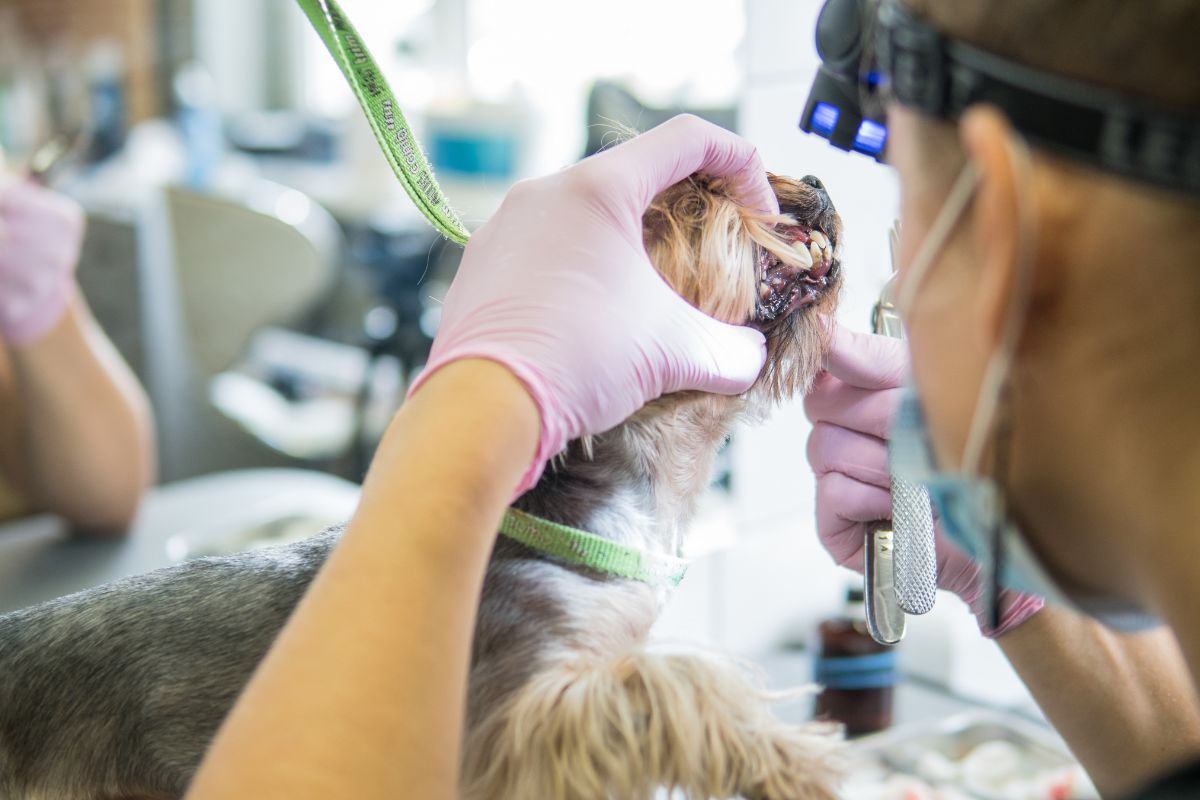
Why Professional Dental Care Is Still Essential
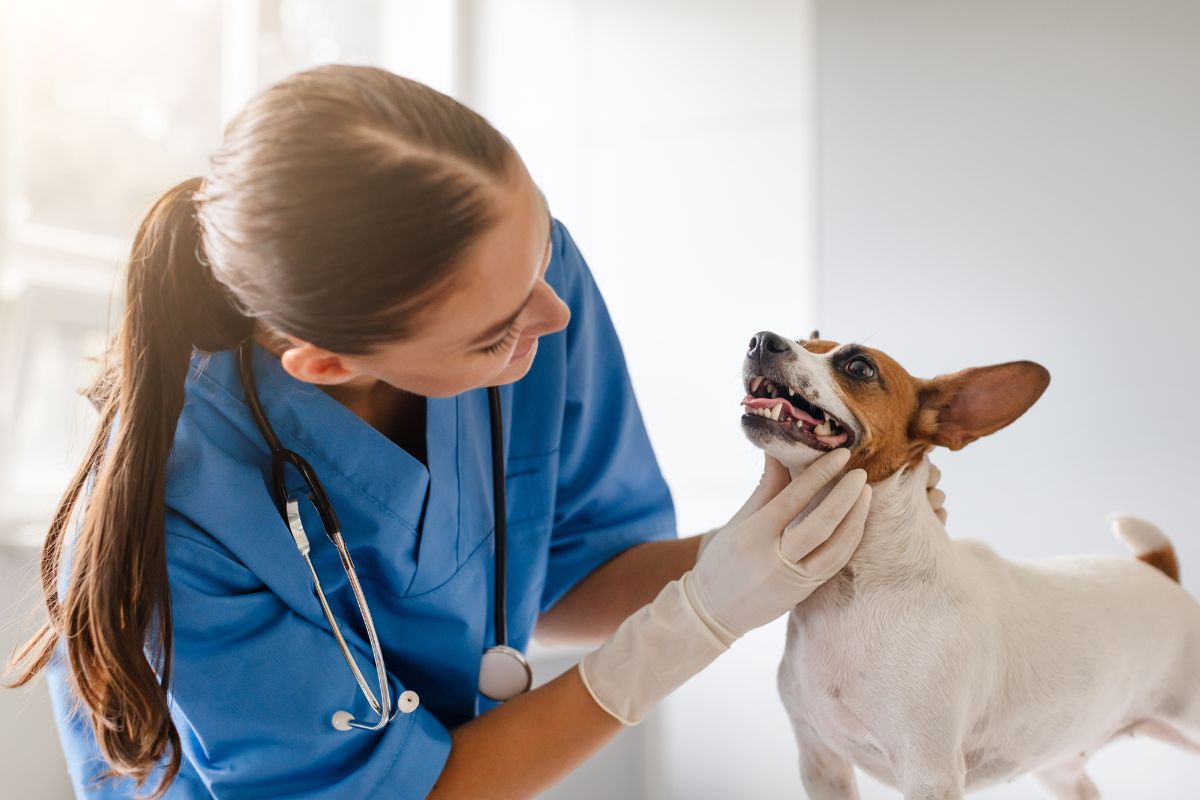
Even pets that receive excellent home dental care benefit from regular veterinary oral examinations.
Professional cleanings allow veterinarians to:
- Remove plaque and tartar
- Examine teeth below the gumline
- Identify fractured teeth
- Detect oral tumors
- Evaluate gum health
- Take dental X-rays when needed
Preventive pet dentistry helps identify problems before they become painful or require more extensive treatment.
Which Pets Should Avoid Raw Bones?
Some pets have a higher risk of complications from chewing bones.
Raw bones are generally not recommended for:
- Puppies with developing teeth
- Senior pets
- Dogs with fractured teeth
- Pets with periodontal disease
- Aggressive chewers
- Dogs with previous digestive blockages
- Immunocompromised pets
Your veterinarian can recommend safer alternatives based on your pet’s age, breed, chewing habits, and overall health.
Building a Healthy Dental Routine
Good oral health depends on consistency rather than a single product or chew.
A comprehensive dental care routine may include:
- Daily brushing when possible
- Routine wellness examinations
- Professional dental cleanings
- Veterinary-approved dental products
- Monitoring for signs of dental disease
Bad breath, bleeding gums, loose teeth, difficulty chewing, or changes in appetite should always be evaluated promptly.
While raw bones continue to be debated among pet owners, there is broad agreement that no chew can replace routine veterinary dental evaluations. A preventive approach that combines home care with professional pet dentistry offers the best opportunity to maintain healthy teeth while reducing the risk of oral disease and painful dental complications.
Raw bones may provide some chewing satisfaction and limited plaque removal, but they also carry important risks, including fractured teeth, choking, digestive injuries, and bacterial contamination. The safest approach to protecting your pet’s oral health is a balanced dental care plan that includes regular veterinary examinations, professional cleanings, and veterinarian-recommended home care.
If you’re in Westerville, OH, and need guidance from a veterinary hospital near you on choosing the safest options for your pet’s dental health, schedule your appointment with WestVets Maxtown Veterinary Clinic. Our team can provide personalized dental recommendations to help your pet maintain a healthy, comfortable smile throughout every stage of life.
FAQs
Q1. Are raw bones good for my dog’s teeth?
Ans: Raw bones may help remove some surface plaque, but they do not prevent periodontal disease or replace professional dental cleanings. They also carry risks such as broken teeth and digestive injuries.
Q2. Why are cooked bones dangerous for dogs?
Ans: Cooked bones become brittle and can splinter easily, increasing the risk of choking, mouth injuries, intestinal blockages, and internal damage.
Q3. Can raw bones replace professional dental cleanings?
Ans: No. Professional dental cleanings remove tartar below the gumline and allow veterinarians to detect hidden dental problems that chewing alone cannot address.
Q4. What are safer alternatives to raw bones for dental health?
Ans: Veterinary-approved dental chews, daily tooth brushing, dental diets, oral rinses, and routine professional cleanings are safer and more effective options for maintaining oral health.
Q5. Which dogs should not chew raw bones?
Ans: Puppies, senior dogs, aggressive chewers, and dogs with fractured teeth, periodontal disease, or previous digestive issues should generally avoid raw bones unless advised otherwise by a veterinarian.
Q6. How often should my pet have a dental examination?
Ans: Most pets should have their teeth evaluated during routine wellness visits. Your veterinarian will recommend professional cleaning intervals based on your pet’s age, breed, and oral health.