7132 State Rt 3, Westerville Ohio 43082



As pets grow older, changes in their health become more noticeable, and one common concern many owners experience is persistent bad breath. While it may seem like a normal part of aging, unpleasant breath is often a sign that something more serious is happening inside your pet’s mouth. In many cases, it can indicate dental disease, infections, or even underlying medical conditions that require professional attention.
Good oral health plays a vital role in a senior pet’s overall well-being. Healthy teeth and gums allow pets to eat comfortably, maintain proper nutrition, and enjoy a better quality of life. With guidance from WestVets Maxtown Veterinary Clinic, pet owners can better understand the causes of bad breath and take steps to support lifelong oral health. This guide is intended for pet owners everywhere, including families in Westerville, OH, who want to help their aging dogs and cats stay healthy and comfortable.
Why Do Senior Pets Develop Bad Breath?
Bad breath, medically known as halitosis, is often caused by bacteria accumulating in the mouth. As plaque builds on the teeth, it eventually hardens into tartar, creating an ideal environment for bacteria to multiply.
Senior pets are more susceptible because years of plaque accumulation increase the likelihood of:
- Gingivitis
- Periodontal disease
- Tooth decay
- Oral infections
- Tooth fractures
- Gum recession
While aging itself does not cause bad breath, age-related dental disease is extremely common.
Common Causes of Bad Breath
Although dental disease is the leading cause, other health conditions may also contribute.
Possible causes include:
- Advanced periodontal disease
- Oral tumors
- Broken or infected teeth
- Kidney disease
- Diabetes
- Liver disease
- Foreign objects lodged in the mouth
Because several systemic illnesses can produce unusual breath odors, persistent bad breath should never be ignored.
Signs That Your Senior Pet May Have Dental Problems
In addition to unpleasant breath, watch for:
- Yellow or brown tartar buildup
- Red or bleeding gums
- Loose teeth
- Drooling excessively
- Difficulty chewing
- Eating more slowly
- Pawing at the mouth
- Facial swelling
- Weight loss
- Reluctance to eat hard food
Many pets continue eating despite oral pain, making routine dental evaluations especially important.
How to Help Prevent Bad Breath
The good news is that many dental problems are preventable with consistent care.
Brush Your Pet’s Teeth
Daily brushing remains the most effective way to reduce plaque accumulation.
Always use:
- Pet-safe toothpaste
- A toothbrush designed for pets
- Gentle brushing techniques
Never use human toothpaste, as it may contain ingredients that are unsafe for animals.
Offer Dental-Friendly Products
Your veterinarian may recommend:
- Veterinary-approved dental chews
- Dental diets
- Water additives
- Oral hygiene gels
These products can support home care but should not replace brushing.
Schedule Routine Oral Exams
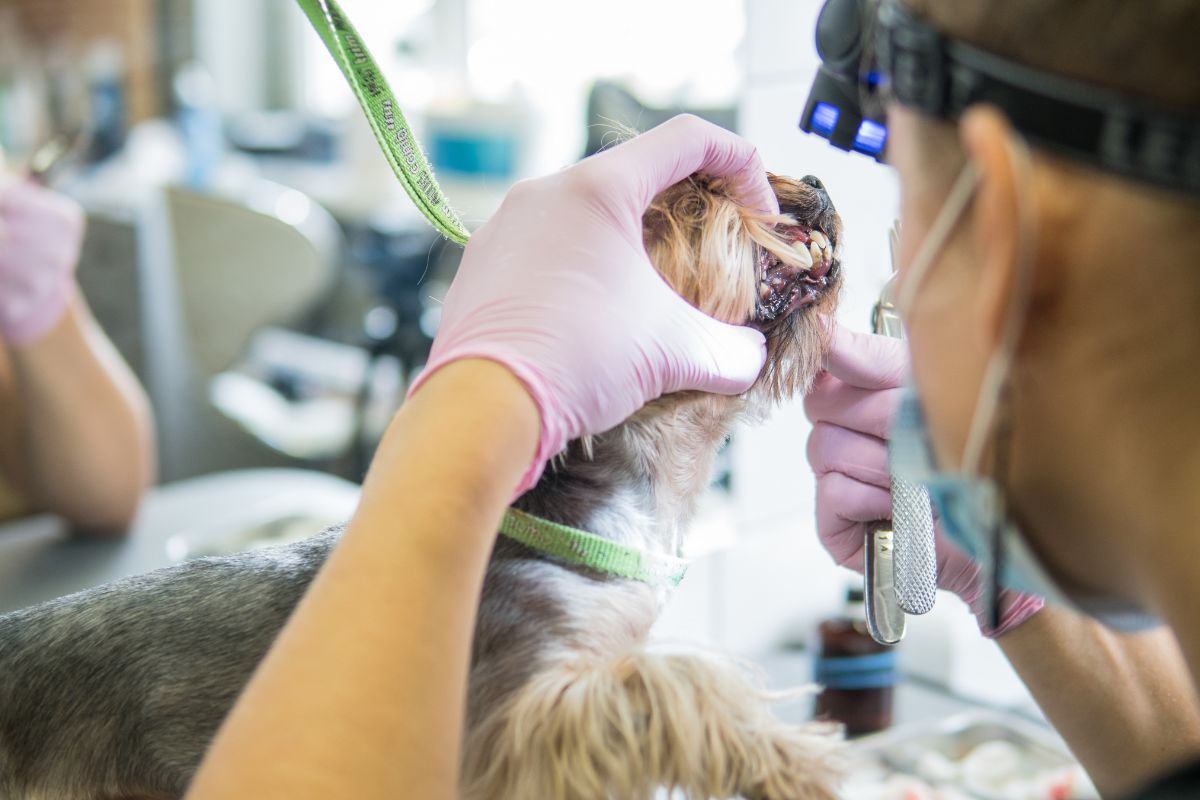
Senior pets benefit from regular veterinary examinations because dental disease often develops below the gumline before visible symptoms appear.
Routine exams allow problems to be identified early, helping preserve healthy teeth and gums.
Professional Dental Cleanings
Home care alone cannot remove hardened tartar.
Professional cleanings typically include:
- Complete oral examination
- Dental X-rays when necessary
- Scaling above and below the gumline
- Tooth polishing
- Evaluation for damaged or infected teeth
Professional pet dentistry helps remove bacteria that contribute to bad breath while allowing hidden dental problems to be detected before they become more serious.
Can Diet Affect Breath?
Yes.
Feeding a balanced, high-quality diet supports overall oral health. Some specially formulated dental diets are designed to reduce plaque accumulation while chewing.
Avoid offering hard objects that may fracture teeth, including:
- Bones
- Antlers
- Rocks
- Extremely hard chew toys
Protecting the teeth helps reduce the risk of painful dental injuries.
When Should You Visit a Veterinarian?
You should schedule an examination if your senior pet experiences:
- Bad breath lasting more than a few days
- Bleeding gums
- Loose teeth
- Difficulty eating
- Facial swelling
- Excessive drooling
- Weight loss
- Sudden changes in appetite
Early diagnosis allows treatment before dental disease progresses into more painful and expensive conditions.
Routine pet dentistry evaluations become increasingly important as pets age because oral health can significantly influence their overall comfort and quality of life.
Tips for Maintaining Oral Health at Home
A consistent routine can make a significant difference.
Helpful habits include:
- Brush your pet’s teeth regularly.
- Inspect the mouth for changes.
- Schedule routine wellness exams.
- Use veterinarian-approved dental products.
- Monitor eating habits.
- Address bad breath promptly instead of assuming it is age-related.
These simple practices can help your pet remain healthier and more comfortable throughout their senior years.
Bad breath in senior pets should never be dismissed as a normal part of aging. In many cases, it is an early warning sign of dental disease or another underlying health condition that benefits from timely diagnosis and treatment. Consistent home care, regular veterinary checkups, and professional dental cleanings can help your pet maintain a healthy mouth and enjoy a better quality of life. Pet owners in Westerville, Lewis Center, Galena, Sunbury, New Albany, and the surrounding area can benefit from staying proactive about oral health, and these recommendations apply to aging pets everywhere.
If you’re in the area and need guidance from a vet near you about your senior pet’s oral health, schedule your appointment with WestVets Maxtown Veterinary Clinic. Our experienced team can evaluate your pet’s dental health, recommend personalized preventive care, and help keep your companion healthy and comfortable for years to come.
FAQs
Q1. Is bad breath normal in older pets?
Ans. No. Persistent bad breath usually indicates dental disease or another medical condition that should be evaluated.
Q2. How often should senior pets have dental exams?
Ans. Most senior pets benefit from annual dental evaluations, although some may require more frequent monitoring.
Q3. Can dental disease affect my pet’s overall health?
Ans. Yes. Oral bacteria may contribute to health problems involving the heart, kidneys, and other organs if left untreated.
Q4. Are professional dental cleanings safe for older pets?
Ans. Many senior pets safely undergo dental procedures after a veterinarian evaluates their overall health and anesthetic risk.
Q5. Can dental treats replace brushing?
Ans. No. Dental treats can help reduce plaque, but do not replace regular brushing or professional cleanings.
Q6. What should I do if my pet suddenly develops very bad breath?
Ans. Schedule a veterinary examination promptly, especially if your pet is also having difficulty eating or showing signs of oral discomfort.