7132 State Rt 3, Westerville Ohio 43082


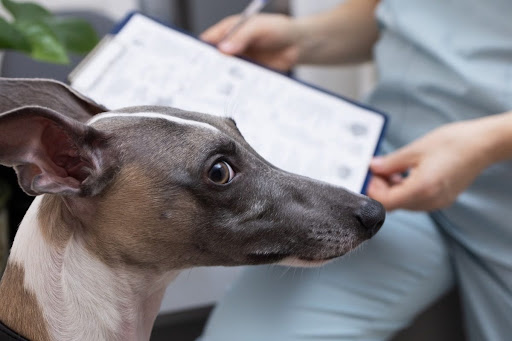
Greyhounds are known for their athletic build, gentle temperament, and remarkable speed. However, this unique breed also has a reputation for developing significant dental disease. Narrow jaws, crowded teeth, and other anatomical characteristics can make effective plaque control more challenging, allowing periodontal disease to progress without obvious symptoms.
At WestVets Maxtown Veterinary Clinic, pet dentistry is approached as an important component of overall canine wellness, especially for dogs with breed-related dental risks. Greyhound owners should understand why this breed can be particularly vulnerable, how periodontal disease develops, and which preventive measures can help protect their dog’s teeth and gums.
Why Are Greyhounds Prone to Periodontal Disease?
Periodontal disease is an infection and inflammation affecting the tissues surrounding and supporting the teeth. It begins when bacteria and food particles accumulate as plaque along the gumline.
When plaque is not adequately removed, it can mineralize into tartar. Tartar provides a rough surface where additional plaque can accumulate, potentially worsening inflammation.
Greyhounds can be particularly susceptible because their long, narrow skulls can result in relatively crowded tooth positioning. When teeth are closely positioned, plaque may be harder to remove through chewing or routine home care.
The result is that a Greyhound may have substantial dental disease even when the mouth does not appear dramatically abnormal to an owner.
What Makes a Greyhound’s Mouth Different?
Greyhounds have a distinctive facial structure. Their long, narrow muzzle accommodates a full set of adult teeth within a relatively slender jaw.
Several factors may contribute to their dental vulnerability.
Narrow Jaw Structure
The shape of a Greyhound’s skull can create limited space between teeth. Crowding makes it easier for food debris and plaque to remain around the gumline.
Tooth Crowding
When teeth are positioned close together, brushing becomes more difficult. Even owners who regularly attempt home dental care may struggle to reach every susceptible area.
Subtle Clinical Signs
Dogs often hide signs of oral discomfort. Greyhounds may continue eating despite painful gums, loose teeth, or advanced periodontal disease.
This is one reason visual inspection at home cannot reliably determine the severity of dental disease.
How Does Periodontal Disease Develop?
Understanding the progression of periodontal disease explains why prevention matters.
Stage 1: Plaque Forms
Bacteria naturally live in the mouth. After eating, bacteria combine with saliva and food particles to form plaque on the teeth.
Without regular removal, plaque begins accumulating near the gumline.
Stage 2: Gingivitis Develops
As plaque builds up, the gums may become red, swollen, or prone to bleeding.
At this stage, the inflammation is generally limited to the gums and may be reversible with appropriate professional treatment and improved home care.
Stage 3: Periodontal Tissues Become Damaged
If inflammation progresses below the gumline, bacteria can affect the structures supporting the teeth.
The periodontal ligament and surrounding bone may gradually deteriorate.
Stage 4: Advanced Periodontal Disease
As supporting tissues are destroyed, teeth can become loose or painful. Advanced disease may result in tooth loss and significant oral discomfort.
Because much of this damage occurs beneath the gumline, a dog can have severe periodontal disease without an obviously dramatic appearance above the gums.
What Are the Signs of Dental Disease in Greyhounds?
Some signs are easy to recognize, while others are surprisingly subtle.
Watch for:
- Persistent bad breath
- Red or swollen gums
- Bleeding gums
- Yellow or brown tartar
- Loose teeth
- Missing teeth
- Difficulty chewing
- Dropping food
- Excessive drooling
- Pawing at the mouth
- Facial swelling
- Reluctance to have the mouth touched
- Changes in appetite
- Weight loss
- Irritability or behavioral changes
A particularly important point is that continued eating does not mean the mouth is healthy. Dogs can adapt to oral discomfort and continue eating even when significant dental problems are present.
Why Bad Breath Should Not Be Ignored
Many owners assume that dog breath naturally smells unpleasant. Persistent foul breath, however, can be a warning sign of oral disease.
Bad breath may result from bacterial accumulation associated with plaque, tartar, gingivitis, or periodontal disease.
It can also occur with other medical conditions, so persistent changes in breath should be evaluated rather than masked with treats, chews, or breath-freshening products.
Can Greyhounds Have Severe Dental Disease Without Obvious Symptoms?
Yes.
This is one of the most important things for Greyhound owners to understand.
Dogs may compensate for chronic oral discomfort. A Greyhound may maintain a normal appetite and energy level while periodontal disease continues to damage the structures supporting the teeth.
In addition, owners can only see part of the tooth surface. Disease below the gumline may not be visible during a casual inspection.
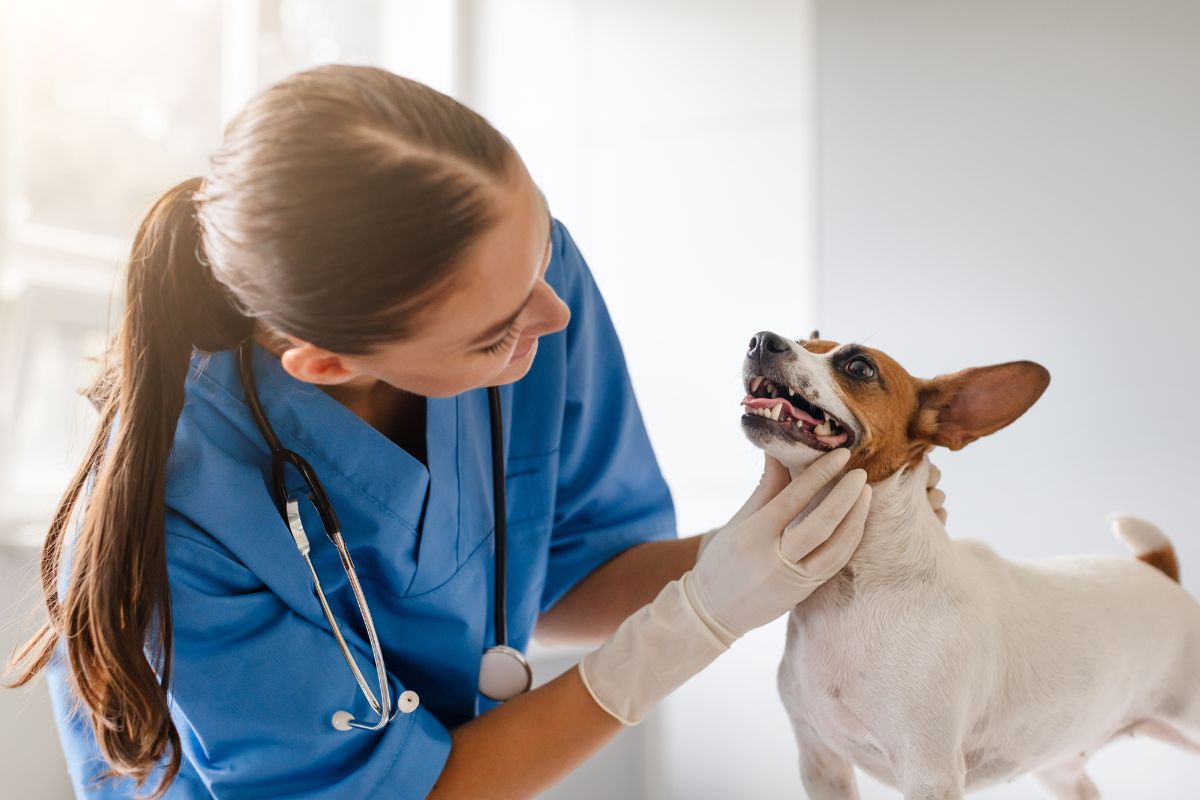
Veterinary oral examinations provide a more reliable assessment of dental health and help determine whether additional diagnostic procedures are necessary.
Why Are Dental X-Rays Important?
Dental radiographs allow veterinarians to evaluate structures beneath the visible gumline.
They can help identify:
- Bone loss
- Damaged tooth roots
- Tooth fractures
- Root abnormalities
- Retained tooth roots
- Other changes that cannot be seen during a visual examination
A tooth can look relatively normal above the gumline while having significant disease around its roots.
For this reason, comprehensive dental evaluation may include radiographs when a professional dental procedure is performed.
How Can Greyhound Owners Prevent Periodontal Disease?
Prevention begins at home but should be combined with professional monitoring.
Brush the Teeth Regularly
Tooth brushing physically removes plaque before it hardens into tartar.
Use a toothbrush designed for pets and toothpaste specifically formulated for dogs. Human toothpaste should not be used because some formulations contain ingredients that may be unsafe for animals.
Introduce brushing gradually. If your Greyhound has never had their teeth brushed, begin by allowing them to become comfortable with having their lips and mouth handled.
Focus on Consistency
A short, regular brushing routine is generally more useful than occasional lengthy attempts.
Pay particular attention to the outer surfaces of the teeth and areas near the gumline.
If your Greyhound strongly resists brushing, do not force the process. Gradual desensitization and positive reinforcement can help.
Choose Dental Products Carefully
Dental chews, diets, water additives, and other oral-health products may provide additional support, but they should not automatically be considered substitutes for brushing or professional evaluation.
Ask your veterinarian which products are appropriate for your dog’s age, dental condition, size, and chewing habits.
Schedule Routine Oral Examinations
Regular veterinary examinations allow dental changes to be identified before they become more advanced.
The appropriate frequency depends on your dog’s individual risk and oral health. Greyhounds with a history of significant periodontal disease may need closer monitoring.
What Happens During a Professional Dental Cleaning?
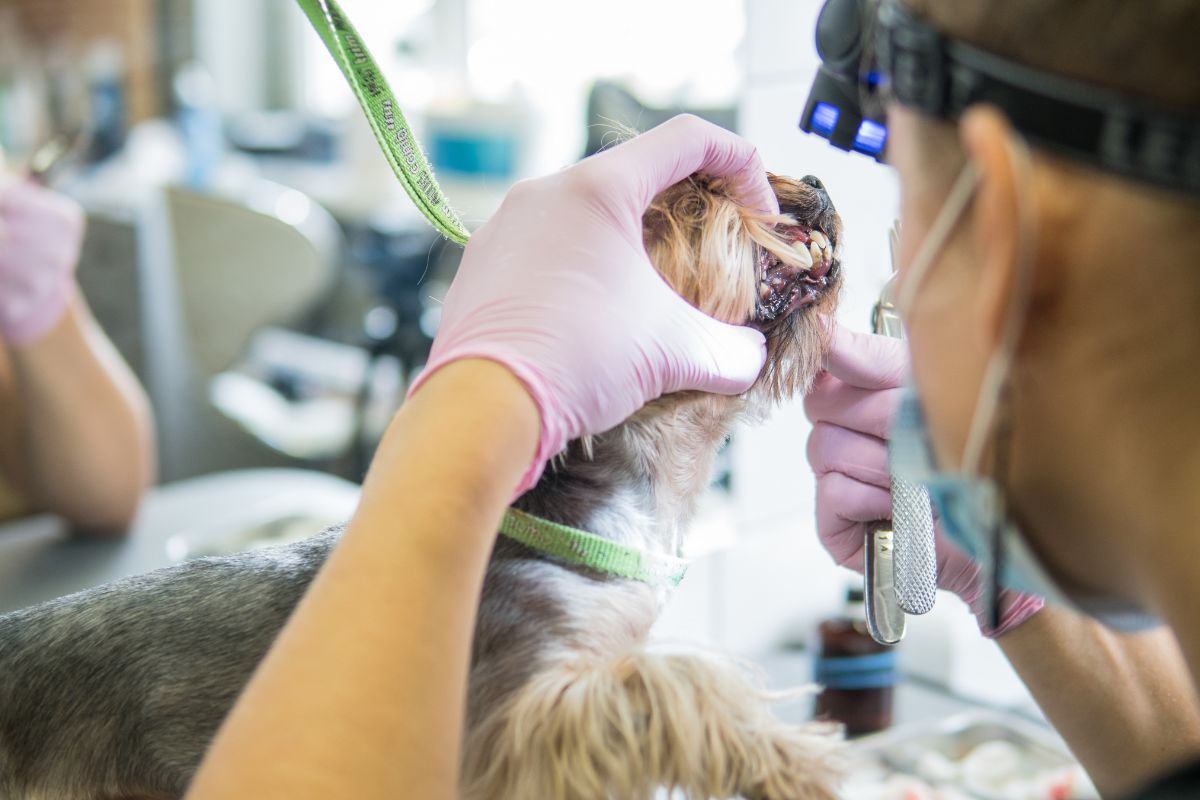
A professional dental procedure generally involves a thorough oral examination followed by cleaning and polishing under anesthesia.
Anesthesia allows the veterinary team to safely examine the entire mouth, clean below the gumline, perform dental radiographs when indicated, and treat or remove diseased teeth when necessary.
Before anesthesia, your veterinarian may recommend a physical examination and laboratory testing based on your dog’s age, health, and medical history.
The exact procedure varies according to the individual patient and findings.
Why Anesthesia Is Important for Comprehensive Dental Care
Simply scraping visible tartar from an awake dog does not provide the same level of care as a comprehensive veterinary dental procedure.
Important dental disease can exist below the gumline, where it cannot be adequately examined or treated while a dog is awake.
Anesthesia also allows the veterinary team to protect the airway, minimize stress, perform a detailed oral examination, and safely obtain dental radiographs when needed.
Your veterinarian can explain the benefits and risks of anesthesia based on your Greyhound’s health.
Are Dental Chews Enough for Greyhounds?
Dental chews can be useful as part of an oral-health routine, but they are not guaranteed to prevent periodontal disease.
Their effectiveness depends on factors such as the product, how the dog chews, tooth positioning, and the extent of existing dental disease.
Some chews may also present risks if they are excessively hard or inappropriate for the dog’s size.
Ask your veterinarian before introducing a new dental product, especially if your Greyhound already has loose or damaged teeth.
What Should You Do if Your Greyhound Has Loose Teeth?
A loose adult tooth is not considered a normal sign of healthy aging.
It may indicate significant periodontal damage, trauma, or another dental problem.
Do not attempt to pull the tooth yourself. A veterinary examination can determine the cause and whether dental radiographs or treatment are necessary.
If your dog has facial swelling, significant bleeding, severe pain, or difficulty eating, prompt veterinary evaluation is particularly important.
Greyhound Dental Care Is About More Than Fresh Breath
Dental health affects comfort and daily quality of life. Dogs use their mouths to eat, play, explore, and interact with their environment.
Untreated dental disease can cause chronic inflammation and pain. In advanced cases, affected teeth may require extraction to remove the source of infection and discomfort.
Therefore, the goal of dental care is not simply to make a dog’s breath smell better. It is to preserve comfortable oral function and support overall well-being.
Creating a Dental Routine for Your Greyhound
A practical routine can include:
- Check your dog’s mouth regularly for visible changes.
- Brush the teeth consistently with pet-safe products.
- Monitor appetite and chewing behavior.
- Pay attention to changes in breath odor.
- Use veterinary-approved dental products when appropriate.
- Maintain routine wellness examinations.
- Follow your veterinarian’s recommendations for professional dental care.
Starting these habits early is helpful, but older Greyhounds can also benefit from improved oral hygiene.
When Should a Greyhound See a Veterinarian for Dental Problems?
Schedule a veterinary examination if you notice persistent bad breath, tartar, bleeding gums, loose teeth, difficulty chewing, drooling, facial swelling, or changes in appetite.
Do not wait for your Greyhound to stop eating before seeking help. Significant dental disease may already be present by the time eating becomes noticeably difficult.
A professional assessment can determine whether the problem requires monitoring, improved home care, a dental procedure, or additional diagnostics.
Greyhounds can be particularly vulnerable to periodontal disease because their distinctive jaw structure and tooth positioning can make plaque control challenging. Since dental disease often develops beneath the gumline and dogs may hide oral discomfort, regular examinations are essential for identifying problems early.
For pet owners in Westerville, OH, a consistent combination of home dental hygiene and professional monitoring can help protect a Greyhound’s teeth, gums, comfort, and quality of life. Schedule your appointment with WestVets Maxtown Veterinary Clinic to discuss your Greyhound’s oral health and develop an appropriate dental-care plan.
FAQs
Q1. Why do Greyhounds have dental problems?
Ans: Greyhounds can be predisposed to dental disease because their long, narrow jaws may result in closely positioned or crowded teeth. This can make plaque removal more difficult and allow periodontal disease to develop.
Q2. How often should I brush my Greyhound’s teeth?
Ans: Regular brushing is recommended for plaque control, with daily brushing often considered ideal when a dog can tolerate it. Introduce brushing gradually and ask your veterinarian for recommendations based on your Greyhound’s dental condition.
Q3. Can Greyhounds have periodontal disease without showing pain?
Ans: Yes. Dogs often conceal signs of oral discomfort and may continue eating despite significant dental disease. Regular veterinary oral examinations can help identify problems that are not obvious at home.
Q4. Does bad breath mean my Greyhound has periodontal disease?
Ans: Persistent bad breath can be associated with plaque, tartar, gingivitis, or periodontal disease, although other medical conditions can also cause changes in breath odor. Persistent foul breath should be evaluated by a veterinarian.
Q5. Are dental chews enough to prevent periodontal disease in Greyhounds?
Ans: Dental chews may provide additional plaque-control benefits, but they should not automatically replace tooth brushing or professional dental care. Your veterinarian can recommend products appropriate for your dog’s dental health and chewing habits.
Q6. When does a Greyhound need a professional dental cleaning?
Ans: A professional cleaning may be recommended when tartar, gingivitis, periodontal disease, or other dental abnormalities are identified. Your veterinarian can assess your dog’s mouth and determine when professional treatment is appropriate.