7132 State Rt 3, Westerville Ohio 43082


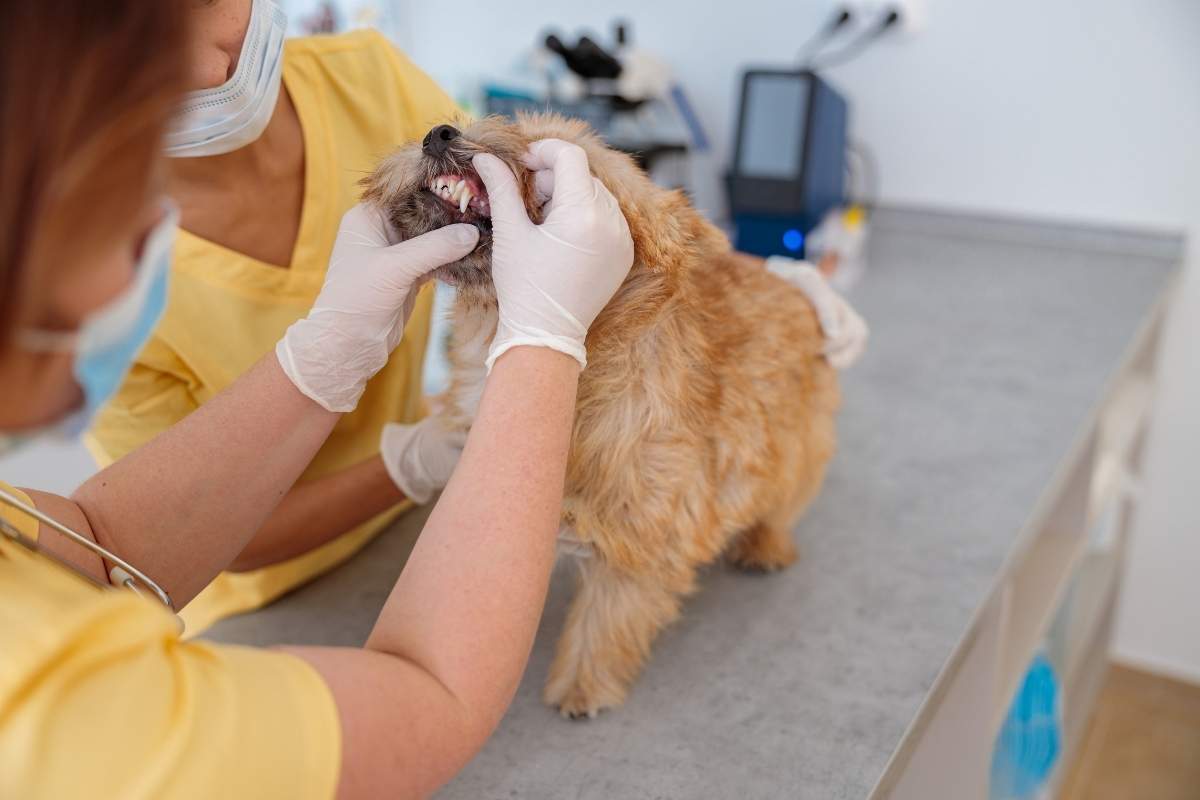
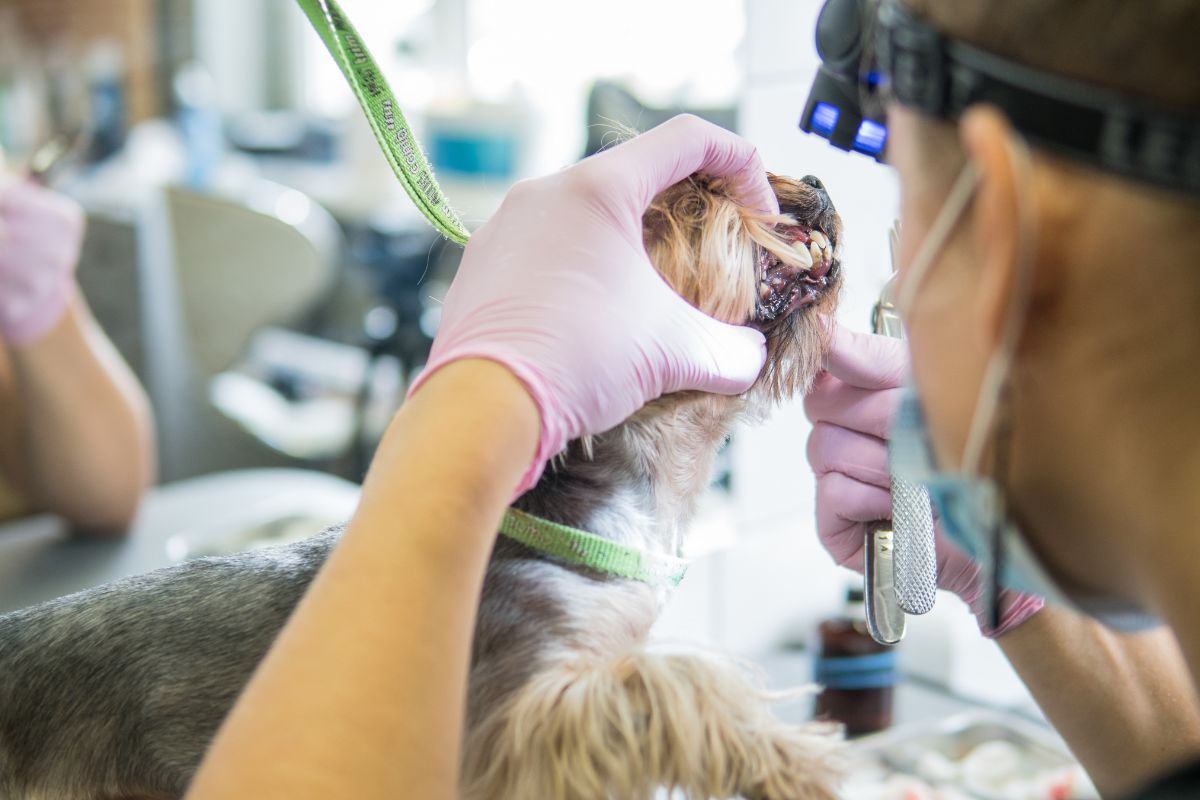
Pets are experts at hiding discomfort, which makes it challenging for owners to recognize when something is wrong. Dental pain, in particular, often goes unnoticed until it becomes severe. Understanding the early warning signs can help prevent serious health issues and improve your pet’s quality of life.
At WestVets Maxtown Veterinary Clinic, we emphasize the importance of early detection and preventive care when it comes to oral health. Dental issues not only affect your pet’s mouth but can also lead to infections that impact vital organs if left untreated.
Why Dental Health Matters for Pets
Oral health is a critical component of your pet’s well-being. Problems such as plaque buildup, gum disease, and tooth infections can cause pain, difficulty eating, and even systemic illness.
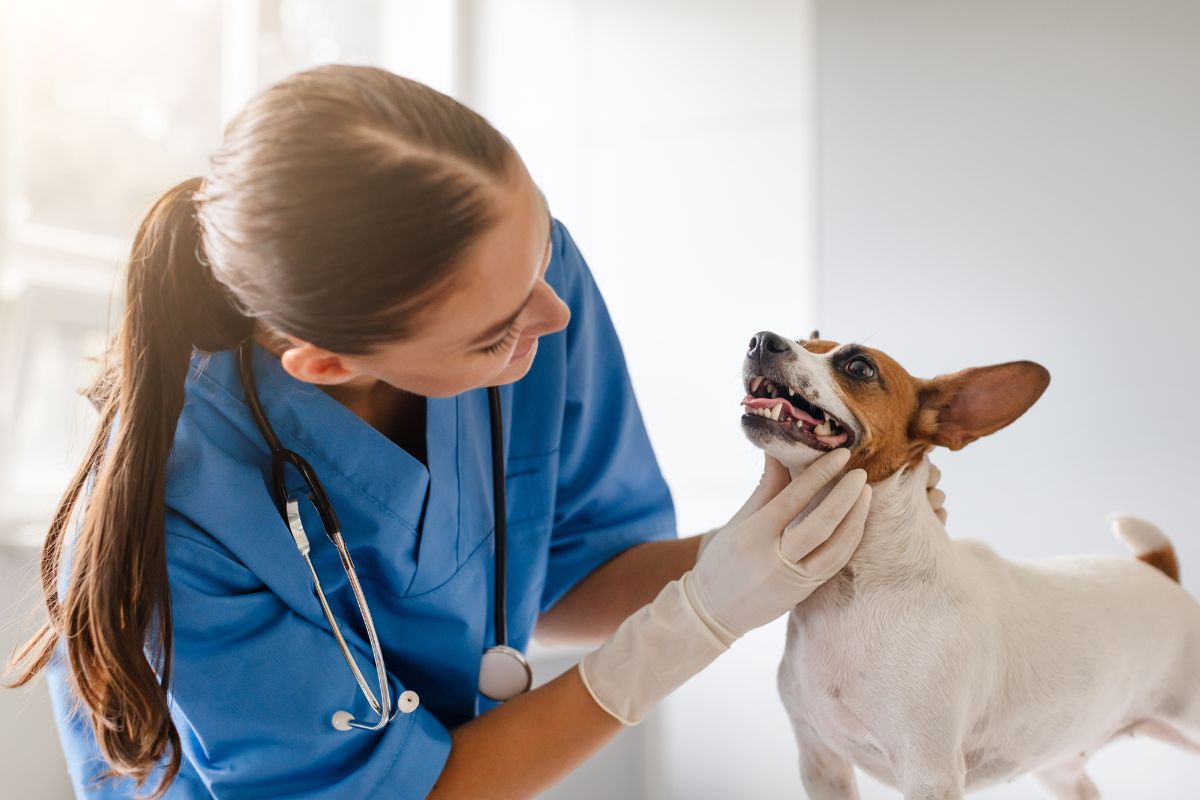
Through proper pet dentistry, veterinarians can identify and treat these issues early, preventing complications and ensuring your pet stays comfortable and healthy.
Common Signs of Dental Pain in Pets
Recognizing dental pain early can help you take action before the condition worsens. Here are the most common signs you shouldn’t ignore:
1. Bad Breath (Halitosis)
While mild odor is normal, persistent bad breath can indicate dental disease or infection.
2. Difficulty Eating or Loss of Appetite
If your pet suddenly avoids food, chews on one side, or drops food while eating, it could be due to oral discomfort.
3. Excessive Drooling
Unusual drooling or saliva tinged with blood may signal pain or irritation in the mouth.
4. Pawing at the Mouth
Pets experiencing discomfort may frequently paw at their face or mouth in an attempt to relieve pain.
5. Swollen or Bleeding Gums
Red, inflamed, or bleeding gums are strong indicators of gum disease and should be evaluated promptly.
6. Loose or Missing Teeth
Adult pets should not lose teeth. Loose teeth are often a sign of advanced dental disease.
Behavioral Changes to Watch For
Dental pain doesn’t just affect physical health—it can also impact your pet’s behavior.
- Increased irritability or aggression
- Withdrawal or decreased interaction
- Reduced interest in play
- Changes in sleeping patterns
If your pet’s personality suddenly changes, dental discomfort could be a contributing factor.
What Causes Dental Pain in Pets?
Several factors can contribute to oral health issues, including:
- Plaque and tartar buildup
- Gum infections (periodontal disease)
- Broken or fractured teeth
- Oral tumors or injuries
Routine dental care and regular checkups can help prevent many of these problems.
How to Prevent Dental Issues
Prevention is the best way to protect your pet from dental pain. Here are some practical tips:
1. Brush Your Pet’s Teeth Regularly
Use pet-safe toothpaste and aim for consistent brushing to reduce plaque buildup.
2. Provide Dental Chews and Toys
These can help clean teeth and massage gums naturally.
3. Schedule Professional Cleanings
Regular cleanings are an essential part of pet dentistry and help maintain oral health.
4. Maintain a Healthy Diet
Certain diets are designed to support dental health by reducing tartar accumulation.
When to See a Veterinarian
If you notice any signs of dental pain, it’s important to seek professional care promptly. Early treatment can prevent complications and reduce discomfort for your pet.
At Maxtown Veterinary Clinic, our experienced team provides comprehensive dental evaluations and treatments tailored to your pet’s needs.
Book an appointment with WestVets Maxtown Veterinary Clinic to ensure your pet receives expert dental care.
The Role of Regular Dental Checkups
Routine dental exams allow veterinarians to detect issues before they become severe. These visits often include:
- Oral examinations
- Teeth cleaning and polishing
- Assessment of gum health
- Recommendations for at-home care
Consistent dental care is essential for maintaining your pet’s long-term health and comfort.
Local Insight:
Westerville, OH, is a pet-friendly community known for its scenic parks, welcoming neighborhoods, and active lifestyle. Pet owners in this area benefit from access to quality veterinary services and a strong focus on preventive care. By staying attentive to your pet’s dental health and seeking timely treatment, you can ensure they enjoy a happy, pain-free life in this vibrant and caring community.
Frequently Asked Questions (FAQs)
Q1. How often should my pet have a dental checkup?
Ans. Most pets should have a dental exam at least once a year, though some may require more frequent visits.
Q2. Is bad breath always a sign of dental problems?
Ans. Persistent bad breath is often a sign of underlying dental disease and should be evaluated by a veterinarian.
Q3. Can dental pain affect my pet’s overall health?
Ans. Yes, untreated dental issues can lead to infections that may impact organs like the heart and kidneys.
Q4. How can I tell if my pet is in pain?
Ans. Look for signs such as changes in eating habits, behavior, or visible oral discomfort.
Q5. Are dental cleanings safe for pets?
Ans. Yes, professional cleanings are safe and performed under controlled conditions by trained veterinary staff.Q6. What can I do at home to support my pet’s dental health?
Ans. Regular brushing, dental treats, and a proper diet can help maintain oral hygiene.