7132 State Rt 3, Westerville Ohio 43082



When people think about preventive veterinary care, they often focus on vaccinations, parasite prevention, wellness exams, and proper nutrition. While these services are essential, one equally important aspect is often overlooked: professional dental cleanings. Maintaining your pet’s oral health is about much more than keeping their teeth looking clean. Healthy teeth and gums contribute to overall wellness and can help prevent painful conditions that affect your pet’s quality of life.
Dental disease is one of the most common health issues seen in dogs and cats. Unfortunately, many pets show few obvious signs until the disease has become advanced. Regular dental cleanings, combined with routine oral examinations, allow veterinarians to identify and address problems before they become more serious.
Why Oral Health Matters for Pets
Plaque begins forming on your pet’s teeth shortly after eating. If it is not removed, it hardens into tartar, creating an environment where harmful bacteria can thrive.
As bacteria spread below the gumline, they can cause:
- Gingivitis
- Periodontal disease
- Tooth decay
- Tooth loss
- Painful infections
- Difficulty eating
Without treatment, advanced dental disease may also contribute to inflammation that affects other parts of the body.
What Happens During a Professional Dental Cleaning?
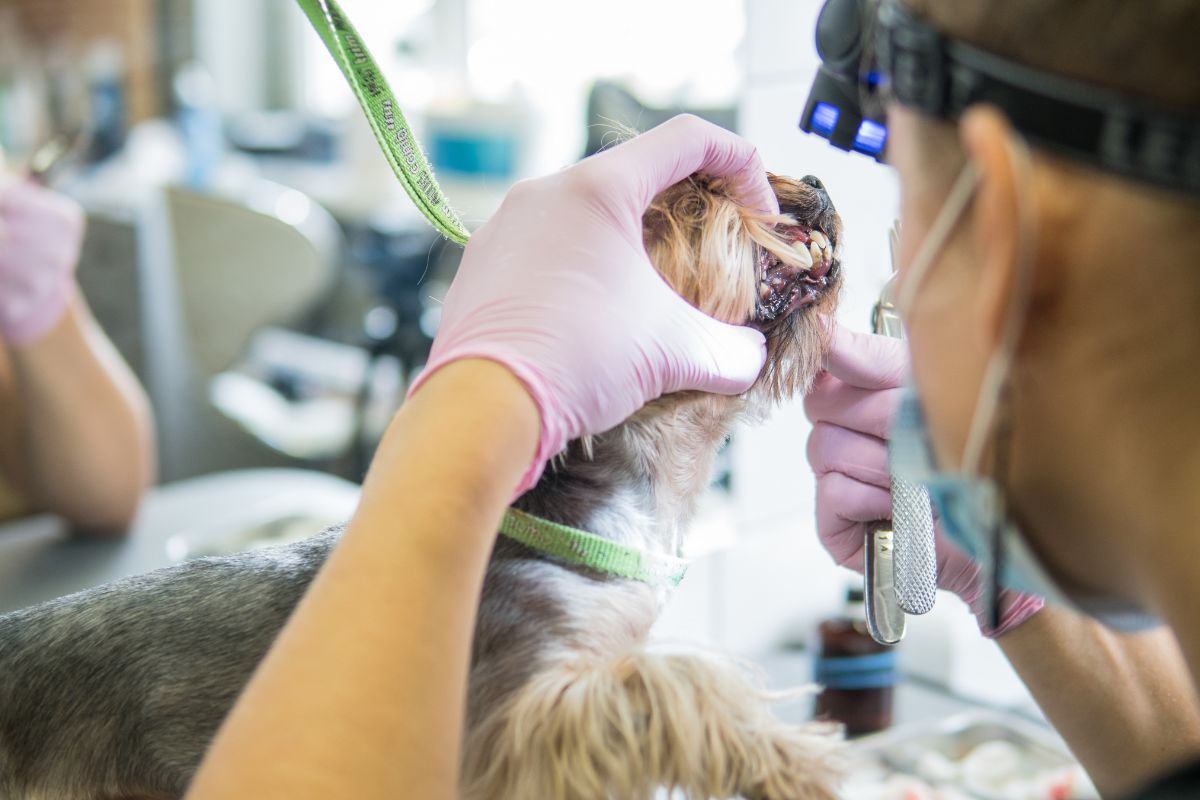
Professional veterinary dental cleanings involve much more than simply removing visible tartar.
A typical procedure includes:
- A complete oral examination
- Dental X-rays when indicated
- Removal of plaque and tartar above and below the gumline
- Tooth polishing
- Evaluation of each tooth
- Treatment recommendations if disease is found
Because significant dental disease often develops below the gumline, professional cleanings provide benefits that brushing alone cannot achieve.
Why Home Care Is Not Enough
Brushing your pet’s teeth is one of the best ways to slow plaque buildup, but even pets with excellent home care may still develop tartar over time.
Professional dental cleanings remove hardened deposits that cannot be safely eliminated at home.
The most effective approach combines:
- Daily tooth brushing
- Veterinary-approved dental chews
- Oral health products recommended by your veterinarian
- Routine professional dental cleanings
Together, these measures help reduce the risk of periodontal disease.
Common Signs of Dental Disease
Many pets continue eating despite significant oral discomfort, making dental disease difficult to recognize.
Watch for signs such as:
- Persistent bad breath
- Red or swollen gums
- Yellow or brown tartar
- Difficulty chewing
- Dropping food while eating
- Excessive drooling
- Bleeding gums
- Loose teeth
- Pawing at the mouth
Any of these symptoms should be evaluated during a veterinary visit.
How Dental Disease Affects Overall Health
Oral bacteria do not always remain confined to the mouth.
In advanced cases, bacteria may enter the bloodstream and contribute to inflammation affecting organs such as the:
- Heart
- Kidneys
- Liver
Although not every pet with dental disease develops systemic illness, preventing chronic oral infections supports overall health and well-being.
Which Pets Need Professional Dental Cleanings?
Every dog and cat can benefit from regular dental evaluations, but some pets are at greater risk of developing oral disease.
Higher-risk pets include:
- Small dog breeds
- Senior pets
- Pets with crowded teeth
- Pets with previous dental disease
- Cats prone to gingivitis
- Brachycephalic breeds
Your veterinarian will recommend a dental cleaning schedule based on your pet’s age, breed, and oral health.
The Importance of Routine Veterinary Dental Exams
Professional dental cleanings are only one part of maintaining healthy teeth.
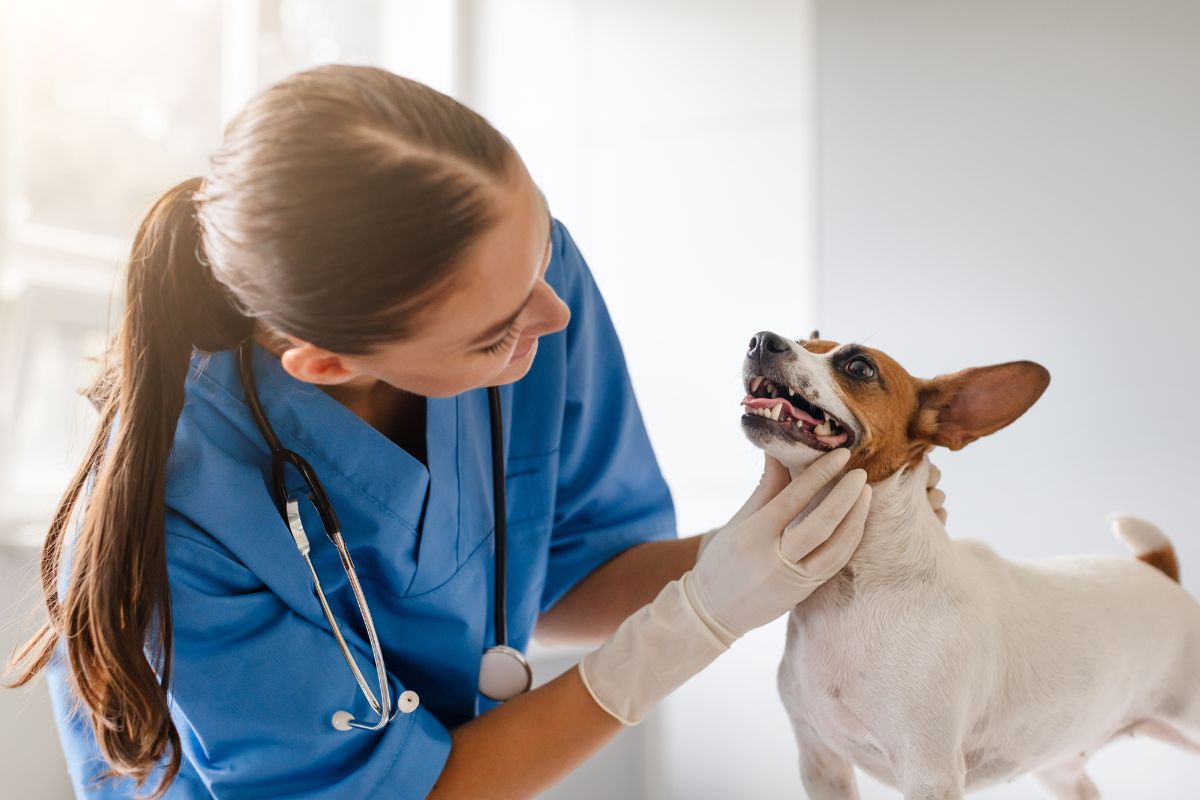
During routine wellness visits, veterinarians examine:
- Teeth
- Gums
- Tongue
- Jaw alignment
- Oral masses
- Broken or loose teeth
Early detection often allows treatment before problems become painful or require more extensive procedures.
Benefits of Preventive Dental Cleanings
Routine dental cleanings provide benefits beyond improving your pet’s breath.
They may help:
- Reduce plaque and tartar buildup
- Prevent periodontal disease
- Preserve healthy teeth
- Improve chewing comfort
- Reduce oral pain
- Support long-term overall health
Preventive care is generally less invasive and more affordable than treating advanced dental disease.
Supporting Your Pet’s Oral Health at Home
Your veterinarian may recommend a personalized pet dental care routine based on your pet’s individual needs.
Helpful habits include:
- Brushing teeth daily when possible
- Offering veterinary-approved dental chews
- Feeding dental-support diets if recommended
- Scheduling regular wellness visits
- Monitoring your pet’s mouth for changes
Consistent home care works best when combined with professional veterinary cleanings.
When Should Your Pet Have a Dental Cleaning?
There is no single schedule that fits every pet.
Some healthy adult pets benefit from professional cleanings every one to two years, while others, particularly small breeds or pets with existing dental disease, may require more frequent care.
Routine veterinary examinations help determine the right timing based on your pet’s individual needs. Incorporating professional cleanings into your pet’s preventive health plan supports healthier teeth, more comfortable eating, and improved quality of life. When combined with consistent pet dental care at home, these visits can help reduce the progression of dental disease and identify problems before they become more serious.
Professional dental cleanings are an important part of preventive veterinary care because they protect more than your pet’s teeth. Regular oral examinations and cleanings help reduce pain, detect dental disease early, and support your pet’s overall health throughout every stage of life.
If you’re in Westerville, OH, and need guidance from an animal hospital near you on maintaining your pet’s oral health, schedule your appointment with WestVets Maxtown Veterinary Clinic. Our team provides personalized preventive care to help dogs and cats enjoy healthier smiles and better overall well-being.
FAQs
Q1. Why are professional dental cleanings important for pets?
Ans: Professional dental cleanings remove plaque and tartar that cannot be eliminated with brushing alone, helping prevent periodontal disease and other oral health problems.
Q2. How often should my pet have a professional dental cleaning?
Ans: The frequency depends on your pet’s age, breed, and dental health. Your veterinarian will recommend an appropriate schedule based on individual needs.
Q3. Can I skip professional cleanings if I brush my pet’s teeth every day?
Ans: Daily brushing is beneficial, but it cannot remove hardened tartar beneath the gumline. Professional cleanings remain an important part of preventive care.
Q4. What are the signs my pet may have dental disease?
Ans: Bad breath, swollen gums, tartar buildup, drooling, difficulty chewing, loose teeth, and bleeding gums are common signs that warrant a veterinary evaluation.
Q5. Are professional dental cleanings performed under anesthesia?
Ans: Yes. General anesthesia allows veterinarians to safely clean the gumline below, perform a thorough oral examination, and obtain dental X-rays when needed.
Q6. Can dental disease affect my pet’s overall health?
Ans: Yes. Untreated dental disease can lead to chronic pain and may contribute to inflammation that affects other organs, making preventive dental care an important part of overall wellness.