7132 State Rt 3, Westerville Ohio 43082



Dental disease is one of the most common health problems affecting dogs and cats, yet it is often overlooked until a pet develops bad breath, difficulty eating, or visible changes around the teeth and gums. While mild plaque may seem like a cosmetic concern, untreated dental disease can progress into painful infection, tooth loss, and inflammation that affects overall health.
So, can dental disease shorten your pet’s life?
Potentially, yes. Dental disease does not automatically mean a pet will have a shorter lifespan, but severe or untreated oral disease can contribute to chronic pain, infection, inflammation, poor nutrition, and complications involving other body systems. Preventive dental care and timely veterinary treatment can help protect both oral health and quality of life.
What Is Dental Disease in Pets?
Dental disease, commonly called periodontal disease, begins when bacteria accumulate on the teeth and form a sticky film called plaque. If plaque is not removed, it can combine with minerals in saliva and harden into tartar.
Tartar provides a rough surface where more bacteria can accumulate. Over time, bacteria can irritate the gums, causing gingivitis. Without treatment, inflammation may extend below the gumline and damage the tissues and bone that support the teeth.
The progression generally looks like this:
- Plaque forms on the teeth.
- Plaque hardens into tartar.
- The gums become inflamed.
- Periodontal pockets develop around affected teeth.
- Supporting tissues and bone begin to deteriorate.
- Teeth may become loose or painful.
- Infection and chronic inflammation can develop.
Dental disease can occur in both dogs and cats, and pets may hide oral discomfort remarkably well.
Can Dental Disease Affect a Pet’s Lifespan?
The relationship between dental disease and lifespan is more complicated than simply saying that dental disease directly causes a shorter life.
Research has identified associations between periodontal disease and systemic health problems in dogs and cats, although the exact cause-and-effect relationship is still being studied. Bacteria and inflammatory products from diseased oral tissues can enter the bloodstream, particularly when significant inflammation is present.
Severe dental disease may therefore become more than an issue affecting the mouth. It can contribute to a chronic inflammatory burden and may be especially concerning in pets that already have other health conditions.
The most important takeaway for pet owners is that untreated dental disease should not be considered harmless or purely cosmetic.
How Dental Disease Can Affect Overall Health
Chronic Inflammation
Periodontal disease creates ongoing inflammation in the tissues surrounding the teeth. When inflammation persists for long periods, it can affect a pet’s overall well-being.
Chronic inflammation is particularly concerning in older pets or animals already managing other medical conditions.
Oral Bacteria Can Enter the Bloodstream
The mouth contains large numbers of bacteria. With damaged and inflamed gum tissue, bacteria can gain access to the bloodstream.
The body normally handles many bacteria effectively, but repeated bacterial exposure associated with significant periodontal disease may place additional stress on an animal’s immune system.
Pain Can Affect Quality of Life
Pets do not always show obvious signs of dental pain.
A dog or cat may continue eating despite having a painful tooth because eating is an important instinctive behavior. Instead, owners may notice subtle changes such as chewing more slowly, dropping food, preferring soft food, avoiding chew toys, or becoming less interested in interaction.
Chronic oral pain can affect sleep, appetite, activity, and normal behavior.
Advanced Disease Can Damage the Jaw
Periodontal disease can destroy the tissues and bone supporting the teeth. In severe cases, infection may extend into surrounding structures.
Some small dogs are particularly susceptible to significant periodontal problems because their teeth can become crowded within a relatively small mouth.
Signs Your Pet May Have Dental Disease
Knowing the early warning signs can help you arrange veterinary care before the condition becomes advanced.
Watch for:
- Persistent bad breath
- Yellow or brown tartar on the teeth
- Red, swollen, or bleeding gums
- Loose or missing teeth
- Difficulty chewing
- Dropping food while eating
- Pawing at the mouth
- Increased drooling
- Swelling around the face or jaw
- Reluctance to eat hard food
- Changes in chewing behavior
- Irritability when the mouth or face is touched
Some pets show very few obvious symptoms even when significant periodontal disease is present. This is one reason routine oral examinations are important.
Why Bad Breath Should Not Be Ignored
Many owners assume bad breath is simply normal for dogs and cats. It is not something that should automatically be considered a normal part of aging.
Persistent foul-smelling breath can be an early indication of plaque accumulation, gingivitis, periodontal disease, an infected tooth, or another oral problem.
Although bad breath alone does not establish a diagnosis, it is a useful reason to have your pet’s mouth examined.
How Veterinarians Diagnose Dental Disease
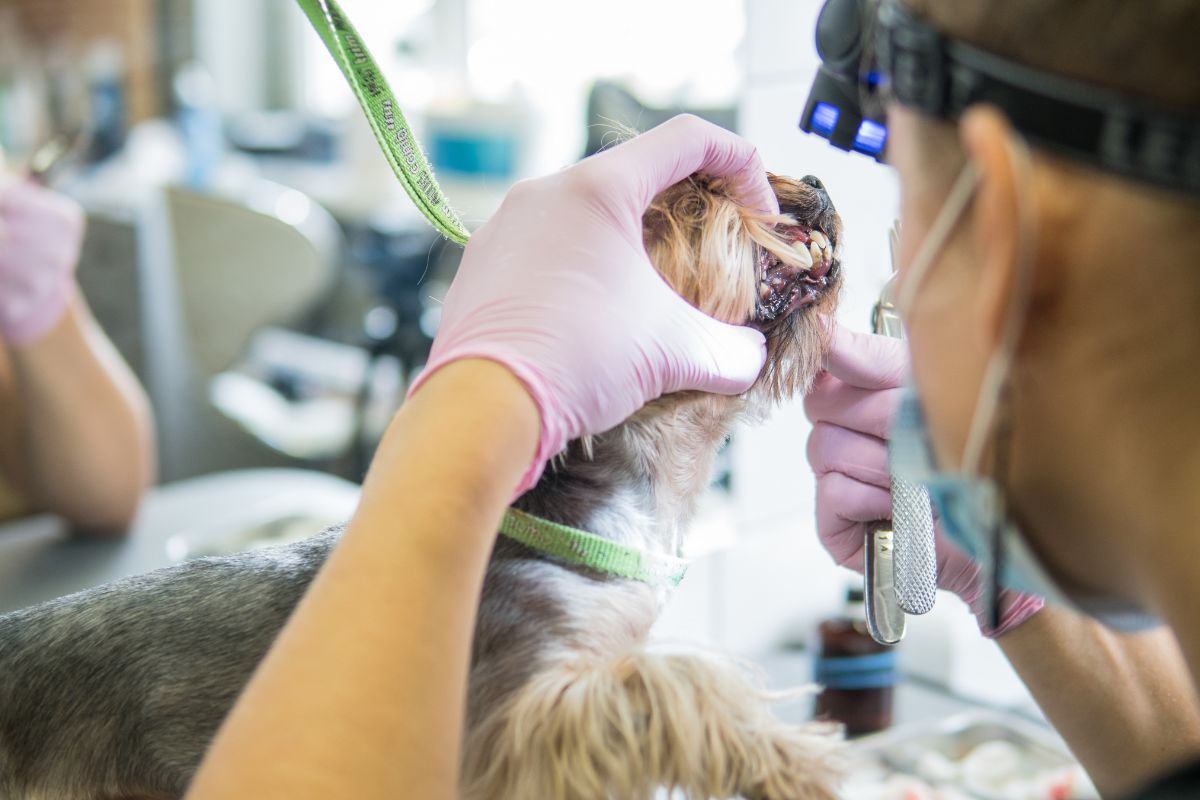
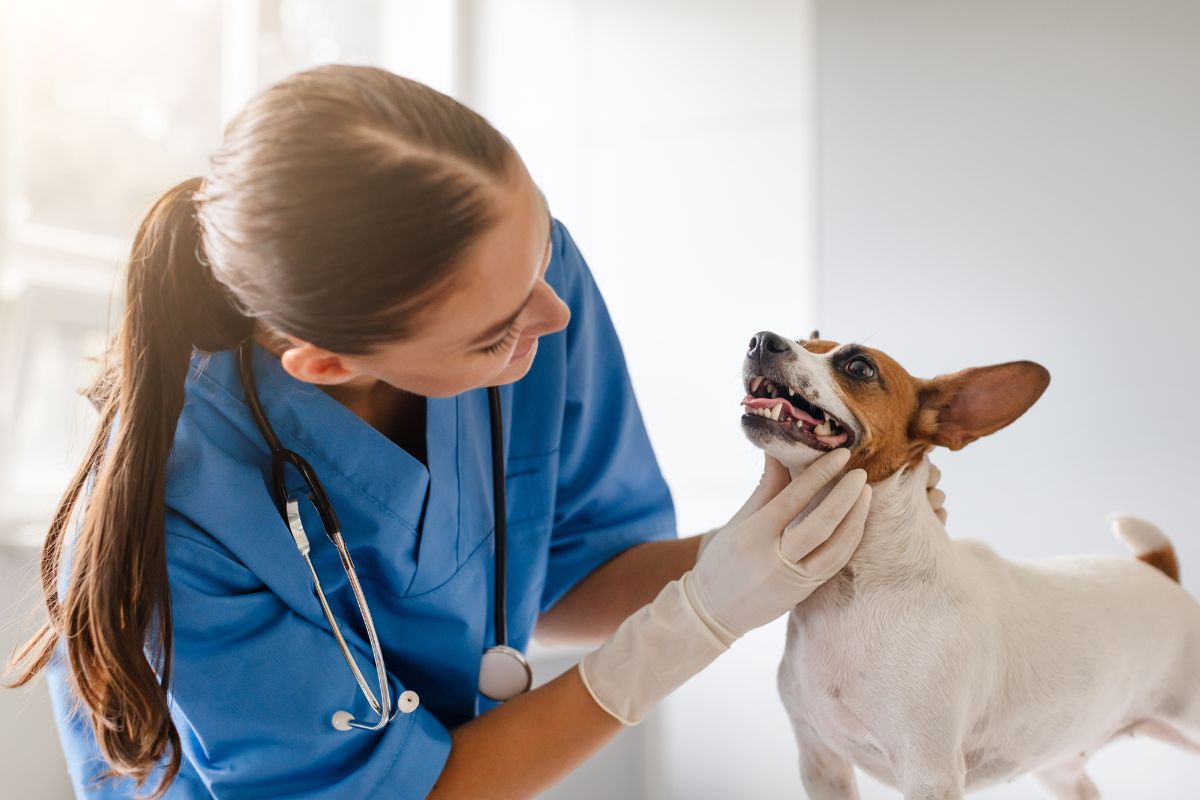
A veterinary dental evaluation typically begins with an examination of the teeth, gums, tongue, and other structures of the mouth.
However, looking at the visible surface of the teeth does not always reveal the full extent of periodontal disease. Much of the damage can occur below the gumline.
For this reason, comprehensive veterinary dental care may include:
- Oral examination
- Assessment of gum health
- Dental radiographs when indicated
- Professional scaling and polishing
- Evaluation of individual teeth
- Extraction of teeth that cannot be saved
- Pain management when necessary
- Anesthesia for appropriate dental procedures
Dental X-rays can help identify problems beneath the gumline, including bone loss, damaged tooth roots, and other abnormalities that cannot be seen during a simple visual examination.
Can Professional Dental Cleaning Help?
Professional dental cleaning is an important part of managing and preventing periodontal disease.
During a veterinary dental procedure, plaque and tartar can be removed from tooth surfaces and areas below the gumline. Polishing helps smooth the tooth surface after scaling, making it more difficult for plaque to accumulate again.
If a tooth is severely damaged or painful, extraction may be recommended. Removing a diseased tooth can eliminate a source of chronic pain and infection.
Professional dental care should be combined with ongoing home dental care rather than viewed as a one-time solution.
How Can Pet Owners Prevent Dental Disease?
Dental disease is easier to prevent and manage when oral care becomes part of a pet’s regular routine.
Brush Your Pet’s Teeth
Daily tooth brushing is one of the most effective home-care strategies for controlling plaque.
Use a pet-specific toothbrush and toothpaste. Human toothpaste should not be used because some formulations contain ingredients that can be harmful if swallowed.
Introduce brushing gradually. Allow your pet to become comfortable with the toothbrush and toothpaste before attempting a complete brushing routine.
Schedule Regular Veterinary Examinations
Routine veterinary examinations provide opportunities to identify dental problems before they become advanced.
Your veterinarian can assess your pet’s oral health and recommend a dental-care schedule based on age, breed, health history, and existing dental disease.
Use Dental Products Carefully
Dental diets, chews, treats, and other oral-care products may help reduce plaque in some pets. However, they should complement, not replace, veterinary examinations and tooth brushing.
Choose products appropriate for your pet’s size and chewing habits. Extremely hard objects can potentially fracture teeth.
Watch for Changes in Eating Behavior
A pet that suddenly stops chewing normally, avoids hard food, or drops food may have oral discomfort.
Do not assume these changes are simply behavioral or related to aging. A veterinary examination can help identify the underlying cause.
What Happens If Dental Disease Is Left Untreated?
Untreated dental disease can continue progressing even when a pet appears comfortable.
Early gingivitis may be reversible with appropriate treatment and improved oral hygiene. More advanced periodontal disease can permanently damage the tissues and bone supporting the teeth.
Once significant periodontal damage occurs, treatment may require professional cleaning, dental radiographs, extractions, medication, and ongoing preventive care.
Waiting until a pet stops eating or develops facial swelling can allow a treatable dental problem to become considerably more complicated.
Is Dental Care Important for Senior Pets?
Dental care remains important throughout a pet’s life, including during the senior years.
Older pets may have accumulated years of plaque and tartar, making dental examinations especially valuable. At the same time, senior animals may have other health conditions that need to be considered before anesthesia or dental treatment.
Veterinarians can evaluate the pet’s overall health and determine the safest approach to dental care.
Age alone does not mean a pet should automatically go without needed dental treatment.
Dental disease is much more than a bad-breath problem. When allowed to progress, it can cause chronic oral inflammation, pain, tooth loss, infection, and potentially contribute to broader health concerns. Regular veterinary examinations, professional dental care when needed, and consistent home oral hygiene can help protect your pet’s comfort and long-term well-being.
If you are in Westerville, Ohio, and need guidance from a vet near you about pet dental care in Westerville, schedule your appointment with WestVets Maxtown Veterinary Clinic. A timely dental evaluation can help identify oral problems early and create an appropriate plan to keep your pet eating comfortably, feeling well, and enjoying a healthier life.
Frequently Asked Questions
Q1. Can dental disease really shorten a dog’s or cat’s life?
Ans: Severe untreated dental disease can contribute to chronic inflammation, infection, pain, and systemic health concerns. Although dental disease does not automatically shorten a pet’s lifespan, maintaining good oral health can support overall health and quality of life.
Q2. How can I tell if my pet’s teeth hurt?
Ans: Pets may hide dental pain. Signs can include bad breath, chewing on one side, dropping food, avoiding hard food, excessive drooling, pawing at the mouth, reluctance to play with toys, or changes in behavior. Some pets may show no obvious signs despite significant disease.
Q3. Is bad breath normal for dogs and cats?
Ans: Persistent foul breath is not something pet owners should simply accept as normal. It can indicate plaque, tartar, gingivitis, periodontal disease, an infected tooth, or another oral condition that needs evaluation.
Q4. How often should my pet have a dental examination?
Ans: Your veterinarian should assess your pet’s mouth during routine wellness visits. The frequency of professional dental cleaning depends on the pet’s age, breed, oral-health history, home-care routine, and existing dental disease.
Q5. Can brushing my pet’s teeth prevent dental disease?
Ans: Regular brushing can significantly reduce plaque accumulation and is an important part of home dental care. Ideally, brushing should be performed daily with toothpaste specifically formulated for pets. It does not replace professional veterinary examinations when dental disease is already present.
Q6. Does my pet need professional dental cleaning if I brush its teeth?
Ans: Brushing helps control plaque, but it cannot always remove established tartar or evaluate disease below the gumline. A veterinarian can determine whether professional cleaning, dental X-rays, or additional treatment is needed.