7132 State Rt 3, Westerville Ohio 43082


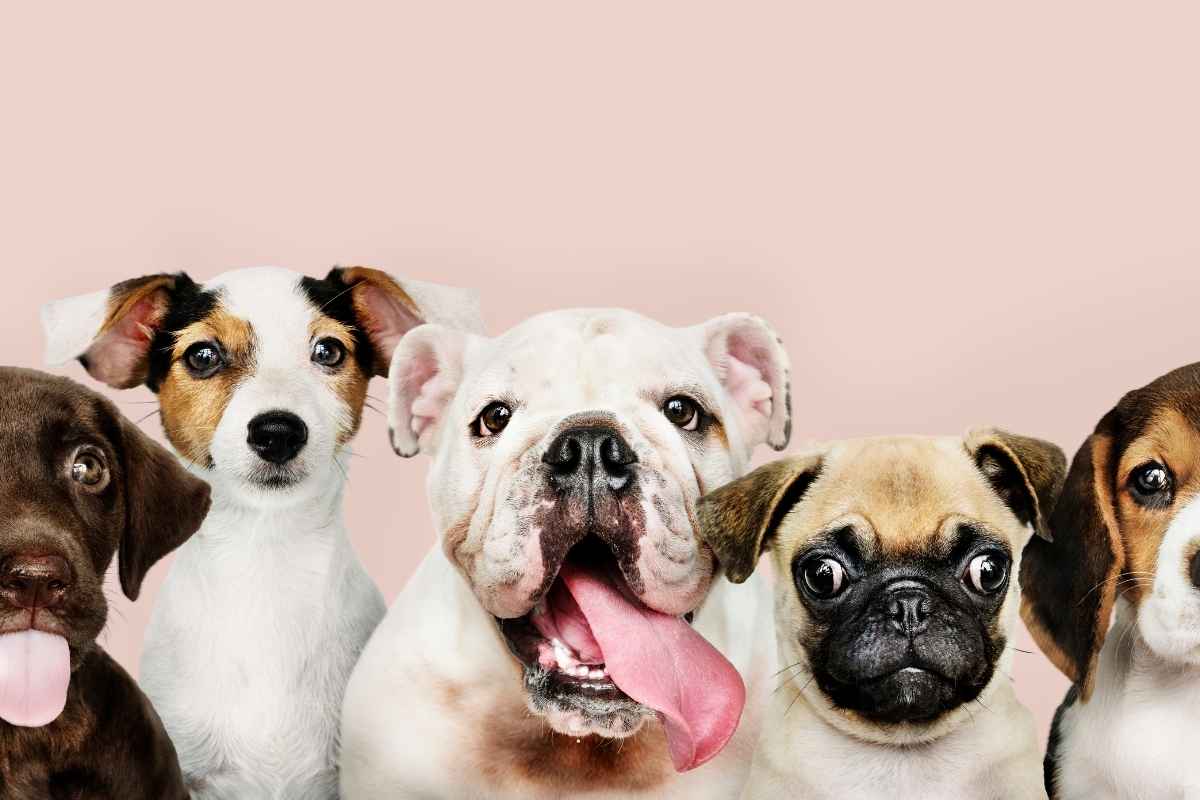
French Bulldogs, Pugs, Boston Terriers, Shih Tzus, and other brachycephalic (flat-faced) breeds are adored for their charming personalities and distinctive appearance. However, their unique skull structure also makes them more susceptible to several health concerns, including dental disease. While many pet owners are familiar with breathing issues in these breeds, fewer realize that their compact facial anatomy can significantly impact oral health.
Dental problems in brachycephalic dogs often develop earlier than in many other breeds. Crowded teeth, abnormal jaw alignment, and limited space inside the mouth create an ideal environment for plaque, tartar, and bacteria to accumulate. Without regular preventive care, these issues can lead to painful infections, tooth loss, and complications that affect your dog’s overall health.
Understanding why brachycephalic breeds require additional dental attention allows pet owners to recognize early warning signs and establish a preventive care routine that supports lifelong oral health.
What Does “Brachycephalic” Mean?
The term brachycephalic refers to dogs with shortened skulls and flattened faces. Although their upper jaw is significantly shorter than that of other breeds, they typically have the same number of adult teeth.
As a result, the teeth must fit into a much smaller space, causing crowding and overlap.
Common brachycephalic breeds include:
- French Bulldogs
- Pugs
- Boston Terriers
- Shih Tzus
- Bulldogs
- Boxers
- Pekingese
- Cavalier King Charles Spaniels (some individuals)
This compact oral structure increases the risk of dental disease throughout life.
Why Are French Bulldogs and Pugs More Prone to Dental Problems?
Unlike dogs with longer muzzles, brachycephalic breeds often have teeth that overlap or rotate because there is insufficient room within the jaw.
This creates several challenges.
Crowded Teeth
When teeth are tightly packed together:
- Food becomes trapped more easily.
- Plaque accumulates faster.
- Brushing becomes more difficult.
- Bacteria thrive between teeth.
Even with regular brushing, some areas remain difficult to clean.
Malocclusion
Many flat-faced dogs develop malocclusion, meaning the upper and lower teeth do not align correctly.
Poor alignment can cause:
- Abnormal tooth wear
- Gum trauma
- Difficulty chewing
- Tooth fractures
- Increased plaque retention
Left untreated, malocclusion may contribute to chronic discomfort.
Common Dental Issues in Brachycephalic Dogs
Several oral health conditions occur more frequently in French Bulldogs, Pugs, and similar breeds.
Periodontal Disease
Periodontal disease is the most common dental condition affecting dogs.
It begins when plaque accumulates on the teeth. If plaque is not removed through brushing or professional cleaning, it hardens into tartar. Bacteria then spread beneath the gumline, damaging the tissues that support the teeth.
Signs include:
- Bad breath
- Red gums
- Bleeding gums
- Tartar buildup
- Loose teeth
- Pain while chewing
Without treatment, periodontal disease can eventually lead to tooth loss.
Tooth Fractures
Crowded or poorly aligned teeth may strike each other abnormally during chewing, increasing the likelihood of fractures.
Dogs that frequently chew hard toys or bones face an even greater risk.
Retained Baby Teeth
Some brachycephalic breeds fail to lose all their puppy teeth.
Retained baby teeth create additional crowding, allowing bacteria and food debris to collect in tight spaces.
Early veterinary evaluation helps determine whether extraction is necessary.
Tooth Root Abscesses
Untreated periodontal disease or fractured teeth may lead to infection around the tooth root.
Symptoms may include:
- Facial swelling
- Drainage beneath the eye
- Pain when eating
- Excessive drooling
These infections require prompt veterinary treatment.
Gingivitis
Inflamed gums are often the first stage of periodontal disease.
Although gingivitis is reversible with early intervention, delaying treatment allows more advanced disease to develop.
Warning Signs of Dental Disease
Dental disease often progresses gradually, making early symptoms easy to overlook.
Watch for:
- Persistent bad breath
- Yellow or brown tartar
- Red or swollen gums
- Bleeding while chewing
- Difficulty eating
- Dropping food
- Pawing at the mouth
- Excessive drooling
- Loose teeth
- Facial swelling
Any of these signs should prompt a veterinary dental evaluation.
How Dental Disease Affects Overall Health
Oral health extends beyond the mouth.
When bacteria enter the bloodstream through infected gums, they may contribute to inflammation affecting other organs, including:
- Heart
- Kidneys
- Liver
Although not every dog develops systemic complications, maintaining good oral health helps reduce bacterial burden and supports overall wellness.
Preventing Dental Problems in Flat-Faced Dogs
Prevention remains the most effective strategy for protecting brachycephalic breeds.
Brush Teeth Daily
Daily brushing removes plaque before it hardens into tartar.
Always use:
- Dog-specific toothpaste
- Soft-bristled toothbrushes
- Finger brushes when appropriate
Human toothpaste should never be used.
Schedule Routine Dental Examinations
Routine oral examinations allow veterinarians to identify early dental disease before it progresses.
Your veterinarian can evaluate:
- Gum health
- Tooth alignment
- Plaque accumulation
- Tooth mobility
- Oral pain
Provide Veterinary-Approved Dental Chews
Certain dental chews help reduce plaque accumulation through mechanical cleaning.
Choose products appropriate for your dog’s size and chewing habits.
Avoid excessively hard chews that may fracture teeth.
Feed a Balanced Diet
Nutrition plays an important role in maintaining healthy teeth and gums.
Your veterinarian may recommend diets formulated to support dental health for dogs with increased periodontal risk.
What Happens During a Professional Dental Cleaning?
Professional dental cleaning provides far more than cosmetic tartar removal.
A complete procedure typically includes:
Physical Examination
Your veterinarian evaluates your dog’s overall health before anesthesia.
Dental X-Rays
Dental radiographs reveal disease hidden beneath the gumline, including:
- Tooth root infections
- Bone loss
- Fractured roots
- Retained teeth
Scaling
Specialized instruments remove plaque and tartar from both above and below the gumline.
Polishing
Polishing smooths microscopic scratches left during scaling, making future plaque accumulation more difficult.
Additional Treatment
If diseased teeth are identified, treatment may include:
- Tooth extraction
- Periodontal therapy
- Pain management
- Antibiotics when appropriate
Are Brachycephalic Dogs Safe Under Anesthesia?
Many owners worry because flat-faced breeds can have airway challenges.
Veterinarians take additional precautions by:
- Performing pre-anesthetic evaluations
- Selecting individualized anesthetic protocols
- Monitoring oxygen levels continuously
- Closely supervising recovery
With appropriate planning and monitoring, professional dental procedures are performed as safely as possible.
At-Home Dental Care Tips
Building a consistent routine significantly improves long-term oral health.
Helpful habits include:
- Brush daily.
- Begin dental care early.
- Use veterinary-approved toothpaste.
- Offer safe dental chews.
- Schedule regular wellness visits.
- Watch for changes in eating behavior.
- Monitor for persistent bad breath.
Consistency makes the greatest difference over time.
Why Early Prevention Is Especially Important
Because brachycephalic dogs naturally have crowded mouths, waiting until obvious symptoms appear often means dental disease is already advanced.
Preventive dentistry focuses on identifying small problems before they become painful or require extensive treatment. Routine wellness visits, oral examinations, and professional cleanings help preserve healthy teeth while improving comfort throughout your dog’s life.
For families searching for pet dentistry Westerville, establishing a preventive dental care plan with a trusted veterinary team can significantly reduce the risk of periodontal disease and other oral health complications in French Bulldogs, Pugs, and other flat-faced breeds.
French Bulldogs, Pugs, and other brachycephalic breeds have unique dental needs because their shortened skulls leave little room for a full set of adult teeth. This crowding increases the likelihood of plaque buildup, gum disease, fractured teeth, and other oral health concerns. Fortunately, consistent home care combined with routine professional dental evaluations can help prevent many of these problems and support a healthier, more comfortable life. Schedule your appointment with WestVets Maxtown Veterinary Clinic to develop a personalized dental care plan that keeps your flat-faced companion’s smile healthy for years to come.
Frequently Asked Questions
Q1. Why do French Bulldogs and Pugs develop dental disease more often?
Ans: Their shortened jaws create crowded teeth, making it easier for plaque, tartar, and bacteria to accumulate in hard-to-clean areas.
Q2. How often should I brush my brachycephalic dog’s teeth?
Ans: Daily brushing is recommended because it removes plaque before it hardens into tartar and helps reduce the risk of periodontal disease.
Q3. Are dental chews enough to keep my dog’s teeth healthy?
Ans: Dental chews can help reduce plaque buildup, but they should be used alongside regular tooth brushing and professional dental examinations for the best results.
Q4. What are the first signs of dental disease in flat-faced dogs?
Ans: Common early signs include bad breath, red or swollen gums, tartar buildup, difficulty chewing, excessive drooling, and bleeding from the gums.
Q5. Is anesthesia safe for French Bulldogs and Pugs during dental procedures?
Ans: These breeds require additional anesthetic precautions because of their airway anatomy. Veterinary teams use specialized monitoring and individualized protocols to maximize safety during dental procedures.
Q6. When should my brachycephalic dog have its first dental evaluation?
Ans: Dental health should be assessed during routine wellness visits from an early age. Your veterinarian will recommend professional cleanings based on your dog’s age, oral health, and risk of developing dental disease.