7132 State Rt 3, Westerville Ohio 43082



Finding two teeth growing side by side in your puppy’s mouth can be surprising. Puppies normally lose their baby teeth as permanent teeth come in, but occasionally a baby tooth stays firmly in place. This is called a retained puppy tooth, and it can affect how the adult tooth develops.
Knowing when to seek help can spare your puppy unnecessary discomfort and future dental problems. Below, our vets explain what causes retained teeth, which warning signs matter, and how dental care for puppies can help protect their developing mouth.
What Are Retained Puppy Teeth?
Puppies have 28 baby teeth, also called deciduous teeth. These usually begin falling out around three to four months of age as 42 permanent teeth develop. Most puppies finish the transition by approximately six to seven months.
Normally, the root of a baby tooth breaks down as its adult replacement develops. The baby tooth loosens and falls out, leaving space for the permanent tooth. If the baby tooth remains when its replacement erupts, the two can crowd the same area.
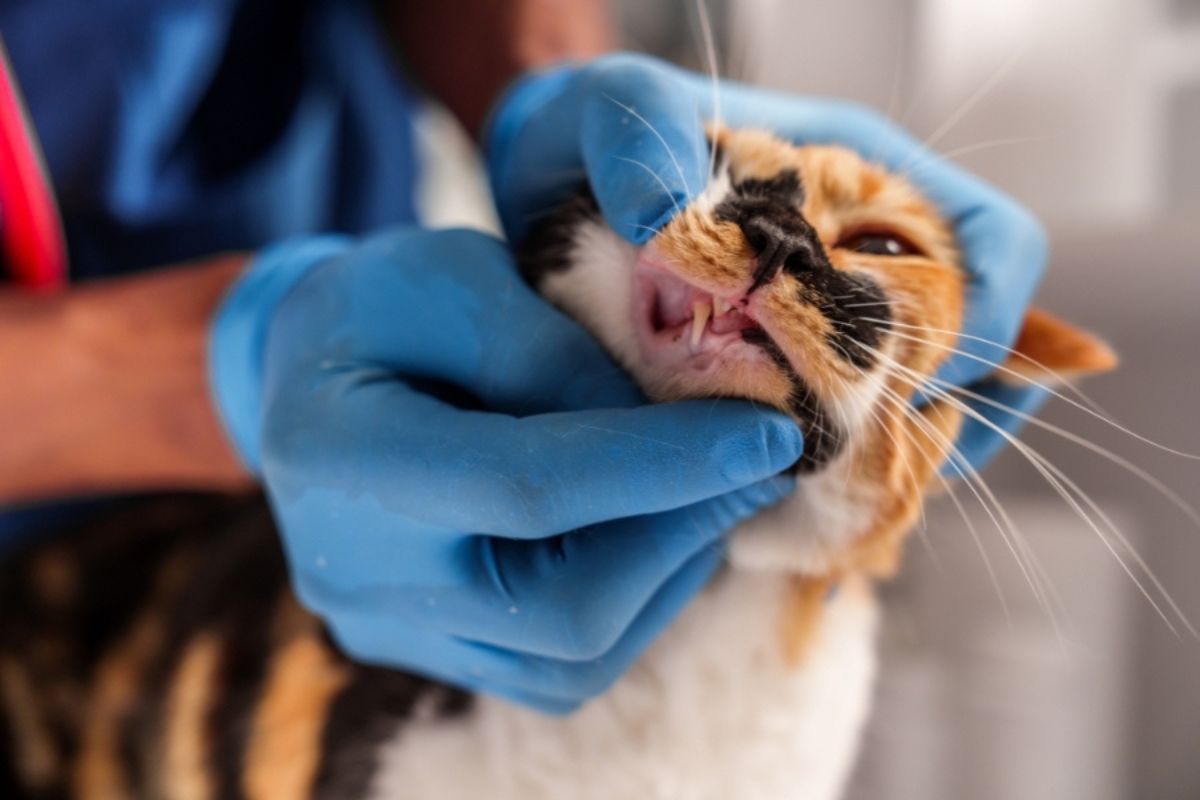
Retained canine teeth, the long pointed teeth near the front of the mouth, are especially common. However, other baby teeth can remain too.
Why Do Some Baby Teeth Stay in Place?
A baby tooth may remain because the developing permanent tooth does not follow the expected path. Without normal pressure and root breakdown, the baby tooth may stay attached even after its replacement appears.
Small and toy breeds, including Chihuahuas, Yorkshire Terriers, and Pomeranians, have a higher risk. Inherited patterns of tooth development and limited space within the jaw may contribute. Larger puppies can develop the condition as well.
Sometimes, a baby tooth remains because its permanent replacement is missing or trapped beneath the gums. A dental examination and X-rays help our vets distinguish these situations before recommending treatment.
What Problems Can Retained Puppy Teeth Cause?
- Crooked permanent teeth: A baby tooth can push its adult replacement out of position. If the bite develops incorrectly, a tooth may press into the gums or roof of the mouth, causing pain.
- Gum inflammation: Food and plaque collect easily between closely spaced teeth. These areas are difficult to clean and can contribute to irritated gums and early periodontal disease.
- Chewing discomfort: A puppy with a painful bite might favor one side of the mouth, drop food, or avoid firm toys. Some puppies continue eating normally, so a healthy appetite does not rule out discomfort.
- Injury to nearby tissues: Misaligned teeth can rub against other teeth or soft tissue. Treating the problem early may prevent further damage, although removing a retained tooth cannot always correct an established bite abnormality.
Signs That Your Puppy Needs a Dental Check
The clearest sign is a double row of teeth, especially where the canine teeth grow. Other clues include red gums, persistent bad breath, crooked teeth, difficulty chewing, or sensitivity when you touch the mouth.
You do not need to wait for symptoms to appear. Some puppies have retained teeth without showing pain. During routine visits, our vets check tooth eruption and look for changes that owners may not notice at home.
If your puppy develops significant oral pain, swelling, or difficulty eating, contact a veterinarian promptly.
When Should Retained Puppy Teeth Be Removed?
When a permanent tooth begins erupting beside a baby tooth that is still firmly attached, prompt veterinary assessment is important. In many cases, the retained tooth should be extracted without waiting until the puppy has finished teething. Delaying removal can allow the adult tooth to move into an abnormal position.
However, not every baby tooth that stays longer than expected needs extraction. If the permanent replacement is missing, for example, a healthy retained tooth may be left in place and monitored. The decision depends on tooth position, oral health, and dental X-ray findings.
Our vets recommend treatment based on what is happening in your puppy’s mouth, rather than age alone.
What Happens During Retained Tooth Removal?
Examination and Dental X-Rays
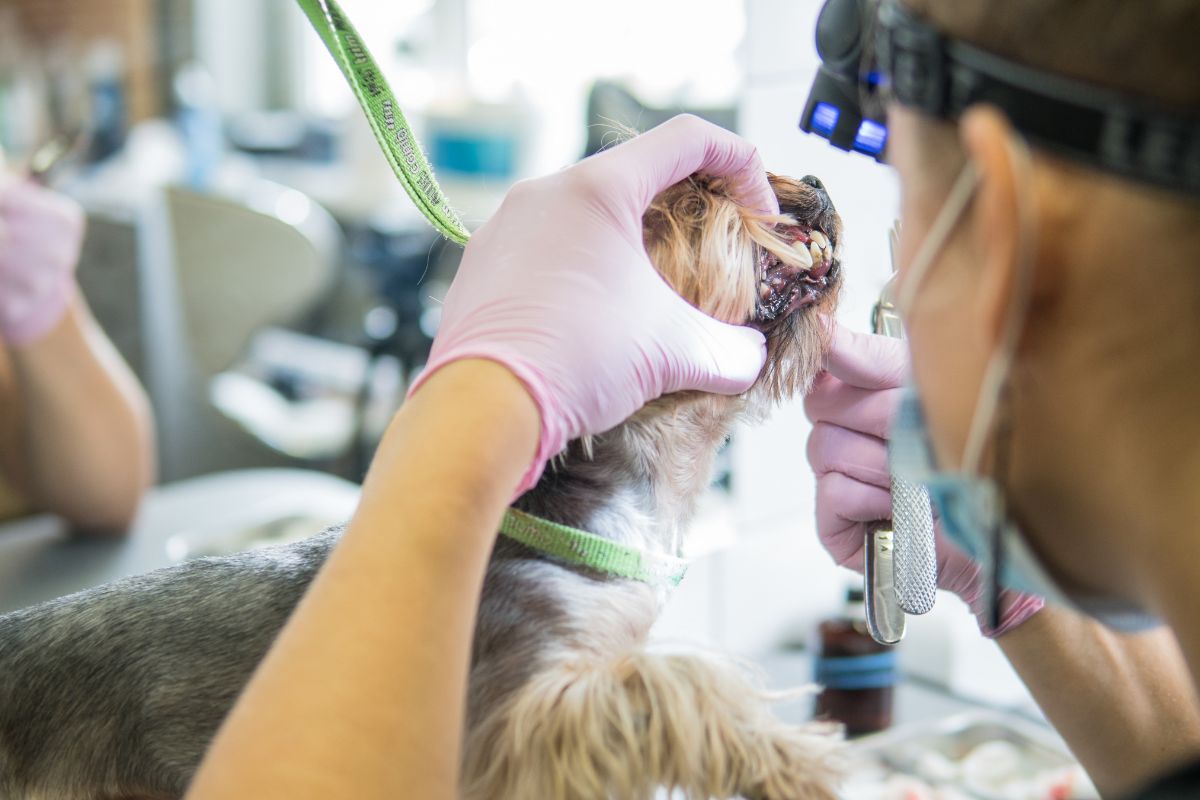
Our veterinary practice examines your puppy’s teeth, gums, and bite. Digital dental X-rays allow us to assess roots and nearby permanent teeth, including structures hidden beneath the gumline.
Extraction With Anesthesia
When removal is needed, the procedure takes place under general anesthesia with monitoring and pain management. Baby teeth can have long, delicate roots, so careful extraction helps protect the developing permanent teeth nearby.
Recovery at Home
Your puppy may need soft food, limited chewing, and prescribed medication while the area heals. Our team will explain aftercare and whether a recheck is necessary. Contact us if you notice persistent bleeding, increasing swelling, or difficulty eating after the procedure.
How Can You Care for Your Puppy’s Teeth at Home?
Early dental care starts with simple habits. Check your puppy’s mouth periodically during teething, especially between three and seven months. Look for adult teeth coming in beside baby teeth, but never try to pull a firmly attached tooth yourself.
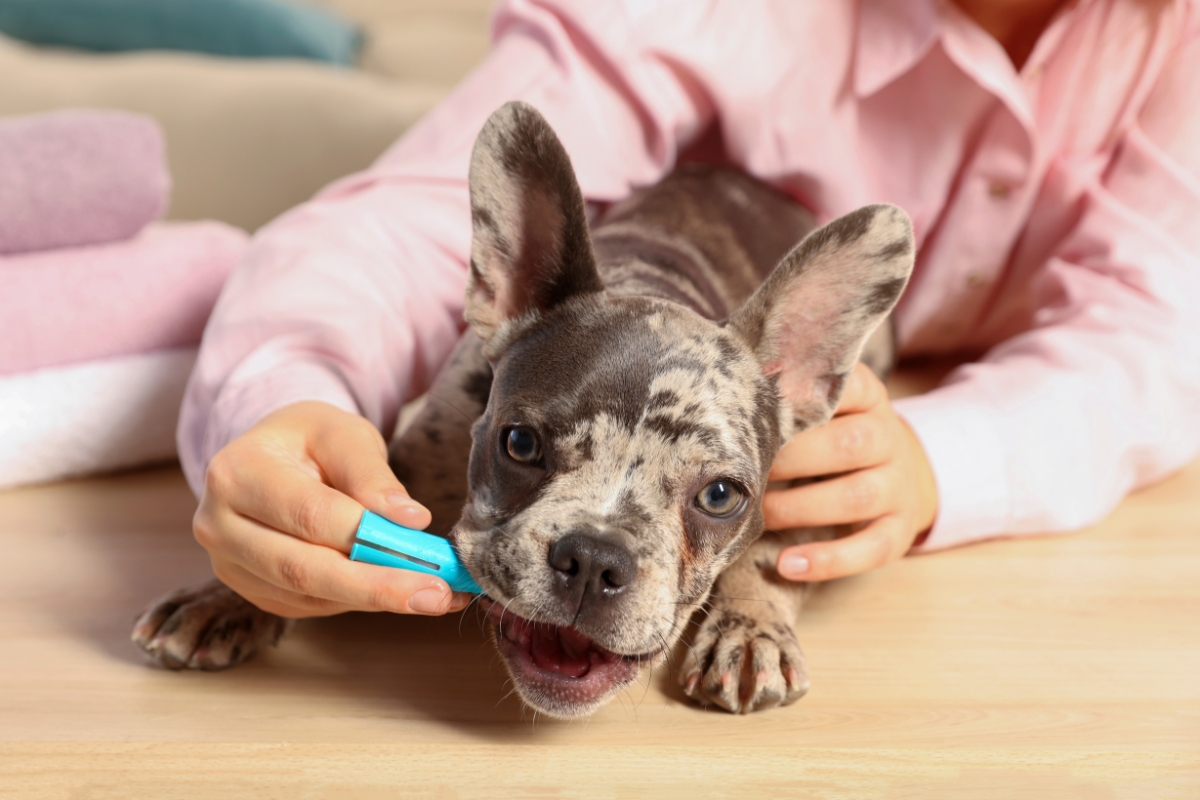
Introduce gentle brushing with a dog-specific toothbrush and toothpaste. Choose puppy-safe chew toys, and avoid bones or extremely hard objects that could fracture teeth. If the gums are sore, pause brushing that area and ask your veterinarian for guidance.
Regular puppy examinations also matter. Professional dental care for puppies allows our vets to track tooth development and address problems before they become more complicated.
Help Your Puppy Grow Into a Healthier Smile
Retained puppy teeth may look like a small change, but they can interfere with adult tooth alignment and make the mouth harder to keep clean. A timely dental examination gives your puppy a better chance of avoiding ongoing discomfort and preventable complications.
Our veterinary practice in Westerville, OH, helps families recognize dental concerns early and understand their treatment options. Have you noticed overlapping teeth or unusual chewing? Contact our team today to schedule your puppy’s dental examination.
Frequently Asked Questions
Q1. Do all puppies lose their baby teeth naturally?
Ans. Most do. Baby teeth usually fall out as permanent teeth emerge, but some remain attached. If you see two teeth occupying the same area, arrange a veterinary examination rather than assuming the baby tooth will fall out later.
Q2. Are retained puppy teeth painful?
Ans. They are not always painful at first. Problems can develop when crowded teeth trap plaque or when a permanent tooth presses into nearby tissue. Your puppy may continue eating even when the mouth is uncomfortable.
Q3. Can I remove a loose puppy tooth at home?
Ans. Do not pull or twist a puppy tooth yourself. Even a tooth that looks loose may have a remaining root, and pulling it can injure the gums or a developing adult tooth. Let a veterinarian evaluate it.
Q4. Where can I get my puppy’s teeth checked in Westerville?
Ans. WestVets Maxtown Veterinary Clinic examines developing teeth and bite alignment in Westerville. Our vets can identify retained baby teeth and recommend dental X-rays when needed to plan appropriate care.
Q5. Does your Westerville veterinary clinic remove retained puppy teeth?
Ans. Yes. WestVets Maxtown Veterinary Clinic provides dental procedures, including extractions when indicated. Our team evaluates your puppy before treatment and uses monitored anesthesia during the procedure.
Q6. When should I schedule my puppy’s dental appointment in Westerville?
Ans. Contact WestVets Maxtown Veterinary Clinic as soon as you notice an adult tooth emerging beside a baby tooth. Our vets can check the bite, discuss whether removal is needed, and help you plan the next step.