7132 State Rt 3, Westerville Ohio 43082


A broken tooth in dogs can happen unexpectedly, whether they are chewing a hard toy, playing outside, or biting something they shouldn’t. Some fractures are easy to spot, while others remain hidden beneath the gumline. Even a small crack can cause discomfort, expose sensitive tissues, or lead to an infection if left untreated.
Dogs are remarkably good at hiding dental pain. Your dog may continue eating, playing, and behaving normally despite having a damaged tooth. This makes it important for pet owners to recognize subtle warning signs and understand when veterinary attention is necessary.
At our veterinary practice in Westerville, we understand how concerning it can be to discover that your dog has a broken tooth. Knowing what causes dental fractures, which symptoms require attention, and how treatment works can help you make informed decisions about your dog’s oral health.
What Causes a Broken Tooth in Dogs?
Dogs use their teeth for much more than eating. Chewing, carrying objects, and playing tug-of-war can place considerable pressure on their teeth. Although canine teeth are strong, they can fracture under excessive force.
Common causes include:
- Chewing hard objects: Bones, antlers, rocks, and hard nylon toys can damage tooth enamel.
- Accidental injuries: Falls, collisions, and other trauma can break teeth.
- Rough play: Biting hard objects or experiencing an impact during play can cause fractures.
- Weakened teeth: Advanced dental disease or previous damage can make teeth more vulnerable.
- Repetitive chewing: Repeated pressure on hard surfaces can gradually weaken tooth structures.
The large upper fourth premolars, commonly called carnassial teeth, are particularly vulnerable to fractures because dogs use them to crush and shear food.
Choosing safer chewing materials and scheduling routine dental examinations can help reduce the risk of tooth damage.
How Can You Tell if Your Dog Has a Broken Tooth?
Not every fractured tooth causes obvious symptoms. Some dogs show immediate discomfort, while others continue their normal activities.
Watch for these warning signs:
- A visible crack, chip, or missing portion of a tooth
- A pink, red, brown, or dark spot on the fractured surface
- Difficulty chewing or dropping food while eating
- Chewing primarily on one side of the mouth
- Excessive drooling or blood-tinged saliva
- Pawing at the mouth or rubbing the face
- Bad breath or swollen gums
- Reduced interest in hard food or chew toys
- Facial swelling, particularly beneath an eye
A dog may also become unusually quiet or resist having its face touched.
Important: A dog that continues eating may still have significant dental pain. If you notice a damaged tooth, schedule a veterinary examination rather than waiting for your dog to stop eating.
Are All Broken Dog Teeth Serious?
The severity of a broken tooth depends on how deeply the fracture extends and whether the inner tooth structures are exposed.
Minor Enamel Fractures
Small chips affecting only the enamel may not cause significant discomfort. However, a veterinarian should examine the tooth to determine whether deeper damage is present.
Fractures Exposing Dentin
Dentin lies beneath the enamel and contains microscopic channels connected to the tooth’s inner tissues. When exposed, it can cause sensitivity and increase the risk of bacterial contamination. These fractures may require treatment to protect the remaining tooth structure.
Fractures Exposing the Tooth Pulp
The pulp contains nerves, blood vessels, and connective tissue. When a fracture exposes it, bacteria can enter the tooth and cause inflammation, infection, or pulp death. These injuries require prompt veterinary assessment and generally need root canal treatment or extraction.
Fractures Extending Beneath the Gumline
Some fractures extend into the tooth root or surrounding supporting structures. These injuries can be difficult to identify through a visual examination alone. Dental X-rays help determine how far the damage extends.
When Does a Broken Dog Tooth Need Veterinary Attention?
Every suspected tooth fracture deserves veterinary evaluation, even when your dog appears comfortable.
Contact your veterinarian promptly if you notice:
- A visible pink or red area inside the damaged tooth
- Bleeding around the fracture
- Facial swelling or discharge near the gums
- Difficulty eating or noticeable mouth pain
- A loose or displaced tooth
- A fracture following an accident or facial injury
Severe facial trauma, uncontrolled bleeding, or significant swelling warrants immediate emergency evaluation.
Timely dog dental care can help prevent complications, including tooth-root infections and damage to surrounding tissues.
Avoid giving human pain medications or attempting to repair the tooth at home. Some medications commonly used by people are toxic to dogs.
How Do Veterinarians Diagnose a Broken Tooth?
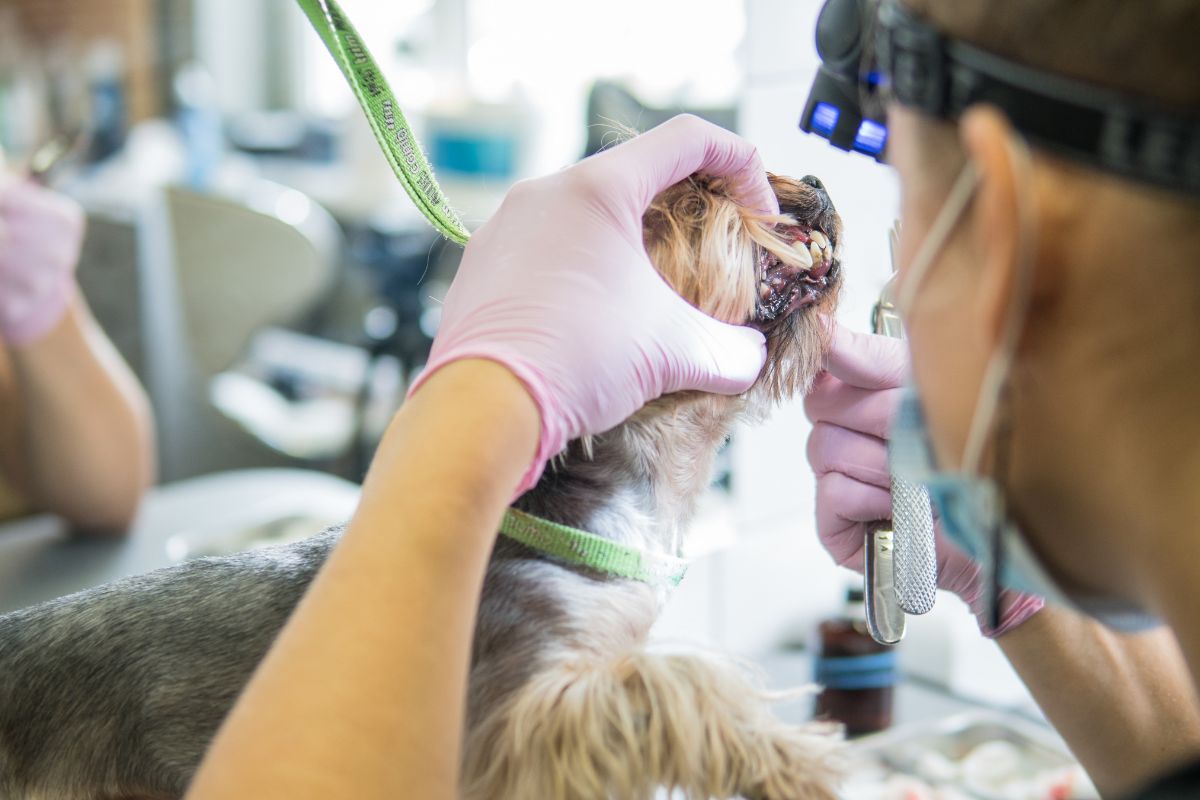
A veterinary dental examination helps determine the type of fracture and the most appropriate treatment. At our veterinary practice, evaluating a damaged tooth begins with reviewing your dog’s symptoms, chewing habits, and possible history of injury.
The examination may include:
Visual oral examination: Our vets check for fractures, discoloration, gum inflammation, and other visible abnormalities.
Dental probing: Under anesthesia, dental instruments can help assess the tooth and surrounding gum structures.
Dental X-rays: Intraoral radiographs reveal hidden damage involving the roots, surrounding bone, and tissues beneath the gumline.
Assessment of oral health: Other teeth are examined for periodontal disease, fractures, and additional concerns.
A complete dental assessment often requires anesthesia because painful or hidden areas cannot be evaluated thoroughly while a dog is awake.
The findings help determine whether the damaged tooth can be preserved or needs removal.
What Are the Treatment Options for a Broken Dog Tooth?
Treatment depends on the fracture’s severity, the tooth’s condition, and your dog’s overall health.
Monitoring and Protective Treatment
A minor enamel fracture may only require monitoring if the underlying dentin and pulp remain unaffected. For certain uncomplicated fractures, a veterinarian may recommend smoothing sharp edges or applying a protective sealant.
Root Canal Therapy
Root canal treatment may preserve a fractured tooth when the pulp is damaged or exposed. The procedure involves removing diseased pulp tissue, cleaning the internal canals, and sealing the tooth.
Root canal therapy is generally performed by a veterinarian with appropriate advanced dental training, often a veterinary dental specialist.
Tooth Extraction
Extraction may be recommended when the tooth cannot be preserved or when root canal treatment is not appropriate. It is commonly considered for severe fractures, extensive root damage, or teeth with significant periodontal disease. Removing the affected tooth eliminates the damaged structure and can relieve pain caused by the fracture.
Pain Management and Follow-Up
Depending on the procedure, your veterinarian may prescribe pain medication and recommend temporary dietary changes. Antibiotics are not automatically necessary for every fracture. Their use depends on the clinical findings. Our vets can explain the recommended treatment, expected healing process, and home care instructions based on your dog’s condition.
How Long Does Recovery Take After Broken Tooth Treatment?
Recovery varies depending on the procedure performed. Dogs undergoing uncomplicated dental procedures may return to their usual behavior relatively quickly. After extraction, gum tissues commonly require approximately 10 to 14 days for initial healing.
During recovery, your veterinarian may recommend:
- Feeding softened food for a specified period
- Avoiding hard treats, bones, and chew toys
- Giving prescribed medications exactly as directed
- Preventing activities that could injure the healing area
- Monitoring for swelling, bleeding, or reduced appetite
- Returning for follow-up examinations when recommended
Contact your veterinarian if your dog develops worsening swelling, persistent bleeding, severe discomfort, or difficulty eating after treatment.
How Can You Prevent Broken Teeth in Dogs?
Although accidents cannot always be prevented, simple changes can reduce the likelihood of dental fractures. Choose chew toys that bend slightly under pressure. A useful general rule is to avoid objects that are too hard to indent with your fingernail.
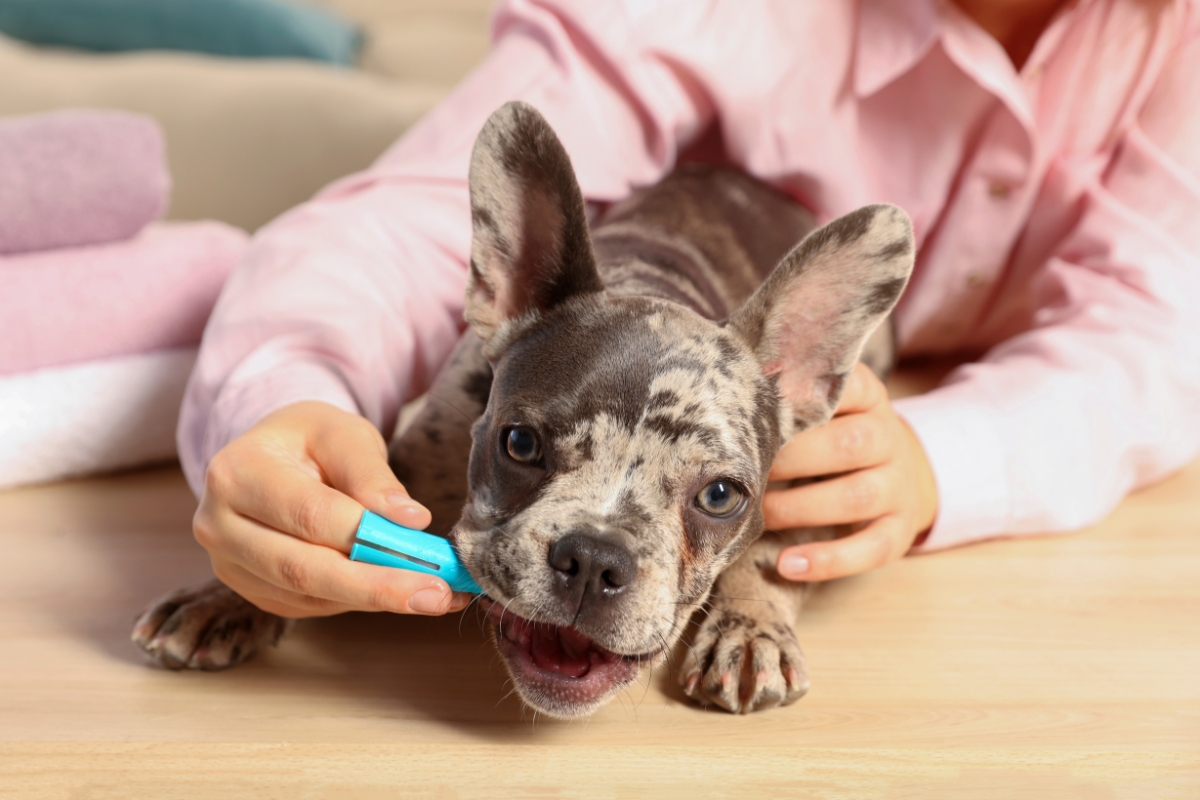
Avoid allowing your dog to chew rocks, antlers, hard bones, or similarly rigid objects. Regular dental examinations also help identify damaged teeth before complications develop. Consistent dog dental care, including appropriate home brushing and professional dental assessments, supports healthier teeth and gums throughout your dog’s life.
Give Your Dog Relief From Dental Pain
A broken tooth may seem like a small problem, especially when your dog continues eating and playing normally. However, untreated fractures can cause ongoing discomfort and lead to more serious dental complications.
At our veterinary practice in Westerville, we want every dog to enjoy eating, playing, and spending time with family without unnecessary oral pain. Our vets can assess damaged teeth, explain the findings, and help you understand the appropriate treatment options.
Concerned about your dog’s broken tooth? Contact our veterinary practice today to schedule a dental examination. Early attention can help protect your dog’s oral health and prevent avoidable discomfort.
Frequently Asked Questions
Q1. Can a dog’s broken tooth heal on its own?
Ans. No. Unlike bone, a fractured tooth cannot naturally repair its missing structure. Minor enamel chips may remain stable, but deeper fractures usually require veterinary treatment.
Q2. Is a broken dog tooth an emergency?
Ans. A fracture exposing the pulp requires prompt attention. Significant bleeding, facial swelling, severe pain, or traumatic injury may require emergency care.
Q3. Can dogs eat normally with a broken tooth?
Ans. Yes. Many dogs continue eating despite dental pain. Normal eating habits do not rule out a serious fracture or infection.
Q4. Where can I get my dog’s broken tooth examined in Westerville?
Ans. WestVets Maxtown Veterinary Clinic provides veterinary dental services in Westerville. Contact our team to arrange an examination and discuss appropriate next steps.
Q5. Can WestVets Maxtown Veterinary Clinic help identify hidden tooth damage?
Ans. Yes. WestVets Maxtown Veterinary Clinic can evaluate your dog’s oral health and determine whether additional dental assessment, including imaging, is appropriate.
Q6. When should I schedule a dental appointment for my dog in Westerville?
Ans. Contact WestVets Maxtown Veterinary Clinic as soon as you notice a cracked tooth, unusual chewing behavior, mouth discomfort, or other signs of dental injury.