7132 State Rt 3, Westerville Ohio 43082


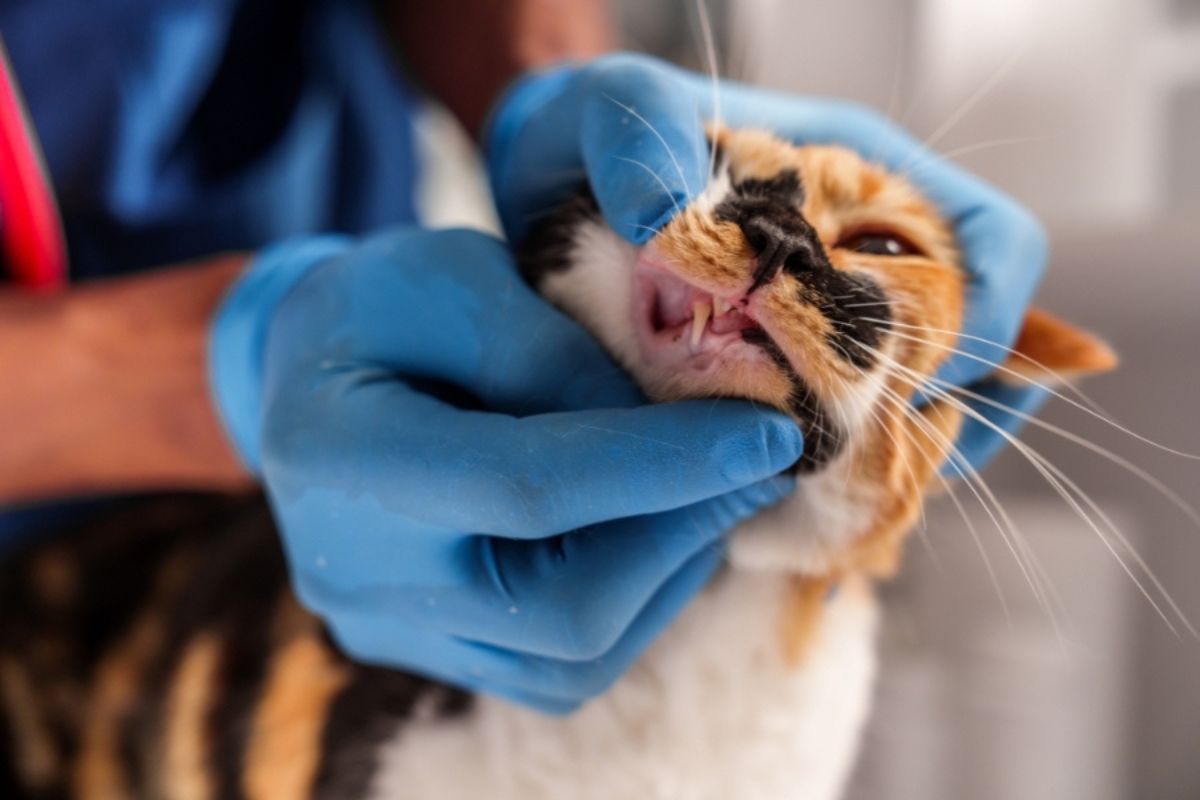
Your cat may finish every meal, play with favorite toys, and behave normally while dealing with a painful dental condition. Cats are remarkably good at hiding discomfort, making oral health problems difficult to recognize at home. One condition that often goes unnoticed is tooth resorption, which gradually destroys a tooth’s structure and can cause considerable pain. Recognizing subtle changes in your cat’s eating habits or behavior can help you seek veterinary attention before the damage becomes more severe.
For cat owners in Westerville, understanding tooth resorption is an important part of protecting their feline companion’s health. This guide explains the warning signs, stages of tooth damage, and available treatments. It also discusses how timely pet dentistry can help your cat eat comfortably and maintain a healthier mouth.
What Is Tooth Resorption in Cats?
Tooth resorption is a dental condition in which the body’s own cells gradually break down the hard structure of a tooth. The damage may begin below the gumline, where it cannot be seen during a routine look inside your cat’s mouth.
As the condition progresses, the destruction can extend into the crown, which is the visible part of the tooth. In advanced cases, the tooth becomes severely damaged or may eventually disappear beneath the gum tissue.
Unlike ordinary cavities, feline tooth resorption does not result primarily from bacterial decay. The exact cause remains unknown, although researchers continue to investigate several possible contributing factors.
The condition is particularly common in adult and older cats, but younger cats can develop it as well. Multiple teeth may be affected, sometimes at different stages of damage.
As early changes are often hidden, veterinary examinations and dental X-rays play an important role in identifying the condition.
What Are the Symptoms of Cat Tooth Resorption?
Some cats continue eating even when a tooth is badly damaged. Others develop noticeable changes that owners may mistake for picky eating or normal aging.
Changes in Eating Habits
Dental discomfort may cause your cat to behave differently around food. Watch for these warning signs:
- Dropping food while chewing
- Chewing primarily on one side of the mouth
- Swallowing dry food without chewing properly
- Preferring soft food over crunchy kibble
- Tilting the head while eating
- Approaching food but hesitating to eat
A cat that suddenly stops eating needs prompt veterinary attention. Prolonged food refusal can lead to serious health complications.
Visible Changes Inside the Mouth
Tooth resorption can sometimes produce visible abnormalities, including:
- Red or inflamed gums around a particular tooth
- A pinkish area where the tooth meets the gum
- A damaged or irregular tooth surface
- Excessive salivation or occasional blood-tinged saliva
The pink area may be gum tissue growing over a damaged portion of the tooth. However, not every affected tooth develops a visible lesion.
Behavioral Changes
Oral pain can also influence your cat’s behavior. A normally affectionate cat may become withdrawn, resist having its face touched, or spend more time hiding.
Some cats stop grooming regularly or become irritable when eating. These changes deserve attention, especially when they appear alongside dental symptoms.
Important: A normal appetite does not rule out tooth resorption. Some cats continue eating despite substantial dental pain.
Understanding the Five Stages of Cat Tooth Resorption
Veterinarians classify tooth resorption into five stages based on how much tooth structure has been damaged.
Stage 1: Early Surface Damage
The earliest stage involves mild damage to the tooth’s hard outer tissues. Changes may be extremely small and difficult to identify without a detailed dental examination. The deeper dentin and pulp remain unaffected at this stage.
Stage 2: Damage Extends Into the Dentin
The destruction progresses into the dentin, the hard tissue beneath the enamel. However, it has not yet reached the pulp cavity containing nerves and blood vessels. A visible defect may begin to appear, although some changes remain concealed beneath the gums.
Stage 3: Damage Reaches the Tooth Pulp
At this stage, the destruction reaches the pulp cavity, where sensitive nerve tissue is located. Most of the tooth still retains its basic structure, but the damage can be particularly painful.
Stage 4: Extensive Tooth Destruction
A substantial portion of the tooth’s structure has been lost. The crown, root, or both may be severely affected. The tooth may appear broken or partially covered by gum tissue.
Stage 5: Remaining Tooth Material Becomes Hidden
In the final stage, the remaining tooth material is no longer visible above the gumline. Dental X-rays may show small remnants within the jaw. The gum tissue has grown over the affected area.
Why does staging matter?
These stages describe the extent of tooth destruction, but they do not always reveal how much pain a cat is experiencing.
Veterinarians also classify resorption by its appearance on X-rays. These different types help determine whether complete extraction, carefully selected crown removal, or continued monitoring is appropriate.
How Do Veterinarians Diagnose Tooth Resorption?
A reliable diagnosis requires more than looking at the visible surfaces of your cat’s teeth. During an initial examination, our vets assess the mouth for inflammation, damaged teeth, and other signs of oral disease.
They also consider changes in appetite, chewing habits, and behavior. When tooth resorption is suspected, a comprehensive dental assessment under anesthesia may be recommended.
Why Dental X-Rays Are Important
Dental X-rays reveal changes that cannot be identified through a visual examination alone.
They help veterinarians:
- Identify damaged roots beneath the gumline
- Determine the stage and type of tooth resorption
- Examine teeth that appear normal from the outside
- Identify additional dental problems
- Decide which treatment approach is appropriate
Our veterinary practice provides full-mouth digital dental X-rays, allowing our team to assess visible teeth and underlying structures.
We also use monitored anesthesia during dental procedures. This allows our vets to examine the mouth thoroughly while keeping the patient comfortable and monitoring vital signs.
What Are the Treatment Options for Cat Tooth Resorption?
Treatment depends on the tooth’s condition, X-ray findings, and whether the affected area is causing discomfort.
The primary goal is to eliminate pain and address damaged teeth before they cause further problems.
Tooth Extraction
Extraction is the standard treatment for teeth with painful, clinically significant resorption.
Once a tooth has developed substantial structural damage, it cannot repair itself. Removing the affected tooth eliminates that source of dental pain.
Our vets evaluate the tooth and surrounding structures before planning the procedure. Pain management, careful surgical techniques, and postoperative monitoring support your cat throughout treatment.
Many cats return to comfortable eating after healing from their pet dentistry.
Crown Amputation in Selected Cases
Some cats develop a form of resorption in which portions of the roots gradually become replaced by bone-like tissue.
When specific conditions are confirmed through dental X-rays, a veterinarian may recommend removing the affected crown while leaving appropriate root remnants beneath the gums.
This procedure is not suitable for every cat. It should not be performed when certain inflammatory or infectious conditions are present.
Monitoring Certain Early Changes
Occasionally, dental X-rays reveal resorption affecting only the root, without an exposed lesion or signs of discomfort.
In carefully selected cases, a veterinarian may recommend monitoring the tooth through regular examinations and repeat imaging.
However, monitoring does not reverse the condition. Treatment may become necessary if the damage progresses.
Pain Control and Recovery Care
Pain medication supports comfort during treatment and recovery, but medication alone cannot repair an affected tooth.
Following an extraction, your cat may need temporary dietary adjustments, prescribed medications, and follow-up care.
Our veterinary practice provides individualized recovery instructions so owners understand how to care for their cats after dental treatment.
Help Your Cat Eat Comfortably Again
Tooth resorption can quietly affect how your cat eats, behaves, and enjoys everyday life. Although the damage cannot be reversed, timely diagnosis and appropriate treatment can relieve dental pain and help restore comfort. Recognizing changes early gives your cat a better opportunity to receive care before the condition becomes more advanced.
If your cat is showing signs of dental discomfort, our veterinary practice in Westerville is here to help. From comprehensive dental examinations to diagnostic imaging and necessary treatment, our team is committed to protecting your cat’s oral health.
Contact our veterinary practice today at 614-890-7297 to schedule a dental appointment and help your cat return to comfortable, pain-free eating.
Frequently Asked Questions
Q1. Is tooth resorption painful for cats?
Ans. Yes. Tooth resorption can cause significant pain, especially when damage reaches sensitive internal tooth structures. However, cats often hide their discomfort and may continue eating normally. Dental X-rays and veterinary examinations help identify affected teeth even when obvious symptoms are absent.
Q2. Can a cat live comfortably after having several teeth removed?
Ans. Yes. Many cats eat comfortably and maintain their normal routines after healing from dental extractions. Removing painful teeth can improve their quality of life. Your veterinarian will provide feeding and recovery instructions based on the number and location of teeth removed.
Q3. Can antibiotics cure cat tooth resorption?
Ans. No. Antibiotics cannot reverse tooth resorption because the condition involves the destruction of tooth structure rather than a simple bacterial infection. They may be prescribed for a separate infection when indicated, but affected teeth often require extraction or another appropriate dental treatment.
Q4. Where can I get my cat checked for tooth resorption in Westerville?
Ans. WestVets Maxtown Veterinary Clinic provides comprehensive dental examinations and digital dental X-rays for cats in Westerville. Our vets examine the teeth and surrounding structures to identify possible resorptive damage and determine whether further treatment is necessary.
Q5. Does your veterinary clinic in Westerville offer tooth extractions for cats?
Ans. Yes. WestVets Maxtown Veterinary Clinic offers veterinary dental procedures, including tooth extractions. Our team uses monitored anesthesia and evaluates dental imaging before planning treatment. We also provide postoperative instructions to help owners support their cats during recovery.
Q6. How often should my cat receive dental examinations in Westerville?
Ans. Most cats should have their teeth examined at least annually, although some need more frequent evaluations. At WestVets Maxtown Veterinary Clinic, our vets recommend a dental care schedule based on your cat’s age, oral health, and history of dental disease. Cats previously diagnosed with tooth resorption may need additional monitoring.