7132 State Rt 3, Westerville Ohio 43082



Dental health can influence much more than a pet’s breath or teeth. Dogs and cats experiencing oral discomfort may gradually change how they eat, play, interact, groom themselves, or respond to routine handling. Because these changes can be subtle, pet owners may mistake them for aging, stubbornness, stress, or a simple change in personality.
At WestVets Maxtown Veterinary Clinic, understanding these behavioral clues can be an important part of maintaining a pet’s overall well-being. Pets often hide signs of pain, so recognizing changes in everyday behavior can help owners identify when a dental evaluation may be appropriate.
How Dental Problems Can Affect Pet Behavior
Dental disease can cause inflammation, infection, and discomfort involving the teeth, gums, and surrounding tissues. Even when a pet continues eating normally, chronic oral pain may affect daily activities.
Some behavioral changes associated with dental discomfort include:
- Becoming less interested in toys or chewing
- Dropping food while eating
- Eating more slowly
- Preferring soft food
- Avoiding hard treats
- Becoming irritable or less social
- Pawing at the mouth
- Excessive drooling
- Resisting facial or mouth handling
- Changes in grooming behavior
Not every behavior change indicates a dental problem. However, a noticeable or persistent change deserves attention, particularly when accompanied by bad breath, red gums, visible tartar, or difficulty eating.
Why Pets May Hide Dental Pain
Dogs and cats can be remarkably good at masking discomfort. In the wild, showing weakness can make an animal vulnerable, so pets may continue normal routines despite having painful dental conditions.
This can make oral disease difficult to recognize during its early stages. A pet may still eat, walk, and play while experiencing ongoing mouth discomfort.
Pet owners should therefore look beyond obvious signs such as refusing food. Subtle changes in behavior can sometimes provide an earlier indication that something is wrong.
Changes in Eating Habits Can Be a Clue
One of the most noticeable effects of oral discomfort is a change in eating behavior.
A dog or cat with dental pain may:
- Chew on only one side of the mouth
- Drop pieces of food
- Hesitate before eating
- Swallow food without chewing
- Take longer to finish meals
- Avoid dry food or hard treats
- Show interest in food but walk away
These signs do not necessarily mean a pet has dental disease. Gastrointestinal problems, stress, and other medical conditions can also affect appetite and eating patterns. A veterinary examination can help determine the underlying cause.
Dental Health and Play Behavior
Chewing is a natural activity for many dogs, while cats may use their mouths during play and grooming. Oral discomfort can make these activities less appealing.
A dog that previously enjoyed chew toys may suddenly ignore them. A cat may stop engaging with toys that require biting or grabbing. These changes can be easy to overlook because pets may remain interested in other activities.
A sudden reduction in chewing or play, particularly when combined with other oral symptoms, can warrant a dental assessment.
Can Dental Pain Affect a Pet’s Mood?
Chronic discomfort can influence how a pet interacts with people and other animals. A normally friendly pet may become withdrawn, irritable, or less tolerant of being touched around the face.
Some pets may seek more attention, while others may prefer to be left alone. These behavioral changes are not proof of dental disease, but they can provide useful information when considered alongside physical symptoms.
Owners should avoid assuming that a pet has simply become “grumpy” with age. A medical cause should be considered whenever a significant behavior change develops.
Common Signs of Dental Disease to Watch For
Behavioral changes become more meaningful when they occur alongside physical signs of oral disease.
Watch for:
- Persistent bad breath
- Red, swollen, or bleeding gums
- Yellow or brown buildup on teeth
- Loose or damaged teeth
- Excessive drooling
- Blood on toys or food
- Facial swelling
- Pawing at the mouth
- Difficulty chewing
- Reduced interest in food
Some dental problems are located below the gumline and cannot be identified simply by looking at the visible teeth. Professional evaluation may be necessary to assess the condition of the mouth more thoroughly.
How Pet Owners Can Support Better Oral Health
Daily home care can play an important role in maintaining oral health. Depending on the pet’s temperament and veterinary recommendations, brushing with pet-safe toothpaste can help reduce plaque accumulation.
Other helpful habits include:
- Start gradually: Introduce toothbrushing slowly so your pet can become comfortable with the process.
- Use pet-specific products: Human toothpaste may contain ingredients that are unsafe for pets.
- Monitor the mouth: Look for changes in the gums, teeth, breath, and behavior.
- Maintain veterinary examinations: Regular wellness visits provide opportunities to identify oral health concerns.
- Follow professional recommendations: Your veterinarian can recommend appropriate preventive care based on your pet’s individual needs.
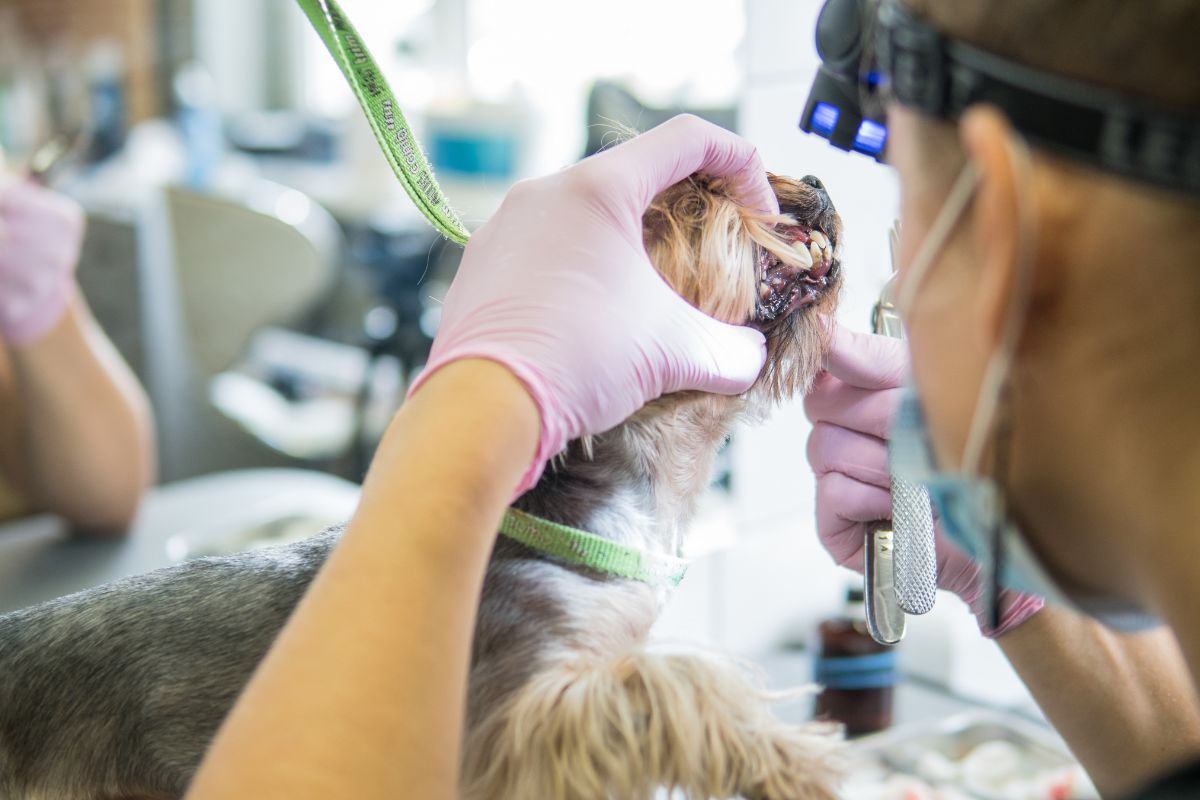
Professional pet dentistry may be recommended when dental disease requires more comprehensive evaluation or treatment than home care can provide.
When Should You Contact a Veterinarian?
A veterinary appointment is appropriate when behavioral changes persist or occur with signs of oral discomfort. Prompt evaluation is particularly important when a pet has facial swelling, significant bleeding, difficulty eating, severe pain, or stops eating.
Early attention can help identify dental disease before discomfort becomes more advanced and may support better overall quality of life.
Supporting Your Pet’s Overall Well-Being
Dental health and everyday behavior can be more closely connected than many pet owners realize. Paying attention to changes in eating, chewing, grooming, play, and social behavior can provide valuable clues about your pet’s comfort.
For comprehensive preventive and dental care in Westerville, OH, schedule your appointment with WestVets Maxtown Veterinary Clinic to discuss changes in your pet’s oral health or behavior.
Frequently Asked Questions
Q1. Can dental problems really change a pet’s behavior?
Ans: Yes. Oral pain and inflammation may cause some pets to become less playful, more withdrawn, irritable, or reluctant to interact or chew. Behavioral changes should be evaluated rather than automatically attributed to personality or aging.
Q2. Why does my dog suddenly avoid chew toys?
Ans: Avoiding chew toys can be associated with oral discomfort, although other factors can also cause this change. Dental disease, damaged teeth, or gum inflammation are possible causes and should be considered if the change persists.
Q3. Can cats have dental pain even if they are still eating?
Ans: Yes. Cats can continue eating despite oral discomfort. Eating more slowly, dropping food, preferring softer foods, or changing chewing habits may be subtle signs of a dental problem.
Q4. Is bad breath normal in dogs and cats?
Ans: Persistent unpleasant breath should not be considered normal. It can be associated with plaque, periodontal disease, infection, or other health conditions and warrants veterinary evaluation.
Q5. How often should my pet’s teeth be checked?
Ans: Dental health should be assessed during routine veterinary examinations. The appropriate frequency of professional dental care depends on your pet’s age, oral health, breed, medical history, and individual risk factors.
Q6. What can I do at home to protect my pet’s teeth?
Ans: Regular toothbrushing with pet-safe toothpaste, appropriate dental products, and routine veterinary examinations can support oral health. Ask your veterinarian which products and techniques are appropriate for your pet.