7132 State Rt 3, Westerville Ohio 43082



Adopting a rescue cat is an exciting experience, but it also comes with the responsibility of understanding the cat’s previous health history and establishing a foundation for lifelong wellness. Dental health is an important part of that process. Cats can develop plaque, tartar, gum inflammation, and painful dental disease without showing obvious signs at home. A dental evaluation soon after adoption can help identify concerns that may otherwise go unnoticed.
For newly adopted cats, WestVets Maxtown Veterinary Clinic can help pet owners establish an appropriate preventive care plan, including an assessment of oral health. Rescue cats may have experienced inconsistent nutrition, limited preventive care, or unknown medical histories, making an initial oral examination particularly useful. Understanding what happens during a cat dental cleaning can also make the process less stressful for both the cat and the owner.
Why Dental Health Matters for Rescue Cats
Cats are skilled at hiding discomfort. A cat with dental disease may continue eating and behaving normally even when the mouth is painful. This can make it difficult for new owners to recognize an oral health problem.
Dental disease begins when bacteria and food debris accumulate on the teeth and form plaque. If plaque is not removed, it can harden into tartar. Over time, bacteria can contribute to inflammation and infection around the teeth and gums.
Common oral problems in cats include:
- Plaque and tartar buildup
- Gingivitis
- Periodontal disease
- Tooth resorption
- Broken or damaged teeth
- Oral infections
- Pain associated with diseased teeth
Rescue cats can be especially challenging to assess because their previous dental history may be unknown. A professional examination provides an opportunity to establish a baseline and identify problems before they progress.
Should a Newly Adopted Rescue Cat Have a Dental Exam?
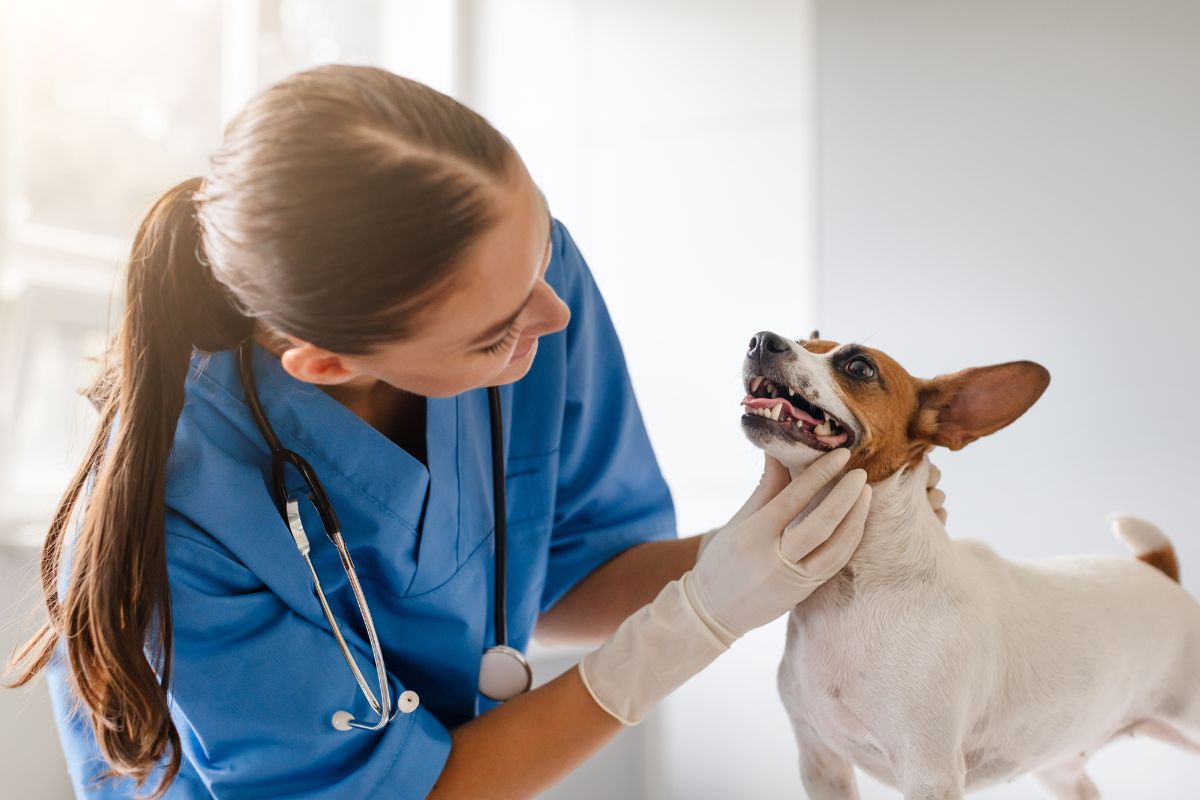
A dental evaluation can be an important part of a newly adopted cat’s initial veterinary assessment. Whether a professional cleaning is needed depends on the cat’s age, oral condition, medical history, and findings during the examination.
During the initial evaluation, the veterinarian may look for:
- Red, swollen, or bleeding gums
- Visible tartar
- Bad breath
- Loose or damaged teeth
- Difficulty chewing
- Missing teeth
- Signs of oral pain
- Abnormal growths or lesions
A cat with significant tartar, gum inflammation, or suspected tooth disease may need a more comprehensive dental assessment.
What Happens During a Cat Dental Cleaning?
Professional cat dental cleaning is different from simply brushing a cat’s teeth at home. A thorough procedure requires appropriate veterinary equipment and careful evaluation of the mouth.
1. Pre-Dental Examination
The process typically begins with a physical examination and review of the cat’s health history. The veterinarian considers factors such as age, weight, existing medical conditions, medications, and previous reactions to anesthesia.
Bloodwork may also be recommended, particularly for older cats or cats with medical concerns. The purpose is to help evaluate overall health and determine whether additional precautions are appropriate.
2. Anesthesia
Professional dental cleaning in cats generally requires general anesthesia. Cats cannot reliably remain still for a complete oral examination and cleaning while awake, and anesthesia allows the veterinary team to work safely and thoroughly.
It also allows the veterinarian to examine areas below the gumline that cannot be properly assessed during a routine awake examination.
3. Dental Examination and Cleaning
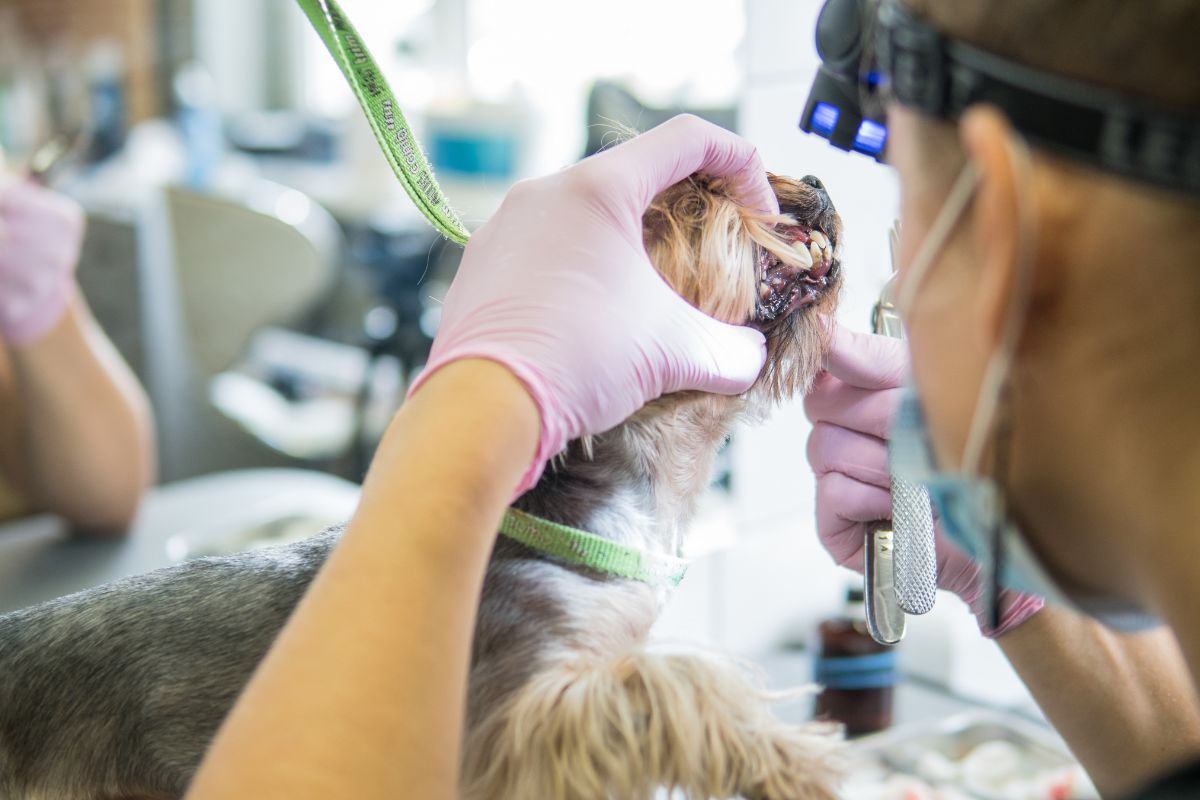
Once the cat is anesthetized, the veterinary team can inspect each tooth and the surrounding tissues. Dental instruments are used to remove plaque and tartar from tooth surfaces.
The teeth are then polished to create a smoother surface that makes future plaque accumulation less likely.
4. Dental X-Rays
Dental radiographs can reveal problems that are not visible from the outside of the tooth. This is particularly important in cats because conditions such as tooth resorption can occur beneath the gumline.
X-rays may help identify:
- Damaged tooth roots
- Bone loss
- Tooth resorption
- Hidden infection
- Problems beneath the gumline
Based on these findings, extraction of diseased or painful teeth may sometimes be recommended.
5. Recovery and Monitoring
After the procedure, the cat is monitored as anesthesia wears off. The veterinary team may provide instructions regarding food, medications, oral care, and activity during recovery.
If extractions were performed, the recovery plan may include softer food for a specified period and prescribed pain management.
Signs Your Rescue Cat May Have Dental Problems
Some cats show clear signs of oral discomfort, while others show very subtle changes. Watch for changes such as:
- Persistent bad breath
- Drooling
- Pawing at the mouth
- Chewing on one side
- Dropping food
- Difficulty eating
- Reduced appetite
- Preference for softer food
- Red or bleeding gums
- Swelling around the mouth
- Weight loss
- Irritability or changes in behavior
A cat does not need to stop eating before dental disease becomes serious. Even mild behavioral changes can warrant an oral examination.
How to Prepare Your Cat for a Dental Appointment
Rescue cats may already have experienced stressful situations, so preparing for a veterinary visit can help make the experience easier.
Use a Comfortable Carrier
Leave the carrier in an accessible area before the appointment rather than bringing it out only when it is time to leave. Place familiar bedding inside and allow the cat to investigate it voluntarily.
Minimize Travel Stress
Keep the carrier secure during transportation. A quiet environment and gentle handling can help reduce anxiety.
Follow Pre-Anesthetic Instructions
If anesthesia is planned, the veterinary team will provide specific instructions about food and water before the procedure. Follow those instructions carefully and contact the clinic if anything is unclear.
Tell the Veterinary Team About Your Cat’s History
Share everything known about the rescue cat’s health, including previous medical records, medications, vaccinations, appetite changes, and behavioral observations.
If the medical history is incomplete, simply let the veterinary team know. Unknown history is common with newly adopted rescue animals.
Caring for Your Cat’s Teeth at Home
Professional cleaning is only one part of maintaining oral health. Daily home care can help reduce plaque accumulation between veterinary dental examinations.
Introduce Tooth Brushing Gradually
Do not immediately force a toothbrush into a cat’s mouth. Start by allowing the cat to become comfortable with gentle handling around the face and mouth.
Once the cat tolerates this, gradually introduce a feline toothbrush and veterinary-approved toothpaste.
Never use human toothpaste for cats because some ingredients may be unsafe if swallowed.
Choose Appropriate Dental Products
Veterinary dental products may include specially designed toothbrushes, dental diets, treats, and other oral-care products. When possible, look for products that have been evaluated through recognized veterinary dental standards.
Make Dental Care Routine
Consistency is more important than occasional intensive cleaning. Ideally, tooth brushing should become part of the cat’s regular routine, but even partial cooperation can be a useful starting point.
If a cat strongly resists brushing, ask a veterinary professional about alternative approaches.
How Often Should a Cat Have a Dental Cleaning?
There is no universal schedule that applies to every cat. Some cats may develop dental disease more quickly than others because of age, genetics, oral anatomy, previous dental problems, or other health factors.
Regular veterinary examinations allow the condition of the mouth to be monitored over time. A veterinarian can recommend whether professional cleaning is appropriate and how frequently the cat should receive oral evaluations.
Newly adopted adult and senior cats may benefit from establishing a dental baseline early, especially when previous dental records are unavailable.
Is Professional Cat Dental Care Worth It?
Preventive dental care can help identify oral disease before it becomes more advanced. Treating dental problems early may help reduce discomfort and preserve healthy teeth when possible.
Dental care is also part of comprehensive pet dentistry, which focuses on maintaining oral health and addressing conditions that affect the teeth, gums, and surrounding structures.
For rescue cat owners, establishing an ongoing dental routine can be particularly valuable. A cat that receives regular examinations, appropriate professional care, and consistent home dental care has a better opportunity for maintaining good oral health throughout its life.
Creating a Long-Term Dental Routine for Your Rescue Cat
A newly adopted cat’s dental care should become part of its overall preventive health plan. Start by arranging a veterinary examination, documenting any existing oral problems, and following the recommended treatment plan.
At home, monitor eating habits, breath, grooming behavior, and general comfort. Cats can hide pain, so small changes may be meaningful.
As your cat becomes more comfortable in its new home, gradually introduce tooth brushing and other veterinarian-approved oral-care practices. Regular checkups can then help track changes in dental health over time.
For pet owners in Westerville, OH, schedule your appointment with WestVets Maxtown Veterinary Clinic to have a newly adopted rescue cat’s oral health evaluated and establish an appropriate dental care plan.
FAQs
Q1. Should I have my newly adopted rescue cat’s teeth checked?
Ans: Yes. A dental examination can help identify plaque, tartar, gum disease, damaged teeth, or other oral problems, particularly when the cat’s previous veterinary history is unknown.
Q2. Can a cat’s teeth be cleaned without anesthesia?
Ans: A complete professional dental cleaning generally requires anesthesia because it allows the veterinary team to safely examine and clean the teeth, including areas below the gumline. It also permits dental radiographs and treatment of identified problems when necessary.
Q3. How can I tell if my rescue cat has dental pain?
Ans: Signs can include bad breath, drooling, pawing at the mouth, chewing differently, dropping food, reduced appetite, difficulty eating, or changes in behavior. Some cats may show very few obvious symptoms despite having dental disease.
Q4. Can I brush my rescue cat’s teeth at home?
Ans: Yes. Tooth brushing can help control plaque when introduced gradually and performed consistently. Use a toothbrush and toothpaste specifically intended for cats, and never use human toothpaste unless specifically directed by a veterinarian.
Q5. What should I feed my cat after dental cleaning?
Ans: Feeding instructions depend on the procedure performed. A cat may be able to return to its regular food after a routine cleaning, while cats that have undergone extractions may need softer food temporarily. Follow the veterinary team’s specific instructions.
Q6. How often does my cat need professional dental cleaning?
Ans: The frequency varies between individual cats. Age, oral health, previous dental disease, home care, and other health factors can influence the recommended schedule. Regular veterinary examinations help determine when another professional cleaning may be appropriate.