7132 State Rt 3, Westerville Ohio 43082



Coconut oil is often promoted as a natural solution for everything from dry skin to bad breath. Because of its antimicrobial properties in laboratory settings, some pet owners have also started using coconut oil on their dogs’ teeth. But does putting coconut oil on your dog’s teeth actually prevent plaque, tartar, or periodontal disease?
At WestVets Maxtown Veterinary Clinic, pet dental care focuses on evidence-based prevention rather than relying on home remedies alone. Coconut oil may have a place as an occasional dietary ingredient for some dogs, but there is limited evidence that applying it to the teeth can prevent or treat established dental disease. Understanding its potential benefits and limitations can help you make safer choices for your dog’s oral health.
Can Coconut Oil Clean a Dog’s Teeth?
Not in the same way that brushing does.
Tooth brushing physically disrupts and removes plaque from the tooth surface. Coconut oil does not provide the same mechanical cleaning action.
Plaque is a sticky bacterial film that develops continuously on teeth. If it is not adequately removed, it can mineralize into tartar. Once hardened tartar develops, simply rubbing oil over the teeth cannot remove it.
Therefore, coconut oil should not be considered a substitute for brushing or professional dental cleaning.
Why Do People Use Coconut Oil for Dog Teeth?
Several claims have contributed to the popularity of coconut oil as a natural dental remedy.
Coconut oil contains fatty acids, including lauric acid, which has demonstrated antimicrobial activity in laboratory research. This has led to interest in whether coconut oil could affect bacteria in the mouth.
However, laboratory antimicrobial activity does not automatically mean that applying coconut oil to a dog’s teeth prevents periodontal disease.
The conditions inside a dog’s mouth are much more complex than a laboratory environment. Dental disease involves bacterial biofilms, inflammation, tartar accumulation, gum tissue, tooth structure, and the supporting tissues around the teeth.
Anecdotal reports of fresher breath or cleaner-looking teeth should not be confused with clinical evidence that coconut oil treats periodontal disease.
Does Coconut Oil Remove Plaque?
There is not strong clinical evidence showing that rubbing coconut oil on a dog’s teeth effectively removes established plaque.
Plaque requires physical disruption. Tooth brushing works because the bristles mechanically disturb the bacterial film along the tooth surface and near the gumline.
Coconut oil lacks that mechanical action.
If your goal is plaque control, focus on methods that have demonstrated value for canine oral hygiene, particularly regular tooth brushing with pet-safe toothpaste.
Can Coconut Oil Remove Tartar?
No.
Tartar, also called dental calculus, is hardened mineralized plaque. Once it has accumulated, home application of coconut oil will not dissolve or reliably remove it.
Trying to scrape tartar off your dog’s teeth at home can also injure the gums or damage the tooth surface.
If your dog has substantial tartar, red or swollen gums, loose teeth, or persistent bad breath, a veterinary dental examination is more appropriate than attempting to remove the buildup yourself.
Can Coconut Oil Treat Periodontal Disease?
Coconut oil should not be used as a treatment for periodontal disease.
Periodontal disease affects the gums and supporting structures around the teeth. As the condition progresses, inflammation and infection can cause damage below the gumline.
Advanced disease may involve:
- Gum recession
- Bone loss
- Loose teeth
- Oral pain
- Tooth loss
- Infection around tooth roots
These problems require veterinary assessment and, when indicated, professional dental treatment.
A dog can also have significant periodontal disease even when the visible portion of the teeth does not appear severely affected.
What Does the Evidence Say About Coconut Oil?
The important distinction is between potential antimicrobial properties and proven dental treatment.
Coconut oil and its components have been studied for antimicrobial effects under certain laboratory conditions. However, evidence supporting coconut oil as a reliable treatment for periodontal disease in dogs is limited.
There is also a lack of strong evidence demonstrating that simply applying coconut oil to canine teeth can prevent significant periodontal disease.
For pet owners, this means coconut oil should not replace established dental-health practices.
When evaluating any home remedy, consider whether there is credible veterinary research demonstrating that the method improves meaningful health outcomes, not simply whether an ingredient has a potentially beneficial property.
Is Coconut Oil Safe for Dogs?
Small amounts of plain coconut oil are generally tolerated by many dogs, but that does not mean it is appropriate for every pet.
Coconut oil is calorie-dense and contains a substantial amount of fat. Adding it to a dog’s diet can contribute unnecessary calories and may be problematic for dogs that need to manage their weight or have certain health conditions.
Some dogs may also experience digestive upset after consuming fatty foods.
Before adding coconut oil to your dog’s diet, discuss it with your veterinarian, particularly if your dog has a history of digestive problems, pancreatitis, obesity, or other medical conditions.
What Are the Risks of Using Coconut Oil on Dog Teeth?
Using a small amount of plain coconut oil is unlikely to provide the same risks as some potentially toxic household substances, but there are still reasons not to depend on it for dental care.
It May Create a False Sense of Security
The biggest concern is that owners may assume coconut oil is controlling dental disease when plaque and tartar continue accumulating.
A dog can have progressive periodontal disease while appearing relatively normal.
It Does Not Remove Hardened Tartar
Once calculus develops, coconut oil cannot replace professional cleaning.
It Adds Calories if Swallowed
Dogs are likely to swallow some of whatever is placed in their mouths. Frequent use can add calories to the diet.
It May Cause Digestive Upset
Some dogs may develop loose stools or other digestive problems after consuming too much fat.
What Is Better Than Coconut Oil for Dog Dental Health?
If you want to protect your dog’s teeth, focus on a comprehensive oral-health routine.
1. Brush Your Dog’s Teeth
Regular brushing is one of the most effective ways to control plaque at home.
Use a soft pet toothbrush and toothpaste formulated specifically for dogs. Human toothpaste should not be used because some formulations contain ingredients that can be unsafe for pets.
Start slowly if your dog is unfamiliar with mouth handling.
Begin by touching the lips and teeth gently, then introduce pet toothpaste before progressing to the toothbrush.
2. Schedule Regular Oral Examinations
Routine veterinary examinations allow dental problems to be identified before they become more advanced.
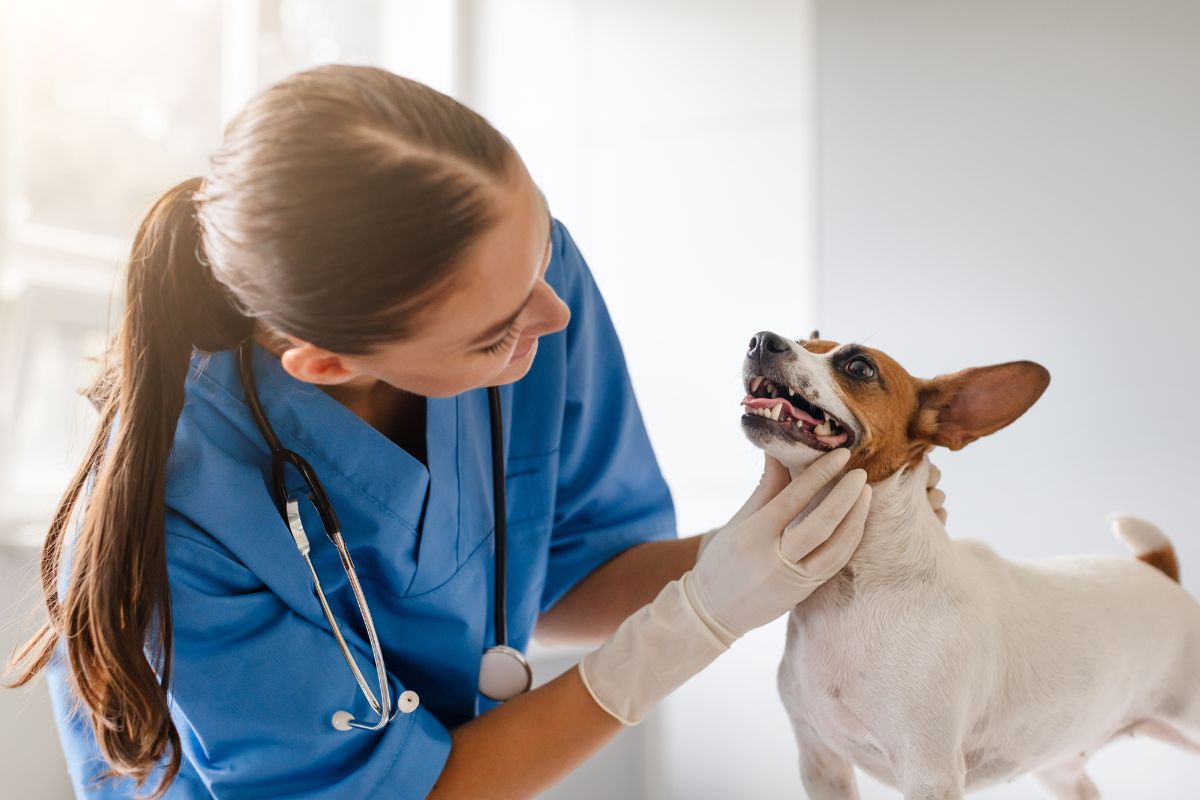
Your veterinarian can evaluate the gums, teeth, mouth, and other structures and recommend additional care when necessary.
3. Use Veterinary-Approved Dental Products
Certain dental diets, chews, water additives, and other products may help reduce plaque or tartar in appropriate dogs.
Not every product is suitable for every pet. Look for products with credible veterinary dental support and ask your veterinarian which options fit your dog’s needs.
4. Address Dental Disease Early
If your dog already has significant tartar or periodontal disease, preventive home care alone may not be enough.
Professional dental treatment may be necessary to clean areas below the gumline and address diseased teeth.
How Does Professional Dog Dental Cleaning Work?
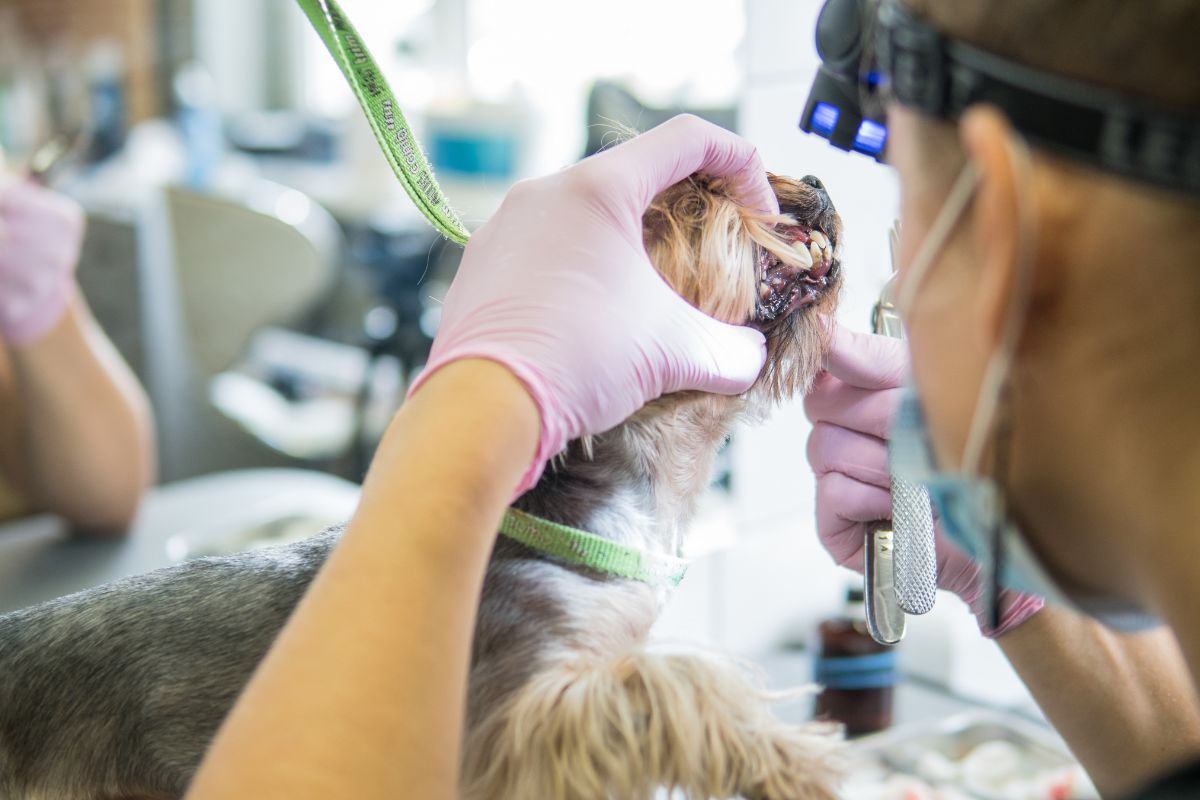
A comprehensive veterinary dental procedure generally involves anesthesia, a detailed oral examination, professional scaling and polishing, and dental radiographs when indicated.
Anesthesia allows the veterinary team to safely examine the entire mouth and clean both visible and below-the-gumline surfaces.
Dental radiographs can reveal abnormalities affecting tooth roots and supporting bone that cannot be identified through a visual examination alone.
If a tooth is severely damaged or diseased, extraction may sometimes be recommended to remove the source of pain or infection.
Your veterinarian will determine the appropriate approach based on your dog’s health and dental findings.
Signs Your Dog May Have Dental Disease
Don’t wait for your dog to stop eating before investigating a possible dental problem.
Watch for:
- Persistent bad breath
- Yellow or brown tartar
- Red or swollen gums
- Bleeding from the gums
- Loose or broken teeth
- Excessive drooling
- Difficulty chewing
- Dropping food
- Pawing at the mouth
- Facial swelling
- Reduced appetite
- Reluctance to have the mouth touched
- Changes in behavior
Dogs can hide oral pain surprisingly well, so subtle changes deserve attention.
Does Bad Breath Always Mean Dental Disease?
Not always, but persistent bad breath should not be considered normal.
Dental disease is a common cause of unpleasant breath in dogs. However, other medical conditions can also contribute to changes in breath odor.
If your dog’s breath suddenly becomes much stronger or remains consistently unpleasant despite routine oral hygiene, schedule a veterinary examination.
How to Start a Safe Dental Routine at Home
If your dog is new to tooth brushing, avoid trying to complete a full cleaning immediately.
Instead:
Step 1: Let your dog become comfortable with having the lips gently touched.
Step 2: Allow your dog to taste a small amount of pet toothpaste.
Step 3: Introduce the toothbrush without immediately brushing.
Step 4: Brush a few teeth for several seconds.
Step 5: Gradually increase the duration as your dog becomes comfortable.
Reward calm behavior throughout the process.
If your dog becomes frightened, growls, snaps, or repeatedly tries to escape, stop and discuss alternative approaches with your veterinarian.
When Should You Avoid Home Dental Remedies?
Home dental care should not replace professional evaluation when your dog already has signs of oral disease.
Seek veterinary guidance if you notice significant tartar, bleeding gums, loose teeth, oral swelling, difficulty eating, or obvious mouth pain.
Avoid scraping tartar with household tools. Attempting to perform dental procedures at home can cause injury and may leave disease below the gumline untreated.
Similarly, avoid using human dental products, essential oils, baking soda mixtures, or other homemade substances unless a veterinary professional specifically recommends them.
A Better Way to Think About Natural Dental Remedies
“Natural” does not automatically mean effective or safe.
When considering a home remedy, ask three questions:
- Is there reliable evidence that it works for dogs?
- Can it replace a proven preventive method?
- Could using it delay appropriate veterinary treatment?
Coconut oil may be a food ingredient that some dogs tolerate, but the available evidence does not support treating it as a cure for periodontal disease.
The most useful dental strategy is one that combines regular home plaque control with professional veterinary monitoring.
Coconut oil may sound appealing as a simple, natural solution for dog dental health, but it should not be considered a miracle cure. It does not mechanically remove plaque, cannot eliminate established tartar, and should not be relied upon to treat periodontal disease.
For pet owners in Westerville, OH, regular tooth brushing, appropriate dental products, routine oral examinations, and professional dental care when necessary provide a more dependable approach to protecting your dog’s mouth. Contact WestVets Maxtown Veterinary Clinic to discuss your dog’s dental health and create an appropriate oral-care plan.
FAQs:
Q1. Can I put coconut oil on my dog’s teeth?
Ans: Small amounts of plain coconut oil are generally tolerated by many dogs, but there is limited evidence that applying it to the teeth prevents or treats periodontal disease. It should not replace regular brushing or professional dental care.
Q2. Does coconut oil remove tartar from dogs’ teeth?
Ans: No. Tartar is hardened mineralized plaque, and coconut oil cannot reliably remove it. Significant tartar should be evaluated by a veterinarian rather than scraped away at home.
Q3. Is coconut oil good for a dog’s bad breath?
Ans: Coconut oil may temporarily change the smell of the mouth, but persistent bad breath can indicate dental disease or another health problem. A veterinary examination is recommended when bad breath continues.
Q4. What is the best way to clean my dog’s teeth at home?
Ans: Regular brushing with a soft pet toothbrush and toothpaste formulated for dogs is one of the most effective home dental-care methods. Introduce brushing gradually and reward your dog for remaining calm.
Q5. Can coconut oil cure periodontal disease in dogs?
Ans: No. Periodontal disease involves inflammation and damage to the tissues supporting the teeth. Established disease requires veterinary assessment and may require professional dental treatment.
Q6. When should my dog have a professional dental cleaning?
Ans: Your veterinarian can determine when a professional cleaning is appropriate based on your dog’s oral examination, dental history, age, and individual risk factors. Signs such as heavy tartar, bleeding gums, loose teeth, facial swelling, or difficulty eating warrant an evaluation.