7132 State Rt 3, Westerville Ohio 43082


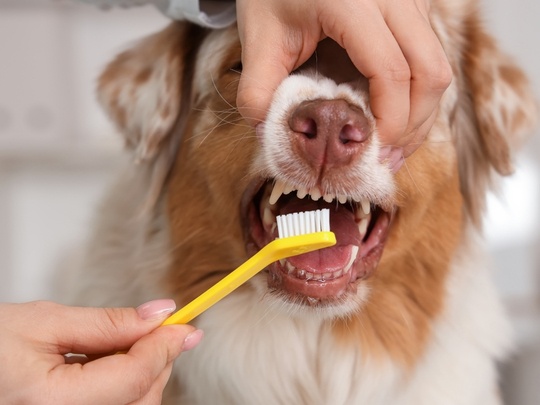
Regular tooth brushing can be an important part of maintaining your pet’s oral health. Plaque can accumulate on teeth over time, and without appropriate care, it may contribute to bad breath, gum inflammation, periodontal disease, and discomfort. However, many pets initially resist having their mouths handled.
The good news is that tooth brushing does not have to become a daily struggle. WestVets Maxtown Veterinary Clinic encourages gradual, positive introductions to pet dental care so dogs and cats can become more comfortable with the process. A short training session each day can help your pet associate mouth handling with calm experiences rather than fear or force.
This seven-day plan is designed as a starting point. Some pets may progress faster, while others may need several days or weeks at each stage.
Why Should You Brush Your Pet’s Teeth?
Plaque begins forming on teeth after eating. If it remains on the tooth surface, it can contribute to tartar buildup and gum inflammation.
Over time, periodontal disease can become painful and may affect the tissues supporting the teeth. Advanced dental disease can result in loose or damaged teeth and may require professional treatment.
Brushing helps physically remove plaque before it has an opportunity to harden into tartar. It works best as part of a broader dental-health routine that includes veterinary oral examinations and professional dental care when needed.
Before You Begin: Choose the Right Supplies
Gather everything before starting the seven-day plan.
Use a Pet-Specific Toothbrush
Pet toothbrushes come in different shapes and sizes. Finger brushes may work for some animals, while small-headed toothbrushes can make it easier to reach different areas of the mouth.
Choose a brush that is appropriate for your pet’s size and comfortable to use.
Choose Pet-Safe Toothpaste
Never use human toothpaste for your dog or cat. Some human toothpaste products may contain ingredients that are unsafe for pets, including xylitol.
Pet toothpaste is specifically formulated for animals and comes in flavors that may be more appealing to them.
Prepare Small Rewards
Small treats can help reinforce calm behavior. If your pet has dietary restrictions or weight-management needs, use very small portions or part of their regular food instead of adding excessive calories.
The 7-Day Tooth-Brushing Training Plan
Day 1: Make Mouth Handling Comfortable
Do not start with a toothbrush.
The first goal is to teach your pet that having their face and mouth touched does not have to be threatening.
Choose a quiet environment. Sit with your pet and gently touch their cheek or the side of their muzzle. Reward calm behavior immediately.
Keep the session short, perhaps only 30 seconds to a minute.
If your pet pulls away, do not chase or restrain them. Pause and try again later.
Goal: Your pet remains comfortable while you gently touch the outside of their mouth.
Day 2: Introduce the Toothpaste
Once your pet is comfortable with gentle facial handling, introduce pet toothpaste.
Place a tiny amount on your finger and allow your pet to smell or lick it. Some pets may immediately enjoy the flavor, while others may need time.
Do not put your finger deep inside the mouth. Keep the experience brief and positive.
Reward calm behavior.
Goal: Your pet willingly investigates the toothpaste.
Day 3: Touch the Teeth and Gums
Now begin introducing gentle contact with the teeth.
Lift the lip slightly and touch the outside surfaces of a few teeth with your clean finger. Focus on the areas that are easiest to reach.
You do not need to open your pet’s mouth wide. In fact, many dogs and cats can be introduced to brushing while keeping their mouth mostly closed.
Reward your pet after each successful attempt.
Goal: Your pet accepts brief contact with the teeth and gums.
Day 4: Introduce the Toothbrush
Allow your pet to investigate the toothbrush.
Let them sniff it. If they are interested, allow them to lick a small amount of pet toothpaste from the bristles.
Do not immediately begin scrubbing.
The purpose of Day 4 is simply to make the toothbrush familiar.
If your pet becomes nervous, put the brush away and return to the previous step.
Goal: Your pet can see and smell the toothbrush without becoming fearful.
Day 5: Brush a Few Teeth
Apply a small amount of pet toothpaste to the toothbrush.
Lift the lip gently and brush only a few teeth, concentrating on the outer surfaces. Use soft, gentle movements rather than vigorous scrubbing.
Start with just a few seconds.
Stop while your pet is still calm and provide praise or a small reward.
Goal: Your pet accepts brief brushing without significant resistance.
Day 6: Increase the Brushing Time
If Day 5 went well, gradually increase the number of teeth you brush.
Focus on the outer surfaces of the teeth because plaque commonly accumulates along the gumline. You do not need to force your pet’s mouth open.
Use gentle movements and pay attention to your pet’s body language.
If your pet becomes tense, pulls away repeatedly, growls, hisses, or attempts to escape, stop the session. Return to an earlier step during the next attempt.
Goal: Your pet tolerates brushing for a longer period while remaining relatively relaxed.
Day 7: Establish a Routine
On the final day, aim to complete a short brushing session involving as many teeth as your pet comfortably allows.
Do not worry about achieving a perfect cleaning session immediately.
The long-term objective is consistency.
Ideally, tooth brushing should become a regular part of your pet’s routine. Your veterinarian can advise you about an appropriate brushing frequency based on your pet’s individual dental health.
Goal: Your pet begins to recognize tooth brushing as a predictable, routine activity.
What If Your Pet Refuses to Have Their Teeth Brushed?
Not every pet will complete the seven-day plan at the same pace.
If your pet strongly resists, slow down.
For example, instead of moving from touching the face to touching the teeth in one day, spend several days reinforcing facial handling. Some animals need more time to develop confidence.
Never force a toothbrush into your pet’s mouth or physically restrain them solely to complete brushing. This can increase fear and make future attempts more difficult.
Positive reinforcement, patience, and consistency are generally more effective than forcing the process.
How to Read Your Pet’s Body Language
Your pet’s body language can tell you whether you should continue or stop.
Signs Your Pet Is Comfortable
You may notice:
- Relaxed muscles
- Normal breathing
- Calm posture
- Willingness to remain nearby
- Interest in treats
- Normal facial expression
Signs Your Pet Needs a Break
Watch for:
- Turning the head away
- Repeated lip licking
- Yawning during interaction
- Stiffening the body
- Hiding
- Trying to escape
- Growling or hissing
- Snapping or attempting to bite
These behaviors should be treated as communication rather than disobedience.
If your pet consistently reacts negatively to mouth handling, discuss the issue with a veterinarian.
Common Tooth-Brushing Mistakes to Avoid
Using Human Toothpaste
Do not use human toothpaste unless a veterinary professional specifically confirms that a product is safe. Pet toothpaste is the safer choice because it is formulated for animals.
Brushing Too Hard
Aggressive brushing can irritate the gums. Use gentle pressure and a soft brush.
Starting With a Long Session
A five-minute brushing session may be too much for a pet that has never experienced dental care.
Start with seconds and gradually build tolerance.
Forcing the Mouth Open
You usually do not need to pry your pet’s mouth open. Focus on the outer tooth surfaces and work gradually.
Expecting Immediate Results
Training takes time. If your pet is uncomfortable, return to an easier step instead of pushing forward.
Ignoring Existing Dental Disease
Tooth brushing is primarily a preventive habit. It cannot remove significant tartar or treat advanced periodontal disease.
If your pet already has bad breath, red or bleeding gums, loose teeth, excessive drooling, difficulty eating, or visible tartar, a veterinary dental examination is appropriate.
Can Tooth Brushing Replace Professional Dental Cleanings?
No.
At-home brushing is valuable because it helps control plaque between professional examinations. However, it does not replace veterinary dental care.
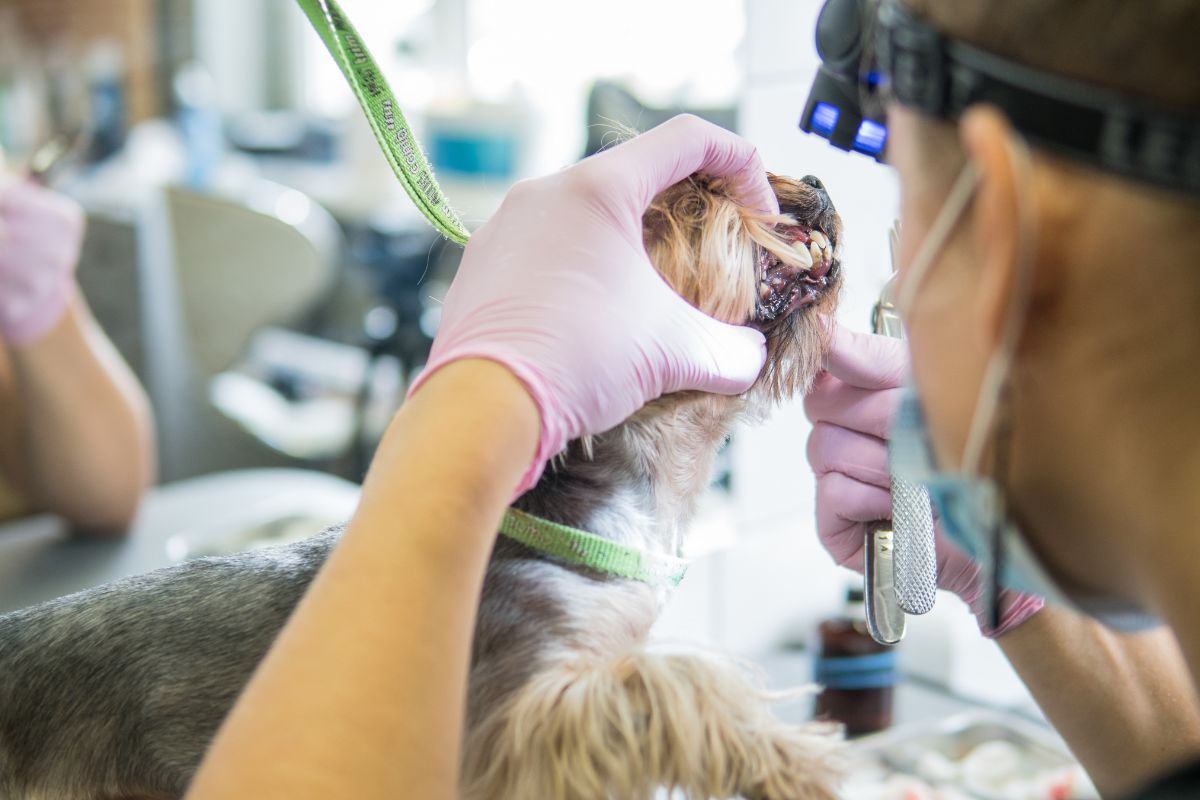
Professional dental procedures allow veterinary teams to examine and clean areas that are difficult or impossible to reach with routine brushing. Dental radiographs may also be recommended because significant disease can exist below the gumline.
Your veterinarian can determine whether your pet needs a professional dental procedure based on their oral examination and overall health.
What Should I Do If My Pet’s Gums Bleed?
A small amount of bleeding can sometimes occur when inflamed gums are touched, but bleeding should not simply be ignored.
Healthy gums generally should not bleed regularly during gentle tooth brushing. If your pet’s gums bleed repeatedly, appear swollen or painful, or have a strong odor, schedule a veterinary examination.
Do not stop caring for your pet’s mouth permanently because brushing caused bleeding. Instead, have the underlying dental condition evaluated and ask your veterinarian how to safely continue oral hygiene.
How to Maintain the Habit After Seven Days
Once your pet accepts brushing, consistency becomes the priority.
Choose a predictable time of day and keep sessions relatively short. Many owners find it easier to brush their pet’s teeth after another established routine, such as an evening walk or meal.
Continue using positive reinforcement, especially during the early stages.
If your pet becomes resistant after previously accepting brushing, do not assume they are being stubborn. Dental pain can make mouth handling uncomfortable. A sudden change in tolerance should be discussed with your veterinarian.
Other Ways to Support Your Pet’s Oral Health
Tooth brushing is one component of a complete oral-health routine.
Depending on your pet’s needs, your veterinarian may recommend:
- Veterinary dental examinations
- Professional dental cleanings
- Dental diets
- Appropriate dental chews
- Veterinary-approved oral-care products
- Regular monitoring for changes in the mouth
Not every dental product is equally effective or appropriate for every pet. Ask your veterinary team before introducing new products, particularly if your pet has existing dental disease or other health conditions.
When Should Your Pet Have a Dental Examination?
Your pet should receive regular oral examinations as part of routine wellness care. Additional evaluation may be appropriate if you notice:
- Persistent bad breath
- Red or swollen gums
- Bleeding from the mouth
- Loose or damaged teeth
- Excessive drooling
- Difficulty chewing
- Dropping food
- Reduced appetite
- Facial swelling
- Pawing at the mouth
- Resistance to having the face touched
Cats may show especially subtle signs of dental discomfort, so changes in eating habits or behavior should receive attention.
Making Tooth Brushing a Positive Experience
The most successful tooth-brushing routine is one your pet can tolerate consistently.
Keep training sessions brief, reward calm behavior, and progress only when your pet is comfortable. If your dog or cat needs more than seven days, that is completely normal.
The purpose of this plan is not to rush your pet into accepting a toothbrush. It is to provide a structured starting point that builds trust and makes oral hygiene more manageable.
Teaching a pet to accept tooth brushing is a gradual process. By introducing mouth handling, pet-safe toothpaste, a toothbrush, and short brushing sessions one step at a time, owners can help their pets develop a more comfortable dental routine.
For pet owners in Westerville, OH, professional guidance can help identify existing dental problems and determine the right at-home oral-health routine for your dog or cat. Schedule your appointment with WestVets Maxtown Veterinary Clinic to discuss your pet’s dental health and personalized preventive-care needs.
FAQs:
Q1. How often should I brush my dog’s or cat’s teeth?
Ans: Ideally, pets should have their teeth brushed regularly, with daily brushing often considered the most effective routine for controlling plaque. However, the appropriate frequency can depend on your pet’s dental health and tolerance. Ask your veterinarian for individualized recommendations.
Q2. Can I use human toothpaste to brush my pet’s teeth?
Ans: No. Human toothpaste may contain ingredients that are inappropriate or potentially harmful to pets. Use toothpaste specifically formulated for dogs or cats instead.
Q3. What should I do if my pet hates having their teeth brushed?
Ans: Slow down the training process and return to an earlier step. Start by rewarding your pet for calmly accepting facial or lip handling before introducing toothpaste and a toothbrush. Never force the process.
Q4. Why does my dog’s mouth bleed when I brush their teeth?
Ans: Bleeding gums can be associated with inflammation or dental disease. Occasional bleeding should not be dismissed, particularly if it happens repeatedly or is accompanied by bad breath, swelling, loose teeth, or discomfort. A veterinary dental examination can identify the cause.
Q5. Is brushing my pet’s teeth enough to prevent dental disease?
Ans: Brushing is an important preventive measure, but it does not replace professional dental examinations or cleanings when needed. Your veterinarian can assess your pet’s oral health and recommend an appropriate dental-care plan.
Q6. At what age should I start brushing my pet’s teeth?
Ans: You can introduce dental handling and brushing when your pet is young, but older dogs and cats can also learn. Start gradually and adjust the pace according to your pet’s comfort and existing oral health.