7132 State Rt 3, Westerville Ohio 43082



Oral health is an essential part of your dog’s overall well-being, yet it is often overlooked until noticeable problems develop. Plaque and tartar can build up quickly, leading to bad breath, gum disease, tooth loss, and even health issues affecting the heart, kidneys, and liver. While many pet owners brush their dog’s teeth at home, others wonder whether professional dental cleanings are really necessary.
The truth is that home dental care and professional cleanings serve different purposes. Brushing your dog’s teeth regularly can help slow plaque buildup, but it cannot remove hardened tartar beneath the gumline or identify hidden dental disease. Understanding how these two approaches work together is the key to maintaining lifelong oral health.
Just as routine wellness visits support preventive healthcare, pet dental care helps protect dogs from painful oral conditions before they become more serious. Knowing when at-home care is enough and when professional treatment is needed allows pet owners to make informed decisions that support their dog’s long-term health.
Why Dental Health Matters for Dogs
Dental disease is one of the most common health conditions seen in adult dogs. Many dogs begin developing periodontal disease by the age of three, even when they appear healthy.
Without proper dental care, plaque hardens into tartar. Over time, bacteria move beneath the gumline, causing inflammation, infection, and gradual damage to the tissues that support the teeth.
Poor oral health can contribute to:
- Persistent bad breath
- Gum inflammation
- Loose or broken teeth
- Pain while eating
- Difficulty chewing
- Tooth root infections
- Bone loss around the teeth
- Increased risk of bacteria entering the bloodstream
Because dental disease progresses gradually, many dogs continue eating despite experiencing significant discomfort.
Understanding At-Home Dog Teeth Cleaning
Home dental care focuses primarily on preventing plaque from accumulating on the tooth surface. When performed consistently, it can slow the progression of dental disease and reduce the need for extensive treatment later.
Benefits of Brushing Your Dog’s Teeth
Daily or frequent brushing offers several advantages:
- Removes fresh plaque before it hardens
- Freshens breath
- Supports healthier gums
- Reduces bacteria in the mouth
- Helps maintain cleaner teeth between veterinary visits
Regular brushing is considered the gold standard for at-home dental care.
Choosing the Right Toothbrush
Select a toothbrush designed specifically for dogs.
Options include:
- Soft-bristled pet toothbrushes
- Finger brushes
- Double-headed toothbrushes for different tooth sizes
Avoid using hard-bristled brushes that may irritate the gums.
Use Only Dog Toothpaste
Human toothpaste should never be used for dogs because it often contains ingredients such as fluoride or xylitol that may be harmful if swallowed.
Veterinary-approved dog toothpaste comes in flavors like poultry or peanut butter to encourage acceptance.
Dental Chews and Treats
Certain dental chews can help reduce plaque buildup through mechanical chewing.
Look for products that:
- Carry veterinary recommendations
- Are appropriately sized
- Match your dog’s chewing habits
Dental treats should supplement brushing rather than replace it.
Water Additives and Oral Rinses
Some veterinary-approved water additives help reduce oral bacteria and improve breath freshness.
Although these products provide additional support, they cannot remove tartar already attached to the teeth.
Limitations of Home Dental Care
Even the most dedicated brushing routine has limitations.
Home care cannot:
- Remove hardened tartar
- Clean beneath the gumline
- Detect fractured teeth
- Identify tooth root abscesses
- Evaluate periodontal pockets
- Take dental X-rays
Because many dental problems develop below the gumline, they remain invisible without professional examination.
This is why preventive home care should always be combined with regular veterinary dental evaluations.
What Happens During a Professional Dog Dental Cleaning?
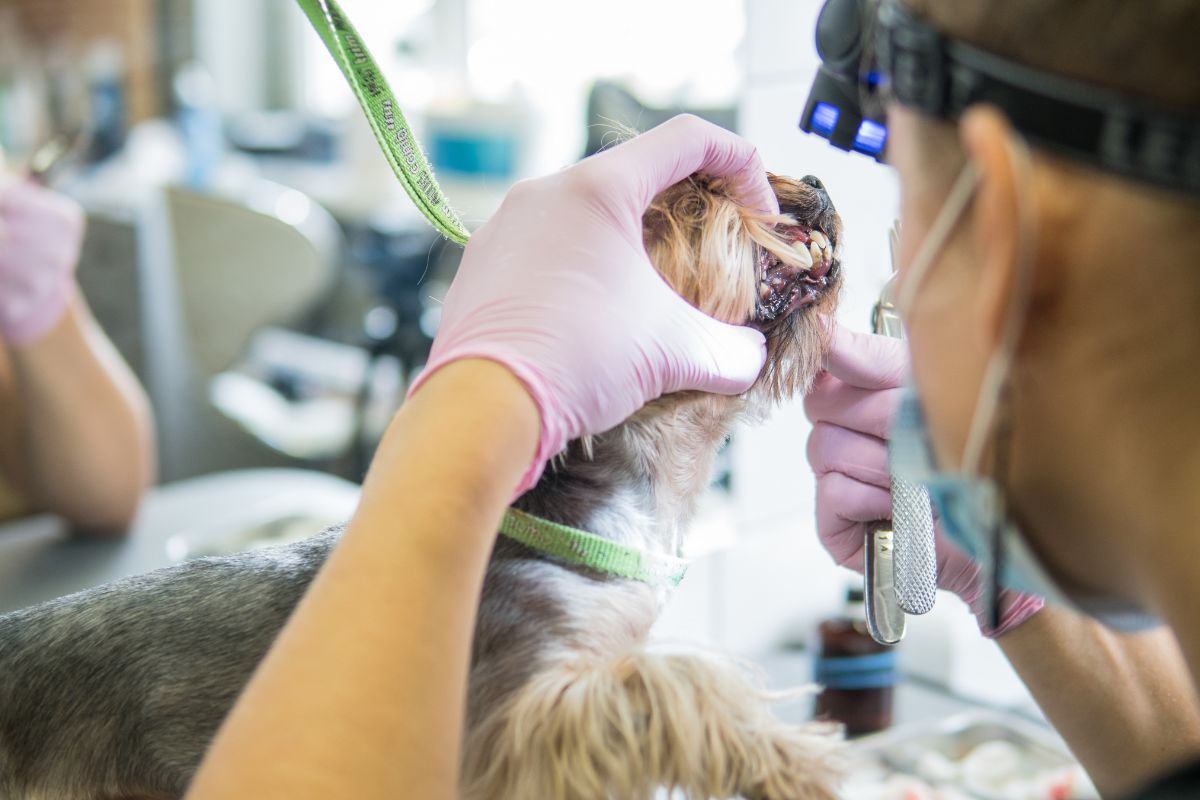
Professional dental cleaning involves much more than polishing visible teeth.
Before the procedure begins, your veterinarian performs a complete physical examination to ensure your dog is healthy enough for anesthesia.
The cleaning process typically includes:
Comprehensive Oral Examination
The veterinarian evaluates:
- Teeth
- Gums
- Tongue
- Oral tissues
- Jaw alignment
This examination helps identify problems that may not be visible during routine wellness visits.
Dental X-Rays
Dental radiographs reveal disease hidden beneath the gumline.
They help diagnose:
- Tooth root infections
- Bone loss
- Fractured teeth
- Impacted teeth
- Tooth resorption
Without X-rays, many painful conditions remain undetected.
Scaling Above and Below the Gumline
Specialized instruments remove plaque and tartar from every tooth surface, including areas beneath the gums where periodontal disease begins.
This portion of the procedure cannot be safely replicated at home.
Tooth Polishing
After scaling, each tooth is polished to smooth microscopic scratches that would otherwise encourage plaque to accumulate more quickly.
Additional Treatment if Needed
If diseased or damaged teeth are discovered, your veterinarian may recommend:
- Tooth extractions
- Periodontal treatment
- Antibiotics when appropriate
- Pain management
Each treatment plan is tailored to the individual dog.
Is Anesthesia Necessary?
Many pet owners wonder whether anesthesia is truly required for dental cleanings.
Professional veterinary organizations recommend anesthesia because it allows:
- Complete cleaning beneath the gumline
- Safe dental X-rays
- Thorough oral examination
- Pain-free treatment
- Protection of the airway during scaling
Anesthesia-free cosmetic cleanings only remove visible tartar and do not address disease below the gumline where periodontal disease develops.
Signs Your Dog May Need Professional Dental Cleaning
Schedule a veterinary dental evaluation if you notice:
- Persistent bad breath
- Yellow or brown tartar
- Red or swollen gums
- Bleeding while chewing
- Difficulty eating
- Dropping food
- Pawing at the mouth
- Loose teeth
- Facial swelling
- Excessive drooling
Early treatment often prevents more advanced dental disease.
How Often Should Dogs Have Professional Dental Cleanings?
The ideal schedule varies based on several factors, including:
- Age
- Breed
- Genetics
- Diet
- Existing dental disease
- Home care routine
Small breeds often develop periodontal disease earlier than larger breeds because of crowded teeth.
Your veterinarian will recommend an individualized dental care schedule based on your dog’s oral health.
Building a Complete Dental Care Routine
The best dental care combines professional treatment with consistent home maintenance.
An effective routine may include:
- Daily tooth brushing
- Veterinary-approved toothpaste
- Dental chews
- Oral rinses or water additives
- Regular oral examinations
- Professional dental cleanings as recommended
Together, these measures significantly reduce plaque accumulation and improve long-term oral health.
Tips for Helping Your Dog Accept Tooth Brushing
Some dogs need time to become comfortable with brushing.
You can encourage success by:
- Introducing the toothbrush gradually.
- Letting your dog taste the toothpaste first.
- Keeping sessions short.
- Offering praise and rewards afterward.
- Brushing at the same time each day.
- Remaining patient and consistent.
Positive experiences help dogs become more cooperative over time.
Why Preventive Dental Care Matters
Dental disease affects much more than the mouth. Chronic oral infections can cause persistent inflammation and may impact other body systems over time.
Routine preventive care allows veterinarians to identify developing problems before they become painful or require more extensive treatment. Services such as wellness exams, nutritional counseling, and pet dental care in Westerville work together to support a healthier, more comfortable life for your dog.
Maintaining a proactive approach also helps reduce the likelihood of emergency dental procedures and improves your pet’s overall quality of life.
Home brushing is one of the most effective ways to slow plaque buildup, but it cannot replace the thorough evaluation and treatment provided during a professional veterinary dental cleaning. Combining consistent at-home care with regular professional dental assessments gives your dog the best opportunity to maintain healthy teeth and gums throughout life.
If you’re in Westerville, OH and need guidance from a vet near you on maintaining your dog’s oral health, schedule your appointment with WestVets Maxtown Veterinary Clinic. Our team can evaluate your dog’s dental health, recommend an appropriate preventive care plan, and provide personalized guidance to help keep your pet healthy and comfortable for years to come.
Frequently Asked Questions
Q1. How often should I brush my dog’s teeth?
Ans: Daily brushing is ideal because it removes plaque before it hardens into tartar. If daily brushing is not possible, brushing several times a week is still beneficial.
Q2. Can brushing my dog’s teeth replace professional dental cleaning?
Ans: No. Brushing helps prevent plaque buildup but cannot remove hardened tartar beneath the gumline or detect hidden dental disease. Professional cleanings remain an important part of preventive care.
Q3. Is anesthesia safe for dog dental cleanings?
Ans: Veterinary teams carefully evaluate each dog before anesthesia and monitor them throughout the procedure. Anesthesia allows for a thorough cleaning, dental X-rays, and treatment while minimizing discomfort.
Q4. What are the signs my dog may have dental disease?
Ans: Common signs include bad breath, red or bleeding gums, tartar buildup, loose teeth, difficulty eating, excessive drooling, and pawing at the mouth.
Q5. Are dental chews enough to keep my dog’s teeth clean?
Ans: Dental chews can help reduce plaque accumulation, but they should be used alongside regular tooth brushing and routine veterinary dental examinations for the best results.
Q6. When should my dog have its first professional dental evaluation?
Ans: Dogs should receive regular oral examinations during wellness visits. Your veterinarian will recommend the appropriate timing for the first professional dental cleaning based on your dog’s age, breed, oral health, and individual risk factors.