7132 State Rt 3, Westerville Ohio 43082



Many pet owners focus on their dog’s diet, exercise, and vaccinations, but often overlook one critical aspect of health: dental care. Unfortunately, dog dental disease is one of the most common medical conditions affecting dogs and can lead to pain, infection, and other serious health complications if left untreated.
In this guide, we’ll explain the symptoms of dog dental disease, discuss effective prevention strategies, and help you understand when professional dental care may be necessary. With the right approach, you can help your dog maintain a healthy mouth and a happier life.
What Is Dog Dental Disease?
Dog dental disease, often referred to as periodontal disease, occurs when plaque and bacteria accumulate on the teeth and gums. Over time, this buildup can lead to inflammation, infection, gum recession, and tooth loss.
The condition typically develops gradually and may not be immediately obvious to pet owners. In fact, many dogs continue to eat and behave normally even while experiencing significant oral discomfort.
Without treatment, dental disease can affect more than just the mouth. Bacteria from infected gums can potentially enter the bloodstream and impact vital organs such as the heart, liver, and kidneys.
Why Dental Health Matters for Dogs
A healthy mouth contributes to your dog’s overall well-being.
Proper dental care helps:
- Prevent pain and discomfort
- Reduce the risk of infection
- Preserve teeth and gum health
- Improve breath odor
- Support normal eating habits
- Promote long-term wellness
Just like people, dogs benefit from routine oral care and regular dental evaluations.
Common Symptoms of Dog Dental Disease
Recognizing the early signs of dental disease can help prevent more serious complications.
Bad Breath
Persistent bad breath is often one of the first signs of dental disease.
While many pet owners assume “dog breath” is normal, unusually strong or foul-smelling breath may indicate bacterial buildup or gum infection.
Yellow or Brown Tartar Buildup
Plaque hardens into tartar when not removed regularly.
You may notice:
- Yellow discoloration near the gumline
- Brown deposits on teeth
- Visible buildup on back teeth
Tartar accumulation often contributes to worsening periodontal disease.
Red or Swollen Gums
Healthy gums should appear pink and firm.
Signs of gum inflammation include:
- Redness
- Swelling
- Tenderness
- Bleeding
Inflamed gums are commonly associated with gingivitis, an early stage of dental disease.
Difficulty Eating
Dogs experiencing oral pain may change their eating habits.
Watch for:
- Dropping food
- Chewing on one side of the mouth
- Eating more slowly
- Reluctance to eat hard food
These changes may indicate discomfort while chewing.
Excessive Drooling
Increased drooling can occur when dental disease causes irritation or pain.
Some dogs may also have blood-tinged saliva due to inflamed or infected gums.
Pawing at the Mouth
Dogs often attempt to relieve discomfort by rubbing their face or pawing at their mouth.
This behavior may indicate:
- Tooth pain
- Gum irritation
- Oral infection
Loose or Missing Teeth
Advanced dental disease can damage the structures supporting the teeth.
As the condition progresses, teeth may become loose or fall out entirely.
Behavioral Changes
Chronic oral pain can affect mood and behavior.
Some dogs become:
- Less playful
- More irritable
- Less interested in toys
- Reluctant to be touched around the face
Subtle behavioral changes should never be ignored.
What Causes Dental Disease in Dogs?
Several factors contribute to dental disease.
Common causes include:
- Plaque accumulation
- Poor oral hygiene
- Age-related changes
- Certain breeds are predisposed to dental issues
- Lack of professional dental care
- Diet and chewing habits
Small-breed dogs are often at increased risk because their teeth are more closely spaced, allowing plaque and bacteria to accumulate more easily.
Stages of Dog Dental Disease
Dental disease typically progresses through several stages.
Stage 1: Gingivitis
At this stage:
- Gums become red and inflamed
- No permanent damage has occurred
- Treatment is often straightforward
Stage 2: Early Periodontal Disease
Bacteria begin affecting structures below the gumline.
Symptoms may include:
- Increased tartar
- Gum recession
- Mild discomfort
Stage 3: Moderate Periodontal Disease
Damage becomes more significant.
Potential issues include:
- Bone loss
- Loose teeth
- Chronic infection
Stage 4: Advanced Periodontal Disease
This severe stage may involve:
- Significant tooth loss
- Severe infection
- Chronic pain
- Systemic health risks
Early intervention is key to preventing progression.
How to Prevent Dog Dental Disease
Fortunately, many cases of dental disease can be prevented with consistent care.
Brush Your Dog’s Teeth Regularly
Daily brushing is considered the gold standard for home dental care.
Tips include:
- Use pet-safe toothpaste
- Start gradually
- Reward positive behavior
- Focus on consistency rather than perfection
Even brushing several times per week can make a difference.
Provide Dental Chews
Veterinarian-approved dental chews can help reduce plaque accumulation.
Look for products specifically designed to support oral health.
Schedule Routine Dental Evaluations
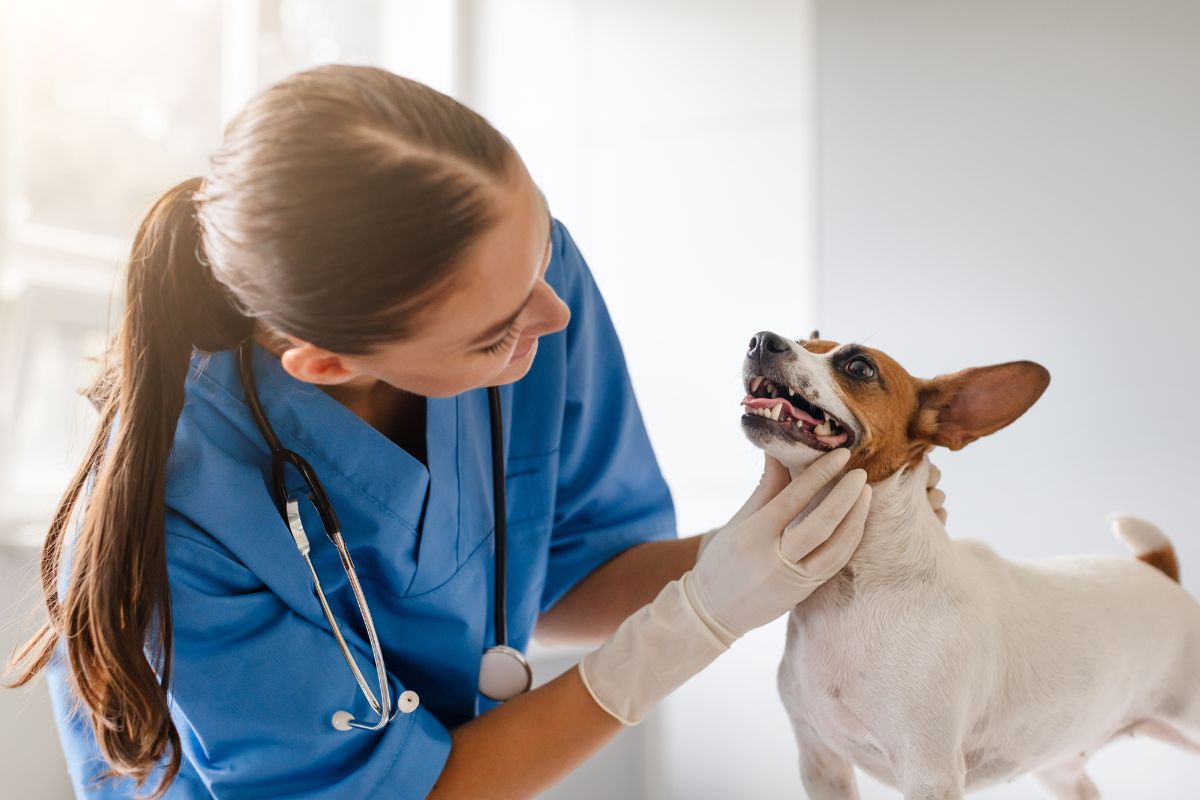
Regular wellness visits allow veterinarians to identify dental concerns before they become serious.
Dental assessments often reveal problems that aren’t visible during routine at-home observation.
Feed a Balanced Diet
Proper nutrition supports healthy teeth and gums.
Your veterinarian can recommend dietary options that align with your dog’s specific needs.
The Importance of Professional Pet Dental Care
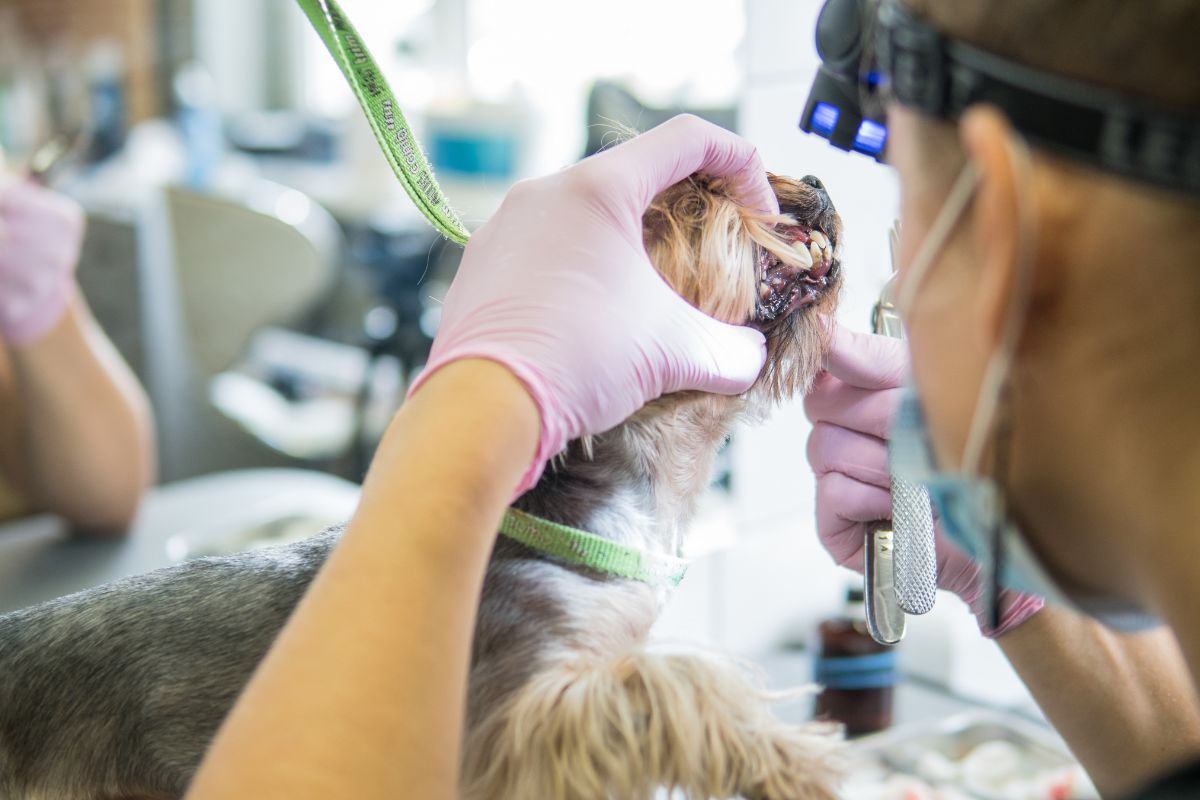
Home care is important, but it cannot remove hardened tartar beneath the gumline.
Professional dental care may include:
- Comprehensive oral examination
- Dental cleaning
- Tartar removal
- Periodontal assessment
- Dental X-rays when necessary
Routine pet dental care helps identify hidden oral problems and supports long-term dental health.
Why Regular Visits to a Veterinary Hospital Matter
Dental disease often develops silently, making regular veterinary visits especially important.
Routine visits to a veterinary hospital allow veterinarians to evaluate your dog’s oral health, identify early signs of periodontal disease, and recommend preventive care before serious complications develop. These wellness examinations also provide an opportunity to discuss dental care routines, nutrition, and other factors that contribute to your dog’s overall health.
When Should You Schedule a Dental Evaluation?
Contact your veterinarian if you notice:
- Persistent bad breath
- Swollen or bleeding gums
- Difficulty eating
- Excessive drooling
- Loose teeth
- Visible tartar buildup
- Changes in behavior
Early diagnosis often leads to simpler and more effective treatment options.
Dog dental disease is one of the most common yet preventable health issues affecting dogs. By recognizing early symptoms, maintaining a consistent home care routine, and scheduling regular dental evaluations, pet owners can help protect their dogs from pain, infection, and tooth loss.
If you’re concerned about your dog’s oral health, book an appointment with WestVets Maxtown Veterinary Clinic to schedule an appointment. Our team can evaluate your pet’s dental health and recommend the right preventive care plan to keep their smile healthy for years to come.
FAQs
Q1: What are the first signs of dental disease in dogs?
Ans. Bad breath, red gums, tartar buildup, and mild difficulty eating are often among the earliest signs of dental disease in dogs.
Q2: How common is dental disease in dogs?
Ans. Dental disease is one of the most common health conditions in dogs, affecting a large percentage of pets by age 3.
Q3: Can dog dental disease cause other health problems?
Ans. Yes. Untreated dental disease can allow bacteria to enter the bloodstream and potentially affect organs such as the heart, liver, and kidneys.
Q4: How often should my dog’s teeth be professionally cleaned?
Ans. The frequency varies based on age, breed, and oral health status. Your veterinarian can recommend an appropriate dental care schedule.
Q5: Can brushing my dog’s teeth prevent dental disease?
Ans. Regular brushing is one of the most effective ways to reduce plaque buildup and help prevent periodontal disease when combined with routine veterinary care.