7132 State Rt 3, Westerville Ohio 43082


Maintaining your pet’s oral health is an essential part of their overall well-being. At Maxtown Veterinary Clinic, we understand that many pet owners may not realize how important routine dental care is for preventing serious health issues. Just like humans, dogs and cats require consistent dental hygiene to avoid plaque buildup, gum disease, and discomfort. Establishing a simple at-home routine can go a long way in protecting your pet’s health and improving their quality of life. Here’s a helpful guide with vet-recommended home dental care tips for dogs and cats, especially for pet owners in Westerville, OH.
Why At-Home Dental Care Is Important
Dental disease is one of the most common health issues in pets. Without proper care, plaque and tartar can accumulate on your pet’s teeth, leading to periodontal disease. This condition can cause pain, tooth loss, and even allow harmful bacteria to enter the bloodstream, affecting major organs.
Consistent dental care for dogs and cats at home helps reduce these risks and supports long-term health. It also minimizes the need for more extensive dental procedures in the future.
1. Brush Your Pet’s Teeth Regularly
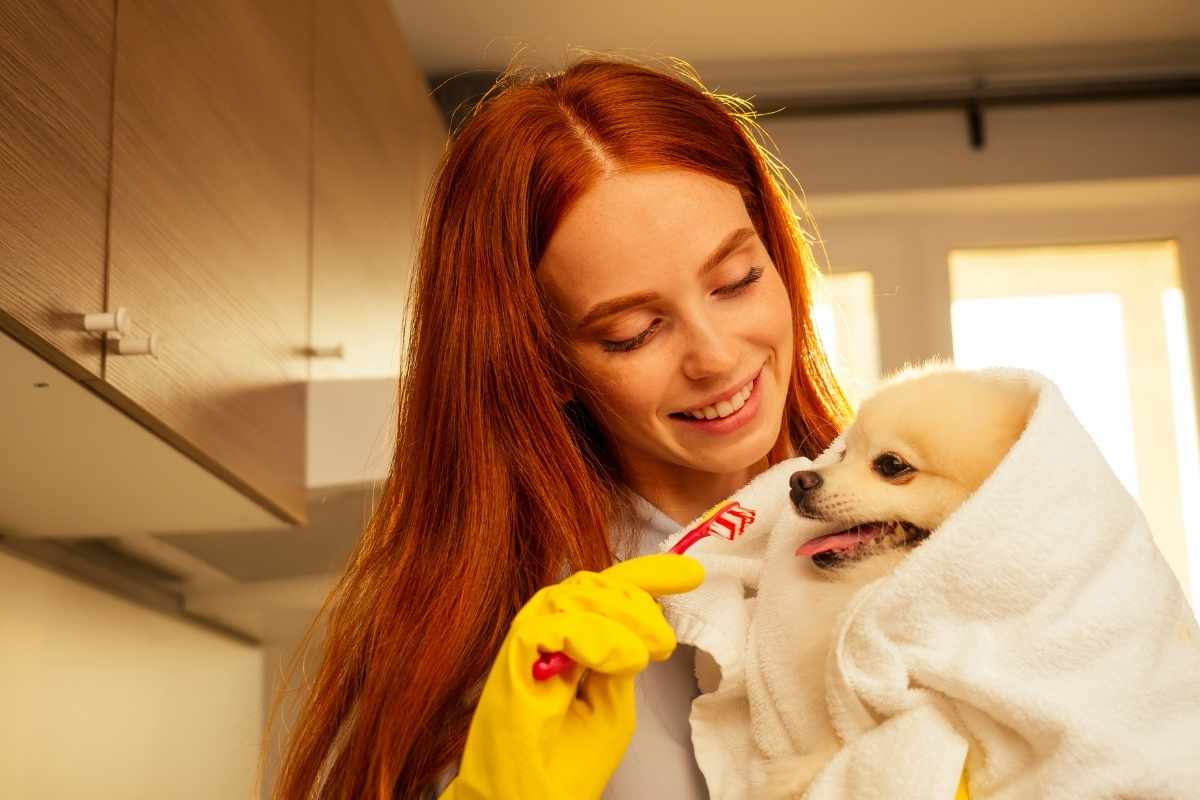
Brushing your pet’s teeth is the most effective way to prevent plaque buildup. Use a soft-bristled toothbrush and toothpaste specifically designed for pets.
Start slowly by introducing your pet to the process and rewarding them with treats or praise. Aim to brush their teeth several times a week, if not daily, for the best results.
2. Use Dental Chews and Toys
Dental chews and toys are excellent tools for maintaining oral health between brushings. They help reduce plaque and tartar while also providing mental stimulation for your pet.
Choose products that are veterinarian-approved and appropriate for your pet’s size and chewing habits. While these products are helpful, they should complement – not replace – regular brushing.
3. Provide a Balanced Diet for Oral Health
A nutritious diet plays a key role in maintaining healthy teeth and gums. Some pet foods are specially formulated to support dental health by reducing plaque buildup.
Avoid feeding your pet excessive table scraps or sugary treats, as these can contribute to dental problems. A balanced diet supports not only oral health but overall wellness as well.
4. Monitor Your Pet’s Oral Health
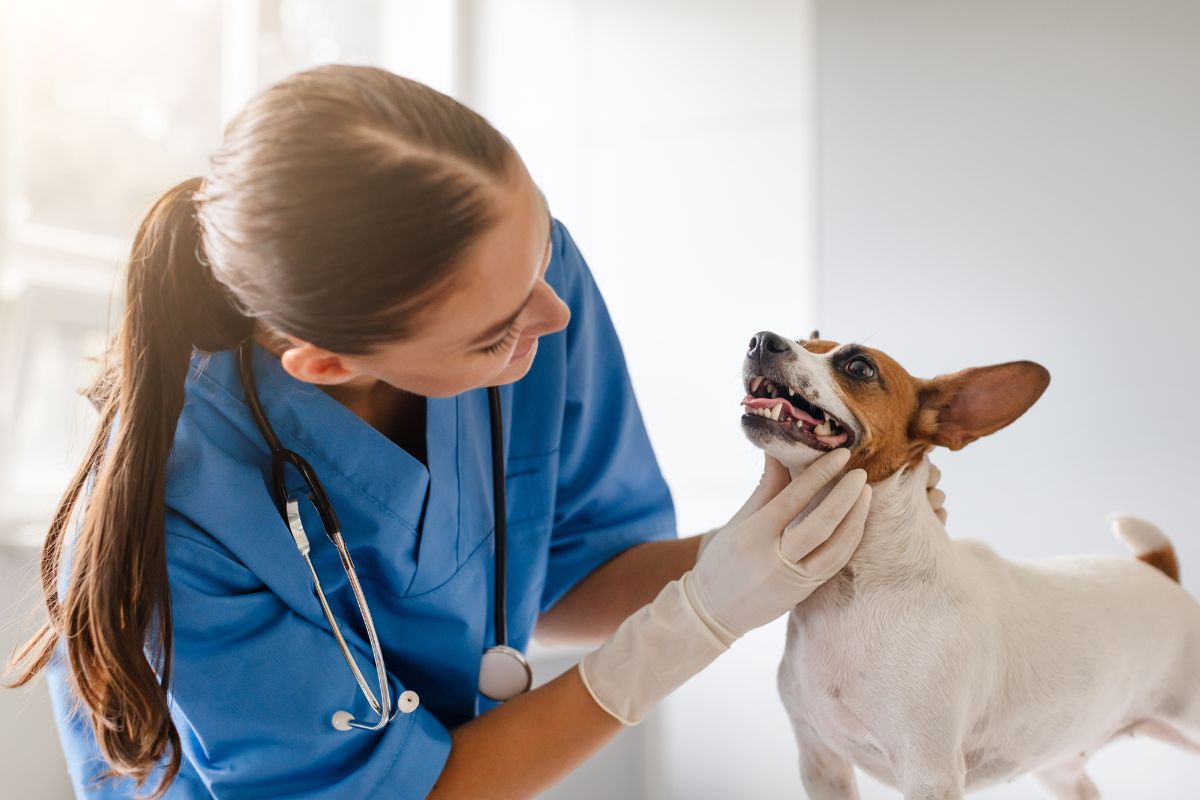
Regularly checking your pet’s mouth can help you catch early signs of dental issues. Look for symptoms such as:
- Bad breath
- Red or swollen gums
- Yellow or brown tartar buildup
- Difficulty eating or chewing
- Excessive drooling
Early detection allows for timely intervention and prevents more serious complications.
5. Schedule Regular Professional Dental Checkups
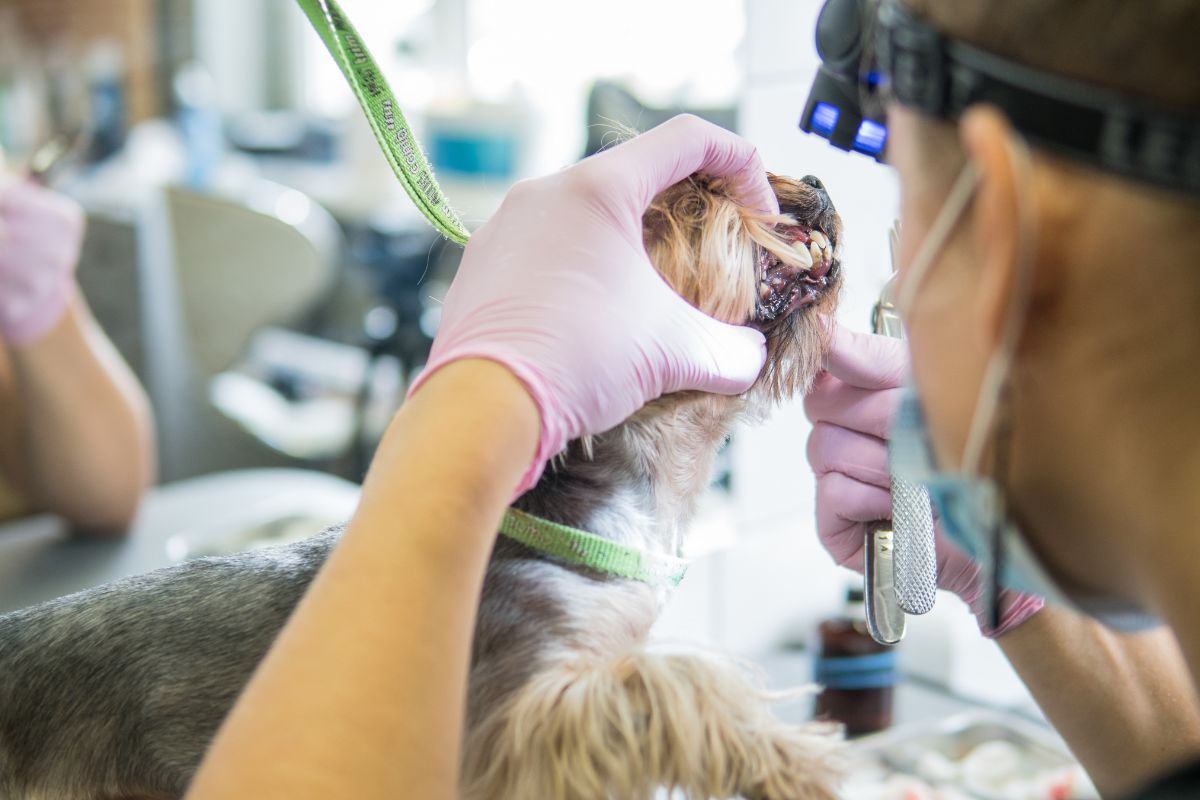
While at-home care is essential, it should be combined with professional veterinary dental services. Routine exams and cleanings ensure that hidden issues are identified and treated early.
Professional care includes thorough cleaning below the gum line and a complete oral evaluation, which cannot be achieved through home care alone. This combination approach is key to effective dental care for dogs and cats.
Creating a Consistent Routine
Consistency is the foundation of good dental hygiene. Establishing a routine that includes brushing, monitoring, and periodic veterinary visits helps your pet become more comfortable with dental care over time.
Start with small steps and gradually build a routine that works for both you and your pet. Positive reinforcement and patience are essential for long-term success.
Common Mistakes to Avoid
When caring for your pet’s teeth at home, it’s important to avoid common mistakes such as:
- Using human toothpaste, which can be harmful to pets
- Ignoring early signs of dental disease
- Relying solely on dental treats without brushing
- Skipping regular veterinary checkups
Avoiding these mistakes ensures your pet receives the best possible care.
Taking care of your pet’s teeth at home is an important step toward ensuring their overall health and comfort. By following these vet-recommended tips and maintaining a consistent routine, you can prevent dental disease and improve your pet’s quality of life. If you have any concerns or questions about your pet’s oral health, feel free to contact the team at Maxtown Veterinary Clinic for expert guidance.
Maintaining good dental hygiene doesn’t have to be complicated. If you’re in Westerville, OH, and want to ensure your pet receives comprehensive care, we encourage you to schedule your appointment today.
FAQs for Local Pet Owners
Q1. How often should I brush my pet’s teeth?
Ans. Ideally, daily brushing is recommended, but even brushing a few times a week can make a significant difference.
Q2. Can I use human toothpaste for my pet?
Ans. No, human toothpaste contains ingredients that can be harmful to pets. Always use pet-safe toothpaste.
Q3. Are dental chews effective?
Ans. Yes, dental chews can help reduce plaque buildup, but they should be used alongside brushing and professional care.
Q4. What are the signs of dental disease in pets?
Ans. Common signs include bad breath, swollen gums, tartar buildup, and difficulty eating.
Q5. Do cats need dental care, too?
Ans. Absolutely. Cats are just as prone to dental issues as dogs and require regular oral care.
Q6. When should I schedule a professional dental cleaning?
Ans. Your veterinarian can recommend the right schedule based on your pet’s age, breed, and overall health.