7132 State Rt 3, Westerville Ohio 43082


Caring for your dog’s health involves more than regular exercise and a balanced diet—it also includes maintaining proper dental hygiene. At Maxtown Veterinary Clinic, we understand that many pet owners may overlook oral care, yet it plays a vital role in your dog’s overall well-being. Routine dental care helps prevent serious health issues, improves quality of life, and ensures your pet stays happy and comfortable. Whether your dog is young or aging, establishing a dental care routine is essential for long-term health. Here’s what every pet owner should know about maintaining their dog’s oral hygiene, especially for those in Westerville, OH.
Why Dental Care Matters for Dogs
Dental health is directly linked to your dog’s overall health. Without proper care, plaque and tartar buildup can lead to periodontal disease, one of the most common conditions in dogs. This condition doesn’t just affect the mouth—it can allow harmful bacteria to enter the bloodstream and impact vital organs such as the heart, liver, and kidneys.
Routine dental care helps prevent these complications and keeps your dog healthier for longer. It also reduces pain and discomfort that may go unnoticed, as dogs often hide signs of oral issues.
Common Signs of Dental Problems
Recognizing early signs of dental issues can help you seek timely care. Some symptoms to watch for include:
- Persistent bad breath
- Yellow or brown tartar buildup
- Red or bleeding gums
- Difficulty chewing or loss of appetite
- Excessive drooling
- Pawing at the mouth
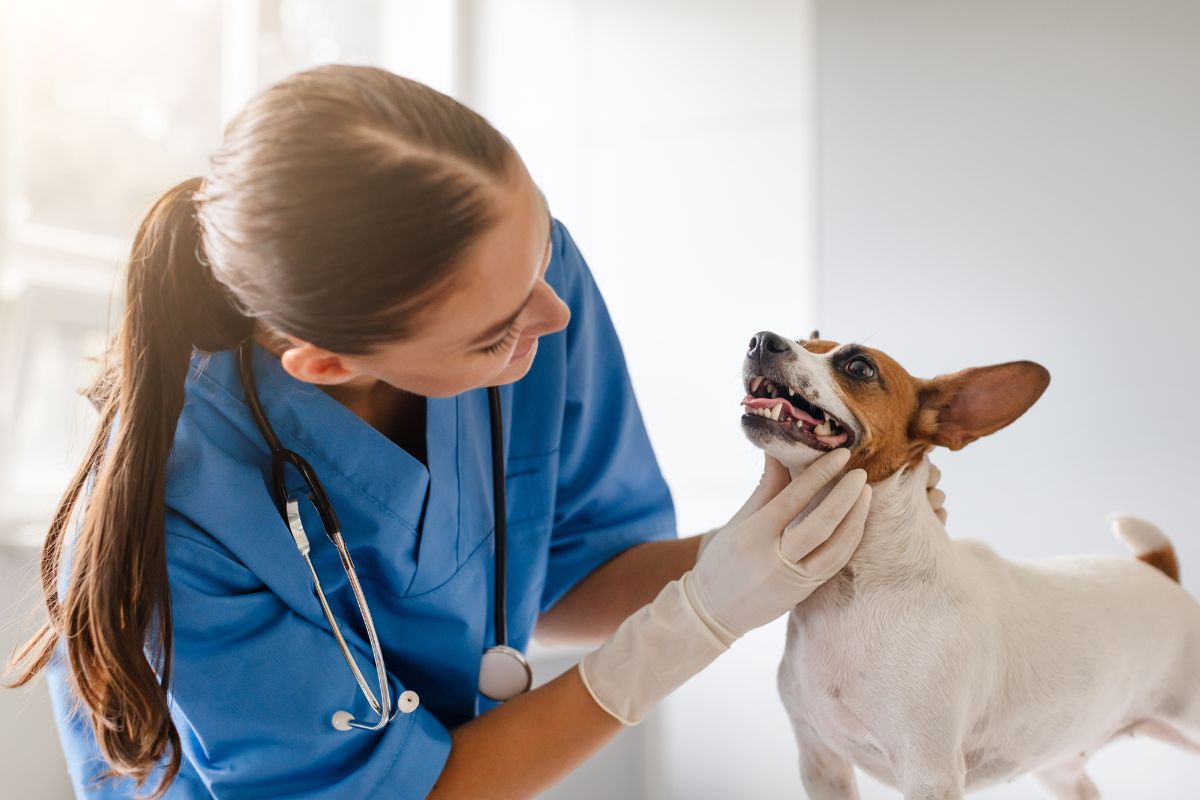
If you notice any of these signs, it may be time to consider a professional pet dental service to address the problem before it worsens.
Benefits of Routine Dental Cleanings
Regular dental cleanings offer several important benefits for your dog’s health:
1. Prevention of Periodontal Disease
Professional cleanings remove plaque and tartar that cannot be eliminated through brushing alone. This helps prevent gum disease and tooth loss.
2. Early Detection of Health Issues
Routine exams allow veterinarians to identify potential problems early, including infections, damaged teeth, or oral tumors.
3. Improved Overall Health
By reducing bacteria in the mouth, dental care lowers the risk of infections spreading to other parts of the body.
4. Better Quality of Life
Dogs with healthy teeth and gums experience less pain, eat comfortably, and remain more active.
At-Home Dental Care Tips
In addition to professional cleanings, maintaining a consistent at-home routine is key to your dog’s oral health. Here are some practical tips:
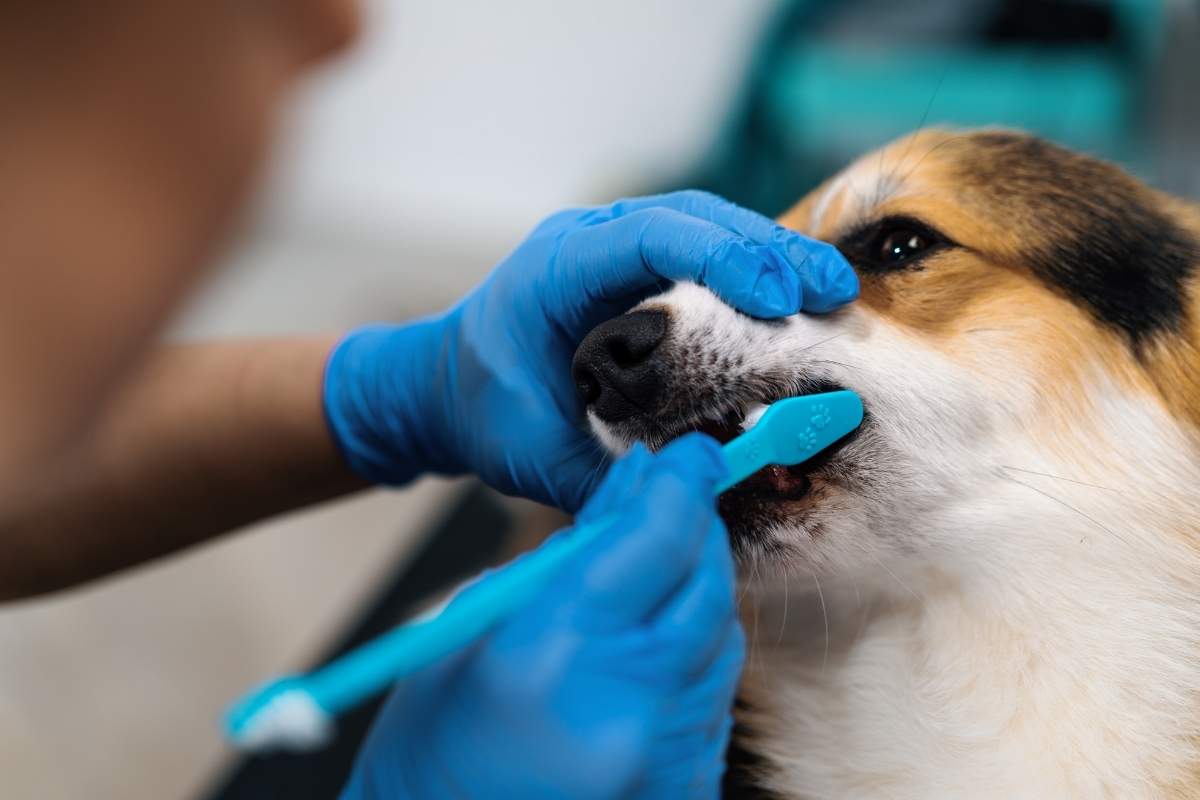
- Brush your dog’s teeth regularly using pet-safe toothpaste
- Provide dental chews or toys designed to reduce plaque
- Offer a balanced diet that supports oral health
- Monitor your dog’s mouth for any changes
Consistency is essential. Even small efforts can make a significant difference over time.
The Role of Professional Pet Dental Services
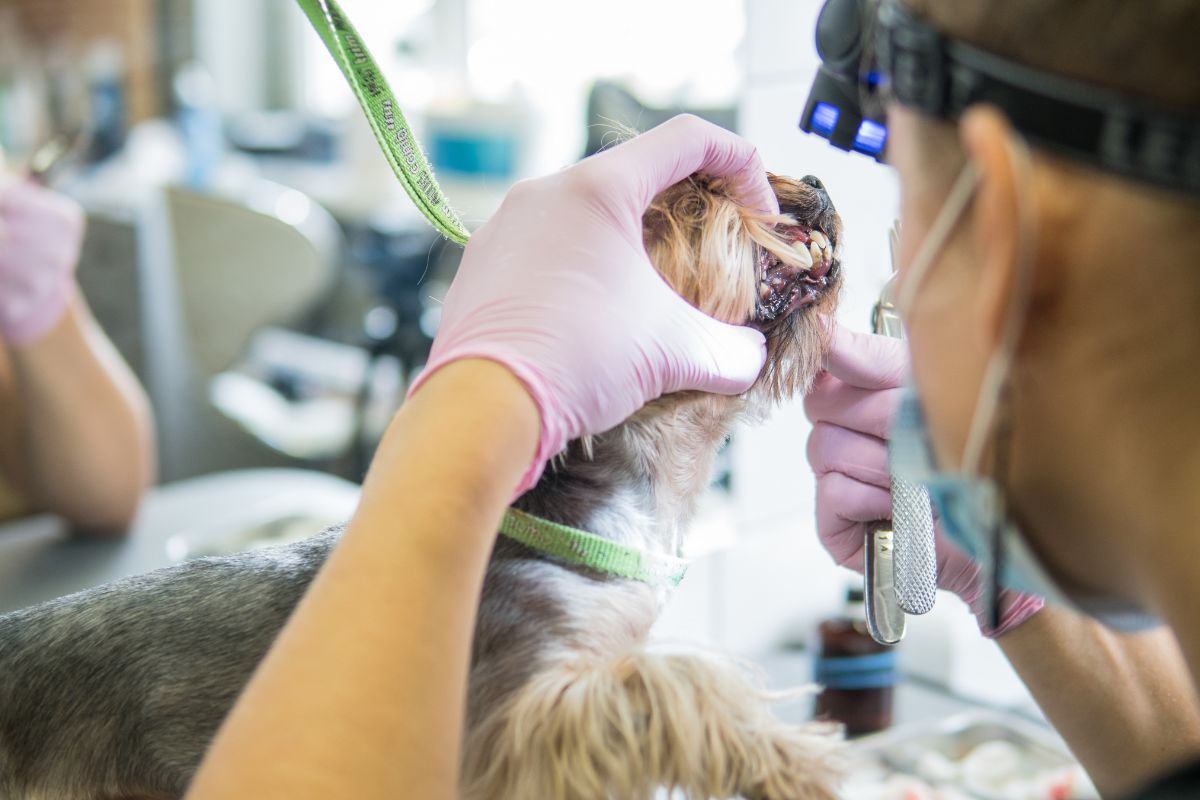
While home care is important, it cannot replace professional dental treatment. A comprehensive pet dental service includes thorough cleaning, scaling below the gum line, and a complete oral examination.
Veterinarians may also use diagnostic tools such as dental X-rays to detect hidden issues that are not visible during a routine check. In some cases, treatments like extractions or minor oral procedures may be necessary to protect your dog’s health.
Regular visits ensure that any developing issues are addressed early, preventing more serious complications in the future.
How Often Should Your Dog Have Dental Checkups?
The frequency of dental care depends on your dog’s age, breed, and overall health. However, most veterinarians recommend annual dental exams, with more frequent cleanings for dogs prone to dental issues.
Puppies can benefit from early exposure to dental care routines, while senior dogs may require closer monitoring due to increased risk of oral health problems.
Creating a Stress-Free Dental Routine
Many dogs are not naturally comfortable with dental care, so it’s important to introduce routines gradually. Start by gently handling your dog’s mouth and rewarding them with positive reinforcement. Over time, this helps build trust and reduces anxiety during brushing or professional visits.
A calm and consistent approach can make dental care a positive experience for both you and your pet.
Maintaining your dog’s dental health is an essential part of their overall care. By combining regular at-home routines with professional cleanings, you can prevent serious health issues and improve your pet’s quality of life. If you have concerns about your dog’s oral health, don’t hesitate to reach out to the experienced team at Maxtown Veterinary Clinic for guidance and support.
Routine dental care is a proactive step toward keeping your dog healthy and comfortable. If you’re in Westerville, OH, and want to ensure your pet receives expert dental care, we encourage you to schedule your appointment today.
FAQs for Local Pet Owners
Q1. How often should I brush my dog’s teeth?
Ans. Ideally, you should brush your dog’s teeth daily. However, even a few times a week can significantly improve oral health.
Q2. Are dental chews enough for maintaining oral hygiene?
Ans. Dental chews can help reduce plaque, but they should be used alongside brushing and professional cleanings for best results.
Q3. What happens during a professional dental cleaning?
Ans. A professional cleaning involves scaling, polishing, and a thorough examination of your dog’s teeth and gums.
Q4. Is bad breath in dogs normal?
Ans. No, persistent bad breath is often a sign of dental disease and should be evaluated by a veterinarian.
Q5. At what age should dental care begin?
Ans. Dental care should start early, ideally when your dog is a puppy, to establish good habits and prevent future issues.
Q6. How do I know if my dog needs a dental checkup?
Ans. If you notice signs like tartar buildup, gum inflammation, or changes in eating habits, it’s time for a dental evaluation.