7132 State Rt 3, Westerville Ohio 43082


We all love our pets like family. Whether it’s the wagging tail of a happy dog or the comforting purr of a content cat, pets add joy, laughter, and a whole lot of love to our lives. But here’s a question every pet owner should ask: Are you doing enough to keep your pet healthy before problems start?
Preventative care for pets is often overlooked. Many owners wait until there’s a visible issue—like a limp, a rash, or a change in behavior—before visiting the vet. By then, what could have been a simple fix might turn into a costly or complicated condition. The truth is, preventative pet care isn’t just smart; it can be life-saving.
Let’s take a closer look at why regular check-ups, vaccines, screenings, and everyday habits matter more than you might think.
It’s Not Just About Illness—It’s About Long-Term Wellness
Preventative care is more than avoiding sickness. It’s about building a foundation for long-term wellness. Think of it like servicing your car: regular oil changes and inspections keep it running smoothly and help you avoid expensive repairs later.
The same applies to your furry friend.
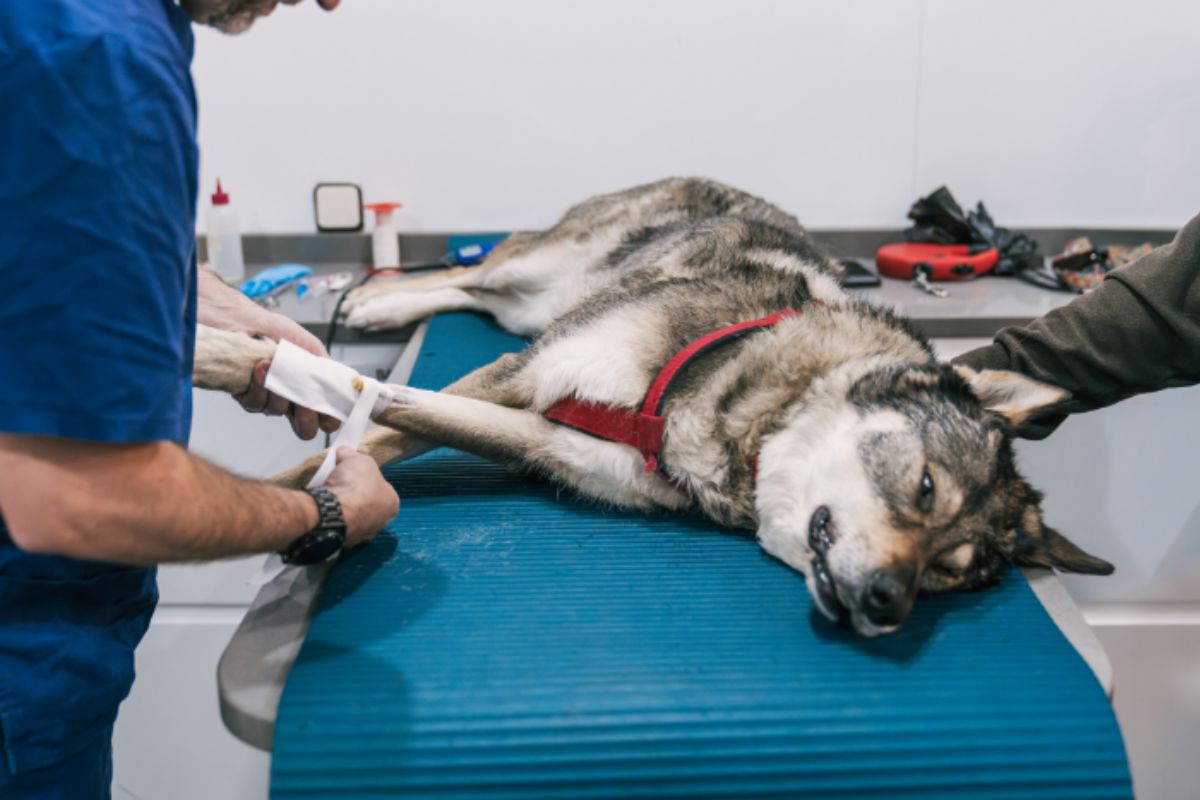
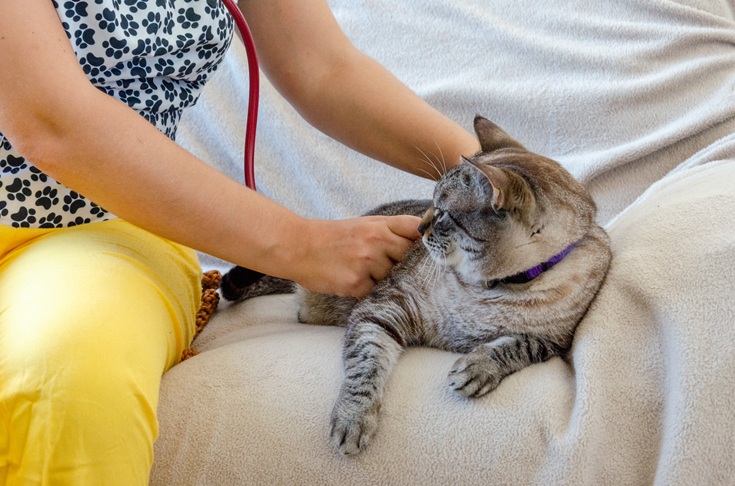
Veterinarians recommend annual or biannual wellness exams. These routine visits allow professionals to catch early signs of conditions like arthritis, dental disease, or even cancer. According to the American Veterinary Medical Association (AVMA), catching a disease early can improve the chance of successful treatment and lower overall healthcare costs.
From parasite prevention to early detection of heart disease, proactive care creates a full picture of your pet’s health—not just a snapshot when something goes wrong.
Vaccinations Protect More Than Just Your Pet
Vaccines are essential. They protect pets from contagious and potentially fatal diseases such as rabies, distemper, and parvovirus. What many pet parents don’t realize is that vaccines also protect the community.
Zoonotic diseases—those that can spread between animals and humans—pose a real risk. Rabies is one of the best-known examples. By vaccinating your pet, you’re also helping protect your family and neighbors. It’s a small step that has a wide-reaching impact.
Local laws often require certain vaccinations, and boarding facilities, groomers, and pet daycares usually won’t accept unvaccinated pets. Staying up to date ensures your pet stays welcome—and safe.
Want to stay ahead of common health risks? Take a moment to explore our blog on key vaccinations and preventive steps every pet parent should take.
Parasite Prevention Isn’t Seasonal
Fleas, ticks, and heartworms don’t take vacations—and neither should your pet’s protection plan.
Many pet owners assume that parasite prevention is only necessary during warmer months. But climate change has made seasons less predictable, and parasites like ticks can remain active throughout the year in many regions.
Heartworm disease, transmitted by mosquitoes, can be deadly for dogs and cats. What’s worse, it’s often symptom-free until advanced stages. Preventative medication is both affordable and effective, whereas treating heartworm disease is expensive, risky, and stressful for pets.
A consistent parasite prevention plan protects against unnecessary pain, vet bills, and even potential transmission to humans.
Nutrition and Weight Management Play a Bigger Role Than You Think
You might not think of nutrition as pet preventative care, but what your pet eats directly affects their health—and how long they live.
Overweight pets are more likely to develop diabetes, joint issues, heart disease, and certain types of cancer. Yet studies show that over half of all U.S. pets are overweight or obese. The good news? With the right guidance, most weight-related issues are preventable.
Veterinarians can help you determine the best diet based on your pet’s breed, age, activity level, and any existing medical conditions. Regular weigh-ins during wellness visits keep you on track and allow for early intervention if needed.
Healthy food, measured portions, and a bit of daily play can go a long way in giving your pet a longer, more comfortable life.
Dental Health Is Often Ignored—But It Shouldn’t Be
It’s easy to forget about your pet’s teeth—until their breath reminds you otherwise. But bad breath isn’t just unpleasant; it’s often the first sign of dental disease.
Periodontal disease affects more than 80% of dogs and 70% of cats over age three, according to the American Veterinary Dental College. Left untreated, it can lead to pain, tooth loss, and infections that spread to other organs.
Brushing your pet’s teeth, using dental chews, and scheduling professional cleanings can prevent these issues before they become severe. Dental health is part of overall health. If your pet can’t chew properly or is in pain, their quality of life takes a hit.
Behavioral Changes Can Be Warning Signs
Not all health problems show up on lab results. Changes in behavior—like increased aggression, hiding, or house soiling—can be signs of physical discomfort or stress.
A cat who suddenly avoids the litter box might have a urinary tract infection. A dog who’s become lethargic could be dealing with an internal issue. Without regular check-ins, these symptoms can be easy to misinterpret or dismiss.
Routine visits and open communication with your vet help you understand what’s normal for your pet—and when something may be off.
Older Pets Need Extra Attention
As pets age, their needs change. Senior dogs and cats are more prone to arthritis, kidney disease, vision problems, and cognitive decline. Regular bloodwork, joint evaluations, and specialized diets become crucial parts of their care.
Preventative care for older pets often involves more frequent check-ups, monitoring mobility, and adjusting routines to keep them comfortable. Early detection of age-related illnesses can significantly extend both lifespan and quality of life.
Your pet may not be able to tell you when something hurts—but through preventative care, you’ll be better equipped to catch silent issues before they escalate.
Preventative Care Saves Money in the Long Run
While some pet owners hesitate to spend money on routine care, it’s important to see it as an investment—not a luxury.
Emergency care or treatment for advanced illness is far more expensive than a wellness exam or monthly heartworm tablet. Pet insurance can help, but even without it, preventative care often saves money over the long haul.
Routine lab tests, early diagnostics, and screenings are far less invasive and costly than surgeries or chronic disease management. In other words, the earlier you catch a problem, the cheaper and easier it is to handle.
Building a Better Relationship With Your Veterinarian
One overlooked benefit of consistent preventative care is building trust between your pet and their vet. When visits become familiar and non-threatening, pets experience less anxiety—and so do you.
This trust becomes invaluable if your pet ever needs surgery, hospitalization, or emergency care. You’ll already have a care team that knows your pet’s history and can act quickly with confidence.
Strong relationships with your veterinary team can also lead to better personalized advice, quicker diagnoses, and more peace of mind for you as an owner.