7132 State Rt 3, Westerville Ohio 43082


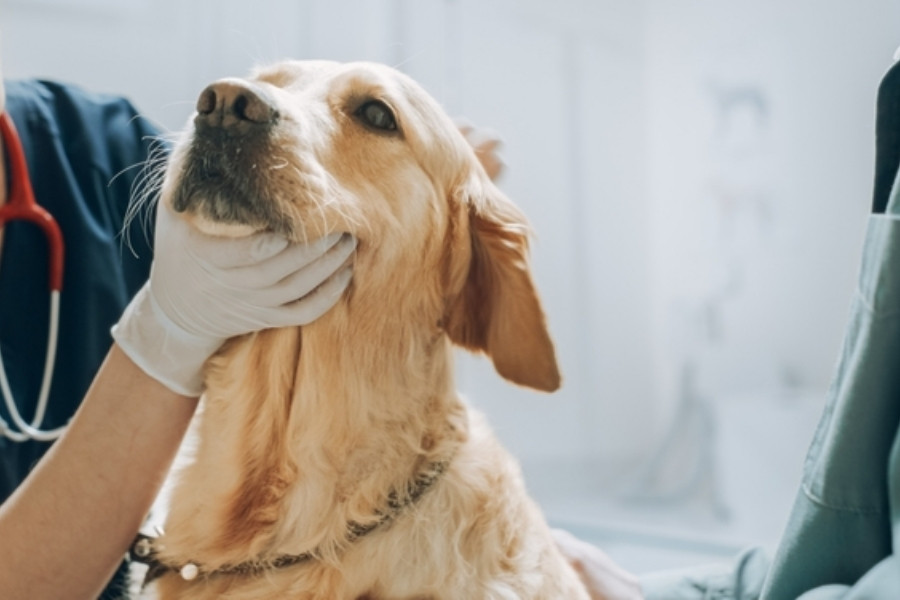
When was your pet’s last wellness exam? If it’s been over a year, your four-legged friend may already be missing out. While many pet parents wait until something seems “off,” regular exams are the foundation of pet preventative care in Westerville veterinarians recommend.
Wellness exams aren’t just about vaccines or weight checks. They’re full-body evaluations that catch small issues before they turn into big problems. Early detection leads to easier treatment, fewer emergencies, and a better quality of life for your furry companion.
Puppy Paws and Kitten Cuddles: Start Early for Stronger Health
Puppies and kittens grow fast, and their bodies change rapidly. During the first year, they should visit the vet every 3–4 weeks until their vaccination series is complete (usually around 16 weeks old). These visits also help monitor development, check for congenital issues, and establish a healthy baseline.
Once your pet is fully vaccinated and spayed or neutered, you can switch to twice-a-year checkups—at least for the next few years. These frequent visits create positive vet associations and keep you updated on nutrition, parasite prevention, and behavior milestones.
Annual Exams for Healthy Grown Pets
Once your pet becomes an adult (generally between 1–7 years of age), annual wellness exams are recommended. These visits may feel routine, but they’re anything but.
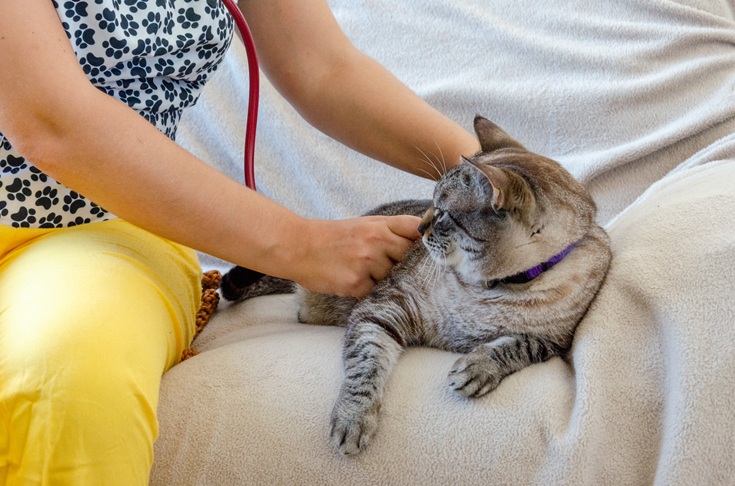
Even when your pet seems perfectly healthy, silent conditions like heart disease, early kidney dysfunction, or dental problems could be developing. Your vet will listen to their heart and lungs, check for lumps, examine teeth and skin, and ask questions about diet, activity, and behavior.
Preventative care isn’t just reactive—it’s proactive. And it’s the key to a longer, happier life.
Senior Snuggles Need Extra Support
Pets age faster than humans, and by the time they reach 7–10 years old, they’re considered seniors. Just like aging people, senior pets are more prone to health issues. That’s why vets suggest wellness exams every six months for senior dogs and cats.
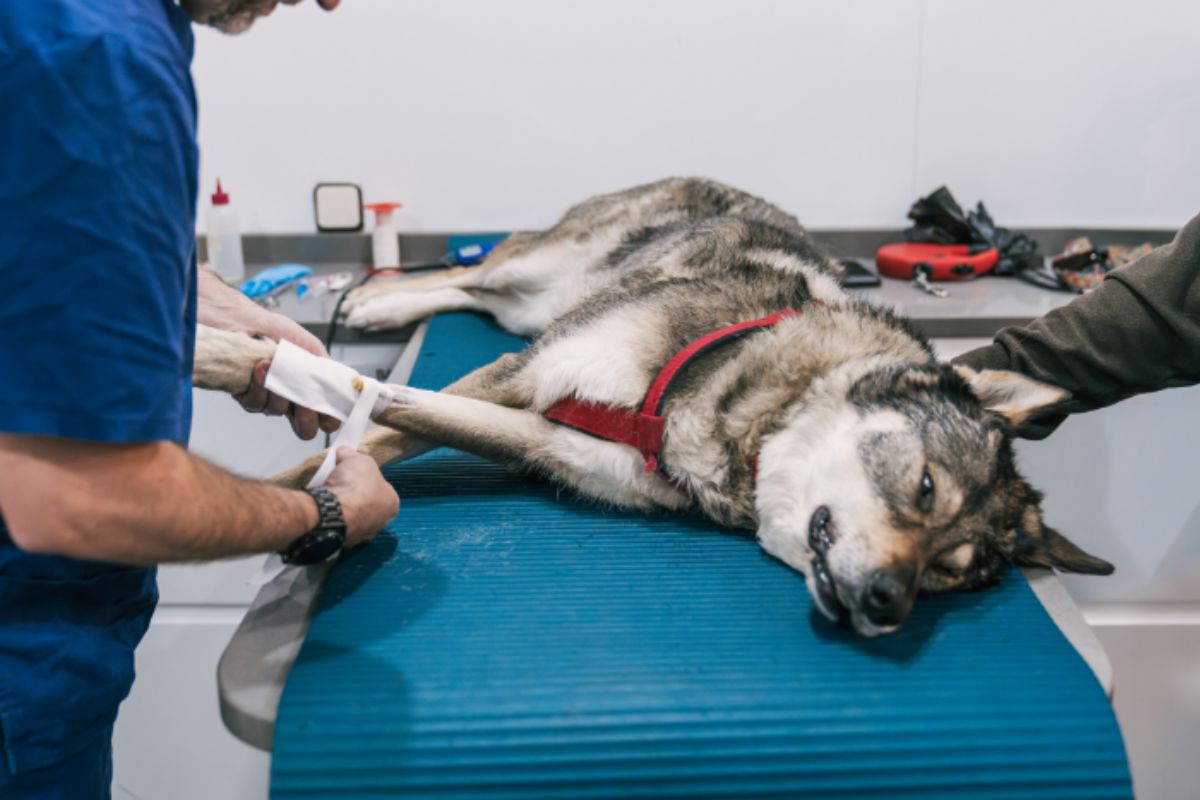
These visits help monitor arthritis, organ function, cognitive decline, and more. Your vet might recommend bloodwork, X-rays, or other diagnostic tests even if your pet isn’t showing outward symptoms.
Staying ahead of age-related conditions means your pet stays comfortable and active longer. And that’s a gift every pet parent wants to give.
What to Expect at Each Visit
A wellness exam isn’t just a once-over. It’s a full-body assessment. Your vet will likely:
- Weigh your pet
- Check temperature, pulse, and respiration
- Examine eyes, ears, mouth, skin, and joints
- Discuss diet, behavior, and home environment
- Recommend parasite prevention or vaccine updates
Sometimes, additional screenings are advised based on age, breed, or risk factors. This is where pet preventative care providers shine—they tailor your pet’s care based on their unique needs.
Consistency Builds Confidence (and Comfort!)
Pets feel more secure when experiences are familiar. Regular vet visits not only help your pet’s physical health but also reduce fear and anxiety over time. From car rides to exam rooms, the more your pet sees it as “normal,” the easier future visits will be.
You also build a stronger relationship with your veterinary team. They’ll better understand your pet’s personality, health trends, and needs—making their care more personalized and effective.
Frequently Asked Questions
1. How often should my adult dog or cat get a wellness exam?
Healthy adult pets should have a wellness exam once a year. This schedule allows your vet to detect issues early and keep vaccinations current.
2. Why do senior pets need more frequent vet visits?
Aging pets are more susceptible to health problems. Semi-annual exams help monitor conditions like arthritis, dental disease, and organ dysfunction before they become painful or serious.
3. Can I skip the vet if my pet seems healthy?
Not a good idea. Many health issues, especially in the early stages, show no symptoms. Wellness exams detect these hidden problems before they worsen.
4. What’s included in a wellness exam?
A wellness exam includes a full physical evaluation, behavior discussion, dietary consultation, and updates on vaccines or preventatives. Diagnostic tests may also be recommended depending on your pet’s age and health.
5. Are wellness exams expensive?
They’re often much more affordable than emergency care or treatment for advanced illness. Investing in preventative care actually saves money—and heartache—in the long run.
6. What is “pet preventative care”?
It refers to proactive healthcare like vaccines, parasite prevention, dental care, and wellness exams. In pet preventative care in Westerville, this approach keeps pets healthier, longer, and often prevents costly treatment later.
Final Thoughts
Your pet depends on you for everything—including their health. Wellness exams aren’t just appointments—they’re acts of love. They give your vet the opportunity to catch potential issues, adjust care plans, and celebrate milestones together.
By following the recommended schedule and working with a compassionate provider of pet preventative care pet owners trust, you’re giving your furry friend the best chance at a long, vibrant life. And that’s a gift you’ll never regret.