7132 State Rt 3, Westerville Ohio 43082


Cats can experience serious dental pain without showing obvious signs of discomfort. Your cat may continue eating, grooming, and playing while a painful condition slowly damages its teeth. One such condition is tooth resorption, a progressive dental disease that can affect a cat’s ability to chew comfortably. Because symptoms often remain unnoticed until significant damage occurs, many pet owners discover the problem during a routine veterinary examination.
Understanding this condition can make a meaningful difference in your cat’s daily comfort and long-term oral health. This guide is especially helpful for cat owners in Westerville who want to recognize the warning signs of tooth resorption, understand its possible causes, and learn how timely veterinary treatment can relieve pain and protect their feline companion’s quality of life.
What Is Tooth Resorption in Cats?
Tooth resorption occurs when cells called odontoclasts begin breaking down the hard structures of a tooth. The damage may start below the gumline and gradually spread, weakening the affected tooth.
Unlike ordinary cavities caused by bacterial activity, tooth resorption involves the destruction of the tooth’s own structure. As the condition progresses, sensitive areas may become exposed, causing considerable discomfort.
The disease can affect one tooth or several teeth simultaneously. It is particularly common in adult and older cats, although younger felines can develop it.
Tooth resorption does not heal on its own. Once significant damage develops, veterinary treatment is necessary to address the affected tooth and relieve discomfort.
Early Symptoms of Cat Tooth Resorption
Recognizing tooth resorption can be difficult because cats naturally conceal discomfort. Even those experiencing considerable dental pain may continue their usual activities.
Watch for these changes in your cat’s behavior and eating habits.
Changes in Eating and Chewing Habits
Dental discomfort often becomes noticeable during meals. Your cat may:
- Prefer wet food over dry kibble.
- Chew primarily on one side of the mouth.
- Drop food while eating.
- Swallow kibble without chewing.
- Approach meals enthusiastically but hesitate to eat.
These changes should never be dismissed as ordinary picky eating.
Redness or Swelling Around the Gums
One possible warning sign is a small red or pink area where the gum meets the tooth. Inflamed gum tissue may partially cover the damaged area, making the problem difficult to identify without veterinary equipment.
Unusual Reactions During Meals
Some cats suddenly jerk their heads, stop chewing, or walk away from their food bowls. These reactions can occur when chewing places pressure on a sensitive tooth.
Changes in Grooming and Behavior
Oral pain may also affect your cat’s personality and daily habits.
You might notice:
- Reduced interest in grooming.
- Increased irritability when touched.
- Less enthusiasm for toys.
- Pawing or rubbing at the mouth.
- Withdrawal from familiar activities.
Not every cat develops visible symptoms. Some continue behaving normally despite having damaged teeth.
What Causes Tooth Resorption in Cats?
The exact cause of feline tooth resorption remains unknown. Researchers continue investigating why the cells responsible for breaking down tooth tissue become unusually active.
Several factors have been studied, although none has been established as the single cause.
Age and Changes in Dental Health
Tooth resorption becomes more common as cats grow older. However, aging alone does not explain why some develop the condition while others maintain healthy teeth.
Inflammation and Other Dental Conditions
Researchers have examined possible connections between tooth resorption, inflammation, and periodontal disease. These conditions can occur together, but tooth resorption is a separate disease and should not be confused with ordinary gum disease.
Biological and Nutritional Factors
Scientists have investigated whether vitamin D metabolism, dietary influences, or changes in the body’s regulation of tooth tissue contribute to resorption. Currently, there is insufficient evidence to identify a specific diet or nutritional deficiency as its cause. Since no proven prevention method exists, regular dental examinations remain important for detecting changes before extensive damage develops.
Why Early Dental Treatment Matters
Tooth resorption is progressive, meaning the affected tooth can continue deteriorating without appropriate treatment. Early diagnosis helps veterinarians identify painful lesions and determine which teeth require treatment.
Preventing Months of Unrecognized Pain
Cats rarely communicate dental discomfort in ways their owners immediately recognize. A cat that continues eating may still experience sharp pain whenever food touches an exposed area of the tooth. Early evaluation can identify these problems before the discomfort becomes more severe.
Protecting Normal Eating Habits
Dental pain may discourage chewing and gradually reduce food intake. Some cats begin avoiding harder foods, while others become reluctant to eat altogether. Addressing painful teeth helps them return to more comfortable eating habits and maintain adequate nutrition.
Reducing Further Tooth Damage
As resorption progresses, the tooth structure weakens. In advanced cases, the visible portion of the tooth may fracture or disappear.
Although treatment cannot restore tissue already destroyed by resorption, timely intervention can eliminate sources of pain and prevent continued deterioration of affected teeth.
How Veterinarians Diagnose Tooth Resorption
A veterinary dental examination involves more than checking whether teeth appear clean. At our veterinary hospital, we offer comprehensive oral examinations and full-mouth digital dental X-rays to evaluate dental health above and below the gumline.
Examining the Teeth and Gums
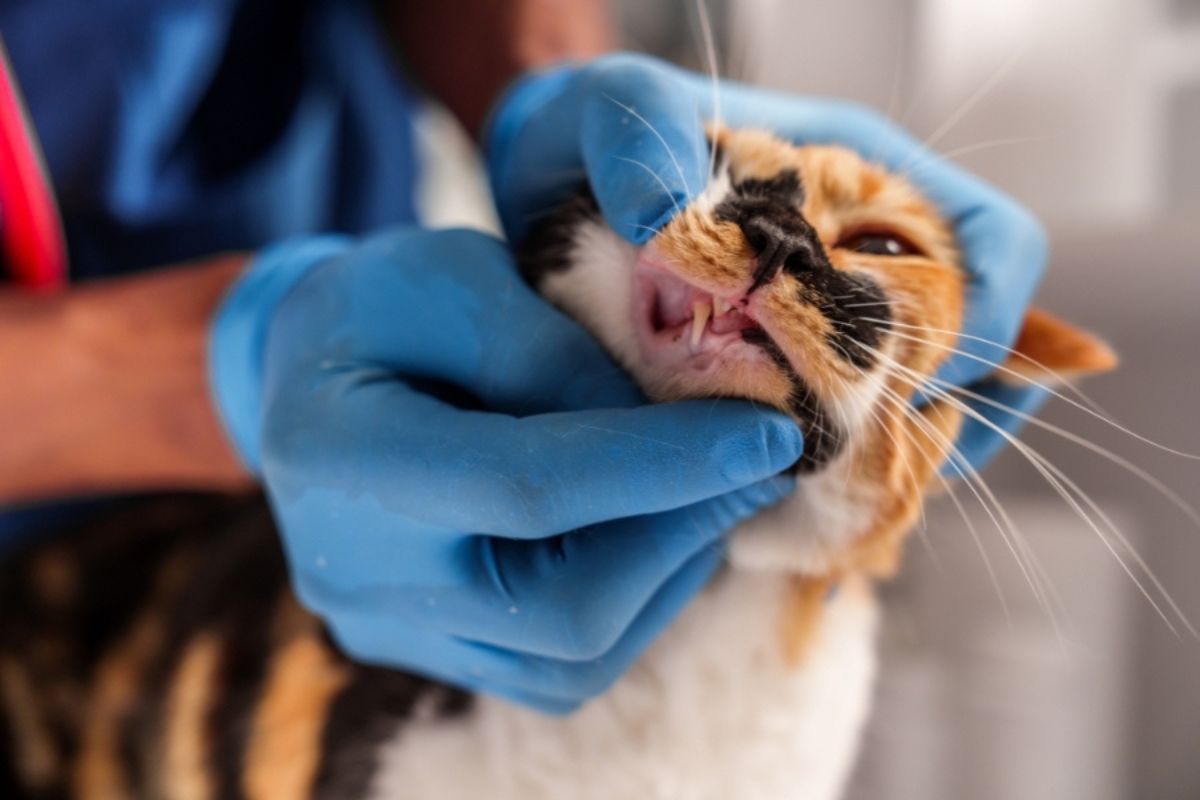
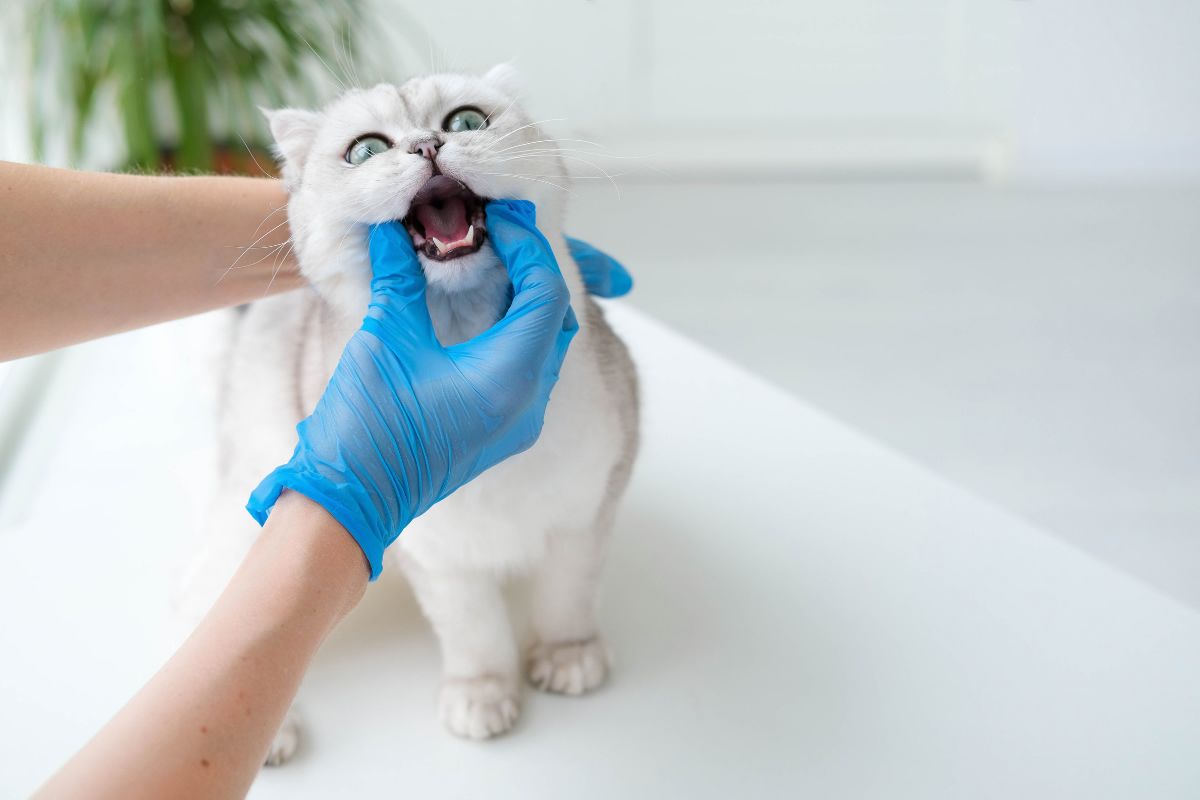
Our vets examine your cat’s mouth for visible abnormalities, including gum inflammation, damaged teeth, and areas that may indicate resorption. However, an awake examination cannot reveal every affected area.
Using Digital Dental X-Rays
Dental radiographs are particularly important because resorption frequently develops beneath the gumline. X-rays allow veterinarians to evaluate tooth roots, surrounding bone, and the extent of damage.
A detailed examination under monitored anesthesia helps our team assess areas that cannot be examined thoroughly while your cat is awake. These findings guide treatment decisions and help determine whether additional teeth are affected. Our approach to pet dental care includes identifying hidden dental problems that may otherwise continue causing discomfort.
Treatment Options for Feline Tooth Resorption
Treatment depends on the location, type, and severity of the damage. Unfortunately, resorbed tooth tissue cannot regenerate, and routine dental cleaning alone cannot repair an affected tooth.
Surgical Removal of Damaged Teeth
Extracting a painful tooth is a common treatment for feline tooth resorption. Removing the affected tooth eliminates the damaged structure responsible for discomfort. At our veterinary hospital, we provide dental extractions and carefully monitored anesthesia when surgical treatment is necessary.
Crown Removal in Selected Cases
For certain types of advanced root resorption, veterinarians may recommend removing the visible crown while leaving roots that are already being replaced by bone. This procedure is appropriate only in specific circumstances determined through dental X-rays. It is not suitable for every affected tooth, particularly when infection or other root abnormalities are present.
Pain Management and Recovery
Following treatment, cats may receive veterinarian-prescribed pain medication and instructions for eating and recovery. Our team provides post-procedure guidance so owners understand how to monitor healing and recognize possible complications. Many cats become more comfortable after painful teeth are treated, although recovery varies with the procedure and their overall health.
Can Cat Tooth Resorption Be Prevented?
There is currently no proven way to prevent feline tooth resorption completely. However, maintaining healthy oral hygiene can help control other dental problems and support your cat’s comfort.
Consider these habits:
- Schedule routine veterinary dental examinations.
- Brush your cat’s teeth with veterinarian-approved toothpaste when tolerated.
- Choose appropriate dental products recommended by your veterinarian.
- Monitor eating habits and changes in behavior.
- Arrange an examination when oral discomfort is suspected.
Regular pet dental care also allows our vets to monitor previously identified lesions and evaluate the condition of remaining teeth.
While brushing helps reduce plaque, it cannot stop or reverse tooth resorption.
Help Your Cat Eat Comfortably Again
Tooth resorption can quietly affect how your cat eats, behaves, and enjoys everyday activities. Recognizing dental discomfort and seeking treatment early can prevent unnecessary suffering and help your feline companion return to familiar routines with greater ease.
At WestVets Maxtown Veterinary Clinic, we provide dental examinations, digital dental X-rays, professional cleanings, and oral surgery for cats in Westerville. Our goal is to identify painful dental conditions and recommend treatment that supports lasting comfort.
Don’t wait until your cat refuses food or shows obvious signs of pain. Contact our veterinary hospital or schedule a dental appointment online. Let our vets help your cat enjoy meals, playtime, and everyday life without avoidable dental discomfort.
Frequently Asked Questions
Q1. Is tooth resorption painful for cats?
Ans. Yes. Tooth resorption can cause significant discomfort, particularly when damage exposes sensitive tooth structures. However, some cats show few outward symptoms. A veterinary dental examination can identify affected teeth and determine whether treatment is necessary.
Q2. Can tooth resorption spread to other teeth?
Ans. Multiple teeth can develop resorption over time. Although the condition does not spread like an infection, a cat diagnosed with one affected tooth may develop additional lesions. Regular examinations and dental X-rays help monitor remaining teeth.
Q3. Can cats eat normally after tooth extraction?
Ans. Most cats can return to eating comfortably after healing, even when several teeth have been removed. Your veterinarian will recommend an appropriate recovery diet and provide instructions for introducing regular food based on your cat’s procedure.
Q4. Where can I get my cat checked for tooth resorption in Westerville?
Ans. WestVets Maxtown Veterinary Clinic provides feline dental examinations and digital dental X-rays in Westerville. Our vets can examine your cat’s teeth, identify suspected resorptive lesions, and discuss appropriate treatment options based on the findings.
Q5. Does your veterinary hospital offer tooth extractions for cats in Westerville?
Ans. Yes. WestVets Maxtown Veterinary Clinic offers oral surgery, including dental extractions. Our team uses monitored anesthesia and provides post-procedure recovery instructions. The recommended treatment depends on your cat’s dental examination and X-ray results.
Q6. How can I schedule a feline dental examination in Westerville?
Ans. You can contact WestVets Maxtown Veterinary Clinic at 614-890-7297 or request an appointment through our website. Our veterinary hospital is located at 7132 State Route 3, Westerville, OH 43082. We recommend arranging an evaluation whenever you notice changes in your cat’s chewing, appetite, or oral health.