7132 State Rt 3, Westerville Ohio 43082


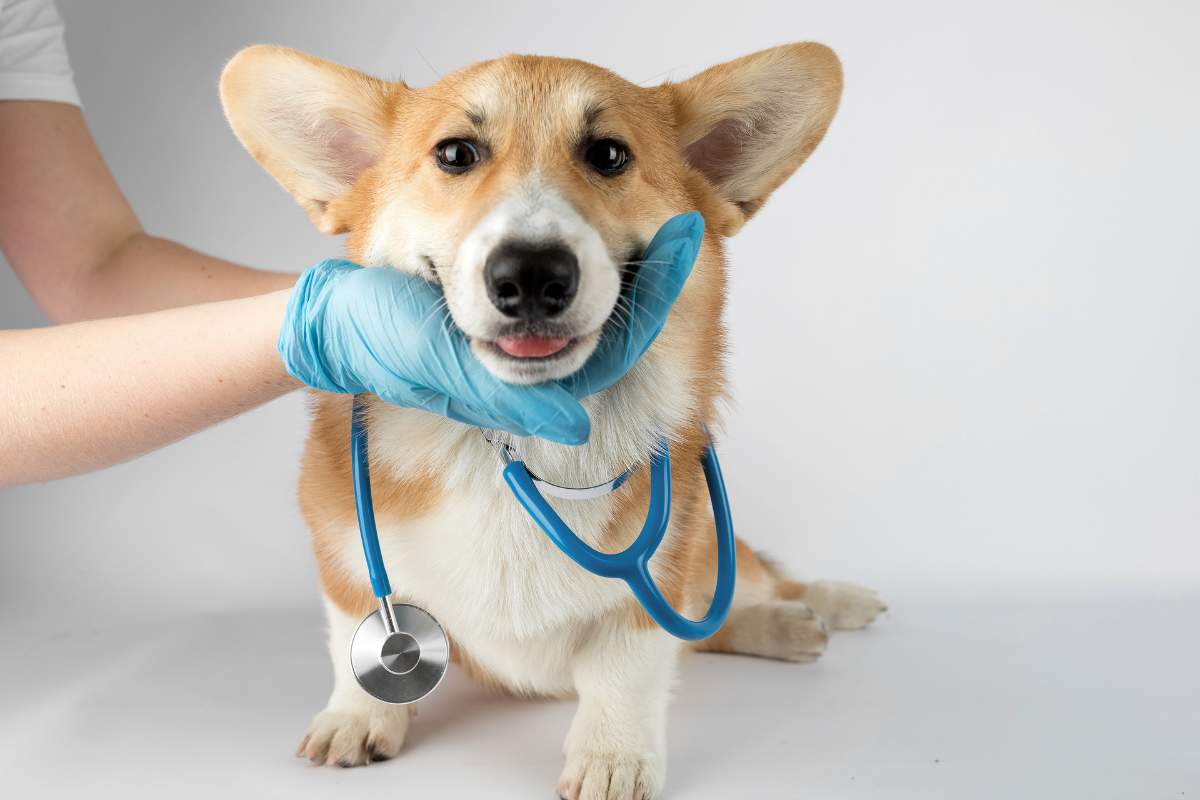
Your dog may still enjoy crunchy treats despite having a painful tooth infection. Your cat might continue eating normally even when a tooth is deteriorating beneath the gums. Dental problems do not always produce visible symptoms, making them difficult for pet owners to recognize. While a pet’s teeth may appear healthy during a quick look at home, problems involving the roots and surrounding bone can remain hidden for months.
Understanding what happens beneath the gumline can help you make informed decisions about your pet’s oral health. This guide is especially for pet owners in Westerville who want to understand how veterinary dental X-rays detect hidden problems, why these findings matter, and how timely treatment can protect their pets from unnecessary discomfort.
Why Visual Dental Exams Cannot Reveal Everything
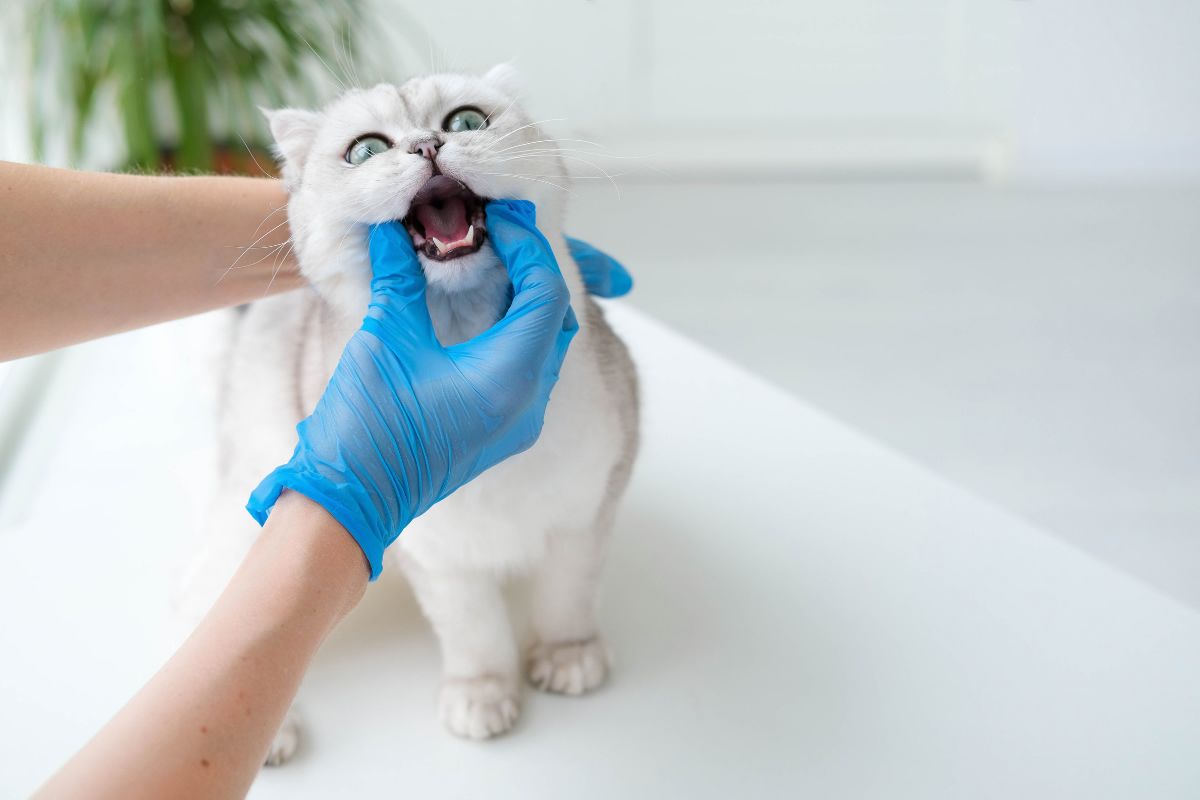
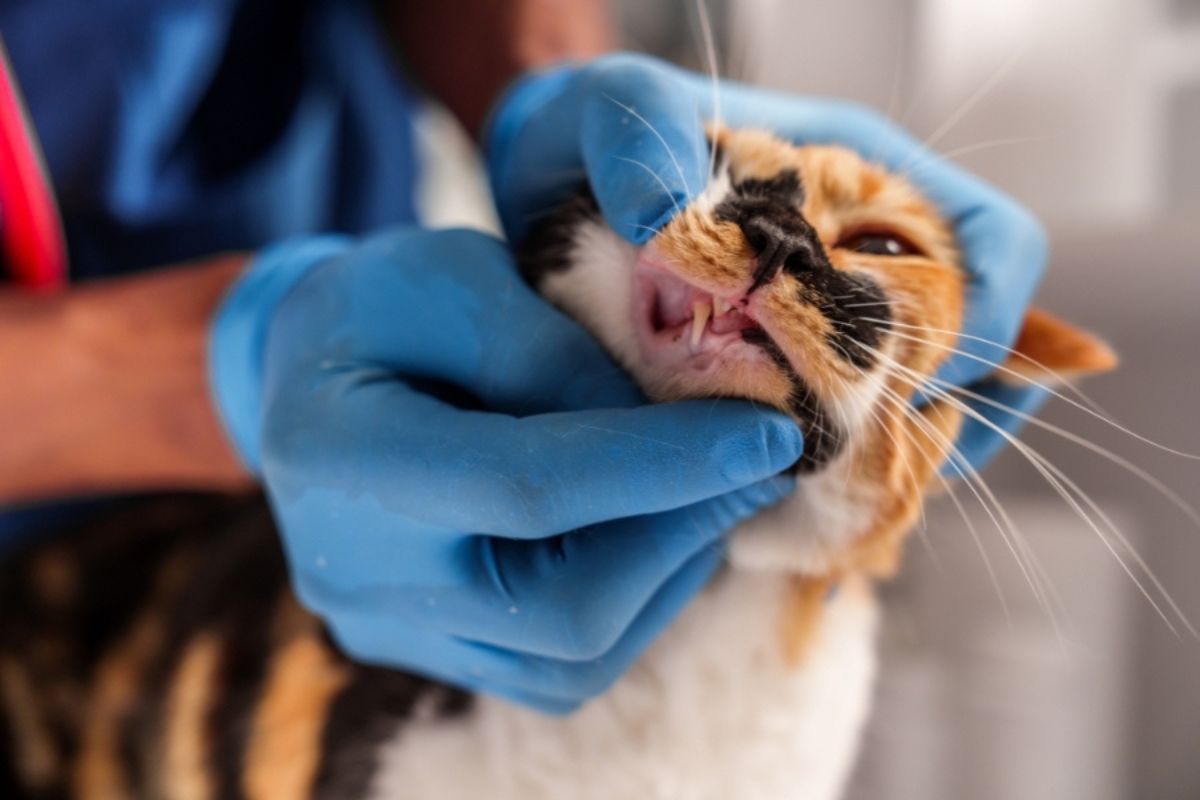
A dog’s or cat’s tooth has two main parts: the crown, which is visible above the gums, and the root, which sits within the jawbone. Although veterinarians can identify plaque, tartar, inflammation, and certain fractures during an oral examination, they cannot see the entire tooth without diagnostic imaging.
Dental X-rays provide detailed images of tooth roots, surrounding bone, and structures hidden beneath the gums. These images help our vets distinguish between teeth that only need cleaning and those requiring further treatment.
A tooth that looks normal on the surface may have significant damage underneath. Without dental radiographs, that damage could remain undetected until the condition becomes more severe.
What Can Dental X-Rays Reveal in Pets?
Veterinary dental radiographs help identify several oral health problems that may otherwise go unnoticed.
Hidden Tooth Root Infections
Bacteria can enter a tooth through a fracture or damage to the inner dental tissue. Over time, an infection may develop around the root. These infections can cause considerable discomfort, even when the visible tooth looks relatively normal.
Dental X-rays may reveal changes in the bone surrounding an infected root, helping our vets determine whether the tooth requires treatment. A dog with a root infection might develop facial swelling, avoid chewing on one side, or show no noticeable symptoms.
Bone Loss From Periodontal Disease
Periodontal disease develops when plaque-associated inflammation affects the tissues supporting the teeth. As the condition progresses, the gums, ligaments, and surrounding bone can become damaged. Dental X-rays allow veterinarians to evaluate bone loss and assess how securely each tooth is supported.
These findings help determine whether periodontal treatment may preserve the tooth or whether extraction is necessary. Identifying bone loss early can also help prevent further damage to neighboring teeth.
Tooth Resorption in Cats
Tooth resorption is a painful condition in which a cat’s tooth structure gradually breaks down. The process often begins below the gumline, making early changes difficult to detect during a routine visual examination.
Dental radiographs help veterinarians identify affected teeth and evaluate how much of the root structure has changed. This information is especially important because treatment depends on the type and extent of resorption. Cats frequently continue eating despite dental pain, so normal eating habits do not necessarily mean their teeth are healthy.
Fractured Teeth and Damaged Roots
Dogs sometimes fracture teeth while chewing hard objects, including bones, antlers, or other rigid items. Cats can also experience dental fractures following injuries or accidents. While some fractures are immediately visible, damage involving the roots may remain hidden.
Dental X-rays help our vets examine the extent of an injury and determine whether the surrounding structures have been affected. This information supports treatment decisions and helps avoid leaving painful dental problems untreated.
Retained Roots and Missing Teeth
Sometimes, a tooth appears to be missing, but part of its root remains embedded in the jawbone. Retained roots may result from previous fractures, incomplete tooth loss, or earlier dental procedures.
Dental imaging can identify these fragments and help determine whether treatment is necessary. X-rays can also reveal unerupted teeth that remain trapped beneath the gums, particularly in younger animals. Not every hidden tooth requires removal, but identifying it allows veterinarians to assess potential complications.
Why Early Dental Imaging Protects Oral Health
Dental problems often progress gradually. A small area of bone loss may become more extensive, while an untreated root infection can continue causing discomfort.
Routine veterinary examinations help identify visible changes, but comprehensive dog dental care sometimes requires looking deeper.
Dental X-rays can make a meaningful difference by helping veterinarians:
- Detect disease that cannot be seen during a visual examination.
- Evaluate the roots and surrounding jawbone.
- Identify painful conditions before obvious symptoms appear.
- Determine which teeth need treatment.
- Confirm whether tooth roots have been completely removed after extraction.
- Make informed decisions about future dental care.
Early diagnosis does not guarantee that every tooth can be saved. However, it gives our vets more information when recommending appropriate treatment.
What Happens During Your Pet’s Dental X-Rays?
Many pet owners feel nervous when they hear that their dog or cat needs anesthesia for dental imaging. Understanding the procedure can make the experience less concerning. At our veterinary hospital, dental evaluations include full-mouth digital X-rays performed during carefully monitored anesthesia.
Step 1: Pre-Anesthetic Health Evaluation
Before the procedure, our veterinary team performs a physical examination and evaluates pre-anesthetic bloodwork. These assessments help us identify health concerns that could influence the anesthesia plan.
Step 2: Anesthesia and Patient Monitoring
Dental radiographs require precise positioning and a motionless patient. General anesthesia allows our team to obtain clear images while reducing movement, distress, and the risk of injury.
Our team monitors your pet throughout the procedure. Although anesthesia carries some risk, evaluating each patient’s health beforehand helps us choose an appropriate approach.
Step 3: Digital Dental Imaging
Our vets obtain full-mouth digital dental radiographs to examine the roots and supporting bone. We combine these images with a thorough oral examination to identify disease and determine the appropriate treatment.
Step 4: Cleaning and Necessary Treatment
Our dental services include professional scaling, polishing, periodontal treatment, and extractions when indicated. The findings from your pet’s examination and X-rays help guide these decisions.
Step 5: Recovery and Home Care Instructions
After the procedure, your pet is monitored during recovery. Our team provides information about the findings, any treatment performed, and recommendations for continued oral care at home.
Signs Your Pet May Need Dental Evaluation
Dental disease can develop without noticeable symptoms. Still, certain changes should prompt a veterinary examination.
Watch for:
- Persistent bad breath: An ongoing unpleasant odor may indicate dental disease.
- Difficulty chewing: Your pet may drop food or prefer softer meals.
- Swollen or bleeding gums: These changes can indicate inflammation.
- Excessive drooling: Increased saliva may accompany oral discomfort.
- Pawing at the mouth: Some pets rub their faces or avoid having their mouths touched.
- Loose or discolored teeth: These changes can indicate dental injury or disease.
- Facial swelling: Swelling near the muzzle or beneath an eye may indicate a serious problem.
Pets showing these symptoms should receive a veterinary assessment rather than waiting for their next routine appointment.
Sudden facial swelling, significant pain, or an inability to eat warrants prompt attention.
How Can You Prevent Future Dental Problems?
Although dental X-rays help identify existing disease, preventive habits remain important for maintaining oral health. Consistent dog dental care can reduce plaque buildup and help lower the risk of periodontal disease. Our vets recommend combining professional dental evaluations with practical home care.
Brush Your Pet’s Teeth Regularly
Use a soft toothbrush and toothpaste formulated specifically for pets. Introduce brushing gradually and reward cooperation. Never use human toothpaste, as certain ingredients can be harmful to animals.
Choose Appropriate Dental Products
Dental chews and other oral hygiene products may help reduce plaque and tartar. Look for products accepted by the Veterinary Oral Health Council, and ask our vets which options are appropriate for your pet. Avoid extremely hard chew toys that could fracture teeth.
Schedule Routine Oral Examinations
Regular dental examinations help track changes in your pet’s mouth. The appropriate schedule depends on age, breed, previous dental problems, and current oral health. Our team can recommend when professional cleaning and dental imaging may be appropriate.
Give Your Pet a Healthier Mouth Starting Today
Dental pain can quietly affect how pets eat, play, and enjoy everyday activities. Identifying hidden problems allows veterinarians to address the cause of discomfort and help pets return to their usual routines.
At our veterinary hospital, we use full-mouth digital dental X-rays, comprehensive oral examinations, and appropriate dental treatments to support healthier teeth and gums. Our goal is to help every patient receive the attention needed for lasting oral comfort.
If you live in Westerville and have concerns about your dog’s or cat’s dental health, contact WestVets Maxtown Veterinary Clinic today. Call us to schedule an appointment online. Our vets are ready to examine your pet’s mouth, answer your questions, and recommend the next steps toward a healthier, more comfortable life.
Frequently Asked Questions
Q1. Can dental X-rays detect problems that are not visible?
Ans. Yes. Dental X-rays can reveal infections around tooth roots, bone loss, retained roots, tooth resorption, and certain fractures. These conditions may develop beneath the gums without obvious external changes. Radiographs help veterinarians evaluate hidden structures and determine whether treatment is necessary.
Q2. Are dental X-rays painful for dogs and cats?
Ans. Dental X-rays themselves do not cause pain. However, positioning the imaging equipment inside an awake animal’s mouth can be uncomfortable and unsafe. Veterinarians use anesthesia to keep pets still, allow accurate imaging, and support a thorough oral examination.
Q3. Does every pet need dental X-rays annually?
Ans. Not necessarily on a fixed annual schedule. Full-mouth dental radiographs are recommended during comprehensive anesthetized dental procedures, but the timing of those procedures depends on the pet’s oral health. Your veterinarian will consider your pet’s age, dental history, symptoms, and examination findings.
Q4. Where can I get dental X-rays for my dog in Westerville?
Ans. WestVets Maxtown Veterinary Clinic provides full-mouth digital dental X-rays for dogs in Westerville. Our veterinary team uses these images alongside oral examinations to identify hidden dental problems and determine whether cleaning, periodontal treatment, or extraction is needed.
Q5. Can your veterinary hospital diagnose tooth resorption in cats?
Ans. Yes. WestVets Maxtown Veterinary Clinic offers digital dental imaging that helps identify tooth resorption in cats. Our vets examine the affected teeth and their roots to determine the extent of the condition and recommend appropriate treatment based on the findings.
Q6. How can I schedule a dental examination in Westerville?
Ans. You can contact WestVets Maxtown Veterinary Clinic or request an appointment online. Our hospital is located at 7132 State Route 3, Westerville, OH 43082. During your pet’s visit, our veterinary team can evaluate oral health concerns and discuss whether a comprehensive dental procedure with X-rays is appropriate.