7132 State Rt 3, Westerville Ohio 43082


Kidneys play an essential role in removing waste products from the bloodstream, regulating fluid balance, and maintaining electrolyte levels. When blood tests reveal elevated kidney values, it may indicate that the kidneys are not filtering waste as efficiently as expected. Understanding these results can help pet owners recognize potential health concerns and seek timely veterinary evaluation.
At WestVets Maxtown Veterinary Clinic, blood chemistry testing and urinalysis help evaluate kidney function and investigate possible abnormalities. Understanding what BUN and creatinine levels reveal can help pet owners make informed decisions about their animals’ diagnostic care needs.
What Are BUN and Creatinine in Dogs and Cats?
BUN and creatinine are waste products measured through blood chemistry testing. Both provide important information about kidney function.
Blood Urea Nitrogen (BUN)
BUN measures the amount of nitrogen present in the blood as urea, a waste product formed when the body breaks down protein. Healthy kidneys filter urea and remove it through urine.
Elevated BUN levels may indicate reduced kidney filtration. However, dehydration, high-protein diets, gastrointestinal bleeding, and certain other conditions can also increase BUN.
Creatinine
Creatinine is produced through normal muscle metabolism and eliminated primarily by the kidneys. When kidney filtration decreases, creatinine can accumulate in the bloodstream.
Elevated creatinine levels may suggest reduced kidney function. However, muscle mass and hydration can influence the results, so veterinarians interpret them alongside other findings.
What Causes High Kidney Values in Pets?
Several conditions can contribute to elevated BUN and creatinine levels.
1. Chronic Kidney Disease
Chronic kidney disease develops when kidney function gradually declines over time. It is particularly common in older cats and dogs. Symptoms may include increased thirst, frequent urination, weight loss, and reduced appetite.
2. Dehydration
Insufficient fluid intake, vomiting, diarrhea, or excessive fluid loss can reduce blood circulation to the kidneys. This may temporarily increase BUN and creatinine levels.
3. Acute Kidney Injury
Sudden kidney damage may result from toxin exposure, certain medications, severe infections, or reduced blood flow. Acute kidney injury requires prompt veterinary evaluation.
4. Urinary Obstruction
A blockage that prevents normal urine flow can cause waste products to accumulate in the bloodstream. Urinary obstruction requires immediate veterinary attention, particularly in male cats.
What Symptoms Should Pet Owners Watch For?
Pets with early kidney disease may show few noticeable symptoms. As the condition progresses, common warning signs include:
- Increased thirst and urination.
- Reduced appetite or unexplained weight loss.
- Vomiting or nausea.
- Unusual tiredness or weakness.
- Bad breath or mouth ulcers.
- Changes in urination habits.
Contact a veterinarian if these symptoms develop. Inability to urinate, repeated vomiting, or severe weakness requires urgent attention.
What Tests Help Evaluate Kidney Function?
Blood results alone cannot establish the cause or severity of kidney problems. Additional testing helps provide a clearer picture.
Blood Chemistry Panel
A blood chemistry panel measures BUN, creatinine, electrolytes, and other substances to evaluate organ function and identify abnormalities.
Urinalysis
Urine testing evaluates concentration, protein levels, glucose, and microscopic findings. It helps determine whether the kidneys are concentrating urine appropriately and identifies other urinary abnormalities.
Additional Diagnostic Evaluation
Depending on the findings, veterinarians may recommend:
- Blood pressure measurement to identify hypertension.
- Urine protein testing to evaluate protein loss.
- Urine culture if infection is suspected.
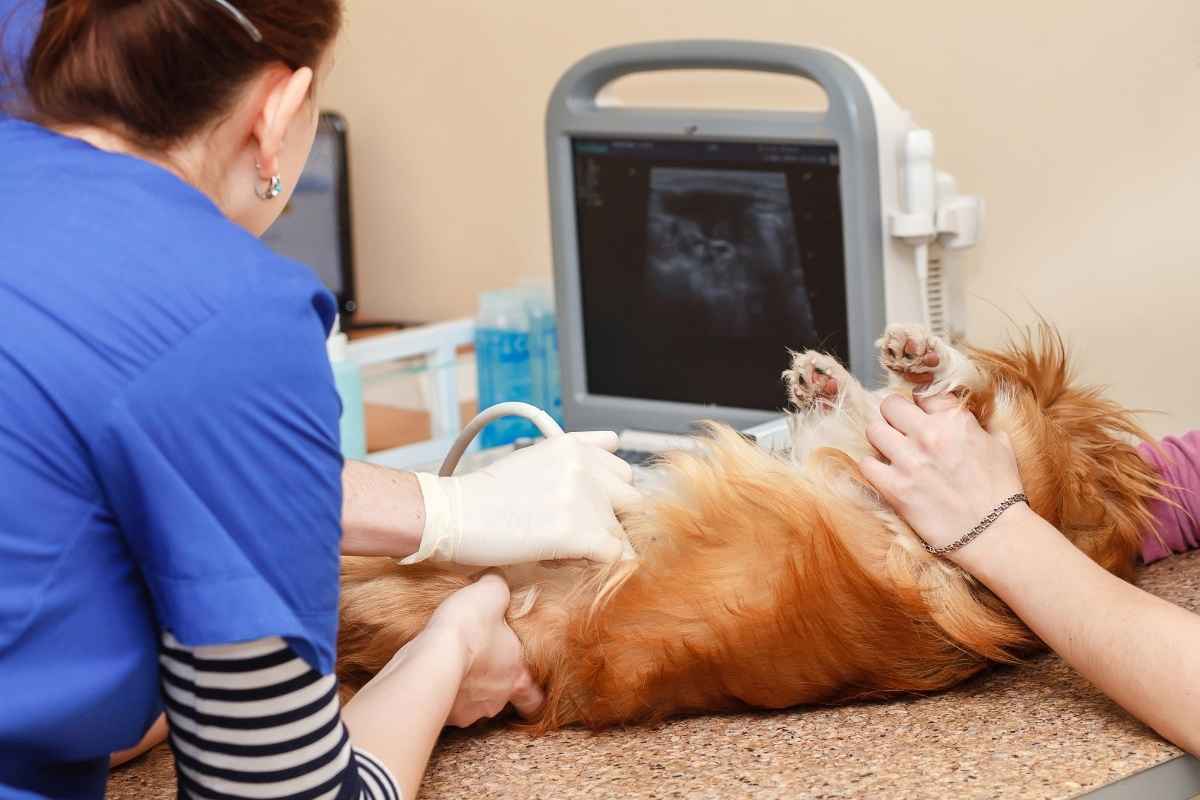
- Ultrasound or X-rays to examine kidney structure and urinary abnormalities.
- Repeat blood work to monitor changes over time.
These findings help distinguish temporary changes from more persistent kidney problems.
Can High Kidney Values Be Managed?
Management depends on the underlying cause and severity of kidney dysfunction. Treatment may involve fluid therapy, dietary adjustments, medications, and ongoing laboratory monitoring.
For pets with chronic kidney disease, regular blood and urine testing helps track progression and assess their response to treatment.
Elevated BUN and creatinine levels can indicate reduced kidney function, dehydration, or other underlying health concerns. Combining blood chemistry results with urinalysis and additional diagnostic evaluations helps veterinarians determine the possible cause and recommend appropriate care.
If you are looking for reliable pet diagnostic care in Westerville, OH, WestVets Maxtown Veterinary Clinic offers in-house blood chemistry testing, urinalysis, and kidney disease management for dogs and cats. Schedule your appointment to discuss your pet’s kidney test results and determine the appropriate next steps.
Frequently Asked Questions
Q1. Do high BUN and creatinine levels always mean kidney disease in dogs and cats?
Ans: No. Dehydration, certain medications, dietary factors, and other health conditions can affect these values. Additional blood and urine testing helps determine whether kidney disease is present.
Q2. How does the clinic help identify kidney problems in dogs and cats?
Ans: The clinic offers in-house blood chemistry panels and urinalysis to evaluate kidney-related abnormalities. These tests help assess waste levels, electrolyte balance, and urine concentration.
Q3. Can urinalysis detect kidney disease before symptoms appear?
Ans: Urinalysis can reveal early abnormalities, including reduced urine concentration and protein in the urine. When combined with blood testing, it provides valuable information about kidney health.
Q4. How does the clinic help manage chronic kidney disease in pets?
Ans: The veterinary team provides individualized kidney care that may include dietary adjustments, medications, fluid therapy, and regular blood and urine testing to monitor kidney function.
Q5. How often should senior dogs and cats have their kidney values checked?
Ans: Senior pets may benefit from regular blood work and urinalysis as part of their wellness monitoring. The recommended frequency depends on age, medical history, existing conditions, and previous test results.
Q6. Can kidney values return to normal after treatment?
Ans: Yes, elevated values caused by dehydration or certain temporary conditions may improve with appropriate treatment. However, chronic kidney damage is generally not reversible, although proper management can help maintain quality of life.