7132 State Rt 3, Westerville Ohio 43082


Pets rarely act differently without a reason. A playful dog becoming withdrawn, a social cat hiding constantly, or a normally hungry pet ignoring meals may all point toward underlying health concerns. Behavioral changes can appear subtle at first, making them easy to dismiss as temporary mood shifts or aging. Many medical conditions, however, begin quietly and worsen gradually when warning signs go unnoticed.
Changes in appetite, bathroom habits, sleep patterns, mobility, or energy levels may indicate discomfort that deserves attention. If you’re a pet owner in Westerville, OH, this blog is especially for you. Understanding unusual pet behavior can help you recognize when diagnostic testing may be necessary, and now may be the right time to schedule a visit with WestVets Maxtown Veterinary Clinic.
Unusual Eating Habits May Indicate Health Concerns
Appetite changes often provide one of the earliest clues that something may be wrong. Pets typically maintain predictable eating habits, so sudden changes warrant careful observation.
Loss of Appetite Should Never Be Ignored
- Skipping multiple meals: Ongoing refusal to eat may signal pain, nausea, infections, or organ-related concerns.
- Eating significantly less: Reduced appetite sometimes develops gradually with chronic illness.
- Difficulty chewing food: Dental discomfort or oral disease may make eating painful.
- Excessive drooling during meals: Mouth irritation or nausea can affect eating behavior.
A temporary decrease in appetite after stress or environmental changes may occur occasionally, though persistent changes require veterinary attention.
Increased Hunger Can Also Signal Problems
Some pets suddenly begin eating more than usual while still losing weight or appearing restless.
Possible causes may include:
- Diabetes
- Thyroid conditions
- Digestive disorders
- Medication side effects
- Metabolic changes
Diagnostic exams often help identify the cause of unusual appetite changes before complications develop.
Bathroom Routine Changes Often Reveal Illnesses
Bathroom habits offer important insight into your pet’s internal health. Sudden changes involving urination or bowel movements may indicate infections, digestive concerns, or organ-related conditions.
Frequent Urination May Suggest Underlying Conditions
- Accidents in the home: House-trained pets that urinate indoors may experience discomfort or illness.
- Straining while urinating: Difficulty urinating sometimes indicates urinary blockages or infections.
- Excessive thirst: Increased water intake often accompanies medical concerns affecting the kidneys or hormones.
- Blood in urine: Visible discoloration should always receive prompt evaluation.
Digestive Changes Can Reflect Internal Problems
Watch for signs including:
- Persistent diarrhea: Ongoing digestive upset may lead to dehydration.
- Vomiting repeatedly: Frequent vomiting should never be considered normal.
- Constipation: Difficulty passing stool may indicate dietary or medical concerns.
- Changes in stool appearance: Black, bloody, or mucus-filled stool deserve immediate attention.
Diagnostic testing may include bloodwork, fecal testing, imaging, or urinalysis, depending on symptoms.
Low Energy Levels Deserve Closer Attention
Every pet has natural energy fluctuations, though sudden lethargy often indicates something more serious than simple tiredness.
Reduced Activity May Signal Hidden Discomfort
- Avoiding walks or playtime: Joint pain, illness, or weakness may reduce activity levels.
- Sleeping excessively: Increased sleep sometimes reflects underlying medical concerns.
- Difficulty standing up: Mobility problems may develop gradually over time.
- Reluctance to jump or climb stairs: Arthritis or injuries commonly affect movement.
Many pets continue masking discomfort until pain becomes harder to tolerate. Changes in movement or enthusiasm often provide valuable clues.
Weakness Should Never Be Overlooked
Pets appearing shaky, unstable, or unusually weak may require immediate evaluation. Neurological conditions, dehydration, toxin exposure, infections, and metabolic disorders can all contribute to weakness.
Sudden Personality Changes Often Have Medical Causes
Behavioral shifts often stem from physical discomfort rather than stubbornness or moodiness.
Irritability Sometimes Reflects Pain Or Stress
- Growling unexpectedly: Pain may cause pets to react defensively.
- Hiding more frequently: Cats, in particular, tend to withdraw when feeling unwell.
- Avoiding physical contact: Sensitive areas may become painful to touch.
- Restlessness at night: Discomfort can disrupt normal sleep patterns.
Anxiety Behaviors Can Increase During Illness
Some pets become clingy, vocal, or unusually fearful when they feel physically unwell. Behavioral changes paired with appetite loss or low energy deserve prompt attention.
Persistent Scratching May Signal Deeper Issues
Occasional scratching is normal, though constant itching may indicate more than dry skin.
Skin Problems Often Reflect Internal Or External Triggers
- Red irritated skin: Allergies or infections commonly cause inflammation.
- Hair loss patches: Excessive scratching may damage the coat and skin barrier.
- Frequent ear shaking: Ear infections often create ongoing discomfort.
- Licking paws excessively: Environmental allergies frequently affect the paws.
Chronic skin irritation may require diagnostic testing to identify allergies, infections, parasites, or hormonal concerns.
Breathing Changes Require Immediate Veterinary Attention
Breathing difficulties should never be ignored. Respiratory changes can become serious quickly, especially when paired with weakness or gum discoloration.
Watch closely for respiratory warning signs:
- Heavy panting without activity: Overheating, pain, or respiratory illness may contribute.
- Frequent coughing: Heart disease, infections, or airway irritation may trigger it.
- Wheezing sounds: Airflow obstruction sometimes affects breathing patterns.
- Labored breathing: Increased respiratory effort requires urgent evaluation.
Breathing-related changes often require an immediate diagnostic assessment to identify the cause safely.
For many pet owners, having access to consistent diagnostic care creates greater confidence during stressful situations. WestVets Maxtown Veterinary Clinic continues helping families identify underlying health concerns through examinations, laboratory testing, imaging services, and ongoing medical evaluations. Our attention to subtle behavioral and physical changes helps pets receive timely care while giving owners clearer answers about unusual symptoms affecting daily life.
Mobility Changes Often Reveal Painful Conditions
Pets naturally slow down with age, though sudden changes in mobility should never be dismissed as normal aging.
Joint Discomfort Frequently Develops Gradually
- Limping after activity: Injuries or arthritis may affect movement.
- Difficulty getting comfortable: Pain sometimes makes resting positions uncomfortable.
- Reduced interest in jumping: Joint stiffness may limit mobility.
- Slipping on smooth floors: Weakness or discomfort can affect balance.
Diagnostic imaging often helps identify arthritis, injuries, or structural concerns contributing to movement problems.
Weight Changes Can Signal Internal Disorders
Unexpected weight fluctuations often develop before visible illness becomes obvious.
Sudden Weight Loss Deserves Immediate Attention
- Eating normally while losing weight: Metabolic disorders may affect nutrient absorption.
- Visible rib prominence: Muscle loss sometimes accompanies chronic illness.
- Reduced muscle tone: Weakness may develop alongside weight loss.
Rapid Weight Gain May Also Indicate Problems
- Abdominal swelling: Fluid retention or hormonal conditions sometimes cause bloating.
- Reduced activity alongside weight gain: Lower movement levels may worsen obesity-related concerns.
- Changes in body shape: Hormonal imbalances can affect fat distribution.
Routine exams and diagnostic testing often help determine the cause of unexplained weight changes.
Strange Noises May Reveal Medical Concerns
Pets often communicate discomfort through vocal changes or unusual sounds.
Different Vocalizations Sometimes Signal Pain
- Whining unexpectedly: Pain or anxiety may trigger vocal behavior.
- Increased meowing at night: Older cats sometimes vocalize more due to confusion or discomfort.
- Yelping during movement: Joint pain or injuries may cause sudden reactions.
- Unusual growling: Physical discomfort sometimes changes behavior patterns.
Behavioral changes combined with physical symptoms often provide important diagnostic clues.
Diagnostic Testing Helps Identify Hidden Conditions
Veterinary diagnostic exams help uncover problems that may not appear during routine observation alone.
Common Diagnostic Tests May Include
- Bloodwork: Evaluates organ function, infections, and metabolic health.
- Urinalysis: Helps detect urinary or kidney concerns.
- X-rays: Identify injuries, arthritis, or internal abnormalities.
- Fecal testing: Detects intestinal parasites and digestive concerns.
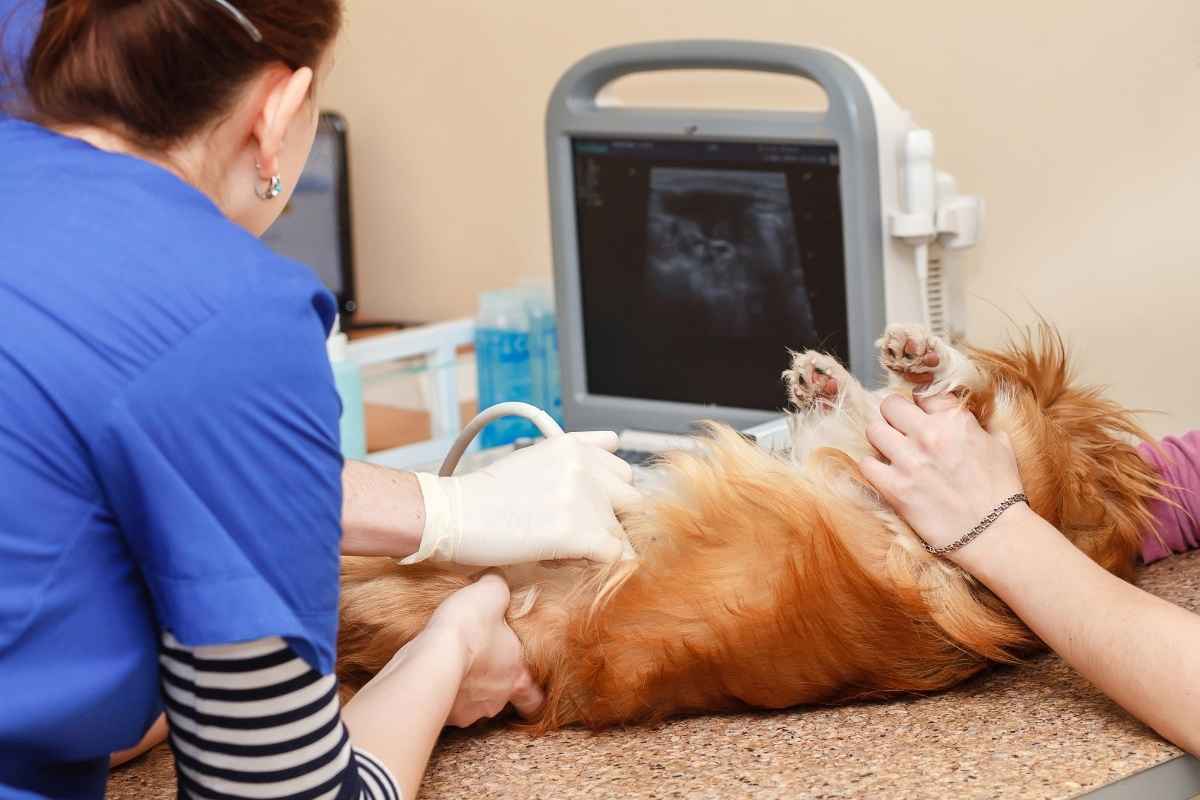
- Ultrasound imaging: Provides detailed views of internal organs.
Early diagnostic testing often improves treatment outcomes and helps prevent conditions from progressing further.
Paying Attention Creates Better Long-Term Wellness
Pets rely heavily on owners to recognize when something feels wrong. Subtle behavioral changes, appetite shifts, unusual movements, or differences in bathroom habits often represent important health clues rather than temporary quirks.
Observing your pet closely and seeking veterinary evaluation early may help identify underlying concerns before symptoms worsen. Small changes noticed quickly can make a meaningful difference in comfort, treatment options, and overall quality of life.
Supporting Health Starts With Early Detection
Changes in behavior, appetite, movement, breathing, or bathroom habits should never be ignored when they persist or worsen. Diagnostic exams help uncover underlying medical concerns earlier while giving pet owners clearer answers about unusual symptoms affecting their companions. Early evaluations often enable faster treatment and greater comfort for pets with hidden health issues.
If your pet needs veterinary diagnostic exams in Westerville, book an appointment with WestVets Maxtown Veterinary Clinic. Our team helps evaluate unusual symptoms through physical exams, diagnostic testing, imaging, and ongoing medical monitoring. Careful attention to behavioral and physical changes can help your pet receive timely support while improving long-term health and daily comfort.
Frequently Asked Questions
Q1. Why does my pet suddenly hide more than usual?
Ans. Hiding behavior may indicate pain, anxiety, illness, or environmental stress. Cats, in particular, withdraw when uncomfortable, making sudden isolation an important behavioral change that requires veterinary evaluation and possible diagnostic testing.
Q2. Can unusual sleeping patterns signal health problems?
Ans. Excessive sleeping, nighttime restlessness, or difficulty settling comfortably may reflect pain, metabolic conditions, anxiety, or illness. Persistent sleep changes, when paired with other symptoms, warrant prompt veterinary attention.
Q3. Why would my pet drink significantly more water suddenly?
Ans. Increased thirst may relate to diabetes, kidney disease, hormonal disorders, medication side effects, or infections. Sudden changes in drinking habits often require bloodwork and urinalysis for accurate diagnosis.
Q4. Should I worry if my pet stops jumping normally?
Ans. Reluctance to jump onto furniture or climb stairs may indicate arthritis, injuries, muscle weakness, or joint discomfort. Mobility changes often develop gradually and benefit from early evaluation and imaging.
Q5. What symptoms usually require immediate diagnostic testing?
Ans. Breathing difficulties, repeated vomiting, blood in urine, sudden weakness, collapse, seizures, or severe lethargy require urgent veterinary evaluation to identify potentially serious underlying medical conditions quickly.