7132 State Rt 3, Westerville Ohio 43082


Spaying and neutering are among the most common surgical procedures performed for dogs and cats. These procedures offer several long-term health and behavioral benefits, but proper aftercare is essential for a smooth recovery. Knowing what to expect once your pet returns home can help reduce complications and support faster healing.
Most pets recover well within a couple of weeks when owners carefully follow post-operative instructions. Providing a calm environment, monitoring the incision, and limiting activity are all important parts of recovery. At WestVets Maxtown Veterinary Clinic, pet owners receive guidance on every stage of the healing process so they can confidently care for their companions at home. This information is helpful for pet owners everywhere, including families in Westerville, OH, who want to ensure their pets recover safely after surgery.
What to Expect After Surgery
It is normal for pets to be sleepy or less active during the first 24 hours after anesthesia. Some pets may eat less than usual, appear slightly unsteady, or sleep more frequently.
Mild signs that are generally expected include:
- Temporary drowsiness
- Reduced appetite for one meal
- Mild swelling around the incision
- Slight discomfort
- Quiet behavior
These symptoms usually improve within a day as the effects of anesthesia wear off.
Create a Comfortable Recovery Space
Your pet should recover in a quiet, clean, and comfortable area away from excessive activity.
To promote healing:
- Provide soft bedding.
- Keep the room calm and temperature-controlled.
- Limit interactions with other pets.
- Prevent jumping on furniture.
- Ensure easy access to fresh water.
Reducing stress helps support both physical recovery and emotional comfort.
Restrict Physical Activity
Even if your pet appears energetic after a few days, internal tissues still require time to heal.
For approximately 10 to 14 days:
- Avoid running and jumping.
- Prevent rough play.
- Keep dogs on a leash during walks.
- Discourage climbing stairs when possible.
- Restrict vigorous exercise.
Excessive activity can place strain on the incision and increase the risk of complications.
Monitor the Surgical Incision
Checking the incision once or twice each day allows you to identify problems early.
A healthy incision should generally appear:
- Clean
- Dry
- Slightly pink
- Free of discharge
Contact your veterinarian if you notice:
- Increasing redness
- Significant swelling
- Bleeding
- Yellow or green discharge
- Foul odor
- Open stitches
Early intervention helps prevent more serious complications.
Prevent Licking and Chewing
One of the most common causes of delayed healing is excessive licking of the incision.
Your veterinarian may recommend:
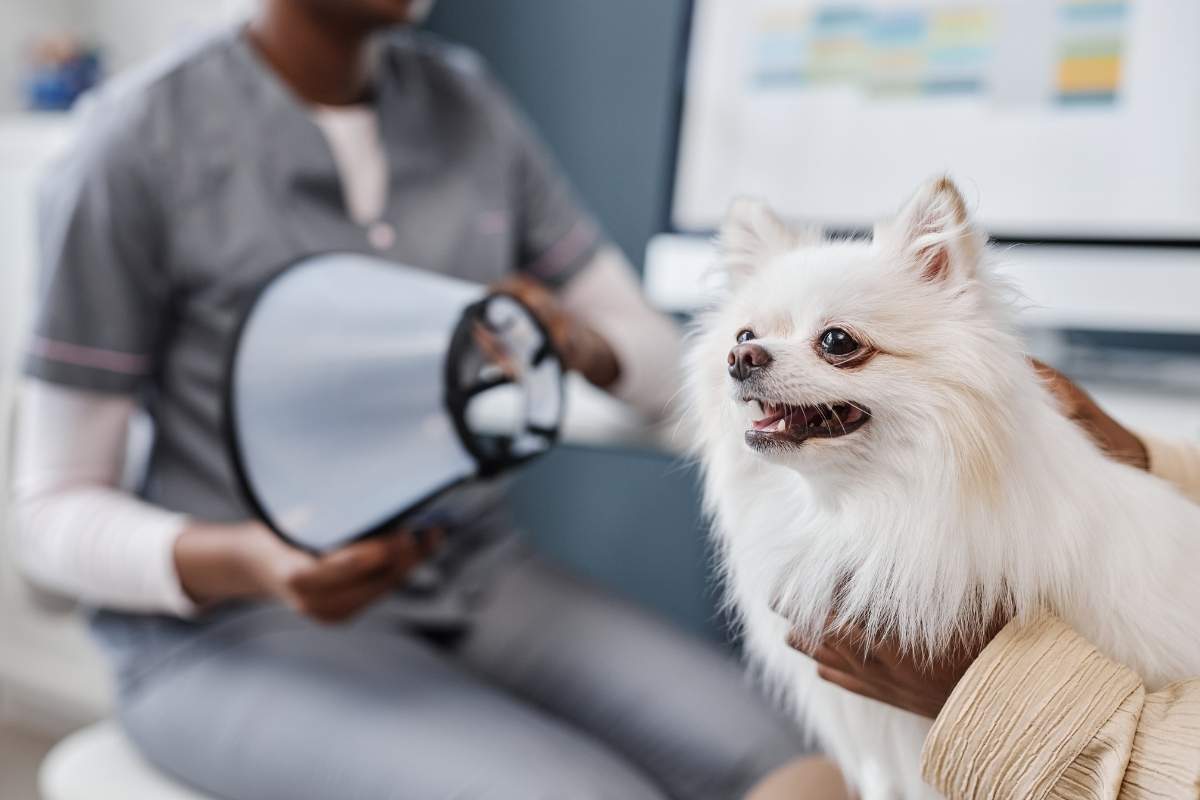
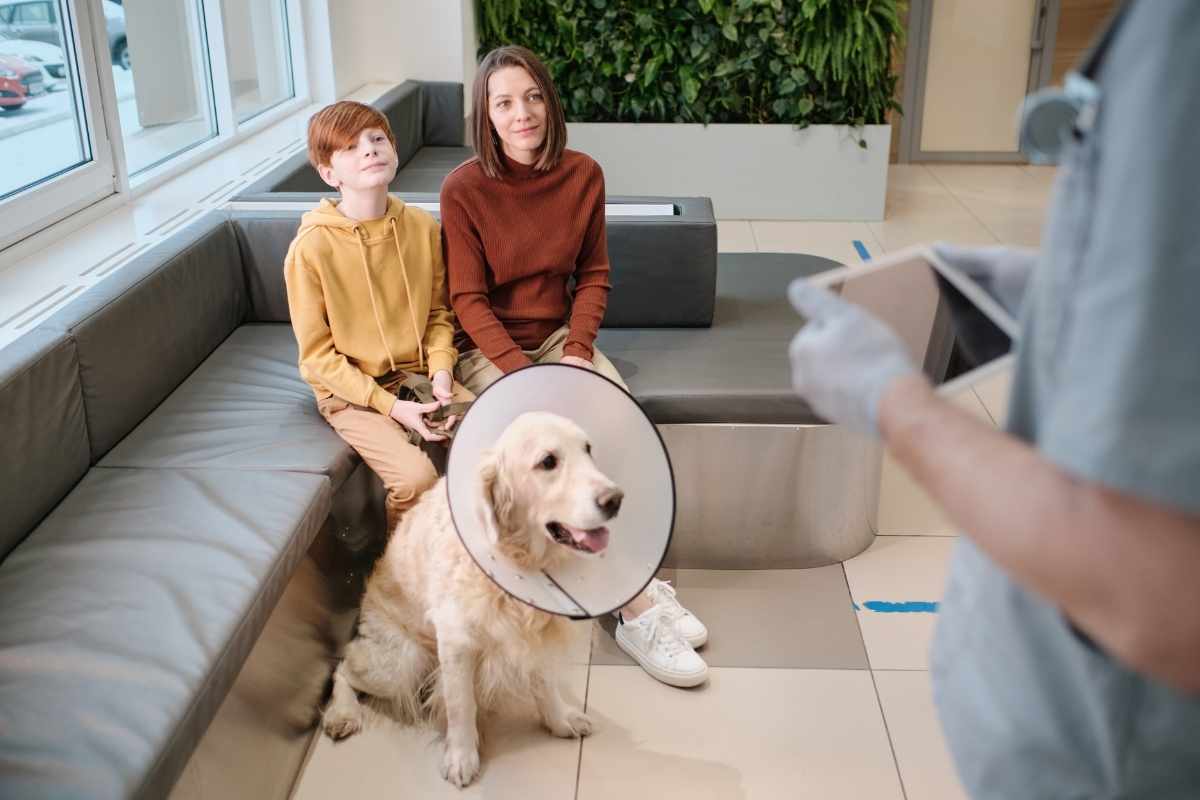
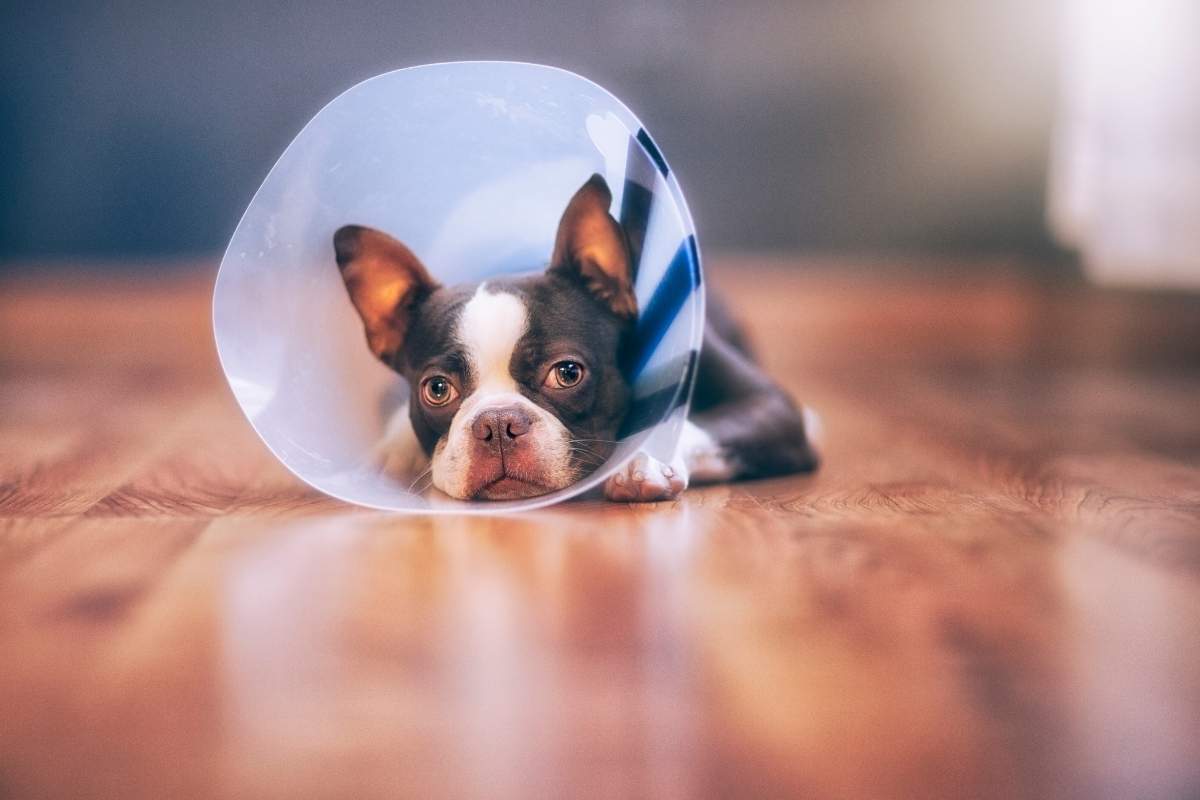
- An Elizabethan collar (E-collar)
- An inflatable recovery collar
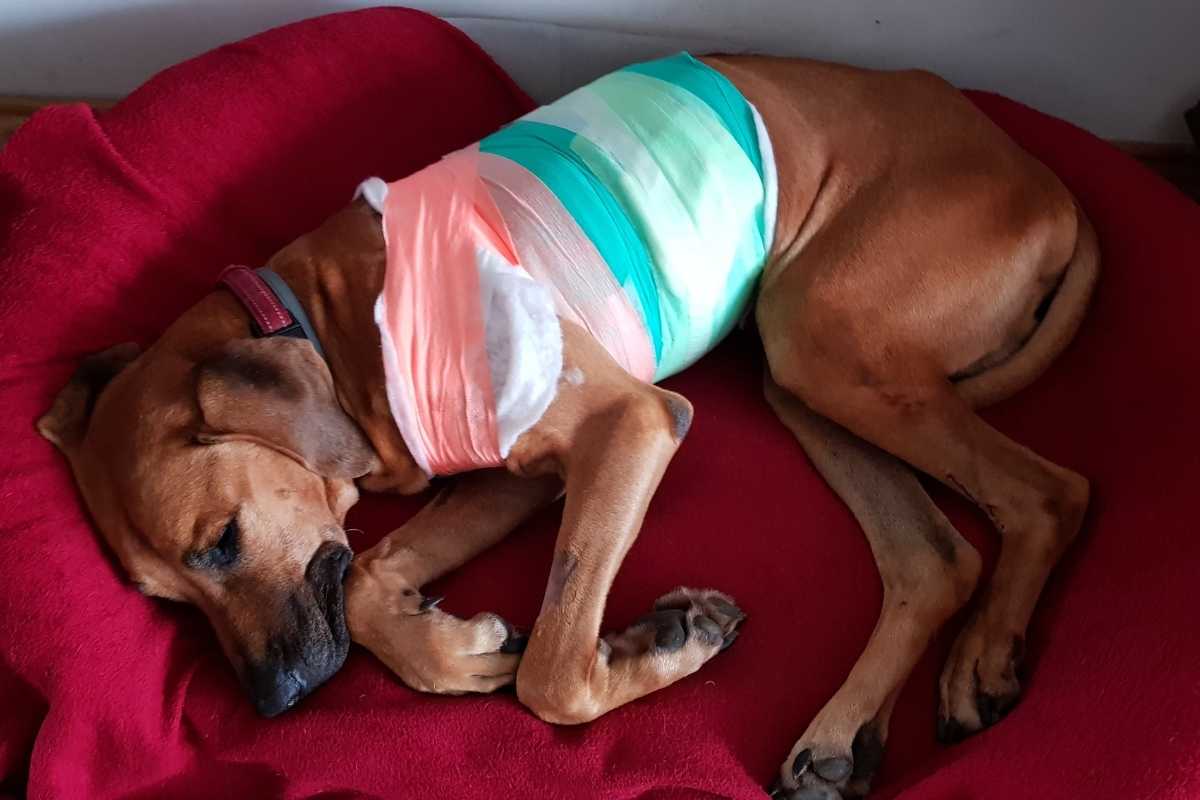
- A surgical recovery suit
These protective devices help prevent infection and keep sutures intact.
Follow Medication Instructions Carefully
Your veterinarian may prescribe pain medication and, in some cases, antibiotics.
Important reminders include:
- Give medications exactly as directed.
- Never use human pain relievers.
- Complete the entire prescribed course if antibiotics are provided.
- Contact your veterinarian if your pet refuses medication.
Proper pain management helps pets recover more comfortably.
Feeding Your Pet After Surgery
Some pets experience mild nausea after anesthesia.
Helpful feeding tips include:
- Offer small amounts of food initially.
- Ensure fresh water is always available.
- Return gradually to the normal feeding schedule.
- Monitor for vomiting or persistent loss of appetite.
If your pet refuses food for more than 24 hours or repeatedly vomits, veterinary evaluation is recommended.
When to Seek Medical Attention
Although complications are uncommon, certain symptoms require prompt evaluation.
Seek veterinary attention if your pet experiences:
- Persistent vomiting
- Extreme lethargy
- Difficulty breathing
- Excessive bleeding
- Severe swelling
- Continuous crying or signs of severe pain
- Separation of the incision
- Fever or unusual discharge
Prompt treatment following veterinary surgery can significantly improve recovery if complications arise.
Follow-Up Appointments Matter
Many pets require a recheck appointment approximately 10 to 14 days after surgery. During this visit, your veterinarian evaluates healing and determines whether additional care is needed.
These follow-up visits also provide an opportunity to discuss nutrition, activity levels, and any concerns you may have about your pet’s recovery after veterinary surgery.
Tips for a Smooth Recovery
Simple daily habits can support successful healing:
- Keep the incision clean and dry.
- Prevent bathing until approved by your veterinarian.
- Follow all activity restrictions.
- Administer medications as prescribed.
- Monitor appetite and bathroom habits.
- Attend all recommended follow-up visits.
Patience during recovery helps ensure the best possible outcome for your pet.
Proper home care after spay or neuter surgery plays an important role in helping your pet recover comfortably and reducing the risk of complications. By following your veterinarian’s instructions, monitoring the incision, limiting activity, and attending follow-up appointments, you can support a safe and successful healing process. Pet owners in Westerville, Lewis Center, Galena, Sunbury, New Albany, and the surrounding area can benefit from understanding these recovery guidelines, and they are equally valuable for pets everywhere.
If you’re in the area and need guidance from a vet near you about your pet’s recovery after surgery, schedule your appointment with WestVets Maxtown Veterinary Clinic. Our experienced team can provide personalized post-operative care, answer your questions, and help ensure your pet returns to a healthy, active life as safely as possible.
FAQs
Q1. How long does it take for pets to recover after spaying or neutering surgery?
Ans. Most dogs and cats recover within 10 to 14 days. While many pets begin acting normally within a few days, internal healing continues after they appear fully active. Following your veterinarian’s instructions regarding activity restriction and incision care is essential throughout the recovery period.
Q2. Is it normal for my pet to sleep more after surgery?
Ans. Yes. Drowsiness during the first 24 hours is common because of anesthesia and pain medication. Your pet should gradually become more alert the following day. If excessive lethargy continues or your pet becomes difficult to wake, contact your veterinarian promptly.
Q3. Can my pet lick the surgical incision?
Ans. No. Licking introduces bacteria and can damage stitches, increasing the risk of infection or delayed healing. An Elizabethan collar, recovery suit, or other veterinarian-approved protective device should remain in place until your veterinarian confirms the incision has healed properly.
Q4. When can my pet return to normal exercise?
Ans. Most pets should avoid vigorous activity for at least 10 to 14 days. Running, jumping, rough play, and off-leash exercise should only resume after your veterinarian confirms healing. Gradually returning to normal activity helps reduce the risk of complications.
5. What should a normal incision look like?
Ans. A healthy incision is generally clean, dry, and only mildly pink. Minor swelling during the first few days can be normal. Contact your veterinarian immediately if you notice increasing redness, discharge, bleeding, bad odor, or the incision opening.
Q6. Should I worry if my pet isn’t eating after surgery?
Ans. A slightly decreased appetite during the first evening is common. Most pets return to normal eating within 24 hours. If your pet refuses food beyond that time, vomits repeatedly, or appears increasingly uncomfortable, a veterinary examination is recommended.