7132 State Rt 3, Westerville Ohio 43082


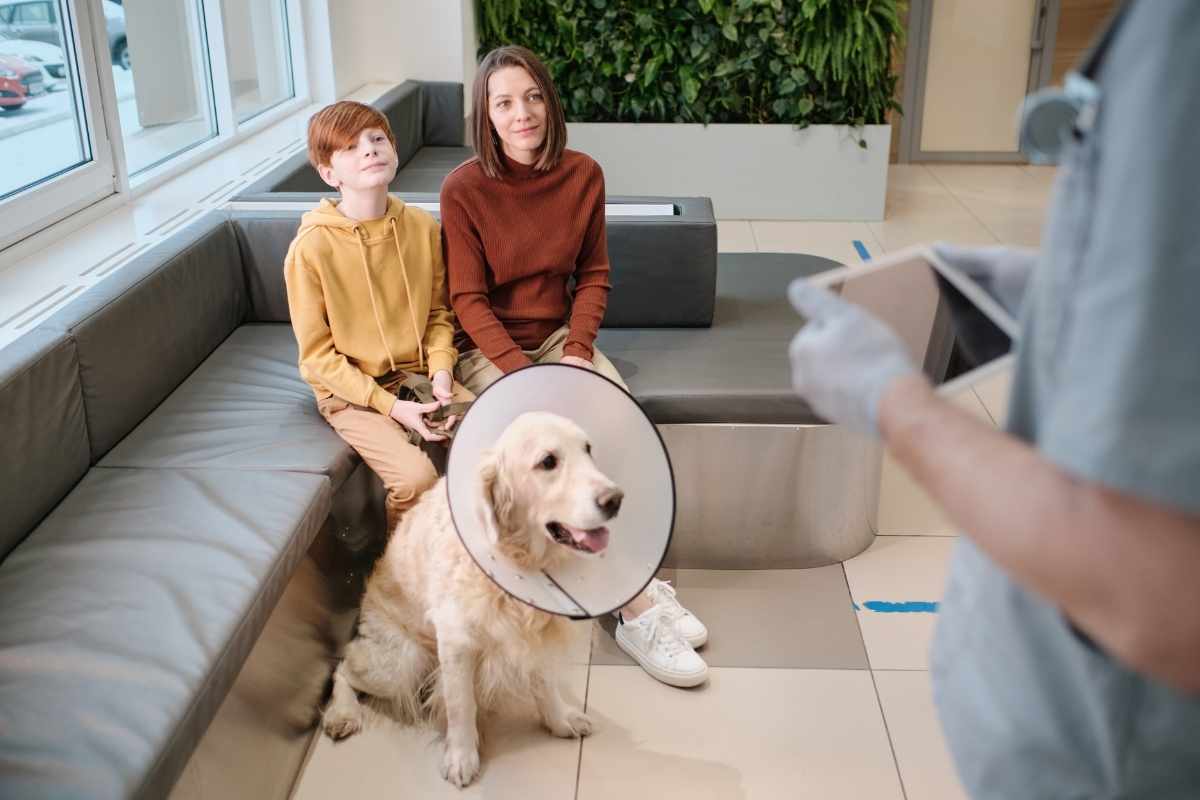
When your pet needs surgery, it’s natural to feel anxious. Whether it’s a routine procedure or something more complex, being informed can make a significant difference in both your confidence and your pet’s recovery. At Maxtown Veterinary Clinic, we believe that well-prepared pet owners play a vital role in ensuring successful outcomes. This comprehensive guide will walk you through everything you need to know before your pet’s procedure—from preparation to recovery—so you can approach the experience with clarity and peace of mind.
If you’re a pet owner in Westerville, OH, understanding local veterinary care standards and knowing what to expect can make the process smoother and less stressful.
Understanding Pet Surgery
Pet surgery can range from routine procedures like spaying and neutering to more advanced operations involving internal organs or orthopedic care. Regardless of the type, every surgical procedure requires careful planning, proper pre-operative care, and attentive post-operative monitoring.
Veterinarians typically perform a full physical exam before surgery, along with diagnostic tests such as blood work or imaging. These steps ensure your pet is healthy enough to undergo anesthesia and the procedure itself.
Preparing Your Pet for Surgery
Preparation is key to minimizing risks and ensuring a smooth surgical experience. Here are the essential steps:
1. Follow Fasting Instructions
Most pets need to fast for 8–12 hours before surgery. This reduces the risk of vomiting while under anesthesia, which can lead to complications.
2. Review Medications
Inform your veterinarian about any medications or supplements your pet is currently taking. Some may need to be paused before surgery.
3. Keep Your Pet Calm
Limit strenuous activity before the procedure. A calm and relaxed pet is easier to handle and less likely to experience stress-related complications.
4. Plan Transportation
Arrange safe transportation to and from the clinic. Your pet may feel groggy after anesthesia, so a comfortable and secure setup is essential.
What Happens During the Procedure?
Understanding what happens behind the scenes can ease your concerns. During pet surgery:
- Your pet is placed under anesthesia and closely monitored.
- Vital signs such as heart rate, oxygen levels, and temperature are tracked throughout.
- The surgical team follows strict sterilization protocols to prevent infection.
- Pain management is administered both during and after the procedure.
Veterinary professionals are trained to handle emergencies and ensure the highest standard of care at every step.
Post-Surgery Care: What to Expect
Recovery is just as important as the surgery itself. Here’s how you can support your pet afterward:
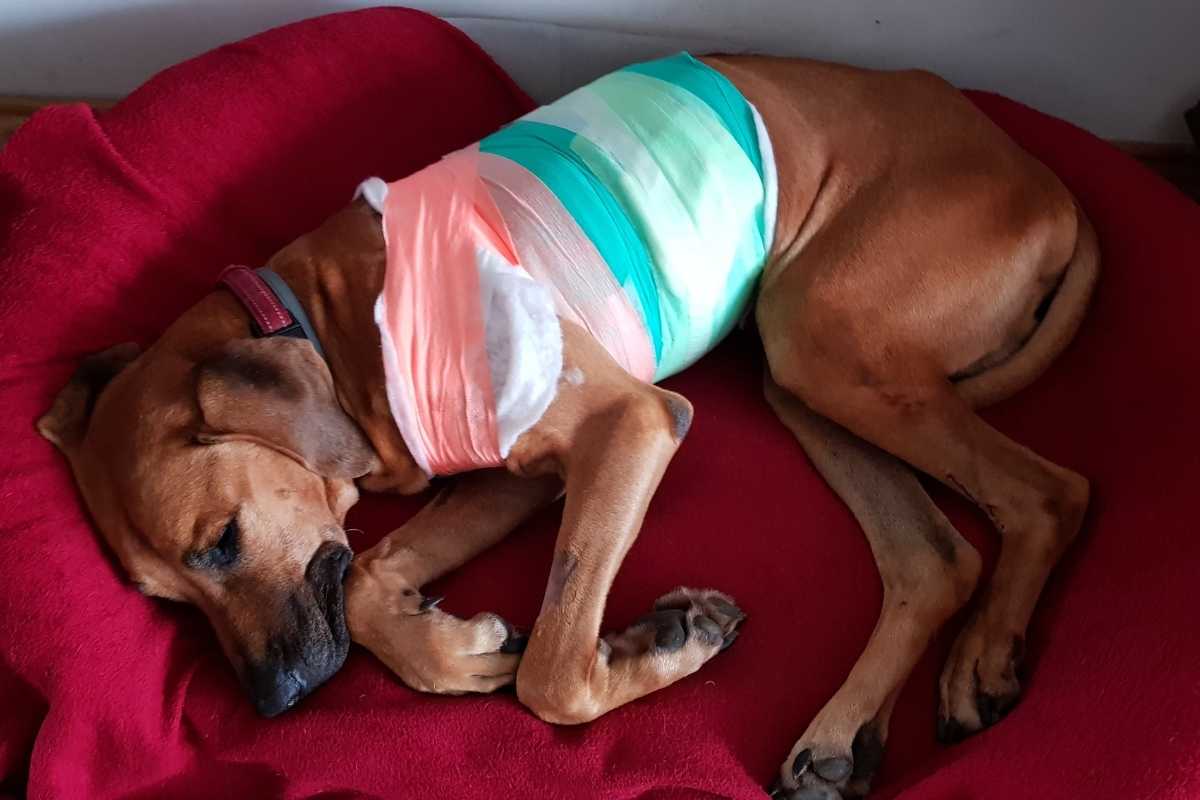
1. Create a Comfortable Recovery Space
Provide a quiet, warm, and clean area where your pet can rest undisturbed.
2. Monitor for Unusual Symptoms
Watch for signs like excessive swelling, bleeding, vomiting, or lethargy. Contact your vet immediately if anything seems off.
3. Follow Medication Instructions
Administer prescribed medications exactly as directed to manage pain and prevent infection.
4. Limit Activity
Restrict jumping, running, or rough play until your veterinarian gives the all-clear.
5. Prevent Licking or Chewing
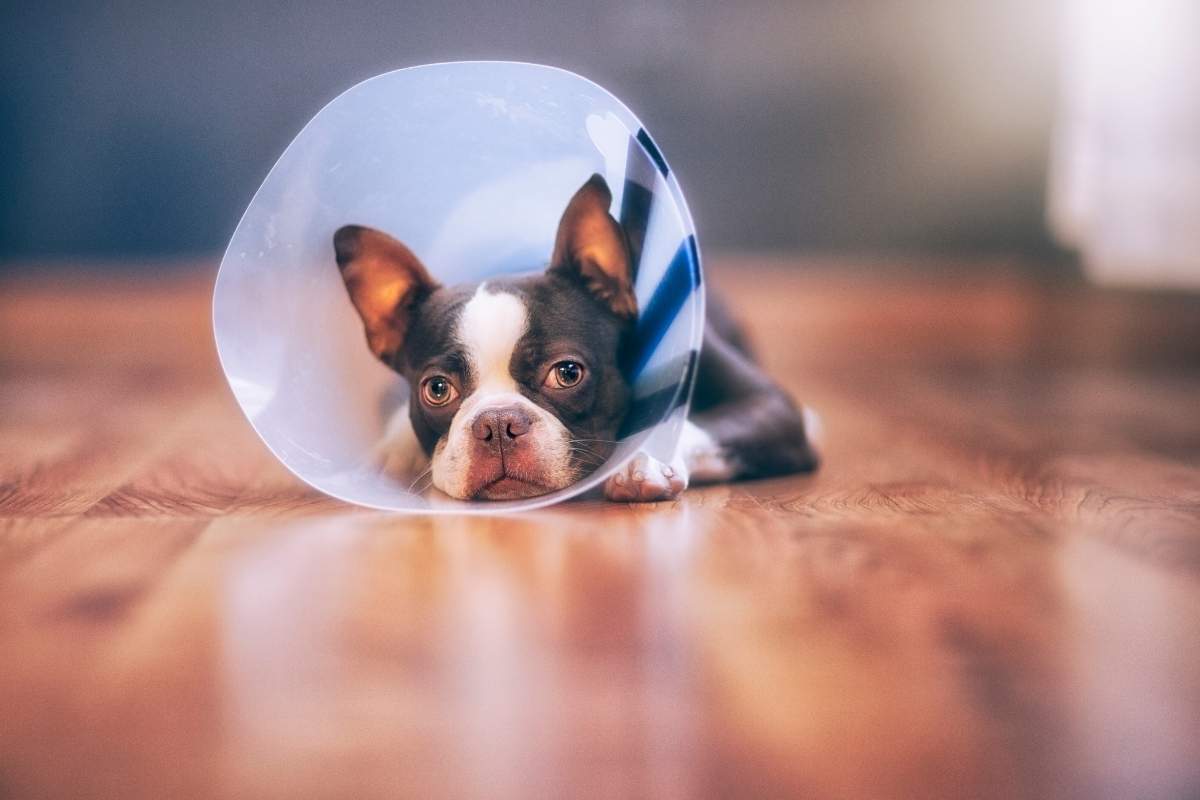
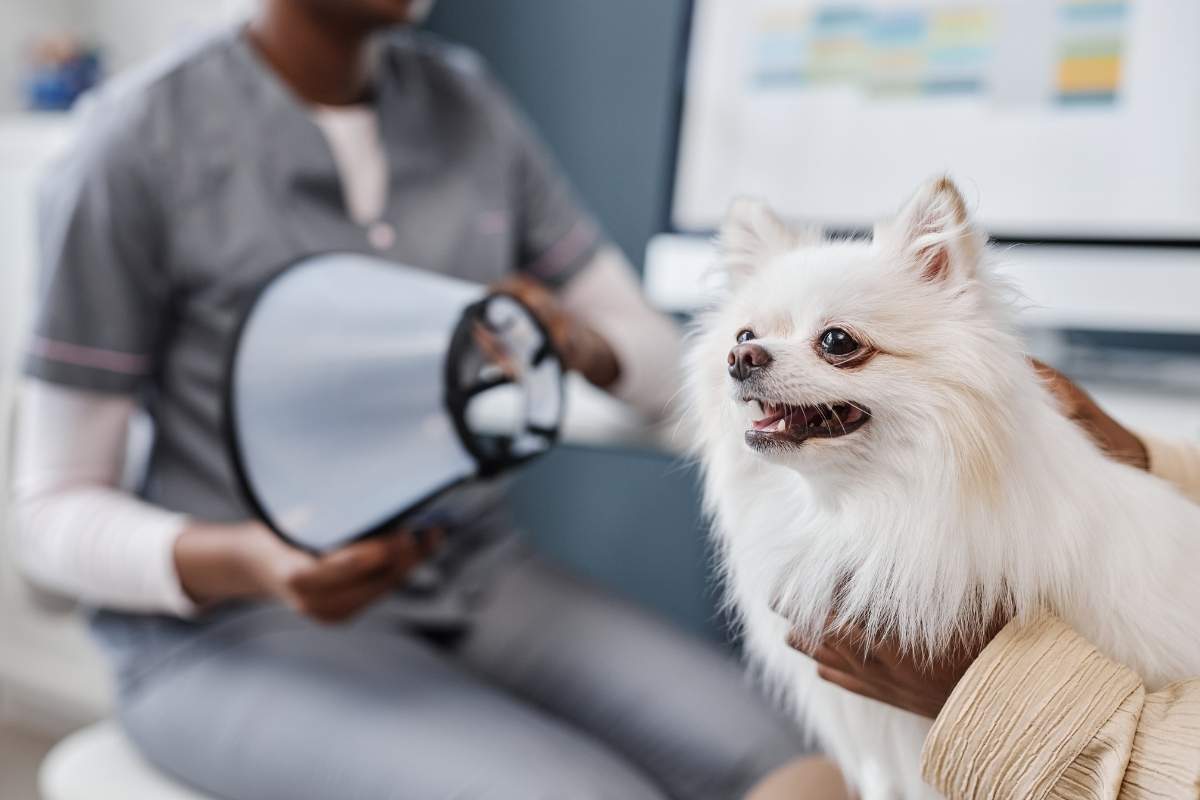
Use an Elizabethan collar (cone) if necessary to protect the surgical site.
Nutrition and Hydration After Surgery
After surgery, your pet may not have a strong appetite immediately. Offer small portions of easily digestible food and ensure fresh water is always available. Gradually return to their regular diet as advised by your veterinarian.
Emotional Support Matters
Pets can feel disoriented or anxious after surgery. Spend time comforting them with gentle attention and reassurance. Your presence can significantly aid in their emotional recovery.
When to Contact Your Veterinarian
While most recoveries are smooth, you should contact your vet if you notice:
- Persistent vomiting or diarrhea
- Loss of appetite beyond 24 hours
- Signs of infection (redness, discharge, foul odor)
- Difficulty breathing or extreme lethargy
Prompt attention can prevent minor issues from becoming serious complications.
Why Choosing the Right Veterinary Clinic Matters
Selecting a trusted veterinary provider ensures your pet receives expert care before, during, and after surgery. At Maxtown Veterinary Clinic, our experienced team prioritizes safety, comfort, and personalized treatment plans for every pet.
Schedule your appointment at Maxtown Veterinary Clinic today to ensure your pet gets the best possible care.
Local Insight:
Westerville, OH is known for its pet-friendly neighborhoods, parks, and strong sense of community. With access to quality veterinary services and a supportive environment for pet owners, it’s an ideal place to ensure your furry companion receives top-notch care. Being proactive about your pet’s health—including surgical needs—helps them enjoy a happy and active life in this welcoming city.
Frequently Asked Questions (FAQs)
Q1. How long does it take for a pet to recover from surgery?
Ans. Recovery time varies depending on the procedure, but most pets recover within 10–14 days for minor surgeries.
Q2. Is anesthesia safe for pets?
Ans. Yes, modern anesthesia is very safe. Veterinarians take precautions such as pre-surgical testing and continuous monitoring.
Q3. Can I stay with my pet during surgery?
Ans. Typically, pet owners are not allowed in the operating room, but you’ll be updated throughout the process.
Q4. What should I do if my pet won’t eat after surgery?
Ans. Offer small portions of soft food. If your pet refuses to eat for more than 24 hours, contact your vet.
Q5. How do I prevent my pet from licking the surgical site?
Ans. Use a cone or protective collar to avoid irritation or infection.
Q6. When can my pet return to normal activity?
Ans. Your veterinarian will provide guidance, but most pets can resume normal activity after full healing is confirmed.