7132 State Rt 3, Westerville Ohio 43082


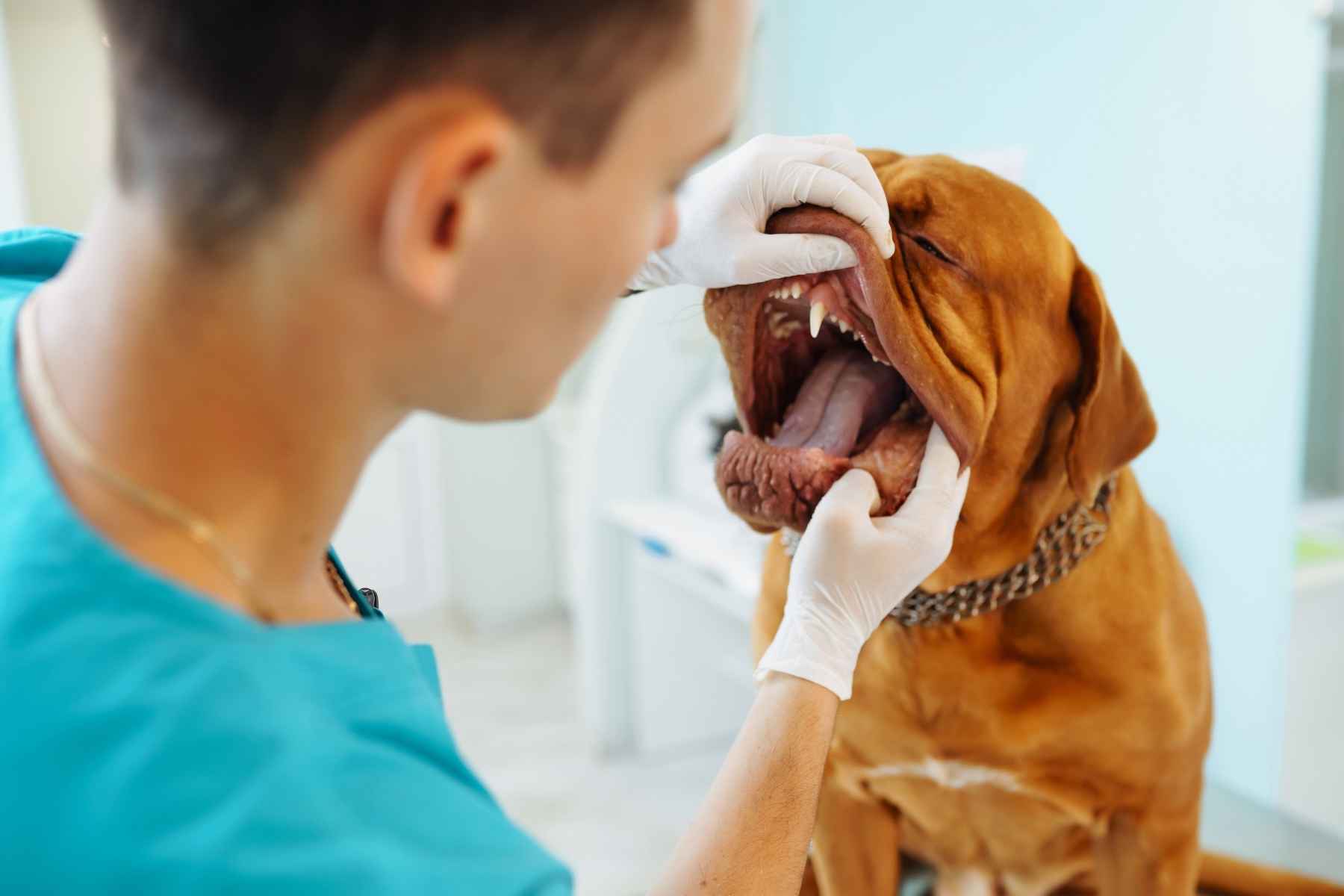
Many pet owners observe bad breath well before they suspect dental disease is forming. Plaque and tartar can accumulate silently below the gumline, leading to irritation, infections, and discomfort that pets often conceal. Dogs and cats seldom show clear signs of oral pain until their dental issues worsen, so preventive dental care is crucial for their long-term health.
Oral hygiene impacts more than just teeth. Untreated dental disease can affect eating, energy, and overall health. If you’re a pet owner in Westerville, OH, this blog is especially for you. Understanding how often your pet needs dental care services can safeguard their comfort and well-being. Now might be the ideal time to schedule a visit with WestVets Maxtown Veterinary Clinic.
Dental Disease Develops Faster Than Owners Realize
Many dogs and cats begin developing plaque buildup surprisingly early in life. Food particles, saliva, and bacteria combine on the teeth daily, gradually hardening into tartar when not removed properly.
Plaque Quickly Turns Into Hardened Tartar
- Bacteria accumulate daily: Plaque begins forming only hours after eating.
- Tartar irritates the gums: Hardened buildup increases inflammation around teeth.
- Oral infections may develop: Untreated dental disease can worsen beneath the gumline.
- Bad breath often appears early: Strong odors commonly signal bacterial growth.
Routine dental care helps prevent oral disease from progressing into painful conditions.
Pets Commonly Hide Dental Discomfort
Dogs and cats tend to hide their pain because it’s a natural survival instinct. Even if they have significant oral discomfort, many of them continue to eat as usual.
Watch for subtle warning signs, including:
- Dropping food while eating: Oral pain may affect chewing ability.
- Pawing at the mouth: Pets sometimes react physically to irritation.
- Avoiding hard treats: Sensitive teeth may make chewing uncomfortable.
- Excessive drooling: Saliva changes often accompany oral inflammation.
- Reduced interest in toys: Mouth discomfort can affect play behavior.
Dental evaluations help identify hidden problems before severe symptoms appear.
Most Pets Benefit From Annual Dental Cleanings
Many healthy adult dogs and cats benefit from professional dental cleanings once every year. Dental needs, however, vary depending on breed, age, diet, genetics, and oral health condition.
Some Pets Need More Frequent Dental Care
- Small dog breeds accumulate tartar faster: Crowded teeth often trap debris more easily.
- Flat-faced breeds face oral challenges: Jaw structure may contribute to dental crowding.
- Senior pets are more likely to develop dental disease: Aging increases oral health risks.
- Pets with a history of dental disease: They need closer monitoring to prevent existing problems from recurring more quickly.
Veterinary dental exams help determine the ideal cleaning schedule for your pet’s individual needs.
Cats Need Dental Care More Often Than Expected
Many cat owners assume that dental disease affects dogs more frequently, though cats also commonly develop oral health problems.
Feline Dental Disease Often Goes Unnoticed
- Cats hide pain extremely well: Behavioral changes may remain subtle for long periods.
- Inflamed gums: Affect eating comfort: Oral irritation can sometimes gradually decrease appetite.
- Tooth resorption: Painful tooth damage that often affects cats may occur below the surface.
- Bad breath: Persistent odor can frequently signal dental disease and warrants veterinary evaluation.
Cats often benefit from yearly dental assessments even when symptoms seem mild or absent.
Professional Cleanings Reach Areas Home Care Cannot
Daily brushing supports oral health, though home care alone cannot fully remove hardened tartar beneath the gumline.
Veterinary Dental Cleanings Remove Hidden Bacteria
- Scaling removes hardened buildup: Dental tools clean areas difficult to reach at home.
- Gum health improves significantly: Removing bacteria helps reduce inflammation.
- Hidden disease becomes visible: Dental exams often reveal fractures or infected teeth.
- Polishing smooths tooth surfaces: Smoother teeth may slow future plaque accumulation.
Getting professional dental cleanings not only helps reduce any discomfort you might feel but also boosts the health of your gums and teeth for the long run. Taking care of your smile has lasting benefits!
Poor Oral Health Affects More Than Teeth
Dental disease impacts more than breath odor or chewing habits. Bacteria from infected gums may eventually enter the bloodstream and affect other parts of the body.
Untreated Dental Problems May Cause Bigger Issues
- Chronic pain affects behavior: Pets may become withdrawn or irritable.
- Eating difficulties reduce nutrition: Oral discomfort can interfere with proper eating.
- Inflammation may affect organs: Bacteria sometimes spread beyond the mouth.
- Tooth infections worsen gradually: Untreated disease often progresses silently.
Preventive dental care supports both oral comfort and overall physical wellness.
Daily Home Care Helps Reduce Plaque Buildup
Consistent home dental habits help slow tartar accumulation between professional cleanings.
Small Habits Support Better Oral Health
- Brush teeth regularly: Pet-safe toothpaste helps remove plaque daily.
- Approved dental chews: Certain products help keep teeth cleaner naturally.
- Provide safe chew toys: Proper chewing activities may reduce buildup.
- Monitor breath changes carefully: Worsening odors often signal oral disease.
- Schedule routine oral evaluations: Preventive exams help identify concerns early.
Daily dental care becomes easier when introduced gradually and consistently.
For many pet owners, maintaining oral health feels more manageable with ongoing veterinary guidance and preventive support. WestVets Maxtown Veterinary Clinic continues helping dogs and cats stay healthier through dental evaluations, cleanings, oral diagnostics, and preventive dental recommendations. Their team remains attentive to subtle signs of discomfort while helping owners better understand how dental health influences overall wellness and daily quality of life.
Puppies And Kittens Still Need Oral Monitoring
Young pets may not require immediate dental cleanings, though routine oral evaluations remain important during growth stages.
Early Dental Checks Prevent Future Problems
- Retained baby teeth trap debris: Crowding may increase plaque buildup.
- Teething sometimes irritates gums: Temporary discomfort may affect chewing.
- Jaw development affects tooth alignment: Bite abnormalities may influence oral health later.
- Chewing on specific objects: Since puppies tend to explore with their mouths.
Early monitoring helps veterinarians identify developing concerns before adulthood.
Certain Diets Influence Dental Health Significantly
Diet choices can affect plaque accumulation, chewing behavior, and levels of oral bacteria.
Feeding Habits May Impact Cleaning Frequency
- Sticky foods cling to teeth: Residue encourages faster plaque buildup.
- Hard kibble sometimes supports chewing: Crunchy textures may reduce mild accumulation.
- Sugary treats increase bacterial growth: Certain ingredients worsen oral health faster.
- Poor-quality diets affect gum health: Nutrition influences inflammation and immunity.
Balanced nutrition combined with routine oral care helps support healthier teeth and gums.
Warning Signs Suggest Dental Cleaning Becomes Necessary
Pets often show subtle symptoms when dental disease begins progressing.
Watch Closely For These Oral Symptoms
- Persistent bad breath: Strong odors commonly signal bacterial buildup.
- Yellow or brown tartar: Visible buildup usually requires dental cleaning from a vet.
- Red swollen gums: Inflammation often accompanies gum disease.
- Difficulty chewing food: Oral discomfort may affect eating habits.
- Loose or damaged teeth: Advanced disease can weaken tooth stability.
- Bleeding during chewing: Gum irritation deserves prompt evaluation.
Dental evaluations help determine whether cleaning or additional treatment may be necessary.
Older Pets Often Require Closer Dental Monitoring
Senior dogs and cats are at increased risk of dental disease as plaque accumulates over time.
Aging Changes Oral Health Needs Gradually
- Weakened teeth become more vulnerable: Aging may affect tooth strength.
- Chronic inflammation increases discomfort: Long-term disease often worsens slowly.
- Medical conditions affect oral health: Diabetes and kidney disease may influence the mouth.
- Reduced chewing activity allows buildup: Lower activity sometimes increases plaque accumulation.
Routine dental care remains especially important for aging pets, maintaining long-term comfort.
Consistent Oral Care Supports Better Everyday Comfort
Dental disease often develops silently before noticeable symptoms appear. Preventive oral care helps reduce pain, infections, and long-term complications affecting both dogs and cats. Annual dental cleanings, combined with good home dental habits, can make a significant difference in maintaining healthier teeth and gums at every stage of life.
Monitoring changes like bad breath, chewing difficulties, drooling, or gum irritation allows problems to be identified earlier. Small preventive steps today often help pets stay more comfortable and active long term.
Healthy Mouths Help Pets Feel Their Best
Routine dental cleanings are essential for maintaining your pet’s oral health, including teeth, gums, and overall well-being. Inconsistent preventive care can lead to the gradual worsening of plaque, gum disease, and hidden infections. Regular dental check-ups and cleanings help alleviate discomfort, encourage better eating habits, keep breath fresher, and enhance the long-term quality of life for both dogs and cats.
If you’re in Westerville searching for pet dental cleaning services near you, book an appointment with WestVets Maxtown Veterinary Clinic. Our team helps evaluate plaque buildup, gum disease, oral discomfort, damaged teeth, and ongoing dental health concerns through examinations, cleanings, and preventive oral care guidance. Routine dental care can help your pet stay healthier, more comfortable, and more active throughout every stage of life.
Frequently Asked Questions
Q1. Why do small dog breeds need dental cleanings more frequently?
Ans. Small breeds often have crowded teeth that trap food and bacteria more easily. Faster tartar accumulation increases the risk of gum disease, infections, and tooth damage without routine cleanings.
Q2. Can cats develop serious dental disease without obvious symptoms?
Ans. Cats frequently hide oral discomfort extremely well. Dental disease may progress significantly before noticeable symptoms appear, making regular oral evaluations important even when eating and behavior seem normal.
Q3. How can I tell if tartar buildup requires veterinary cleaning?
Ans. Yellow or brown deposits near the gumline, persistent bad breath, swollen gums, or difficulty chewing are common signs of tartar buildup, which requires a professional dental assessment and cleaning.
Q4. Do dental treats replace professional teeth cleanings completely?
Ans. Dental chews help reduce mild plaque buildup, though they cannot remove hardened tartar beneath the gumline. Professional cleanings remain necessary to maintain deeper oral health and prevent disease progression.
Q5. Why does my pet still have bad breath after brushing regularly?
Ans. Persistent odor may indicate advanced dental disease, infections, digestive issues, damaged teeth, or underlying medical conditions that require veterinary examination and possible diagnostic testing beyond routine home care.