7132 State Rt 3, Westerville Ohio 43082



Most dog owners have encountered unpleasant dog breath at some stage. A quick face lick can suddenly reveal a strong odor that’s hard to ignore. While many believe bad breath in dogs is harmless, a persistent foul smell may indicate serious dental or medical issues. Dogs naturally explore with their mouths, but persistent bad breath should never be dismissed as normal.
Oral health affects far more than your dog’s teeth. Gum disease, infections, digestive problems, and certain illnesses may all contribute to unpleasant breath odors, so timely dental care for your pet is important. If you’re a pet owner in Westerville, OH, this blog is especially for you. Understanding the causes behind dog bad breath can help protect your pet’s long-term health, and now may be the perfect time to schedule a visit with WestVets Maxtown Veterinary Clinic.
Poor Dental Hygiene Commonly Causes Strong Odors
Dental disease remains one of the most common causes of bad breath in dogs. Plaque and tartar begin building on teeth surprisingly quickly, especially when oral hygiene routines are inconsistent.
Plaque Buildup Creates Persistent Mouth Odors
- Food particles collect easily: Small debris trapped between teeth encourages bacterial growth.
- Plaque hardens into tartar: Hardened buildup becomes more difficult to remove without veterinary cleaning.
- Bacteria release unpleasant odors: Bacterial accumulation commonly produces strong smells from the mouth.
- Gums become irritated: Inflammation may develop as plaque spreads beneath the gumline.
Mild dental issues can gradually progress into painful infections if left untreated.
Gum Disease Often Develops Without Warning
Periodontal disease affects many dogs long before owners notice visible symptoms.
Watch for signs including:
- Red swollen gums: Gum inflammation often signals infection.
- Bleeding around the mouth: Bleeding may appear during chewing or brushing.
- Difficulty eating: Oral discomfort can affect appetite and chewing.
- Loose teeth: Advanced dental disease may weaken tooth stability.
Regular dental evaluations help identify oral disease before it causes severe damage.
Certain Foods Can Worsen Breath Odors Quickly
Diet choices influence oral health more than many owners realize. Some foods contribute directly to lingering odors or increased plaque buildup.
Feeding Habits May Affect Oral Freshness
- Table scraps increase residue: Rich human foods often leave behind stronger-smelling particles.
- Soft diets cling to teeth: Moist foods sometimes contribute to faster plaque accumulation.
- Scavenging outdoors can create odors: Dogs eating garbage or spoiled food may develop temporary foul breath.
- Low-quality treats affect digestion: Certain ingredients may worsen oral and digestive odors.
Balanced nutrition combined with regular oral care can significantly improve breath quality.
Digestive Problems Sometimes Affect Breath Smells
Bad breath does not always begin inside the mouth. Digestive concerns occasionally contribute to unusual odors coming from your dog’s breath.
Stomach Issues Can Create Lingering Odors
- Acid reflux causes sour breath: Digestive irritation may produce unpleasant smells.
- Chronic vomiting affects oral health: Stomach acid can irritate tissues inside the mouth.
- Poor digestion changes breath odor: Gastrointestinal problems can noticeably affect breath quality.
- Eating non-food objects creates complications: Foreign objects may contribute to digestive blockages and foul odors.
Persistent digestive issues along with bad breath should be addressed quickly by a veterinarian.
Kidney Problems Can Change Breath Odor Significantly
Certain medical conditions create very distinct breath smells. Kidney disease commonly produces breath with a chemical or ammonia-like odor.
Internal Illnesses Sometimes Affect Oral Smells
- Kidney disease alters waste processing: Toxin buildup may affect the quality of breath.
- Diabetes may create sweet-smelling breath: Fruity odors sometimes indicate diabetic complications.
- Liver concerns trigger strong odors: Certain liver problems can noticeably affect body chemistry.
- Dehydration worsens bacterial growth: Dry mouth conditions may increase odor intensity.
Unusual breath smells paired with appetite loss, vomiting, lethargy, or increased thirst should never be ignored.
Foreign Objects Can Become Trapped Painfully
Dogs often chew items they should not. Sticks, bones, fabric, or small objects may become lodged between teeth or inside the mouth.
Mouth Injuries Frequently Cause Foul Breath
- Splintered sticks irritate gums: Tiny fragments may trigger infection.
- Damaged teeth expose nerves: Broken teeth often become painful and infected.
- Objects trapped under gums smell strongly: Bacteria grow rapidly around lodged debris.
- Mouth wounds attract bacteria: Injuries may worsen quickly without treatment.
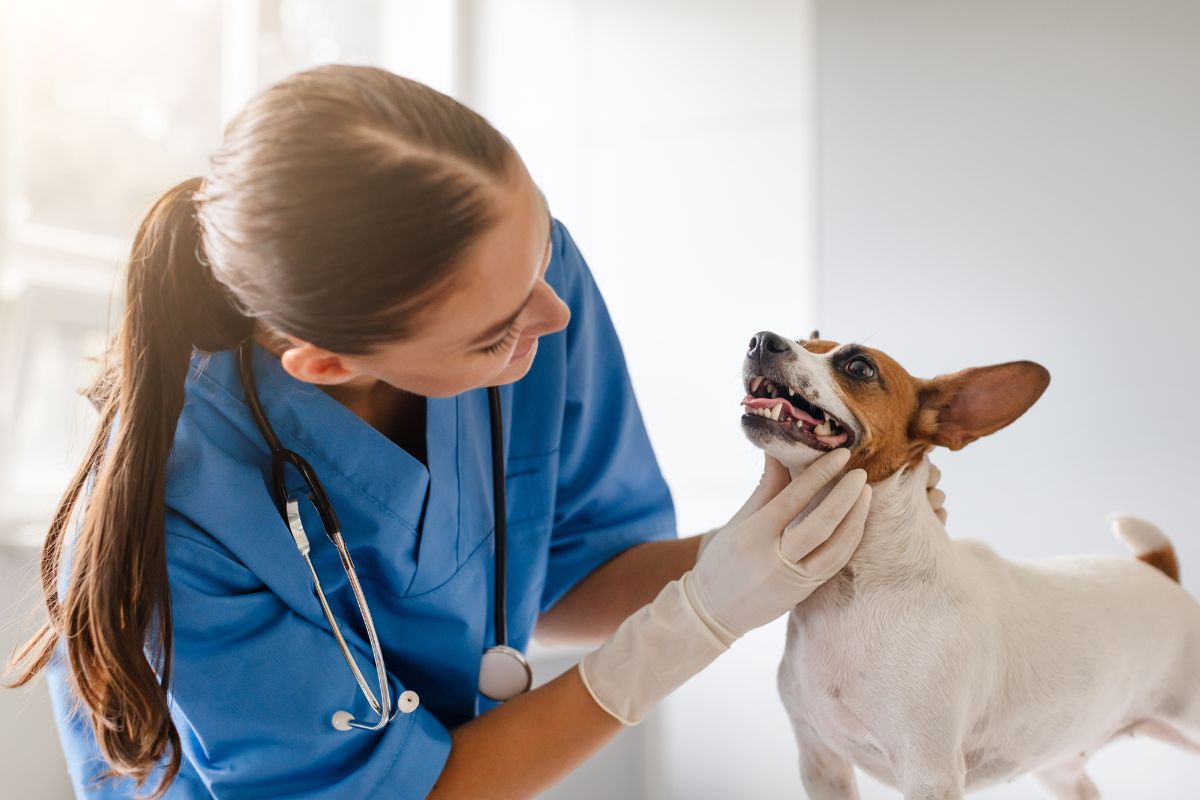
Regularly checking your dog’s mouth can help identify visible problems earlier.
Persistent Drooling May Signal Oral Discomfort
Dogs with oral pain often drool more than normal. Excessive saliva and bad breath can signal infections, tooth injuries, or irritation.
Saliva Changes Often Reveal Dental Problems
Watch for signs including:
- Stringy drool: Thick saliva sometimes accompanies mouth irritation.
- Blood-tinged saliva: Bleeding may indicate gum disease or injuries.
- Dropping food while eating: Pain can affect chewing ability.
- Pawing at the mouth: Dogs often react physically to oral discomfort.
Diagnostic exams help determine whether drooling is due to dental disease or another medical issue.
Daily Dental Habits Improve Oral Health Outcomes
Consistent home dental care plays a major role in preventing bad breath and oral disease.
Small Habits Help Reduce Plaque Buildup
- Brush teeth regularly: Pet-safe toothpaste helps remove bacteria and debris.
- Use dental chews carefully: some products help keep teeth cleaner between visits.
- Schedule routine dental evaluations: Veterinary exams help detect hidden concerns early.
- Provide chew-safe toys: Proper chewing activities may reduce plaque accumulation.
Daily oral care often improves comfort, appetite, and breath quality significantly over time.
For many dog owners, staying consistent with dental care becomes easier when veterinary guidance remains clear and supportive. WestVets Maxtown Veterinary Clinic continues helping pets maintain healthier mouths through dental evaluations, cleanings, diagnostics, and preventive oral care recommendations. Their team remains attentive to subtle signs of discomfort while helping owners better understand how dental health connects to overall wellness and daily quality of life.
Professional Dental Cleanings Remove Hidden Bacteria
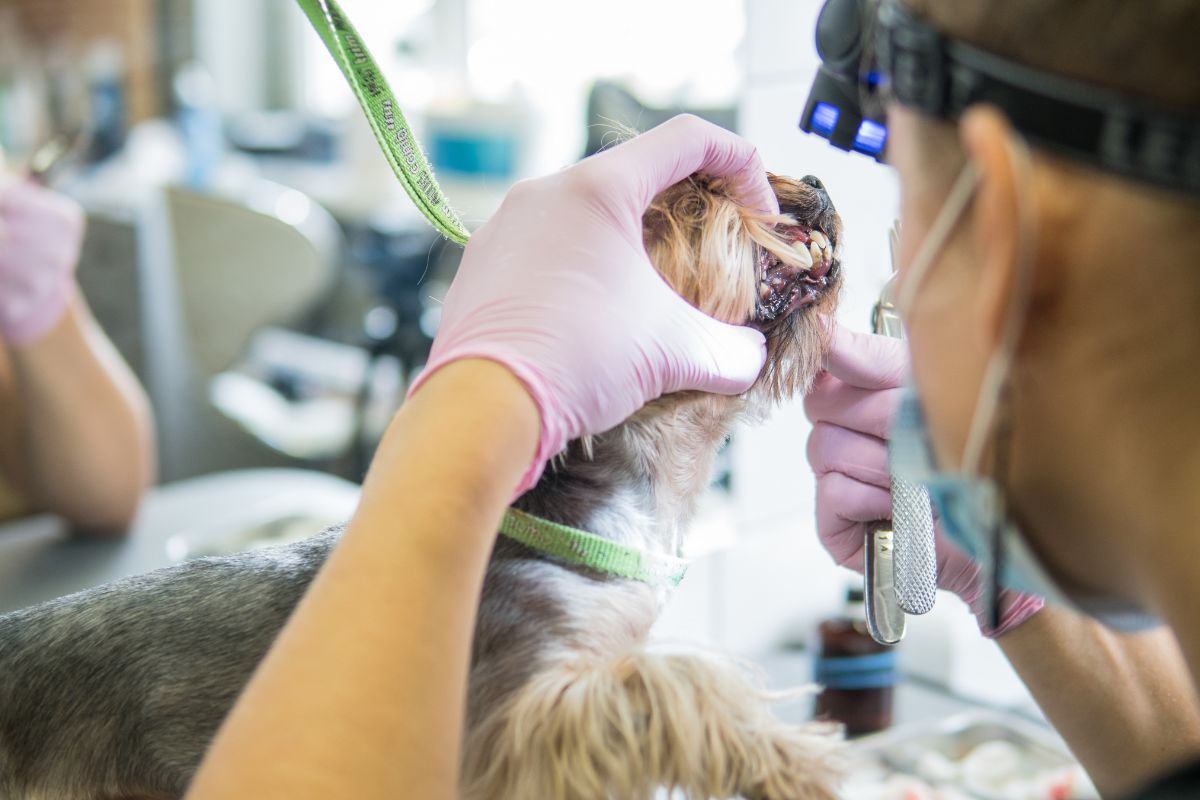
Home care helps maintain oral hygiene, though dental cleanings from a veterinarian remain important for removing hardened tartar below the gumline.
Dental Procedures Help Prevent Serious Complications
- Tartar removal improves gum health: Cleaning reduces bacterial buildup around teeth.
- Hidden disease becomes visible: Dental exams often uncover damaged teeth or infections.
- Oral discomfort decreases: Removing infected material improves eating comfort.
- Long-term health risks are reduced: Better oral health may support heart and organ wellness.
Dental disease often progresses silently, making preventive cleanings valuable even when symptoms seem mild.
Puppies Can Also Develop Unexpected Breath Problems
Bad breath isn’t limited to older dogs; puppies can also develop unusual odors during teething or because of retained baby teeth.
Young Dogs Still Need Oral Monitoring
- Teething may irritate gums: A mild odor sometimes develops during tooth eruption.
- Retained baby teeth trap debris: Crowding may encourage bacterial growth.
- Chewing inappropriate objects causes injuries: Puppies frequently explore using their mouths.
- Digestive sensitivity affects breath: Dietary adjustments may influence odor changes.
Routine visits to the veterinarian help monitor the development of teeth and oral health in growing puppies.
Warning Signs Mean Veterinary Care Becomes Necessary
An occasional mild odor does not always indicate serious illness, though certain symptoms warrant prompt evaluation.
Seek Veterinary Attention For These Symptoms
- Persistent severe bad breath: Strong odors lasting several days require examination.
- Difficulty eating food: Oral pain may interfere with chewing.
- Swollen or bleeding gums: Gum inflammation often signals infection.
- Loose or broken teeth: Damaged teeth require treatment quickly.
- Excessive drooling: Changes in saliva may indicate discomfort or disease.
- Behavioral changes: Irritability or reduced activity sometimes reflect oral pain.
Early treatment often prevents more serious complications and improves overall comfort.
Healthy Teeth Support Better Overall Wellness
Oral health affects much more than your dog’s breath. Untreated dental disease may eventually impact eating habits, energy levels, and overall physical wellness. Consistent dental care helps reduce discomfort while supporting healthier long-term outcomes for dogs of all ages.
Monitoring subtle changes such as drooling, chewing difficulties, loss of appetite, or worsening breath odor can help identify oral problems earlier. Preventive dental care combined with routine vet visits and evaluations remains one of the most effective ways to protect your dog’s health throughout every life stage.
Protecting Oral Health Improves Everyday Comfort
Persistent bad breath often signals underlying dental disease, infections, digestive issues, or medical conditions that require attention. Paying close attention to changes in your dog’s breath, eating habits, and oral comfort can help identify problems before they become more painful or difficult to treat. Consistent dental care supports healthier teeth, gums, and overall wellness throughout your dog’s life.
If you’re in Westerville looking for dog dental care services, book an appointment online at WestVets Maxtown Veterinary Clinic. Our team helps evaluate bad breath, gum disease, oral discomfort, damaged teeth, and other dental concerns through examinations, diagnostics, and dental treatments. Early dental care can help your dog stay more comfortable while improving long-term health and daily quality of life.
Frequently Asked Questions
Q1. Why does my dog’s breath smell worse after eating?
Ans. Food particles trapped between teeth may encourage bacterial growth after meals. Certain diets, treats, or table scraps can also contribute to stronger odors and faster plaque accumulation inside the mouth.
Q2. Can bad breath indicate something besides dental disease?
Ans. Digestive disorders, kidney disease, diabetes, liver problems, infections, and oral injuries may all contribute to unusual breath odors alongside changes in appetite, thirst, energy levels, or behavior.
Q3. Why does my dog drool more with bad breath?
Excessive drooling often develops alongside oral discomfort, gum infections, broken teeth, mouth injuries, or foreign objects trapped between teeth, which can cause irritation and bacterial buildup in the mouth.
Q4. How often should dogs receive dental cleanings?
Ans. Dental cleaning frequency varies based on breed, age, diet, genetics, and oral health condition. Many dogs benefit from routine dental evaluations yearly to monitor plaque and gum disease progression.
Q5. What breeds develop dental disease more frequently?
Ans. Small breeds frequently face overcrowded teeth and quicker tartar accumulation. Toy breeds, brachycephalic dogs, and senior pets are more susceptible to periodontal disease and ongoing oral discomfort.