7132 State Rt 3, Westerville Ohio 43082


Pets rarely show obvious signs of dental pain, even when discomfort affects eating, sleeping, and daily behavior. A buildup of plaque and bacteria can quietly lead to infections below the gumline, creating risks far beyond bad breath. Dental cleanings help protect your pet’s overall health, yet many owners still worry about whether anesthesia is truly safe.
Regular veterinary dental care helps detect and treat hidden oral problems before they worsen. If you’re a pet owner in Westerville, this blog is especially for you. Learning how anesthesia works during pet dental services can help you make informed choices for your companion’s long-term wellness. Consider scheduling a visit with WestVets Maxtown Veterinary Clinic.
Why Dental Cleanings Require Safe Sedation
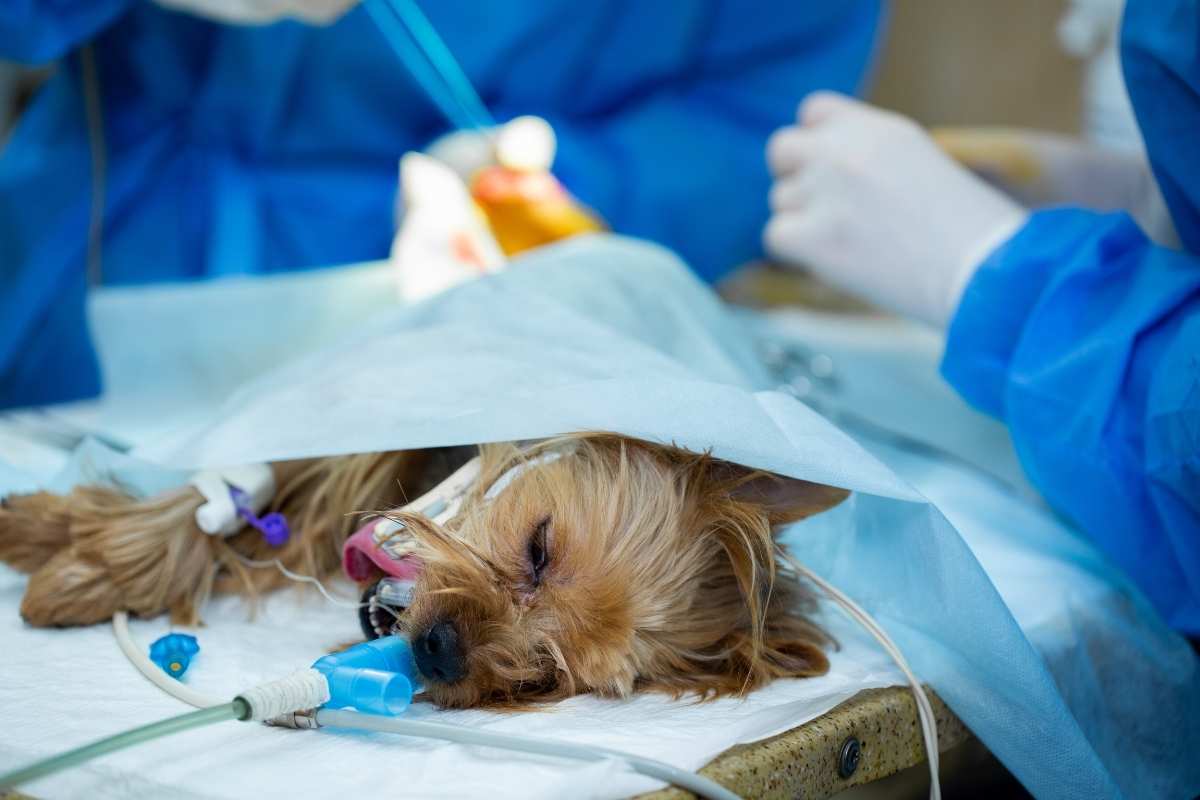
Dental procedures for pets differ greatly from those for humans. Animals cannot understand instructions to remain still while sharp tools and water scalers work inside sensitive areas of the mouth. Anesthesia creates a controlled environment where the veterinary team can safely clean, examine, and treat oral structures without causing stress or injury.
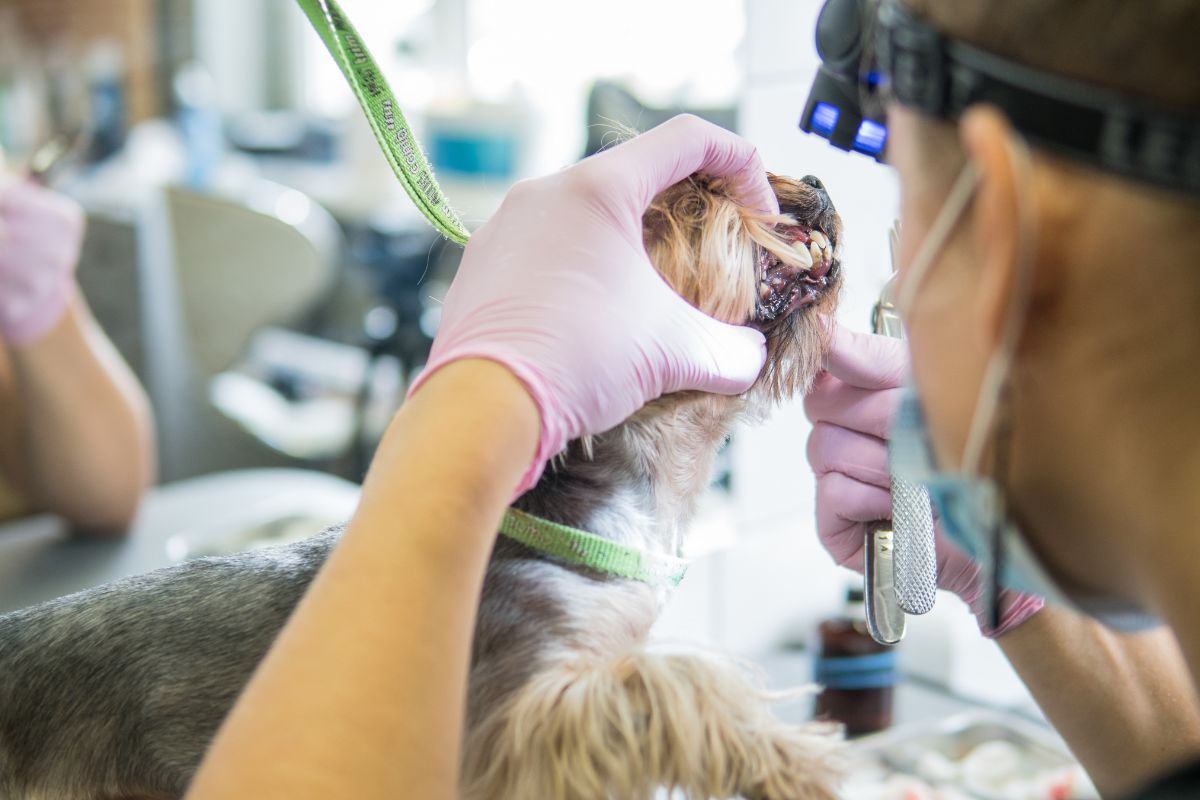
Many oral problems develop beneath the gumline, where they remain invisible during awake examinations. Full dental evaluations often include dental X-rays, periodontal probing, tartar removal, and polishing. Safe anesthesia allows these procedures to happen accurately while keeping your pet comfortable.
Hidden Oral Problems Often Missed Awake
A glance at visible teeth does not reveal the full condition of your pet’s mouth. Dental disease commonly progresses below the surface before noticeable symptoms appear.
- Gum infections: Bacteria beneath the gumline can trigger inflammation and tissue damage over time.
- Loose teeth: Structural weakening may remain hidden until advanced stages develop.
- Tooth fractures: Cracks below the surface can expose painful nerves and roots.
- Abscess formation: Infections around tooth roots may spread into surrounding tissues.
- Bone loss: Advanced periodontal disease can gradually damage the jaw’s supporting structures.
Anesthetized dental cleanings provide the opportunity to identify and address these concerns before they affect your pet’s quality of life.
Modern Monitoring Makes Procedures Much Safer
Veterinary anesthesia has changed significantly over the years. Current protocols focus heavily on patient safety through monitoring equipment, pre-anesthetic evaluations, and individualized medication plans. Age alone does not automatically make anesthesia dangerous. Overall health status matters far more.
Before dental procedures, veterinarians typically review medical history, examine vital signs, and recommend bloodwork. Screening helps identify underlying conditions that affect anesthesia decisions, including kidney disease, liver disease, diabetes, and heart conditions.
Important Safety Steps Before Dental Procedures
Several precautions are commonly used to lower anesthesia-related risks during pet dental care.
- Physical examinations: Health assessments help determine whether your pet is stable for anesthesia.
- Blood testing: Organ function checks guide medication choices and anesthetic planning.
- Customized medications: Drug combinations vary depending on species, breed, age, and medical conditions.
- IV fluid support: Fluids help maintain hydration and circulation throughout procedures.
- Continuous monitoring: Heart rate, oxygen levels, breathing, blood pressure, and temperature are closely monitored.
Monitoring technology allows veterinary teams to detect changes quickly and respond immediately if adjustments become necessary.
Common Misconceptions About Pet Anesthesia Safety
Online information sometimes increases fear surrounding veterinary anesthesia. Understanding common misconceptions can help reduce unnecessary worry before your pet’s dental appointment.
Older Pets Cannot Safely Handle Anesthesia
Senior pets often benefit the most from dental care. Untreated dental disease may worsen heart, kidney, and immune health over time. Careful testing and tailored anesthesia plans frequently allow older pets to undergo dental procedures safely.
Anesthesia-Free Cleanings are Better Alternatives
Non-anesthetic cleanings only address visible tartar above the gumline. Deep cleaning beneath the gums cannot be performed safely while pets remain awake. Painful areas may also go untreated without proper examination and imaging.
Healthy Pets Do Not Need Dental Monitoring
Even healthy pets require close supervision during anesthesia. Monitoring equipment helps maintain stability and supports safer outcomes regardless of age or medical history.
Signs Your Pet May Need Dental Care
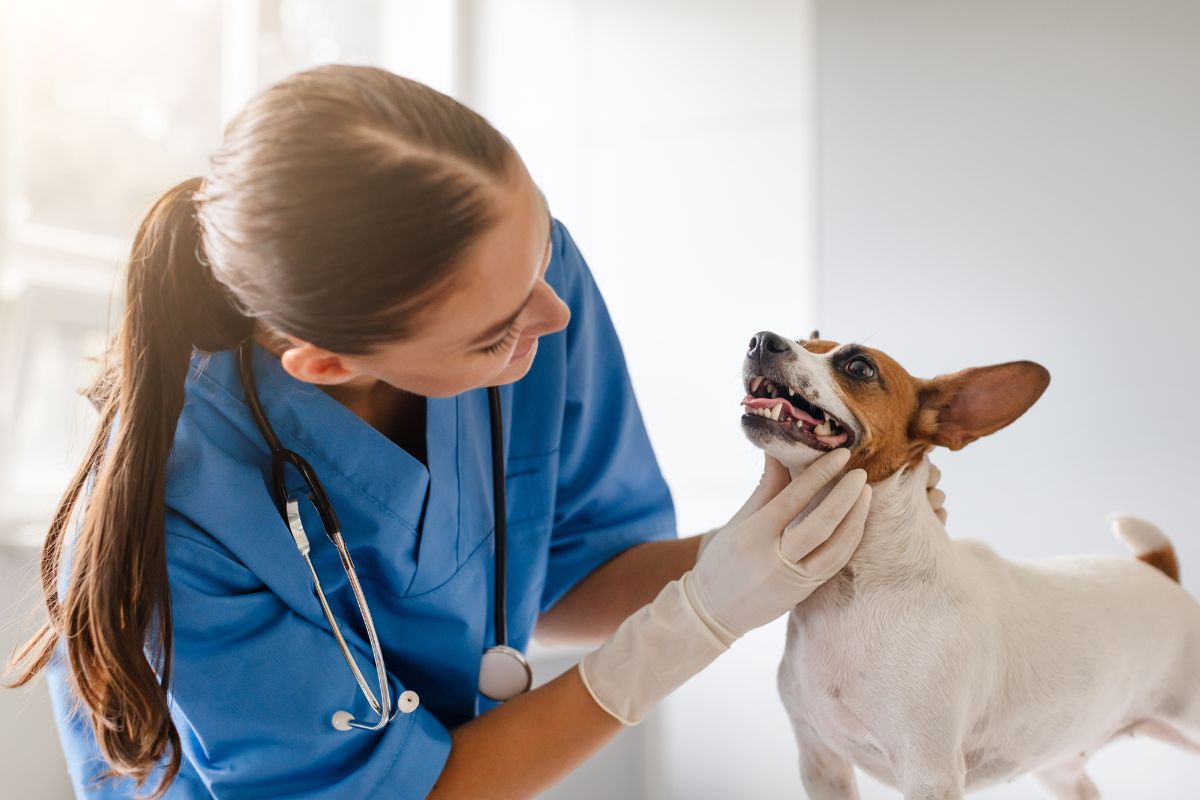
Dental disease develops gradually, making symptoms easy to overlook. Paying attention to behavioral and physical changes may help you recognize when a veterinary evaluation becomes necessary.
Everyday Behaviors Linked to Dental Problems
- Bad breath: Persistent odor often signals bacterial buildup and infection.
- Dropping food: Oral discomfort can interfere with normal chewing.
- Pawing at the mouth: Irritation and pain sometimes trigger facial rubbing behaviors.
- Reduced appetite: Painful teeth may discourage eating hard food.
- Bleeding gums: Inflamed tissue may bleed during chewing or toy play.
- Behavior changes: Irritability or withdrawal can develop when chronic pain exists.
Routine dental visits help identify these concerns before complications progress further.
Dental Disease Affects More Than Teeth Alone
Oral health directly influences other body systems. Harmful bacteria from severe dental disease may enter the bloodstream and affect organs throughout the body. Long-term infections can contribute to systemic inflammation that impacts overall wellness.
Heart, liver, and kidney tissues may become vulnerable when oral bacteria circulate continuously. Chronic dental pain also affects sleep quality, appetite, energy levels, and emotional well-being.
Regular dental cleanings, combined with home care, support healthier outcomes for pets at every stage of life.
Calmer Procedures Begin With Careful Planning
Preparation plays an important role in reducing stress before anesthesia and dental treatment. Veterinary teams typically provide fasting instructions, medication guidance, and recovery expectations before scheduled appointments.
Owners can help pets feel calmer by maintaining familiar routines leading up to the visit. Bringing pets in relaxed carriers, using comforting blankets, and avoiding rushed departures may also improve the experience.
Helpful Recovery Tips After Dental Cleaning
Recovery periods vary depending on procedures performed during the appointment. Following aftercare recommendations helps support smoother healing at home.
- Offer soft meals: Tender foods may feel more comfortable temporarily after extractions or deep cleaning.
- Limit rough toys: Hard chew items could irritate healing tissues.
- Monitor energy levels: Mild sleepiness is common during early recovery.
- Administer medications properly: Pain control and antibiotics should be given exactly as directed.
- Schedule follow-up visits: Rechecks help ensure proper healing and long-term oral improvement.
Around the halfway point of many dental journeys, pet owners often notice cleaner teeth, fresher breath, and happier eating habits.
The team at WestVets Maxtown Veterinary Clinic consistently focuses on patient monitoring, individualized care planning, and detailed dental evaluations that support safer procedures and healthier recoveries for pets needing oral treatment.
Daily Habits Supporting Better Oral Health
Professional cleanings remain important, yet home care also contributes significantly to oral health maintenance between visits.
Simple Ways to Protect Pet Teeth
- Tooth brushing: Pet-safe toothpaste helps reduce plaque accumulation.
- Dental diets: Certain foods may help control tartar.
- Approved chews: Veterinary-recommended products can help clean surfaces.
- Routine exams: Regular evaluations help detect concerns early.
- Fresh water access: Hydration supports healthy oral tissues.
Consistency matters more than perfection when building oral care routines for pets.
Questions Owners Often Ask Before Procedures
Concerns surrounding anesthesia usually stem from a desire for the safest possible outcome for beloved companions. Open communication with your veterinarian helps clarify expectations and reduce uncertainty.
Discussing your pet’s age, medical history, medications, and previous anesthesia experiences allows the veterinary team to tailor recommendations appropriately. Understanding the procedure steps in advance often makes the process feel less overwhelming for owners.
Helping Pets Maintain Better Oral Wellness
Dental disease rarely improves without treatment, and delaying care may increase discomfort over time. Modern veterinary anesthesia protocols, patient monitoring systems, and individualized planning continue to improve safety during dental procedures for pets of many ages and health backgrounds. Preventive dental care also supports healthier eating habits, fresher breath, and improved daily comfort throughout your pet’s life.
If you’re in Westerville searching for pet dental cleaning and anesthesia safety services near you, book an appointment with WestVets Maxtown Veterinary Clinic. Our team helps pet owners understand each stage of the dental process while supporting safer cleanings, recovery guidance, and long-term oral health plans tailored to your companion’s needs.
FAQs
Q1. Why do pets need anesthesia during deep dental cleaning?
Ans. Pets move unexpectedly during procedures, making dental tools dangerous without sedation. Anesthesia allows safe cleaning beneath gums, dental X-rays, and treatment of painful conditions while reducing stress and discomfort.
Q2. Can untreated dental disease affect my pet’s appetite?
Ans. Yes. Painful gums, loose teeth, and oral infections may make chewing uncomfortable. Pets sometimes avoid food, drop kibble, or favor one side of the mouth during meals.
Q3. How long does recovery usually take after dental cleaning?
Ans. Most pets recover within several hours after anesthesia monitoring ends. Mild tiredness can continue overnight, especially after extractions, while appetite and normal behavior generally improve the following day.
Q4. Why are dental X-rays important during cleanings?
Ans. Many dental problems develop below the gumline, where visual exams cannot detect them. X-rays help identify hidden infections, root damage, fractures, and bone loss requiring treatment.
Q5. Do certain breeds develop dental disease faster than others?
Ans. Yes. Smaller dog breeds and flat-faced pets often develop crowding issues that trap bacteria and plaque more easily, increasing their risk for periodontal disease and tooth decay.