7132 State Rt 3, Westerville Ohio 43082


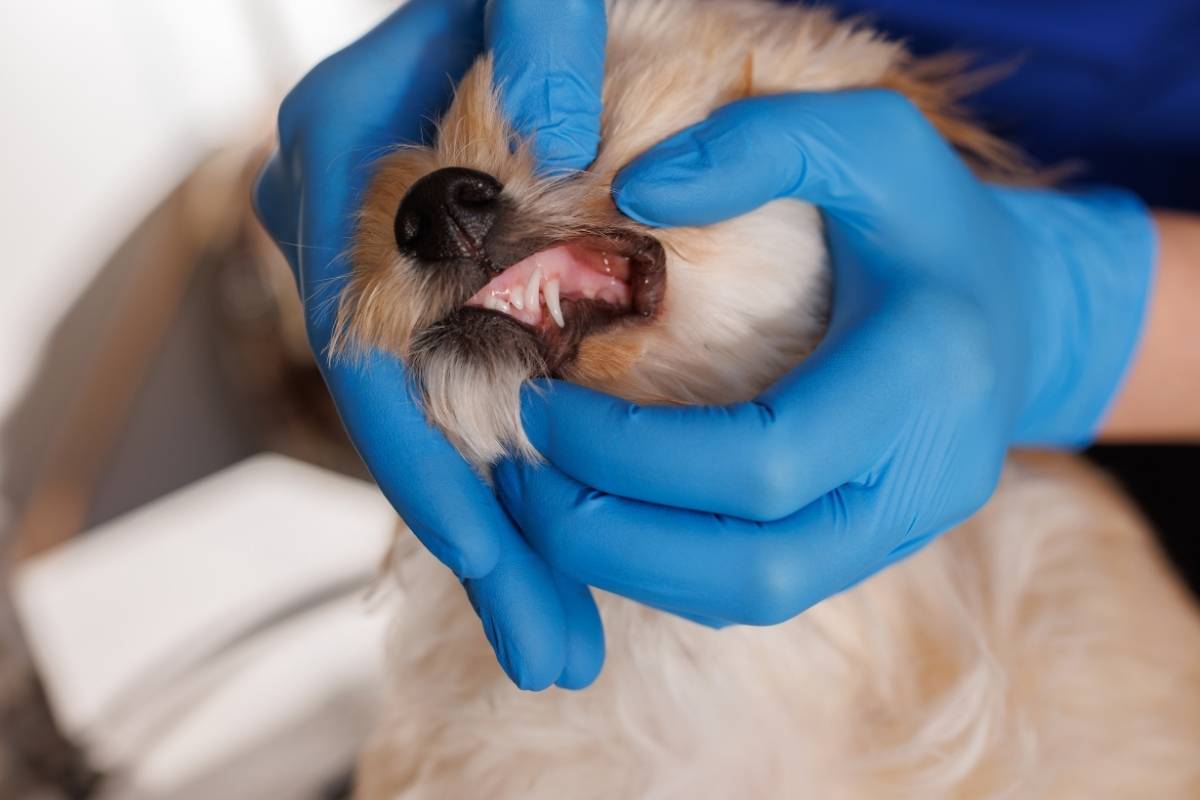
Tiny dogs often face significant dental issues early in life. Plaque buildup, crowded teeth, and gum irritation can develop sooner in smaller breeds than many owners expect. Breeds like Chihuahuas, Yorkies, and Pugs commonly experience oral health problems that can impact their eating, breathing, comfort, and long-term well-being if not treated.
If you’re a pet owner in Westerville, OH, this blog is especially for you. Understanding how dental disease affects small breeds can help you make better decisions about your dog’s dental care while reducing the risk of pain and costly health complications later. Scheduling a visit with WestVets Maxtown Veterinary Clinic can help you stay ahead of dental concerns before they worsen.
Tiny Mouths Create Bigger Oral Health Risks
Small breed dogs have small, tightly packed jaws whose crowded teeth can trap food and bacteria in narrow spaces. This leads to faster buildup of plaque and tartar compared to larger dogs.
Chihuahuas, Yorkies, and Pugs commonly face:
- Crowded teeth: Limited jaw space causes overlapping teeth where bacteria thrive.
- Faster tartar accumulation: Smaller mouths often retain debris longer between teeth.
- Gum inflammation: Persistent plaque irritates gums and increases infection risk.
- Tooth loss: Untreated dental disease weakens the structures that support teeth.
- Pain while eating: Inflamed gums and damaged teeth can make chewing uncomfortable.
Dental disease can begin surprisingly early in toy breeds. Some dogs show signs before reaching three years old.
Warning Signs Often Appear Surprisingly Early
Many pet owners assume bad breath is normal in dogs. Persistent odor can actually signal the development of dental disease.
Watch for these symptoms:
- Strong mouth odor: Lingering smell may indicate bacterial buildup.
- Red or swollen gums: Inflamed gums often suggest gingivitis.
- Yellow or brown tartar: Hardened buildup that commonly forms near the gumline.
- Difficulty chewing kibble: Pain may slow eating.
- Pawing at the mouth: Dogs sometimes react to oral discomfort by pawing at their mouths.
- Excessive drooling: Oral irritation may increase saliva production.
- Loose teeth: Advanced disease can weaken tooth attachment.
Early detection can prevent infections from spreading deeper into the gum tissue and surrounding bone.
Chihuahuas Struggle With Crowded Tooth Alignment
Chihuahuas frequently develop severe dental crowding due to their extremely small jaw structure. Adult teeth may erupt too close together, creating narrow spaces where bacteria easily hide.
Several Chihuahua-specific concerns include:
- Retained baby teeth: Baby teeth sometimes remain beside adult teeth.
- Advanced plaque retention: Tight spacing traps debris continuously.
- Higher risk of tooth fractures: Small teeth can become fragile over time.
- Jaw sensitivity: Oral pain may affect daily eating behavior.
Daily brushing becomes especially important for Chihuahuas due to their rapid tartar accumulation.
Yorkies Face Persistent Plaque And Gum Disease
Yorkshire Terriers are known for persistent dental issues. Their delicate jaw structures and genetic predispositions can lead to rapid gum disease development.
Yorkies commonly experience:
- Severe tartar buildup: Plaque hardens quickly without routine care.
- Receding gums: Ongoing inflammation gradually weakens gum tissue.
- Premature tooth loss: Advanced periodontal disease may loosen teeth.
- Oral infections: Untreated bacteria can spread below the gum line.
Consistent home care paired with veterinary cleanings can significantly reduce long-term oral damage in Yorkies.
Flat-Faced Pugs Develop Unique Dental Complications
Pugs face additional dental difficulties linked to their brachycephalic facial structure. Flattened skull anatomy often forces teeth into awkward positions.
Common Pug dental issues include:
- Misaligned teeth: Teeth may rotate or overlap abnormally.
- Hidden tartar pockets: Tight areas become difficult to clean properly.
- Gum irritation: Misalignment can increase tissue friction.
- Food trapping: Facial structure contributes to debris retention.
Pugs may also struggle with mouth breathing, which can sometimes worsen oral dryness and bacterial growth.
Poor Oral Health Affects More Than Teeth
Dental disease does not remain isolated inside the mouth. Bacteria from infected gums can travel through the bloodstream and potentially impact major organs.
Possible complications include:
- Heart strain: Oral bacteria may contribute to cardiovascular stress.
- Kidney concerns: Chronic infection can affect kidney function.
- Liver complications: Bacterial spread may impact liver health.
- Reduced appetite: Painful mouths often discourage eating.
- Behavioral changes: Dogs experiencing discomfort may become withdrawn or irritable.
Routine dental care supports your dog’s entire body, not only their smile.
Daily Habits Can Prevent Serious Dental Problems
Strong oral hygiene habits make a major difference for small-breed dogs. Preventive care lowers the risk of severe periodontal disease and costly dental procedures later.
Helpful dental habits include:
- Daily brushing: Use dog-safe toothpaste and soft toothbrushes.
- Dental chews: Approved chews may help reduce plaque buildup.
- Routine mouth checks: Examine gums and teeth regularly.
- Professional cleanings: Veterinary cleanings safely remove hardened tartar.
- Healthy diet choices: Certain foods may help keep teeth clean.
Consistency matters more than perfection. Small daily efforts can protect your dog’s comfort long term.
For many pet owners, maintaining oral care routines becomes easier with guidance from a veterinary team that understands breed-specific dental concerns. The staff at WestVets Maxtown Veterinary Clinic works closely with families to identify early warning signs, clearly explain preventive care, and support healthier teeth for small dogs at every stage of life.
Professional Dental Exams Catch Hidden Problems Early
Many dental problems develop below the gumline, where they cannot be seen during casual home inspections. Veterinary dental exams help detect hidden disease before serious complications appear.
Dental evaluations may identify:
- Bone loss around teeth: Early periodontal disease often affects bone structure.
- Hidden tooth fractures: Cracks may not always be visible externally.
- Infected roots: Deep infections can cause ongoing discomfort.
- Retained baby teeth: Persistent baby teeth may crowd adult teeth.
- Abnormal growths: Oral masses sometimes develop unnoticed.
Regular exams allow earlier treatment and better long-term oral outcomes.
Small Breeds Benefit From Earlier Dental Monitoring
Large dogs may develop dental disease more gradually. Small breeds often require earlier monitoring due to faster plaque accumulation and compact oral anatomy.
Many veterinarians recommend earlier dental evaluations for:
- Toy breed puppies: Early checks help identify retained baby teeth.
- Young adult dogs: Plaque may already appear within a few years.
- Senior small breeds: Aging dogs face increased oral vulnerability.
Preventive care is usually simpler and less invasive than treating advanced dental disease.
Nutrition Choices Influence Dental Health Outcomes
Diet affects oral health more than many pet owners realize. Sticky foods and excessive treats may contribute to plaque accumulation.
Helpful dietary considerations include:
- Crunchy dental diets: Certain formulas mechanically reduce tartar.
- Controlled treats: Limiting sugary or sticky treats helps keep teeth cleaner.
- Fresh water access: Hydration supports oral tissue health.
- Dental-approved products: Veterinary-recommended options provide safer support.
Balanced nutrition combined with brushing creates stronger dental protection.
Your Dog’s Health Starts With Early Dental Attention
Small dogs rely heavily on their pet owners to recognize subtle signs of discomfort. Dental disease can quietly progress for months before obvious symptoms appear. Earlier intervention often means fewer extractions, reduced pain, and healthier daily habits for your dog.
Routine oral care also improves quality of life. Comfortable teeth support easier eating, better energy levels, fresher breath, and happier interactions at home. Chihuahuas, Yorkies, and Pugs especially benefit from consistent monitoring due to their higher risk for gum disease and crowded teeth.
Protecting Small Dogs From Ongoing Oral Problems
If you’re in Westerville and looking for pet dental services near you, book an appointment with WestVets Maxtown Veterinary Clinic to help your small dog maintain healthier teeth and gums. Our team can examine plaque buildup, identify hidden dental concerns, recommend preventive care strategies, and support long-term oral health for Chihuahuas, Yorkies, Pugs, and other small breeds needing extra dental attention.
FAQs
Q1. Why do Yorkies lose teeth earlier than other dogs?
Ans. Yorkies often develop periodontal disease quickly due to crowded teeth and rapid tartar buildup. Untreated gum inflammation weakens the supporting structures of the teeth, increasing the likelihood of premature tooth loss over time.
Q2. Can retained baby teeth create dental issues later?
Ans. Retained baby teeth trap bacteria between adult and baby teeth, increasing plaque buildup, gum irritation, overcrowding, and the risk of infection. Early removal may help reduce long-term dental complications.
Q3. Why does my Pug have constant bad breath?
Ans. Persistent bad breath in Pugs often signals plaque accumulation, gum disease, trapped debris, or hidden infection. Flat-faced anatomy can make cleaning difficult, allowing bacteria to grow faster inside the mouth.
Q4. How often should Chihuahuas receive dental evaluations?
Ans. Chihuahuas benefit from regular dental evaluations at least once yearly, though dogs with faster tartar buildup may require more frequent monitoring, depending on plaque accumulation and changes in gum health.
Q5. Do small dogs need professional cleanings even with brushing?
Ans. Daily brushing helps reduce plaque, yet hardened tartar below the gumline still requires professional cleaning. Veterinary dental procedures remove buildup that home brushing cannot safely eliminate.