7132 State Rt 3, Westerville Ohio 43082


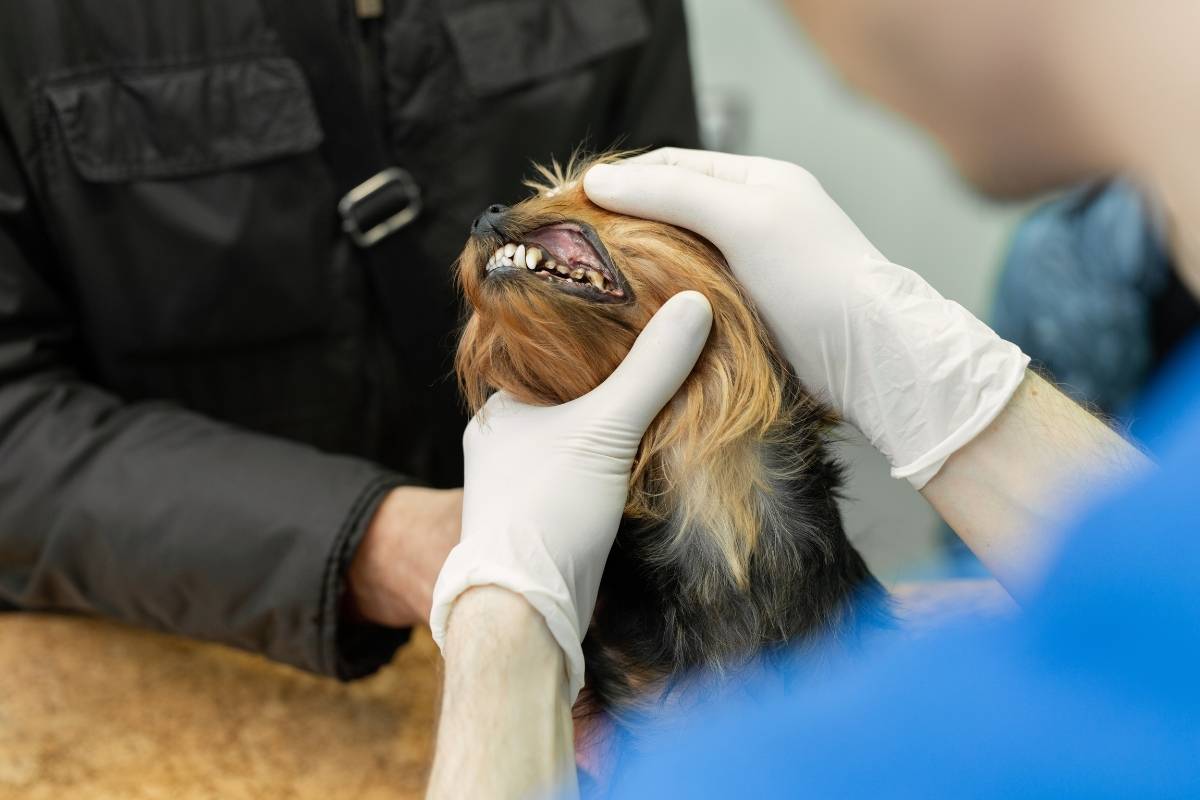
Dental health is an essential part of your dog’s overall well-being, yet it’s often overlooked until a serious issue develops. At Maxtown Veterinary Clinic, we understand that many pet owners may not immediately recognize the early signs that your dog may have a tooth infection. Tooth infections can cause significant discomfort and may lead to more serious health complications if left untreated.
For pet owners in Westerville, OH, understanding the warning signs of dental disease in dogs can help you seek veterinary care early and prevent further complications. Tooth infections often develop gradually, and dogs may hide their discomfort until symptoms become more noticeable. Learning to recognize these warning signs can help ensure your dog receives timely care and maintains better long-term oral health.
Below are some of the most common signs that may indicate your dog is dealing with a tooth infection.
1. Persistent Bad Breath
While mild dog breath is normal, persistent or unusually foul breath can be one of the earliest indicators of a dental problem. A tooth infection may produce strong, unpleasant odors caused by bacterial buildup and infection around the tooth or gums.
If your dog’s breath suddenly becomes much stronger or more unpleasant than usual, it may be worth scheduling a dental evaluation. Regular checkups can help detect underlying oral issues before they worsen.
2. Difficulty Eating or Chewing
Dogs with tooth infections may experience pain when chewing. You might notice your dog dropping food, chewing on only one side of their mouth, or taking longer than usual to finish meals.
Some dogs may also lose interest in dry food or treats that require more chewing. Changes in eating behavior can often signal oral discomfort that should be evaluated by a veterinarian.
3. Swelling Around the Face or Jaw
Facial swelling is one symptom that many pet owners overlook or attribute to something minor. However, swelling around the muzzle, jaw, or under the eyes may indicate a tooth abscess or advanced infection.
This symptom often occurs when bacteria spread from an infected tooth into surrounding tissues. Because swelling can worsen quickly, it’s important to have your dog evaluated if you notice any unusual facial puffiness.
4. Excessive Drooling
Drooling can occur for many reasons, but a noticeable increase may suggest oral irritation or infection. Dogs experiencing dental pain may produce more saliva as their body reacts to inflammation in the mouth.
You might also notice thicker saliva or drool with traces of blood. These signs can indicate that something is irritating the gums or teeth.
5. Pawing at the Mouth
Dogs that are experiencing dental pain may frequently paw at their mouth or rub their face against furniture, carpets, or the floor. This behavior is often an attempt to relieve discomfort caused by a painful tooth or gum infection.
If this behavior appears suddenly or becomes repetitive, it may be a sign that your dog is experiencing oral pain that requires attention.
6. Red or Bleeding Gums
Healthy gums should appear firm and pink. If you notice redness, swelling, or bleeding around your dog’s gums, it could indicate inflammation or infection.
Gum disease often develops alongside tooth infections, which makes early detection especially important. Routine veterinary checkups and consistent pet dental care can help reduce the risk of advanced dental problems.
7. Loose or Discolored Teeth
A tooth infection can weaken the structures that hold a tooth in place. As a result, you may notice teeth that appear loose, cracked, or discolored.
Discoloration may appear as yellow, brown, or dark spots on the tooth surface. These changes often signal damage or infection within the tooth itself.
Why Early Detection Matters
Tooth infections can affect more than just the mouth. Bacteria from dental infections can potentially spread to other parts of the body, including the heart and kidneys.
Early treatment helps reduce pain and prevent complications. Preventive exams and professional cleanings are important components of maintaining your dog’s oral health.
Consistent pet dental care, including brushing your dog’s teeth and scheduling routine dental exams, can help prevent infections before they develop.
Recognizing the signs your dog may have a tooth infection can make a significant difference in protecting your pet’s health. Symptoms such as bad breath, swelling, drooling, or difficulty eating may indicate an underlying dental issue that requires veterinary evaluation.
If you notice any of these warning signs, it’s important to seek professional guidance. Early diagnosis and treatment can help prevent discomfort and reduce the risk of more serious health concerns.
If you have any concerns about your dog’s dental health, you can schedule an appointment with Maxtown Veterinary Clinic for professional guidance and care.
Dental issues can develop gradually, which is why routine veterinary visits are important. Pet owners in Westerville, OH, who want to learn more about protecting their dog’s oral health are encouraged to schedule a dental consultation to ensure their pet stays comfortable and healthy.
FAQs
Q1. How do I know if my dog has a tooth infection?
Ans. Common symptoms include bad breath, swelling around the face, drooling, difficulty chewing, red gums, and loose or discolored teeth.
Q2. Can a tooth infection make my dog sick?
Ans. Yes. Dental infections can spread bacteria throughout the body and may affect organs like the heart or kidneys if left untreated.
Q3. What causes tooth infections in dogs?
Ans. Tooth infections are commonly caused by plaque buildup, gum disease, broken teeth, or untreated dental decay.
Q4. How are tooth infections treated in dogs?
Ans. Treatment may include dental cleaning, antibiotics, or removal of the infected tooth, depending on the severity of the infection.
Q5. How can I prevent dental infections in my dog?
Ans. Regular brushing, professional dental exams, healthy diets, and consistent pet dental care help reduce the risk of dental disease.
Q6. When should I take my dog to the vet for dental issues?
Ans. You should consult a veterinarian if you notice swelling, persistent bad breath, bleeding gums, or changes in eating behavior.