7132 State Rt 3, Westerville Ohio 43082


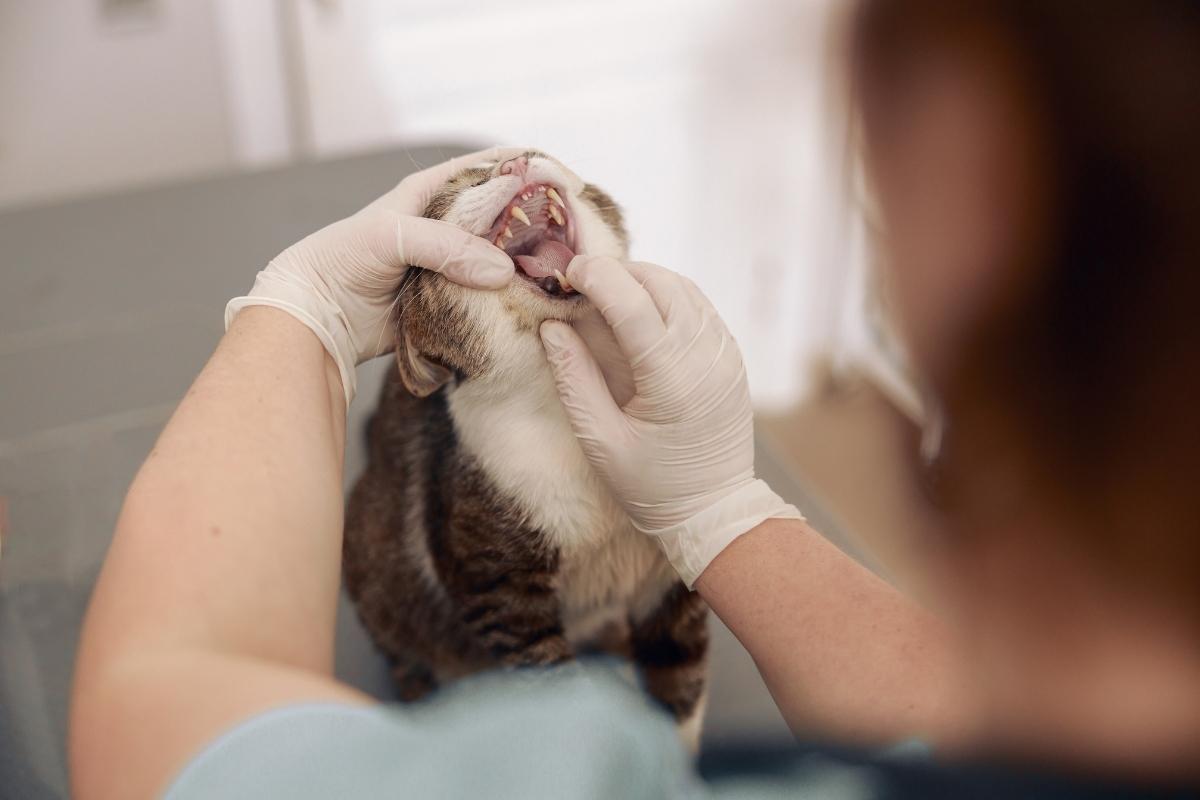
Cats are masters at hiding pain and discomfort. Even when they are experiencing significant dental pain, many cats continue eating, playing, and behaving normally. This natural instinct often makes dental disease difficult for pet owners to recognize in its early stages. Unfortunately, by the time symptoms become obvious, dental problems may already be advanced and cause chronic pain or infection.
Understanding the basics of feline oral health can help you spot subtle warning signs early and take preventive steps before small problems become serious. For cat owners in Westerville and surrounding areas, prioritizing routine dental care for your cat and regular veterinary checkups is one of the best ways to support your cat’s long-term comfort and overall wellness.
How Common Is Dental Disease in Cats?
Dental disease is one of the most common health conditions seen in cats. Studies estimate that more than 70% of cats develop some form of dental disease by the age of three. Many cases go unnoticed because the symptoms can be subtle at first.
The most common feline dental conditions include:
- Gingivitis – inflammation and redness of the gums caused by plaque and bacterial buildup
- Periodontitis – a more advanced infection affecting the gums, ligaments, and bone supporting the teeth
- Tooth resorption – a painful condition unique to cats, where the tooth structure gradually breaks down from the inside
These conditions can lead to chronic pain, tooth loss, infections, and difficulty eating if left untreated. Dental disease may also affect a cat’s overall health by allowing bacteria to enter the bloodstream and potentially impact organs such as the kidneys and heart.
One challenge with feline dental disease is that many issues develop below the gumline, where they cannot be seen during a simple visual inspection. This is why professional dental exams and dental X-rays are so important, even when your cat appears healthy.
Warning Signs Cat Owners Should Watch For
Cats often hide discomfort until pain becomes severe, so it’s important to recognize the subtle signs that may indicate oral health problems.
Common symptoms of dental disease include:
- Drooling more than usual
- Bad breath that suddenly becomes stronger or more persistent
- Difficulty chewing or dropping food while eating
- Reluctance to eat dry kibble or crunchy treats
- Chewing only on one side of the mouth
- Pawing at the face or rubbing the mouth against furniture
- Head shaking or jaw chattering
- Red, swollen, or bleeding gums
- Unexplained weight loss caused by painful eating
- Decreased grooming or changes in behavior
Some cats may become quieter, withdrawn, or irritable when they are dealing with dental pain. Because these changes can happen gradually, they are sometimes mistaken for normal aging.
If you notice any of these symptoms, scheduling a veterinary examination as soon as possible can help identify the cause before the condition worsens.
Why Routine Dental Exams Matter
Routine veterinary wellness visits play a critical role in maintaining your cat’s oral health. During these appointments, your veterinarian will perform a basic oral examination and look for visible signs of inflammation, plaque buildup, broken teeth, or oral masses.
However, many dental conditions cannot be fully diagnosed while a cat is awake. A complete dental evaluation requires anesthesia so your veterinary team can safely examine every tooth and take detailed dental X-rays.
Professional dental care typically includes:
- Full oral examination
- Dental X-rays to evaluate roots and structures below the gumline
- Scaling to remove plaque and tartar
- Polishing to smooth tooth surfaces
- Identification and treatment of infected or damaged teeth
- Extractions if necessary
Dental X-rays are especially valuable because they allow veterinarians to detect hidden disease that may not be visible externally. In many cases, the majority of a cat’s dental disease occurs beneath the gumline.
Preventive cleanings and early treatment can significantly reduce discomfort and help prevent more serious complications later.
Tooth Resorption: A Common but Overlooked Condition
One of the most painful dental conditions affecting cats is tooth resorption. Despite being extremely common, many cat owners have never heard of it.
With tooth resorption, the body begins breaking down the tooth structure over time. The process may start below the gumline and gradually destroy the tooth from the inside out. Affected teeth become fragile, inflamed, and intensely painful.
The exact cause of tooth resorption remains unclear, but experts believe genetics, inflammation, diet, and immune system factors may all contribute.
Cats with tooth resorption may show symptoms such as:
- Sudden sensitivity when eating
- Chattering of the jaw
- Difficulty chewing
- Avoiding food despite seeming hungry
- Bleeding gums
- Behavioral changes due to pain
Unfortunately, the condition is often impossible to identify without dental X-rays because the damage frequently begins beneath the surface of the tooth.
Once diagnosed, the affected tooth usually needs to be extracted to eliminate pain and prevent further complications.
Can You Brush a Cat’s Teeth?
Yes — brushing your cat’s teeth is one of the most effective ways to reduce plaque buildup and slow the progression of dental disease.
While not every cat immediately accepts tooth brushing, many can learn to tolerate it with patience and gradual training.
Here are a few tips for introducing dental care at home:
- Start slowly and allow your cat to become familiar with the taste of veterinary toothpaste.
- Use only toothpaste designed specifically for cats, as human toothpaste can be toxic.
- Begin by gently touching the lips and gums before introducing a toothbrush.
- Use a soft-bristled toothbrush or finger brush.
- Keep sessions short and reward your cat afterward.
Even brushing a few times each week can help reduce plaque accumulation.
If brushing is not possible, there are still supportive options that may improve oral hygiene, including:
- Veterinary dental gels
- Water additives
- Dental wipes
- VOHC-approved dental treats and diets
These products are not replacements for professional cleanings, but they can provide additional support between veterinary visits.
The Importance of Preventive Dental Care
Preventive dental care does more than protect your cat’s teeth. It also improves comfort, quality of life, and overall health.
Cats living with untreated dental disease may experience chronic pain every time they eat, groom, or play. Because they instinctively hide discomfort, many continue suffering silently for long periods.
By investing in regular dental evaluations, professional cleanings, and consistent home care, cat owners can help their pets stay healthier and more comfortable throughout life.
Next Steps for Feline Oral Health
If you are in Westerville and have concerns about your cat’s dental health, scheduling a professional consultation is an important first step. Routine exams and preventive dental care can help identify hidden problems early and reduce the risk of painful complications.
The team at Maxtown Veterinary Clinic can guide you through personalized dental care recommendations, professional cleanings, and treatment options tailored to your cat’s specific needs. Whether your cat is showing signs of discomfort or simply due for a preventive exam, proactive care can make a significant difference in long-term feline wellness.
Book an appointment today to learn more about comprehensive pet dental care and help your cat maintain a healthier, more comfortable smile for years to come.