7132 State Rt 3, Westerville Ohio 43082


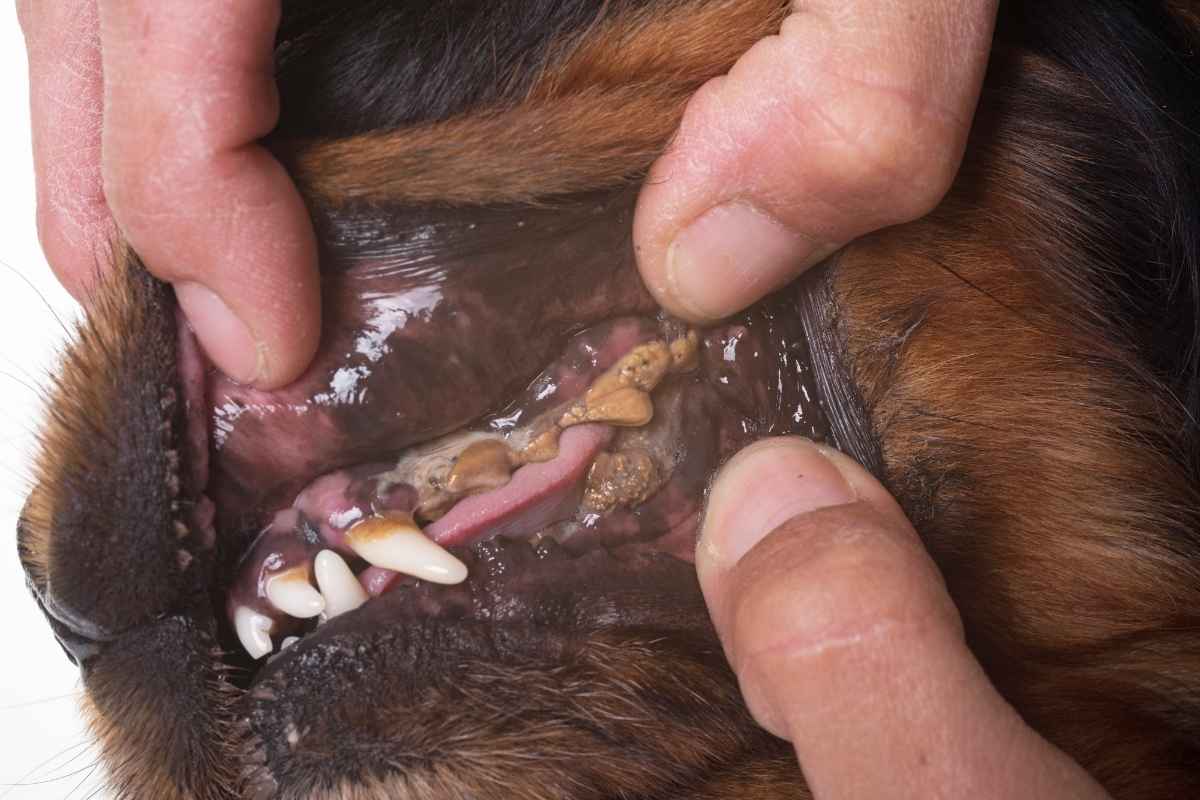
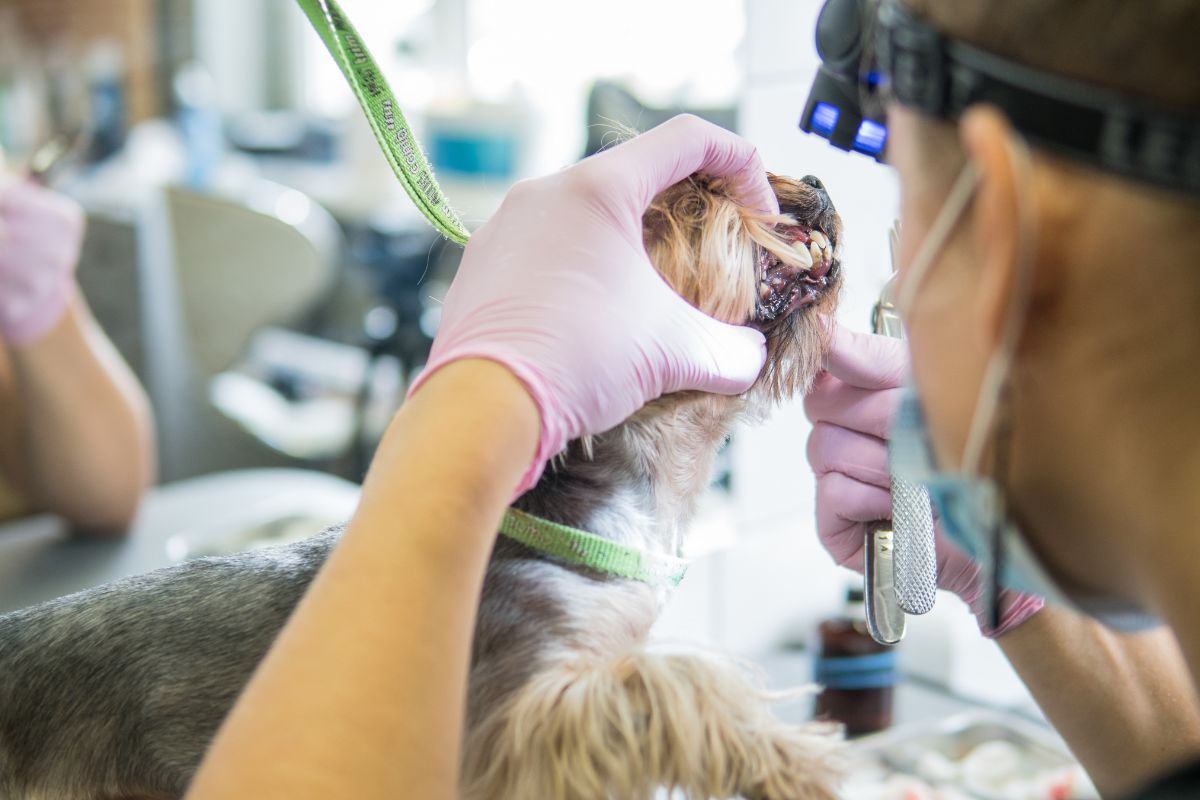
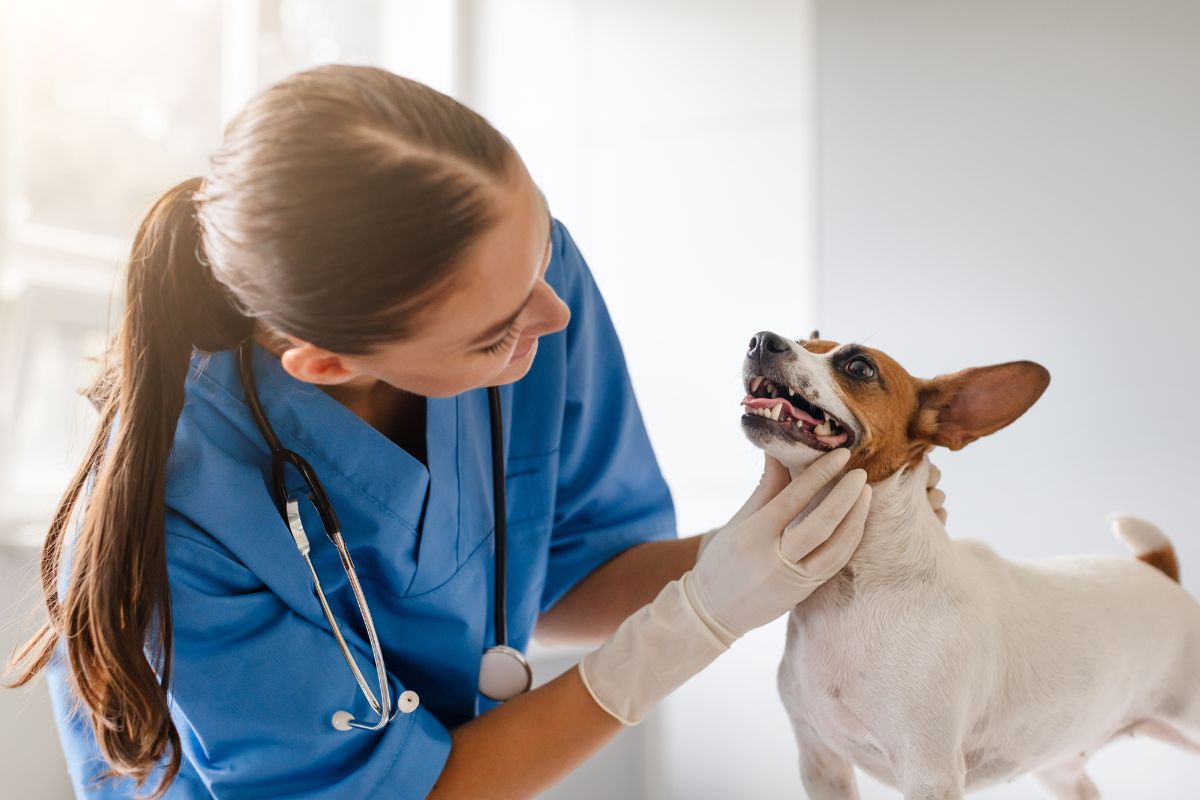
Pet dental health is often misunderstood, leading to overlooked issues that can affect a pet’s overall well-being. Many pet owners assume that bad breath is normal or that animals naturally maintain clean teeth without assistance. However, these misconceptions can result in preventable dental problems over time. Understanding the truth behind these myths is essential for making informed decisions about your pet’s care.
The insights shared here apply broadly to dogs and cats of all breeds and ages. Pet owners may also benefit from consulting experienced veterinary professionals, including those at Maxtown Veterinary Clinic, for guidance tailored to their pet’s individual needs.
Why Pet Dental Health Matters
Dental health plays a vital role in your pet’s overall health. Poor oral hygiene can lead to plaque buildup, gum disease, and infections that may affect major organs such as the heart, liver, and kidneys.
Modern pet dentistry focuses on prevention, early detection, and treatment of oral conditions. By understanding what is true and what is not, pet owners can take better steps to protect their pets from long-term complications.
Common Myths About Pet Dental Health
Myth 1: Bad Breath in Pets Is Normal
Many pet owners believe that bad breath is simply part of having a dog or cat.
The truth:
Persistent bad breath is often a sign of dental disease or bacterial buildup. Healthy pets should have relatively neutral-smelling breath.
Myth 2: Pets Don’t Need Their Teeth Brushed
It is a common assumption that brushing a pet’s teeth is unnecessary.
The truth:
Domestic pets consume diets that can contribute to plaque buildup. Regular brushing is one of the most effective ways to prevent tartar and maintain oral health.
Myth 3: Dry Food Alone Keeps Teeth Clean
Dry kibble is often thought to be enough to maintain dental hygiene.
The truth:
While kibble can provide some mechanical cleaning, it does not fully prevent plaque or tartar. A combination of diet, brushing, and professional care is necessary.
Myth 4: Dental Problems Only Occur in Older Pets
Some believe that only senior pets develop dental issues.
The truth:
Dental disease can begin early in life. Without proper care, plaque buildup can lead to gum disease even in younger pets.
Myth 5: Chew Toys Replace Dental Care
Chew toys are often seen as a complete solution for oral health.
The truth:
While they can help reduce plaque, they are not a substitute for brushing or professional dental care. They should be part of a broader dental routine.
Myth 6: Professional Dental Cleanings Are Risky
Concerns about anesthesia often lead pet owners to avoid dental procedures.
The truth:
When performed by trained veterinary professionals, dental cleanings are generally safe and play an important role in preventing serious health issues.
The Importance of Preventive Dental Care
A preventive approach is key to maintaining healthy teeth and gums. This includes a combination of daily habits and routine veterinary care.
Best practices include:
- Brushing your pet’s teeth regularly
- Providing dental-friendly treats and toys
- Scheduling routine dental exams
- Watching for signs of discomfort or changes in behavior
These steps form the foundation of effective pet dentistry and long-term oral health.
Signs Your Pet May Have Dental Problems
Early detection can help prevent more serious complications. Common signs include:
- Persistent bad breath
- Red or bleeding gums
- Difficulty chewing
- Excessive drooling
- Loose or discolored teeth
If these symptoms appear, timely evaluation is important.
When to Seek Veterinary Guidance
Even with consistent care, some pets may develop dental issues that require professional attention. Pet owners in Westerville, OH can access educational support from veterinary teams, including those at Maxtown Veterinary Clinic, to better understand their pet’s oral health.
Debunking common myths about pet dental health allows pet owners to take a more informed and proactive approach to care. Misconceptions can delay treatment, but understanding the facts helps prevent unnecessary discomfort and long-term health problems.
These recommendations are applicable to pet owners everywhere and are not limited to a specific location. By combining proper at-home care with professional guidance, you can support your pet’s oral health throughout their life.
For more personalized recommendations, you can book an appointment with Maxtown Veterinary Clinic to better understand your pet’s specific dental care needs.
FAQs for Pet Owners
Q1. Is bad breath always a sign of a dental issue?
Ans. Yes, persistent bad breath is usually a sign of bacterial buildup or dental disease.
Q2. How often should I brush my pet’s teeth?
Ans. Daily brushing is ideal, but even a few times per week can be beneficial.
Q3. Are dental treats enough to maintain oral health?
Ans. No, they should be used alongside brushing and regular veterinary care.
Q4. At what age should I start dental care for my pet?
Ans. Dental care should begin early, ideally when your pet is young.
Q5. How often should pets have dental checkups?
Ans. Most pets benefit from annual dental exams, though some may need more frequent visits.
Q6. Are professional dental cleanings necessary?
Ans. Yes, they are important for removing tartar and preventing serious dental issues.