7132 State Rt 3, Westerville Ohio 43082


Every dog and cat has different health needs based on age, breed, lifestyle, activity level, diet, and medical history. A consistent wellness routine can help pet owners monitor these factors and recognize changes before they become more serious. From regular examinations and vaccinations to nutrition, dental hygiene, and parasite prevention, small steps can make a meaningful difference in long-term health.
At WestVets Maxtown Veterinary Clinic, personalized pet wellness starts with understanding the individual animal rather than following a one-size-fits-all schedule. A thoughtful pet preventive care routine combines professional veterinary recommendations with healthy habits at home, helping owners stay proactive throughout every stage of their pet’s life.
Start With a Wellness Examination
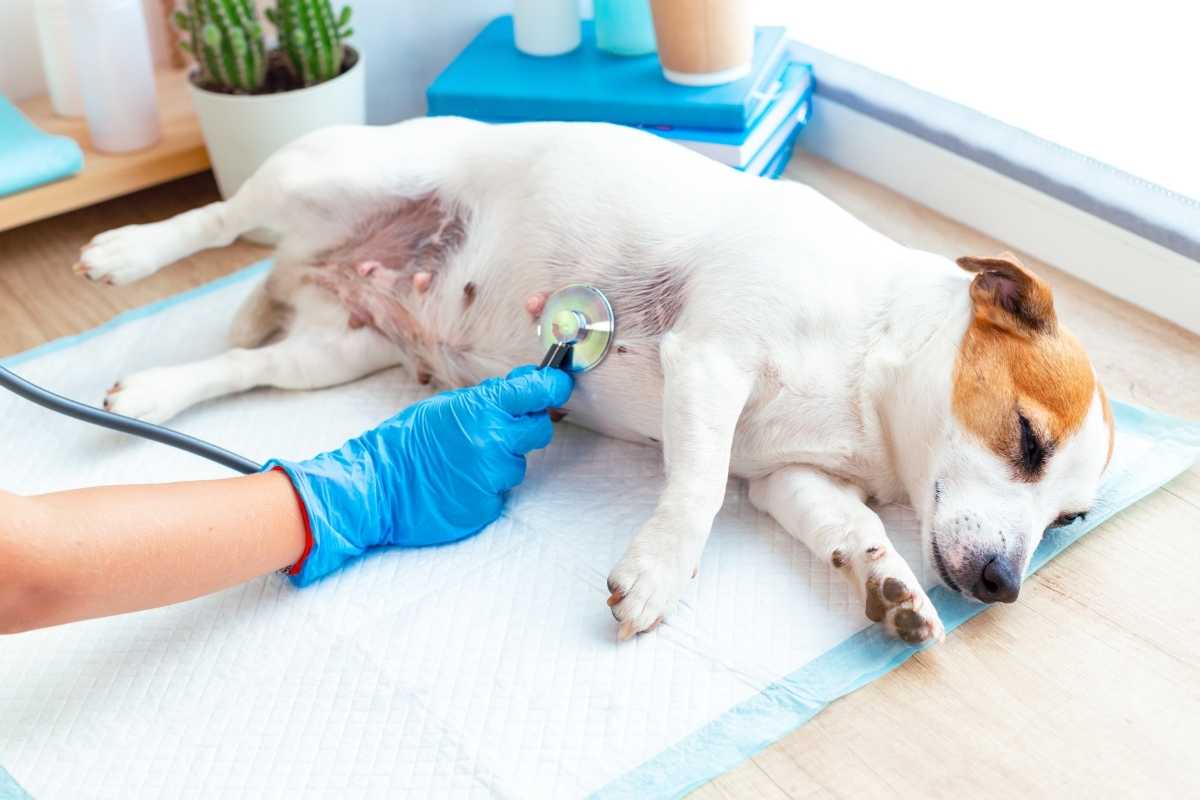
The foundation of a personalized wellness routine is a comprehensive veterinary examination. Even when a dog or cat appears healthy, routine visits allow a veterinarian to assess overall condition and identify subtle changes.
A wellness evaluation may include:
- Physical examination
- Weight and body condition assessment
- Vaccination review
- Parasite prevention assessment
- Dental and oral health evaluation
- Nutrition and lifestyle discussion
- Review of behavior and activity
- Age-appropriate diagnostic screening
The frequency of visits depends on the pet’s age, health status, and individual risk factors. Puppies, kittens, senior pets, and animals with chronic conditions may need more frequent monitoring.
Adjust the Routine for Your Pet’s Age
Health priorities change throughout a pet’s life.
Puppies and Kittens
Young pets need support during rapid growth and development. Their wellness routine commonly includes appropriate vaccinations, parasite prevention, nutrition guidance, behavioral development, and monitoring of growth.
Early veterinary visits can also help owners establish healthy habits around dental care, grooming, nail trimming, exercise, and handling.
Adult Dogs and Cats
Healthy adult pets benefit from consistent wellness monitoring. Maintaining an appropriate weight, keeping vaccinations current, providing parasite prevention, monitoring dental health, and observing changes in behavior are important components of routine care.
Lifestyle should also influence recommendations. An active outdoor dog may have different parasite risks and exercise requirements than an indoor cat.
Senior Pets
Older pets may require closer observation because certain health conditions become more common with age. Veterinary recommendations may include more frequent examinations or diagnostic screening.
Owners should pay attention to changes in mobility, appetite, thirst, sleep patterns, weight, grooming habits, or behavior. These changes should not automatically be dismissed as normal aging.
Build a Nutrition and Weight Management Plan
Nutrition is an important part of lifelong wellness. Feeding requirements can vary based on age, body size, activity level, reproductive status, and health conditions.
Regularly monitoring body condition is more useful than relying solely on a number on the scale. Your veterinarian can help determine whether your pet is at an appropriate weight and recommend adjustments when necessary.
Avoid making significant dietary changes without considering the pet’s complete nutritional needs. Treats and table foods should also be included when considering daily calorie intake.
Keep Vaccinations and Parasite Prevention Current
Vaccinations help protect pets against preventable infectious diseases. The appropriate schedule depends on factors such as age, lifestyle, exposure risk, and local considerations.
Parasite prevention is equally important. Fleas, ticks, heartworms, and intestinal parasites can affect pets even when owners do not regularly see evidence of infestation.
Ask your veterinarian which preventive products and schedules are appropriate for your dog or cat rather than choosing products based only on convenience.
Include Dental Health in the Routine
Dental problems can develop gradually, and pets may continue eating despite oral discomfort. Regular dental assessments can help identify plaque, tartar, gum inflammation, damaged teeth, or other concerns.
At home, owners can support oral hygiene by introducing appropriate toothbrushing techniques and using veterinarian-recommended dental products. Professional dental cleaning may be recommended when accumulated dental disease cannot be adequately managed through home care alone.
Monitor Behavior and Daily Habits
Pet owners see their animals every day, making them an important part of ongoing health monitoring.
Keep an eye on:
- Appetite and water consumption
- Urination and bowel movements
- Energy and activity
- Sleeping patterns
- Grooming habits
- Interaction with people and other animals
- Weight or body shape
- Mobility
- New or unusual behaviors
Writing down noticeable changes can make it easier to provide useful information during veterinary visits.
Make Exercise Part of the Plan
Physical activity should match a pet’s age, breed, physical condition, and abilities. Dogs may benefit from regular walks, interactive games, and other appropriate activities. Cats can benefit from play sessions, climbing opportunities, food puzzles, and activities that encourage natural behaviors.
For older pets or animals with mobility concerns, exercise may need to be modified rather than eliminated. A veterinarian can help determine safe activity levels.
Reassess the Routine as Your Pet Changes
A wellness plan should not remain exactly the same throughout a pet’s life. Changes in age, weight, activity, medications, environment, or medical history may require adjustments.
Regular veterinary discussions help ensure that pet preventive care remains appropriate as circumstances change. Keeping vaccination records, medication information, weight measurements, and relevant health observations organized can also make appointments more productive.
A personalized wellness routine brings together veterinary examinations, nutrition, vaccinations, parasite prevention, dental care, exercise, and daily observation. The right approach will change as your dog or cat grows older and their individual needs evolve.
For pet owners in Westerville, OH, maintaining regular veterinary guidance can help support informed health decisions at every life stage. Schedule your appointment with WestVets Maxtown Veterinary Clinic to discuss a wellness routine tailored to your pet.
FAQs:
Q1. How often should my dog or cat have a wellness exam?
Ans: The recommended frequency depends on age, health, lifestyle, and risk factors. Young and senior pets may need more frequent evaluations than healthy adult animals.
Q2. Does an indoor cat still need preventive healthcare?
Ans: Yes. Indoor cats can still experience health concerns involving infectious diseases, parasites, dental problems, weight, and chronic conditions. Their healthcare needs should be assessed individually.
Q3. How can I tell if my pet is at a healthy weight?
Ans: Body condition scoring, along with regular weight measurements, can help determine whether a pet is underweight, overweight, or within an appropriate range. A veterinarian can provide an individualized assessment.
Q4. What should I monitor between veterinary visits?
Ans: Monitor appetite, water intake, weight, activity, bathroom habits, behavior, grooming, mobility, and any unusual physical changes.
Q5. Should my senior pet have more frequent checkups?
Ans: Some senior pets benefit from more frequent examinations and diagnostic screening because age-related conditions may develop gradually. Your veterinarian can recommend an appropriate schedule.
Q6. Can my pet’s wellness routine change over time?
Ans: Yes. Healthcare recommendations may change with age, lifestyle, weight, medical history, medications, and other factors. Regular reassessment helps keep the routine appropriate.