7132 State Rt 3, Westerville Ohio 43082


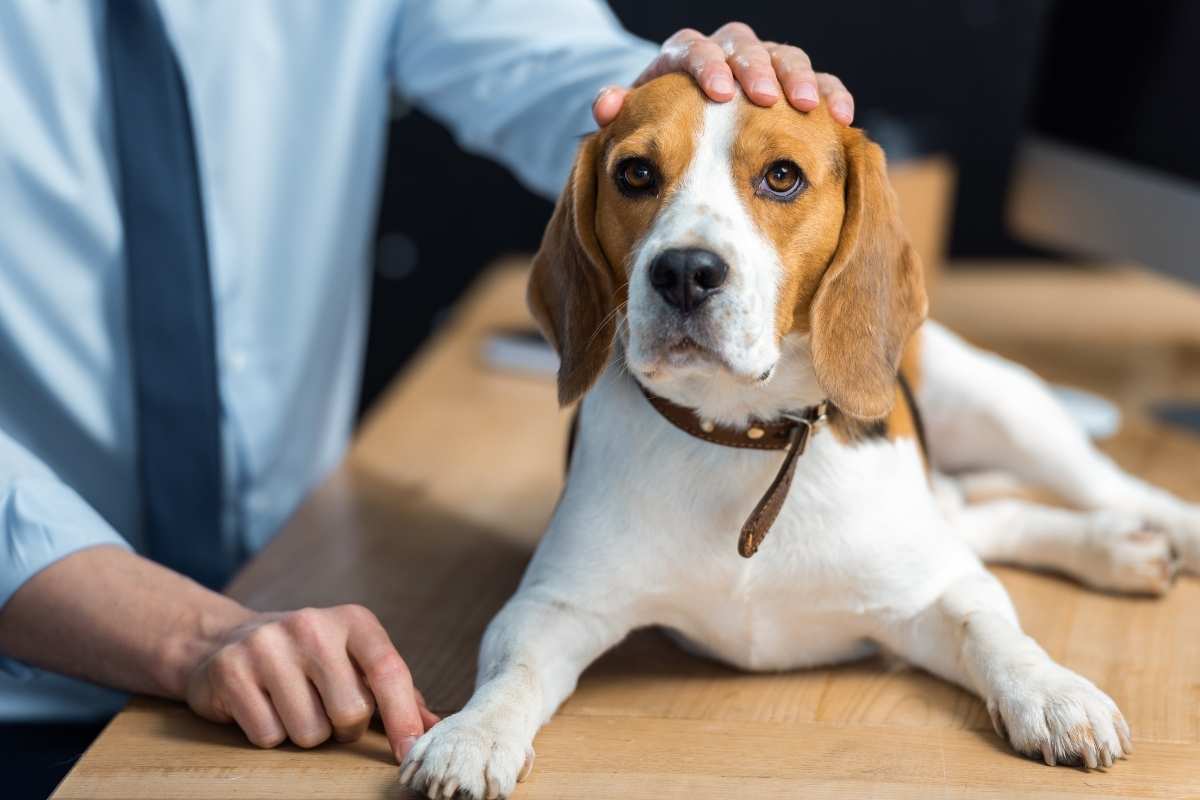
Seeing your dog get injured can be one of the most stressful experiences for any pet owner. Whether the injury is caused by a fall, a vehicle accident, a bite wound, or an unexpected incident during play, your first instinct may be to rush to help. While seeking veterinary care promptly is essential, knowing how to safely calm your injured dog before arriving at the nearest veterinary clinic can reduce stress for both you and your pet.
Pain and fear can cause even the friendliest dog to behave unpredictably. Understanding how to approach, comfort, and transport an injured dog safely can help prevent further injury while making the trip to the veterinarian as smooth as possible.
Stay Calm Before Approaching Your Dog
Dogs often sense their owner’s emotions. If you panic, your dog may become even more frightened or anxious.
Take a deep breath and approach slowly using a calm, reassuring voice. Avoid sudden movements or loud noises that could increase your dog’s stress level.
Observe your dog’s condition from a safe distance before attempting to handle them.
Watch for Signs of Pain and Stress
An injured dog may not always cry or whine. Instead, they may show subtle signs that indicate pain or fear.
Common signs include:
- Trembling
- Rapid breathing
- Panting
- Restlessness
- Whining
- Hiding
- Limping
- Reluctance to move
- Dilated pupils
- Aggressive behavior
Recognizing these signs can help you handle your dog more carefully.
Avoid Sudden Handling
Even gentle dogs may bite when they are in pain.
Approach from the side rather than directly from the front. Speak softly and allow your dog to see and smell you before touching them.
Avoid hugging or tightly restraining your dog unless necessary for safe transport.
If your dog becomes aggressive due to pain, prioritize your own safety while arranging veterinary care.
Keep Movement to a Minimum
If you suspect your dog has suffered a fracture, spinal injury, or internal injury, unnecessary movement may worsen the condition.
Whenever possible:
- Encourage your dog to remain still.
- Support the body evenly when lifting.
- Use a blanket, sturdy towel, or flat board as a stretcher for larger dogs.
- Have another person assist with lifting if available.
Limiting movement helps reduce pain and prevents additional injury.
Control Bleeding if Present
If your dog has an open wound that is bleeding, apply gentle, steady pressure using a clean towel, gauze, or cloth.
Do not repeatedly remove the material to check the wound, as this may disrupt clot formation.
If blood soaks through, place another clean layer over the original dressing while maintaining pressure.
Keep Your Dog Warm and Comfortable
Shock can develop after serious injuries, causing body temperature to drop.
Cover your dog with a light blanket or towel to help maintain body warmth without overheating them.
Keeping your pet warm also provides a sense of comfort during transport.
Speak in a Calm, Reassuring Voice
Your voice can be one of the most effective tools for reducing your dog’s anxiety.
Use short, gentle phrases while avoiding loud or emotional reactions.
Many dogs respond positively to hearing their owner’s familiar voice during stressful situations.
Do Not Give Human Pain Medications
It may be tempting to offer pain relief before reaching the veterinarian, but many over-the-counter medications intended for people are toxic to dogs.
Never give medications such as:
- Ibuprofen
- Acetaminophen
- Naproxen
- Aspirin unless specifically directed by your veterinarian
Giving inappropriate medications can complicate treatment and worsen your dog’s condition.
Transport Your Dog Safely
Safe transportation is just as important as first aid.
Helpful tips include:
- Keep your dog as still as possible.
- Secure smaller dogs in a carrier if appropriate.
- Prevent unnecessary movement inside the vehicle.
- Have another person monitor your dog during the drive whenever possible.
- Drive carefully while avoiding sudden stops.
Seeking prompt pet urgent care allows your veterinarian to assess injuries before complications develop.
Know When Immediate Veterinary Attention Is Needed
Some injuries require prompt evaluation regardless of whether your dog appears stable.
Contact your veterinarian immediately if your dog experiences:
- Difficulty breathing
- Heavy bleeding
- Collapse
- Seizures
- Suspected broken bones
- Deep wounds
- Inability to stand
- Head trauma
- Hit by a vehicle
- Severe burns
Even if your dog appears alert, internal injuries may not be immediately visible.
What Will the Veterinarian Do?
Upon arrival, your veterinary team will perform a complete physical examination and determine the severity of your dog’s injuries.
Depending on the situation, your dog may require:
- Pain management
- Wound cleaning
- Bandaging
- X-rays
- Blood tests
- Ultrasound
- Surgery
- Hospitalization for observation
Early evaluation often improves treatment options and recovery outcomes.
Preparing for Unexpected Injuries
While accidents cannot always be prevented, being prepared can make a stressful situation easier to manage.
Consider keeping a basic pet first aid kit that includes:
- Gauze
- Nonstick bandages
- Adhesive tape
- Clean towels
- Disposable gloves
- Saline solution
- A digital thermometer
- Your veterinarian’s phone number
It is also helpful to know the location and driving route to your nearest veterinary clinic before an urgent situation arises.
Quick action combined with calm handling can make a meaningful difference for an injured pet. Accessing timely pet urgent care gives your dog the best opportunity for a thorough evaluation, appropriate treatment, and a smoother recovery.
An injured dog depends on you to stay calm and respond thoughtfully. Limiting movement, controlling bleeding, keeping your pet comfortable, and avoiding unsafe medications are important first steps before reaching a veterinarian. While first aid can provide temporary support, professional evaluation remains essential to identify injuries that may not be visible and begin appropriate treatment.
If you’re in Westerville, OH and your dog has been injured, contact WestVets Maxtown Veterinary Clinic promptly for professional guidance and care. We proudly serve pets in Westerville, Lewis Center, Galena, Sunbury, New Albany, and the surrounding area. For prompt veterinary assistance or to let our team know you’re on your way, call 614-890-7297.
FAQs
Q1. What is the first thing I should do if my dog gets injured?
Ans: Stay calm, keep your dog as still as possible, assess the injury from a safe distance, and contact your veterinarian for guidance before transporting your pet.
Q2. Why is my injured dog acting aggressively?
Ans: Pain and fear can cause even gentle dogs to growl, snap, or bite. Approach carefully and avoid sudden movements that may increase stress.
Q3. Can I give my dog human pain medication before seeing a veterinarian?
Ans: No. Many human pain relievers are toxic to dogs and should never be given unless specifically prescribed by your veterinarian.
Q4. How should I move a dog that may have a broken bone?
Ans: Minimize movement by supporting your dog’s body evenly. A blanket, towel, or sturdy board can be used as a stretcher for safer transport.
Q5. Should I cover a bleeding wound before traveling to the veterinarian?
Ans: Yes. Apply gentle pressure with a clean cloth or gauze to help control bleeding while transporting your dog for veterinary care.
Q6. What supplies should every pet first aid kit include?
Ans: A basic kit should contain gauze, bandages, adhesive tape, clean towels, saline solution, disposable gloves, a thermometer, and your veterinarian’s contact information.