7132 State Rt 3, Westerville Ohio 43082


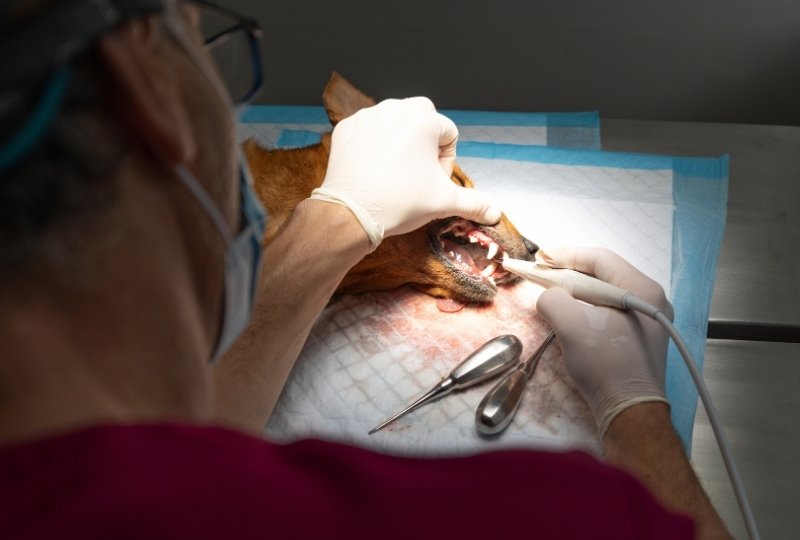
Dental health is a cornerstone of your pet’s overall well-being. While regular brushing and professional cleanings go a long way toward preventing disease, some situations require more advanced treatment. In certain cases, dental surgery for pets is the only way to relieve pain, prevent infection, and restore quality of life.
So, when is dental surgery actually needed? Let’s take a closer look.
Why Dental Health Matters
Poor dental health doesn’t just affect the mouth—it can also impact your pet’s organs, appetite, and energy levels. Untreated dental disease can allow bacteria to enter the bloodstream, potentially leading to heart, kidney, or liver problems. That’s why veterinarians emphasize prevention and, when necessary, corrective surgical care.
Common Reasons for Dental Surgery in Pets
1. Advanced Periodontal Disease
When gum disease progresses beyond routine cleaning, teeth can loosen or become painful. Surgery may involve removing affected teeth and cleaning deep below the gumline to prevent further damage.
2. Fractured or Broken Teeth
Accidents, chewing on hard objects, or trauma can result in cracked or broken teeth. In many cases, these teeth need to be extracted surgically to prevent infection and pain.
3. Oral Tumors or Growths
Unusual masses in the mouth often require biopsy or removal through surgery. Detecting these early is crucial, which is why regular dental check-ups are recommended.
4. Severe Infections or Abscesses
Infections that spread to the roots of the teeth may require surgical extraction to stop bacteria from causing systemic illness.
5. Baby Teeth That Don’t Fall Out
Some pets, especially smaller breeds, may retain baby teeth that crowd adult teeth. Surgical removal prevents misalignment and dental disease later in life.
What to Expect During Dental Surgery
Dental surgery is performed under general anesthesia to ensure your pet is safe and comfortable. The procedure may involve:
- A full oral examination with dental X-rays.
- Extractions or other corrective treatments.
- Thorough cleaning and polishing of the remaining teeth.
After surgery, your pet will go home with pain management instructions and a recovery plan. Most pets bounce back quickly and enjoy a healthier, more comfortable life.
Preventing the Need for Surgery
While some cases are unavoidable, many dental issues can be minimized with preventive care. Daily brushing, dental chews, and routine veterinary cleanings are key. For comprehensive support, Maxtown Veterinary Clinic offers professional pet dental services that focus on both prevention and treatment, helping pets maintain strong, healthy teeth for years to come.
Dental surgery for pets is sometimes necessary to address pain, infection, or advanced disease. Understanding the signs—such as bad breath, bleeding gums, or difficulty eating—can help you act before problems worsen. With proper dental care and timely treatment, your pet can continue to live a healthy, active, and pain-free life.
FAQs
Q1. How do I know if my pet might need dental surgery?
Ans. Signs include persistent bad breath, red gums, broken teeth, or difficulty chewing. A vet exam is the best way to know for sure.
Q2. Is dental surgery safe for pets?
Ans. Yes. Modern anesthesia and monitoring make dental surgery safe, and most pets recover quickly with proper care.
Q3. Can dental disease affect my pet’s overall health?
Ans. Absolutely. Oral bacteria can spread to the heart, kidneys, and other organs, making dental care essential.
Q4. Will my pet be in pain after surgery?
Ans. Some discomfort is expected, but vets provide pain relief to ensure recovery is as comfortable as possible.
Q5. How often should pets have dental check-ups?
Ans. At least once a year, though some pets may need more frequent evaluations depending on their dental health.
Q6. Can proper home care reduce the need for surgery?
Ans. Yes. Brushing at home and scheduling routine cleanings significantly lowers the risk of advanced dental disease.