7132 State Rt 3, Westerville Ohio 43082


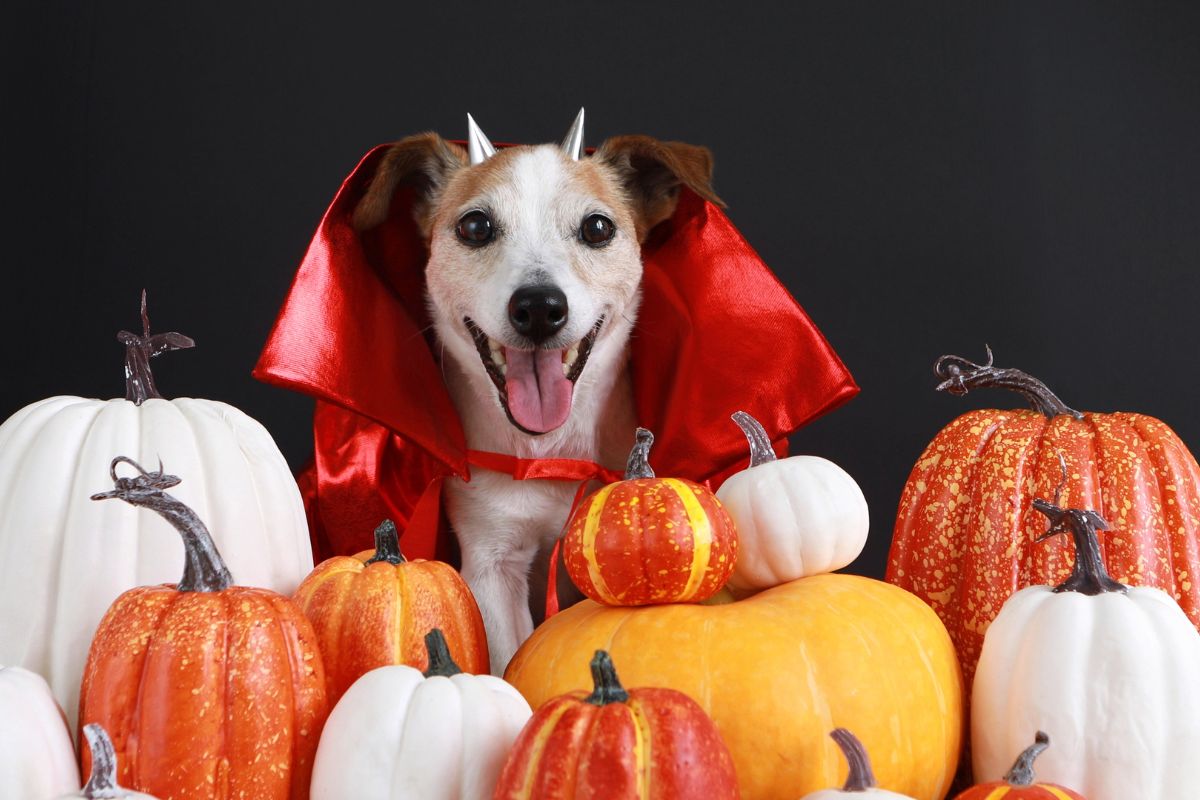
Halloween night can be challenging for dogs that react strongly to unfamiliar people, noises, movement, or changes in their environment. Doorbells ring repeatedly, children arrive in costumes, decorations move or make noise, and neighborhood sidewalks become much busier than usual.
For dog owners in Westerville and nearby communities, planning ahead can make Halloween safer and less stressful. If your dog tends to bark, lunge, hide, growl, pace, or become overwhelmed around visitors, the goal should not be to make them participate. Instead, reduce exposure to known triggers and give your dog a secure place to settle.
Why Can Halloween Trigger Reactive Behavior in Dogs?
Reactivity is a strong response to a particular trigger. It can involve barking, lunging, growling, pulling, freezing, or trying to escape. Fear, anxiety, frustration, excitement, pain, and other factors may contribute to these behaviors.
Halloween can place several triggers together within a short period. Your dog may encounter:
- Repeated doorbells and knocking
- Strangers approaching the house
- Children running or shouting
- Masks, hats, and unusual costumes
- Flashing or moving decorations
- Increased neighborhood activity
- Unfamiliar sounds and smells
Even a dog that normally manages one trigger may struggle when several occur close together.
7 Ways to Keep a Reactive Dog Safe on Halloween
1. Exercise Your Dog Before Trick-or-Treating Begins
Take your dog for their usual exercise earlier in the day, before sidewalks become crowded. Choose a familiar route and avoid deliberately exposing your dog to Halloween displays or gatherings.
Exercise cannot eliminate fear or reactivity, but meeting your dog’s normal physical and mental needs before evening activities may make settling indoors easier.
2. Create a Quiet Room Away From the Front Door
Choose a secure room where your dog will not need to interact with trick-or-treaters. Include familiar bedding, water, toys, and other items your dog already finds comforting.
Closing curtains can reduce visual triggers. White noise, a fan, television, or quiet music may help mask repeated knocking, voices, and doorbell sounds.
3. Use More Than One Barrier When Possible
A reactive or frightened dog may attempt to rush through an open door. Consider using a closed interior door, baby gate, crate if your dog is comfortable in one, or another secure barrier between your dog and the entrance.
Check that identification tags are current. Confirm that your dog’s microchip registration information is also up to date in case of an unexpected escape.
4. Reduce Doorbell and Visitor Triggers
If the doorbell reliably causes intense barking or agitation, minimize how often you use it. Some families choose to sit outside and hand out candy so visitors do not repeatedly approach or knock on the door.
Do not ask your reactive dog to greet costumed visitors to “get used to them.” Forced interactions can increase fear and may create a bite risk when a dog feels unable to move away.
5. Skip the Halloween Costume if Your Dog Is Uncomfortable
A reactive dog does not need to wear a costume. Clothing that restricts movement, hearing, or vision may add another source of discomfort.
Watch your dog’s body language. Panting when the room is not warm, pacing, trembling, hiding, repeated lip licking, tucked posture, attempts to escape, or an inability to settle may indicate stress.
6. Avoid Busy Evening Walks
A normal evening walk through Westerville may look very different on Halloween. Costumed children, groups of people, decorations, and unusual noises can create unpredictable encounters.
If your dog must go outside, use secure walking equipment and choose a quiet area. Keep plenty of distance from triggers. Do not allow strangers or children to approach simply because they want to pet your dog.
If your dog’s reactions are becoming difficult to manage, speaking with a vet near you before Halloween can help you develop an appropriate plan. Contact our animal hospital now if you have concerns about significant behavioral changes or your dog’s safety.
7. Discuss Severe Halloween Anxiety Before October 31
Dogs with a history of severe fear, panic, escape attempts, or aggression may need more preparation than environmental changes alone.
An animal medical professional can assess your dog’s health and behavior and discuss appropriate management options. If medication is considered, use only medication prescribed or recommended specifically for your dog. Never give human anti-anxiety or sedative medication without professional direction.
When Does Halloween Reactivity Need Medical Attention?
Mild behaviors such as occasional alert barking that stops once the trigger disappears may simply need monitoring and environmental management.
Schedule an examination if your dog’s reactivity is new, worsening, difficult to interrupt, or affecting normal activities. A sudden behavioral change can sometimes be associated with pain or another medical issue, so it should not automatically be assumed to be behavioral.
Seek prompt help if your dog is attempting to break through doors or windows, injuring themselves while trying to escape, showing severe panic, collapsing, having difficulty breathing, or presenting an immediate bite or injury risk.
Make Halloween Safer for Your Dog in Westerville
Your dog does not need to greet trick-or-treaters or participate in every Halloween activity. For many reactive dogs, spending the evening in a familiar, protected space is the safer choice.
If your dog becomes unusually reactive, fearful, or difficult to settle, WestVets Maxtown Veterinary Clinic can help you determine whether medical or behavioral factors may be contributing. Pet families in Westerville, Lewis Center, Galena, Sunbury, New Albany, and nearby Ohio communities can call our hospital at 614-890-7297 to schedule a consultation with a veterinarian.
FAQs
Q1. Why is my dog suddenly reactive on Halloween?
Ans. Halloween introduces unusual sights, sounds, smells, and visitors all at once. A dog that normally tolerates neighborhood activity may become overwhelmed by repeated triggers. If the behavior is sudden or continues after Halloween, WestVets Maxtown Veterinary Clinic can evaluate whether medical or behavioral factors may be involved.
Q2. Should I let my reactive dog meet trick-or-treaters?
Ans. Usually, there is no benefit in forcing greetings with unfamiliar visitors. Keeping your dog behind a secure barrier can reduce stress and lower the risk of escape or biting. Give dogs showing fear, growling, or avoidance distance rather than encouraging interaction.
Q3. What are signs that my dog is stressed by Halloween?
Ans. Stress can appear as pacing, panting, trembling, hiding, barking, whining, lip licking, tucked posture, or repeated attempts to escape. More severe reactions may include lunging or snapping. WestVets Maxtown Veterinary Clinic can assess persistent or worsening behavioral changes.
Q4. Can I give my dog something to calm them on Halloween?
Ans. Do not give your dog human medication or another pet’s prescription. Some dogs with significant fear may benefit from professionally recommended management or medication. Any medication decision should consider your dog’s health, history, and individual needs.
Q5. Should I walk my reactive dog during trick-or-treating?
Ans. A quieter walk before trick-or-treating usually helps a dog triggered by crowds or unfamiliar people. If an evening bathroom break is necessary, choose a quiet location and maintain distance from groups, costumes, and other triggers.
Q6. When should I seek help for my dog’s reactivity?
Ans. Seek professional guidance when reactions are worsening, difficult to manage, causing significant distress, or creating a risk of escape or injury. WestVets Maxtown Veterinary Clinic can evaluate your dog and discuss appropriate next steps based on their behavior and health history.